





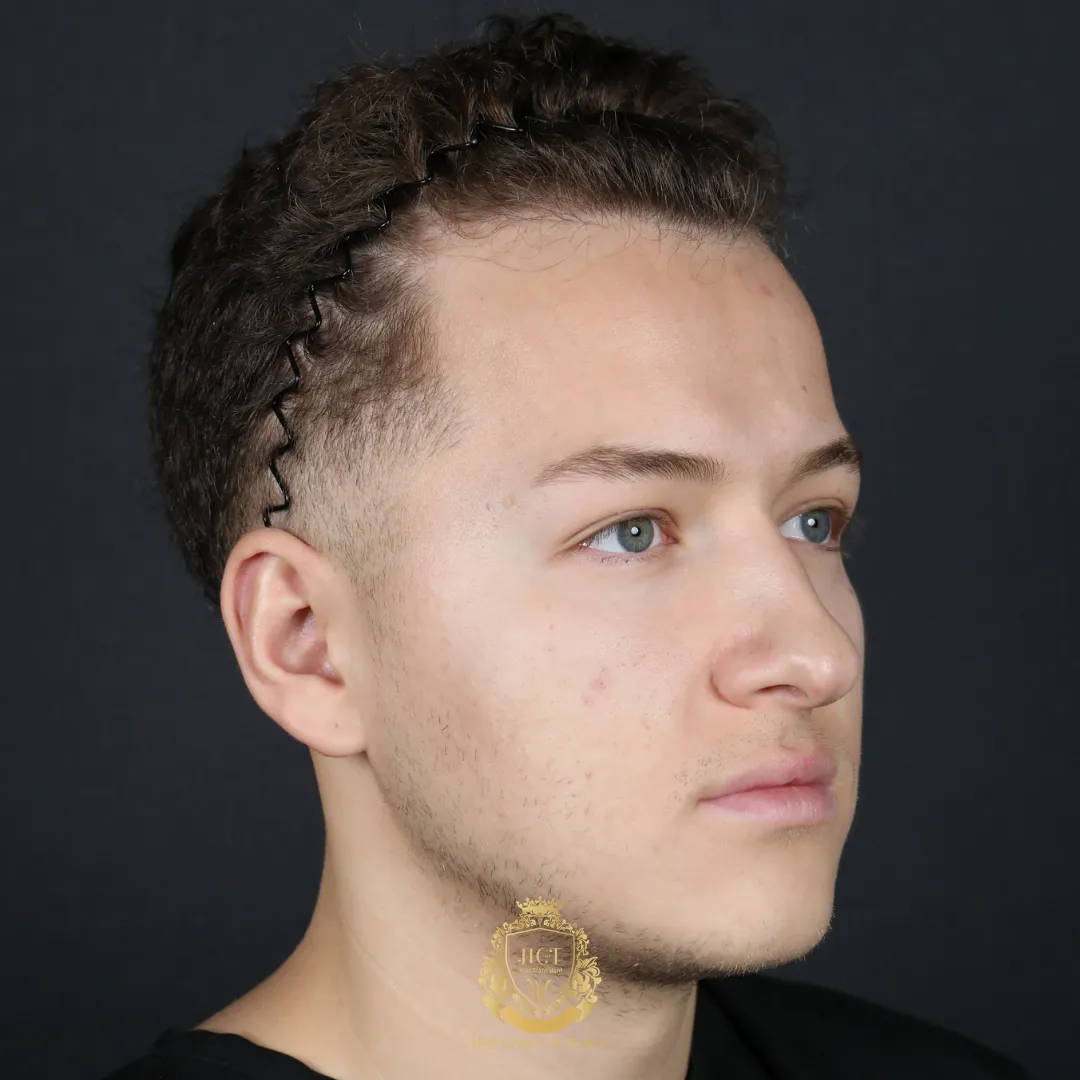
Best Haircuts for a Receding Hairline
The best haircuts for a receding hairline keep the sides neat, add texture on top, and reduce contrast at the temples. Go for a buzz cut, crew cut, textured crop, short pompadour, or a clean side part. Pair the cut with a matte styling product and regular trims to keep the shape sharp.
A receding hairline can feel frustrating, but the right haircut makes a noticeable difference. Good barbershops work with what you have—your hair’s texture, growth pattern, and face shape—so the finished style looks intentional, not like a cover-up.
Below you’ll find practical, modern haircuts that suit different degrees of recession, plus styling habits that help your hair look thicker and more balanced day to day.
What Is a Receding Hairline?
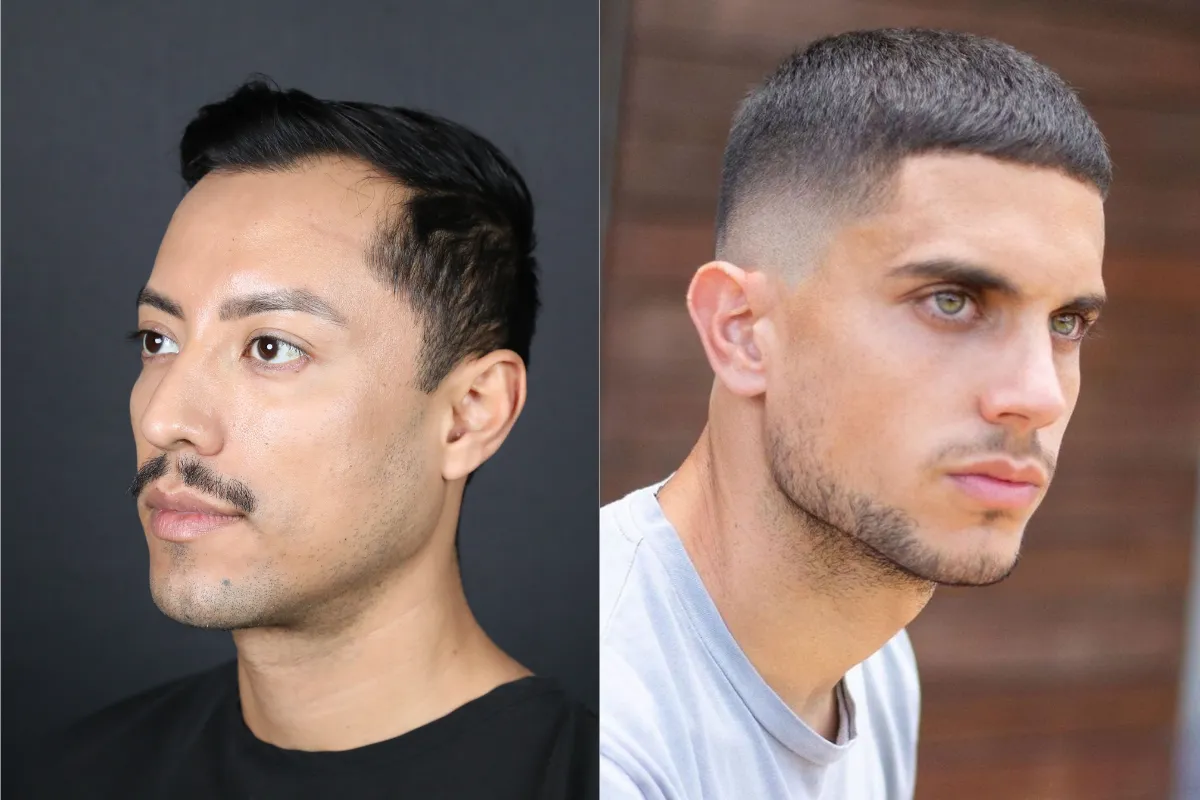
A receding hairline is when the front hairline gradually moves back, often creating more visible temples and a subtle “M” shape. For many men it’s driven by genetics and hormones, then becomes more noticeable with age. The goal with styling isn’t to hide it perfectly—it’s to create proportion and a clean outline.
Why The Right Haircut Matters
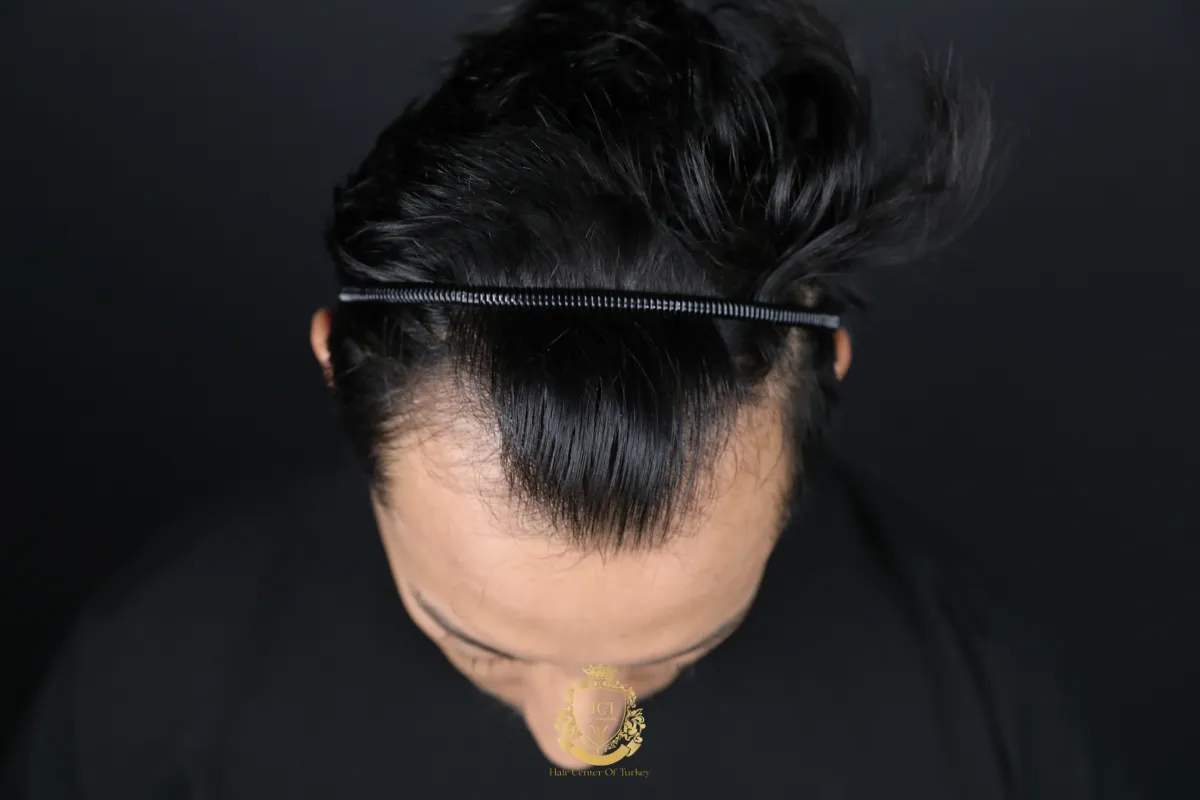
The right cut can shift attention away from the hairline and toward your overall face shape. Shorter sides reduce the contrast between thicker and thinner areas, while texture or volume on top adds visual density. When the haircut matches your hair type, styling takes minutes and looks consistent in different lighting.
Top Haircuts For A Receding Hairline
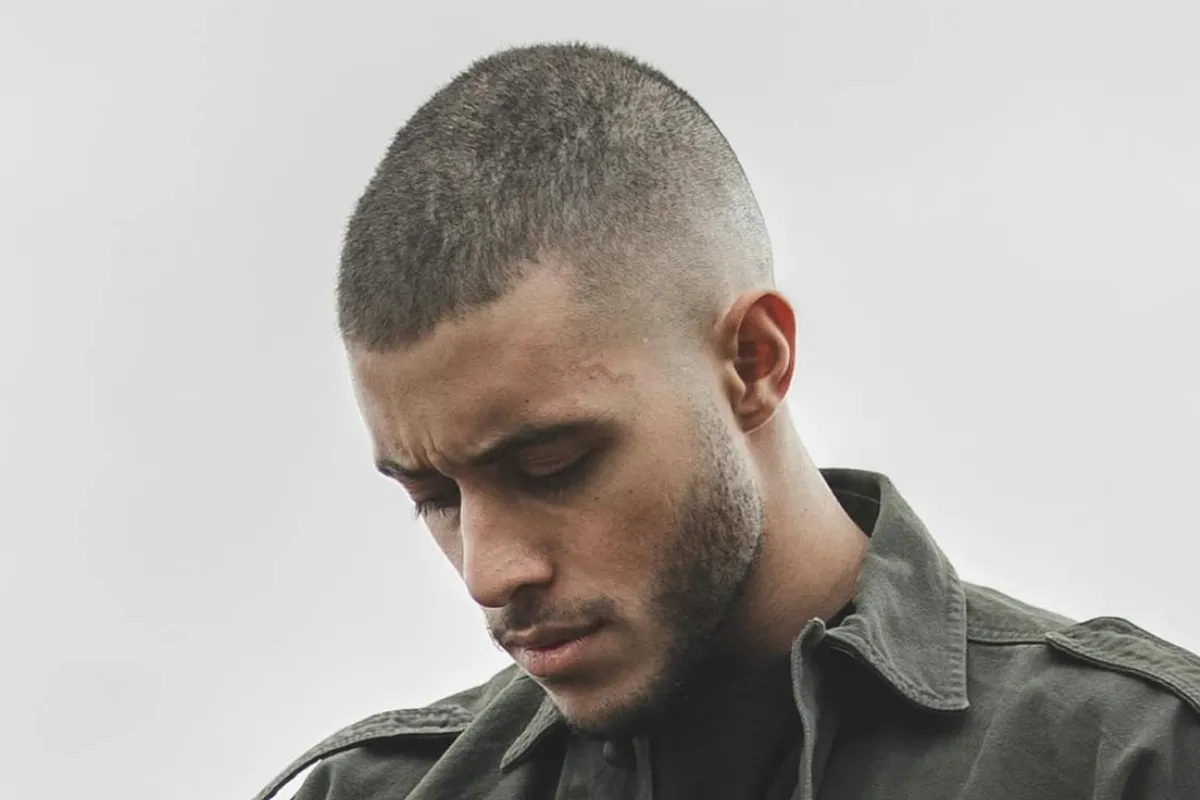
Buzz Cut
A buzz cut keeps everything close to the scalp, so the hairline doesn’t stand out as much. It’s low-maintenance, works on most face shapes, and pairs well with stubble or a beard for added structure.
Crew Cut
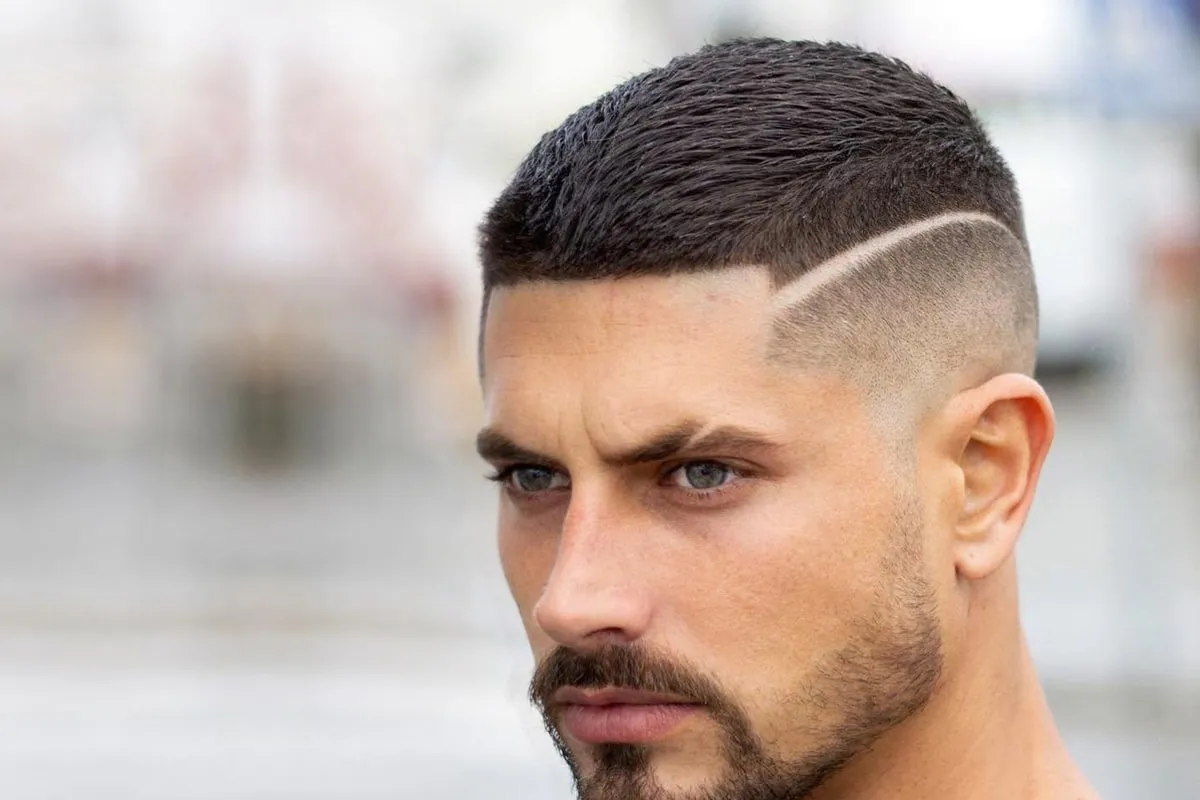
The crew cut leaves a little length on top with tapered sides, giving you shape without exposing the temples too much. Ask for a textured top so the hair sits naturally and looks fuller.
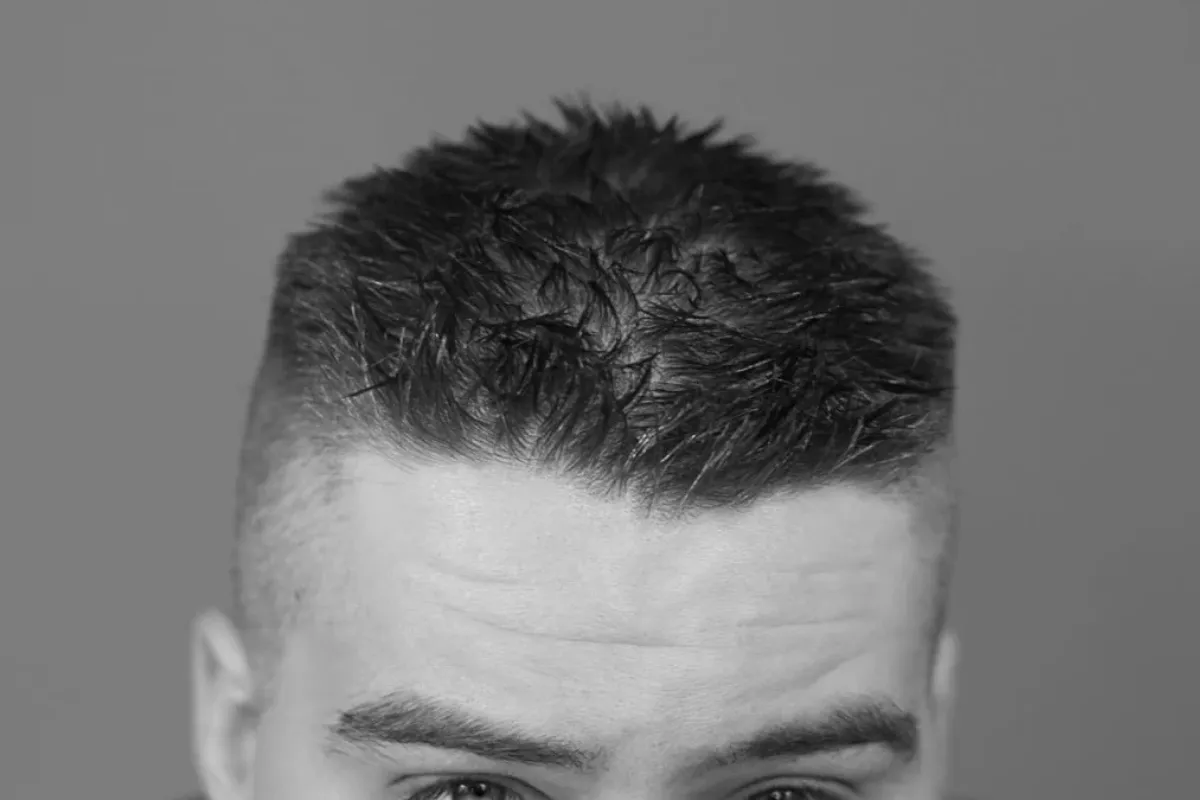
Short Pompadour
A short pompadour adds controlled height at the front without needing long hair. Keep the sides tight and the top textured so it looks modern rather than overly slick.
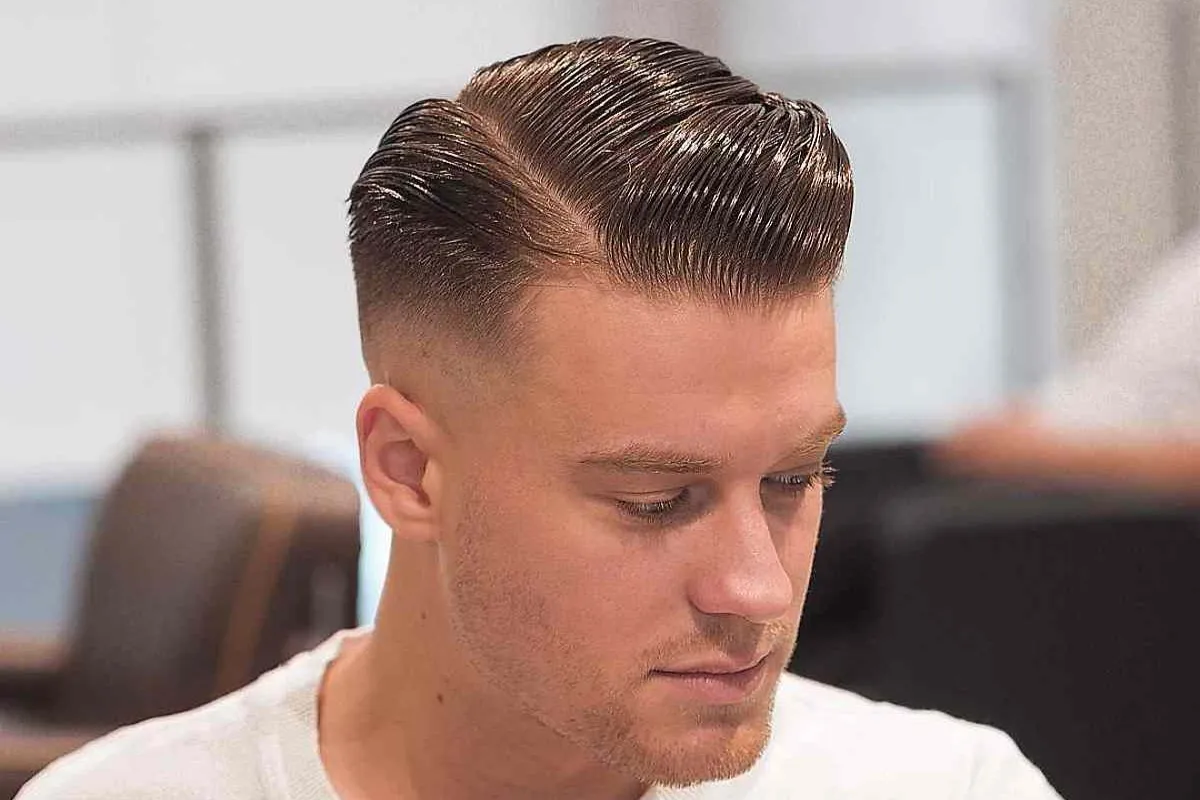
Slicked-Back Style
A slicked-back look can work if you keep it subtle and avoid heavy shine. Use a matte paste and comb lightly so the style sits back and slightly up, instead of pulling the hair flat against the scalp.
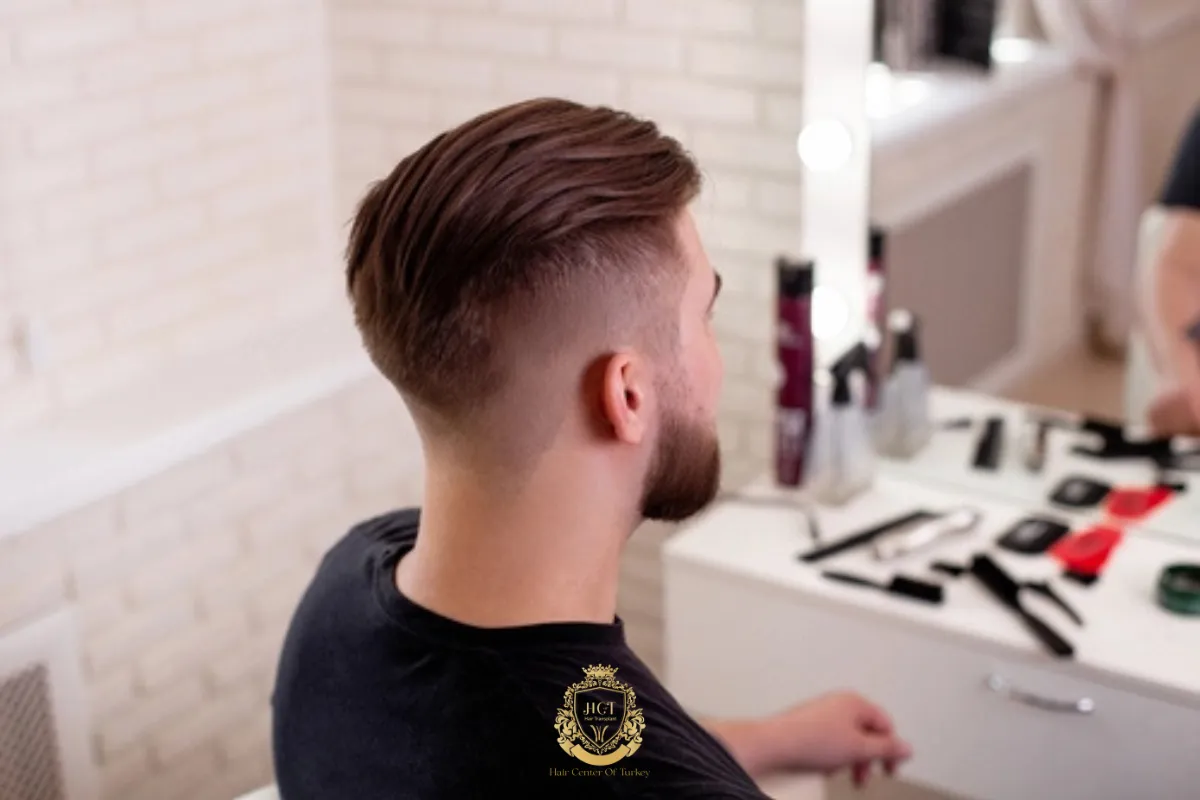
Side Part
A soft side part creates direction and structure, which can make the hairline look more defined. Keep the part natural rather than razor-sharp, and ask for a taper that blends smoothly around the temples.
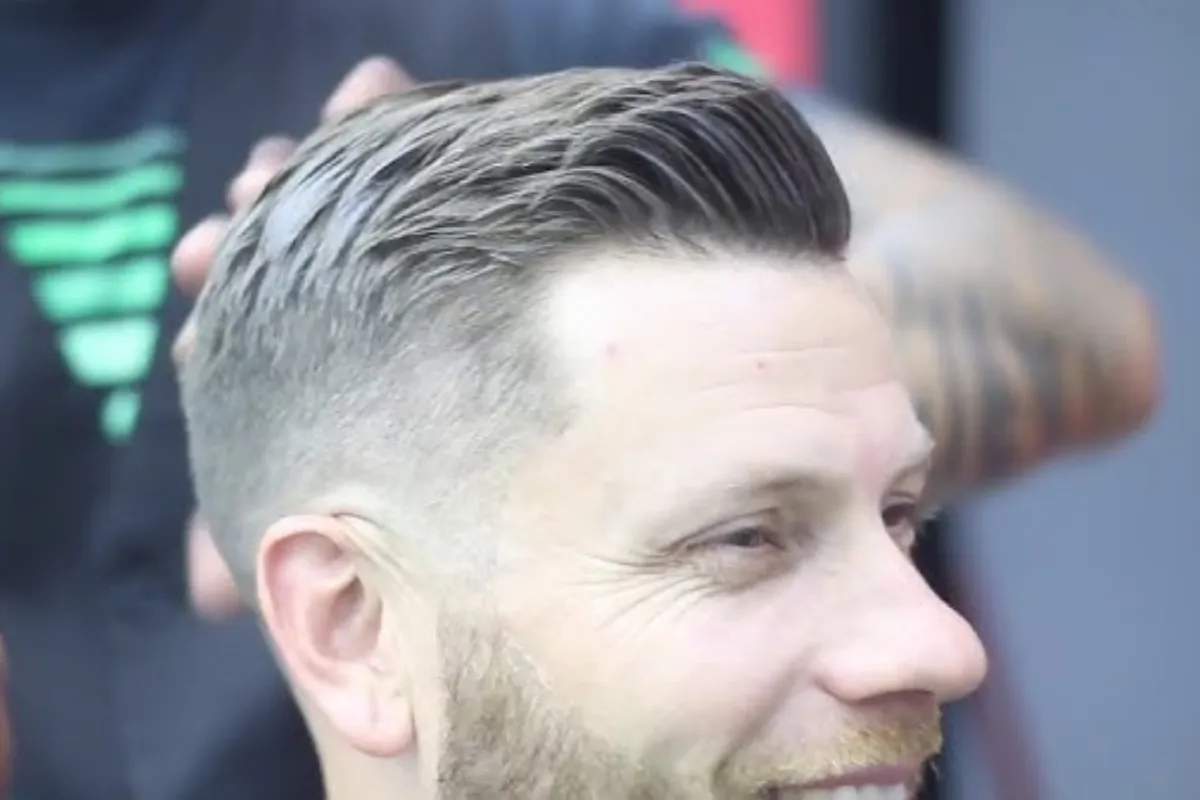
Shaved Head
Going fully shaved removes the hairline from the equation and can look very confident. It’s also one of the easiest styles to maintain, especially if your hair loss is progressing quickly.
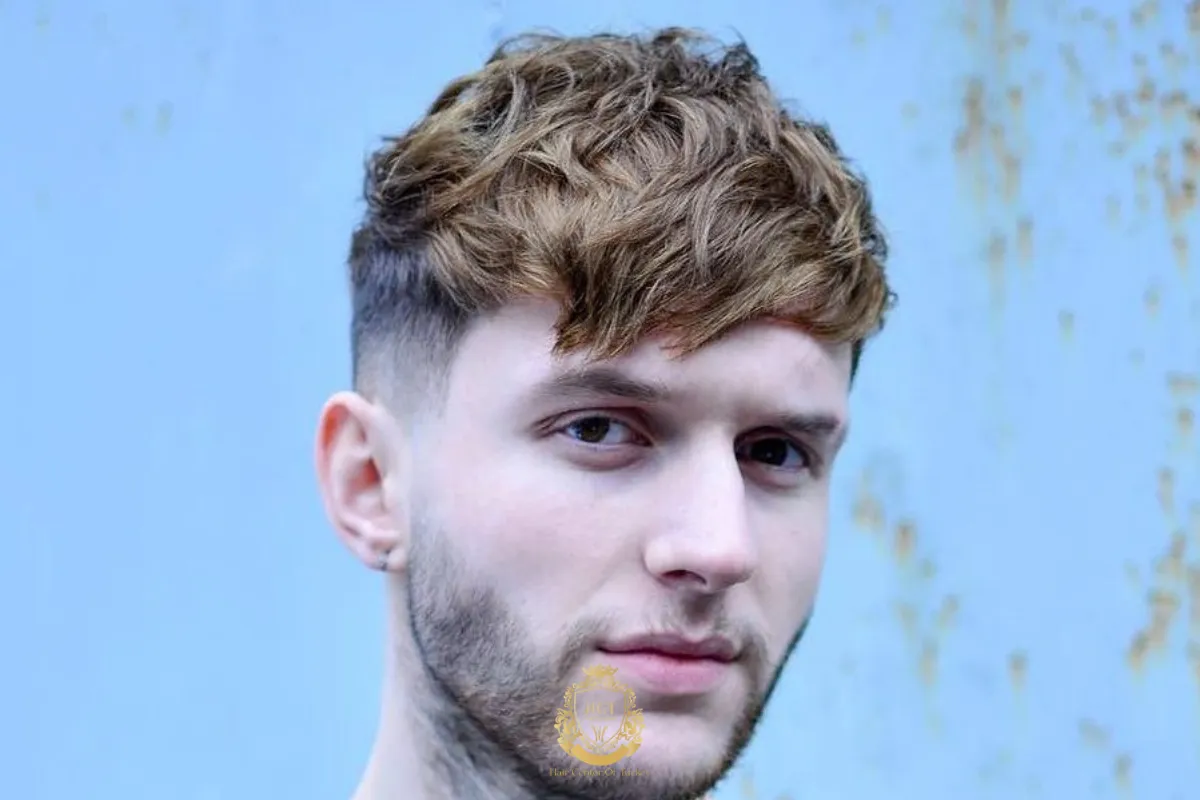
Textured Crop
A textured crop uses short, choppy layers to build density and reduce see-through at the front. It’s a strong option for fine hair and looks great with a low or mid fade.
Styling Tips For Receding Hairlines
Small styling choices can make a big difference, especially with fine hair or visible temples.
- Choose matte products. Shine can highlight thinning, while matte clays and pastes create a thicker-looking finish.
- Keep the cut clean. Regular trims help the shape stay intentional and stop the hairline area from looking messy.
- Use volume wisely. Blow-drying with light lift at the roots can add density without over-styling.
- Try hair fibers for special occasions. When used lightly, fibers can reduce scalp show-through in sparse areas.
- Balance with facial hair. A well-groomed beard or stubble can add structure and draw focus lower on the face.
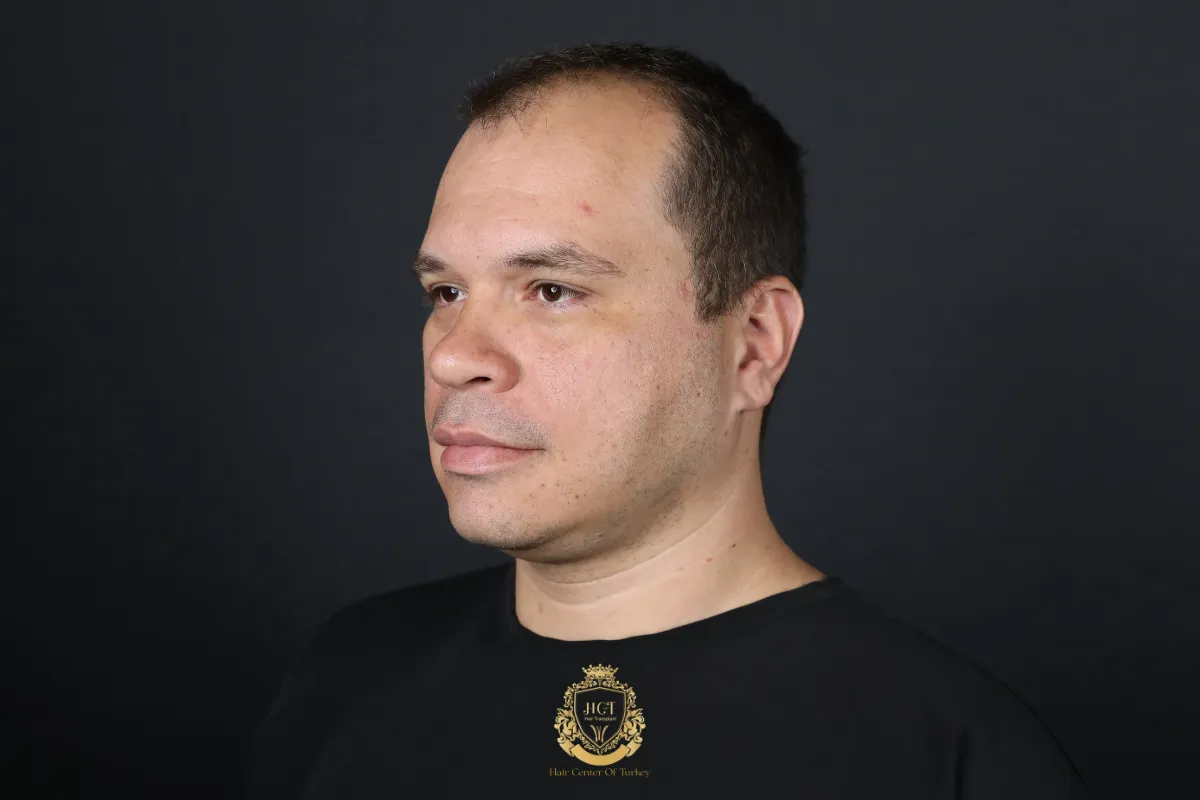
Advanced Solutions For Receding Hairlines
If you want longer-term options beyond styling, these are commonly discussed with a dermatologist or hair-restoration clinic. What’s right depends on your pattern of loss, medical history, and expectations.
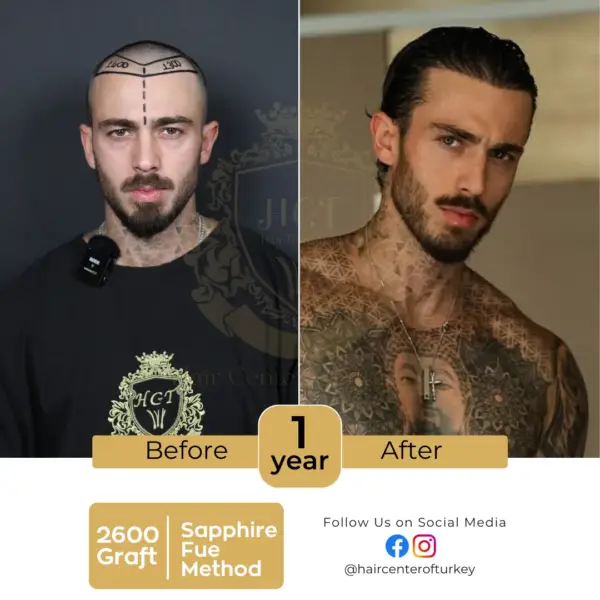
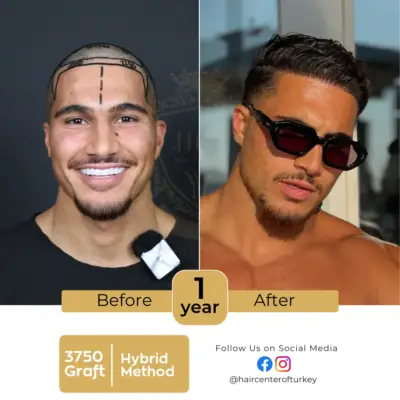
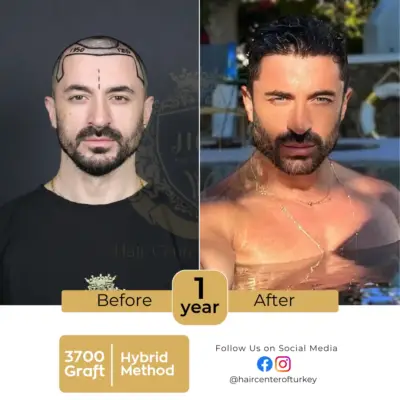
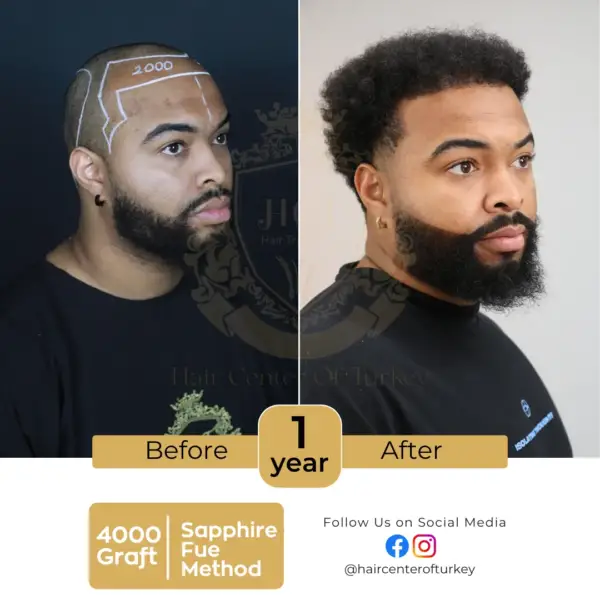
- Hair transplantation (such as FUE or DHI). These procedures relocate hair follicles to areas of recession for a natural-looking hairline when performed by an experienced team.
- Medications like minoxidil or finasteride. These are widely used for male pattern hair loss and may slow shedding or support regrowth for some men; a clinician can help you weigh benefits and side effects.
- PRP therapy. Platelet-rich plasma treatments aim to support follicle health and are often used alongside other approaches.
A receding hairline doesn’t have to limit your style options. With the right cut and a simple routine, you can keep your look sharp and consistent. If you’re considering medical or surgical treatments, speak with a qualified professional to get advice that matches your goals and hair-loss pattern. Hair Center of Turkey can also guide you through available options if you want an expert opinion.
FAQ
Can a haircut stop a receding hairline?
No. A haircut can’t stop hair loss, but it can make recession less noticeable by improving balance, texture, and proportion.
How often should I get a trim?
Most short styles look best with a trim every 4–6 weeks. If you wear a fade or a very clean outline, you may prefer closer to every 3–4 weeks.
Which products help a receding hairline look fuller?
Matte clays, pastes, and volumizing powders usually work well. Pair them with a lightweight shampoo and avoid heavy oils or high-shine gels that separate the hair.