



Contact Us for Detailed Information About Hair Transplantation and Free Consultancy!

What are the most effective hair loss treatments?

The most effective hair loss treatments today combine FDA‑approved medications and complementary therapies for best results. Topical minoxidil stimulates dormant follicles, while oral finasteride blocks DHT, slowing thinning and encouraging regrowth. 

Many dermatologists also recommend low‑level laser therapy devices, like laser caps, which enhance cellular energy in follicles. Combining treatments often yields better outcomes than single therapies alone, especially when used consistently over months. 

Results vary by age, genetics, and early intervention, but studies consistently show that these standard approaches help maintain and regrow hair for many users.

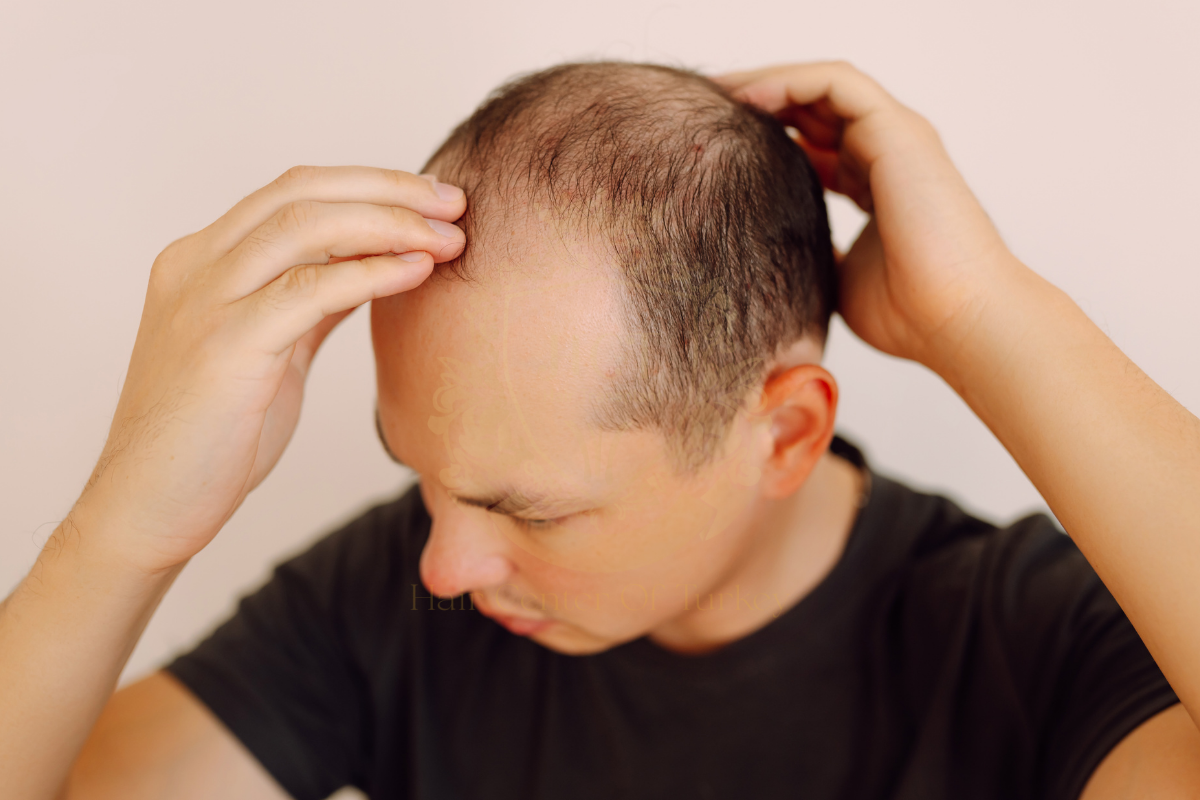
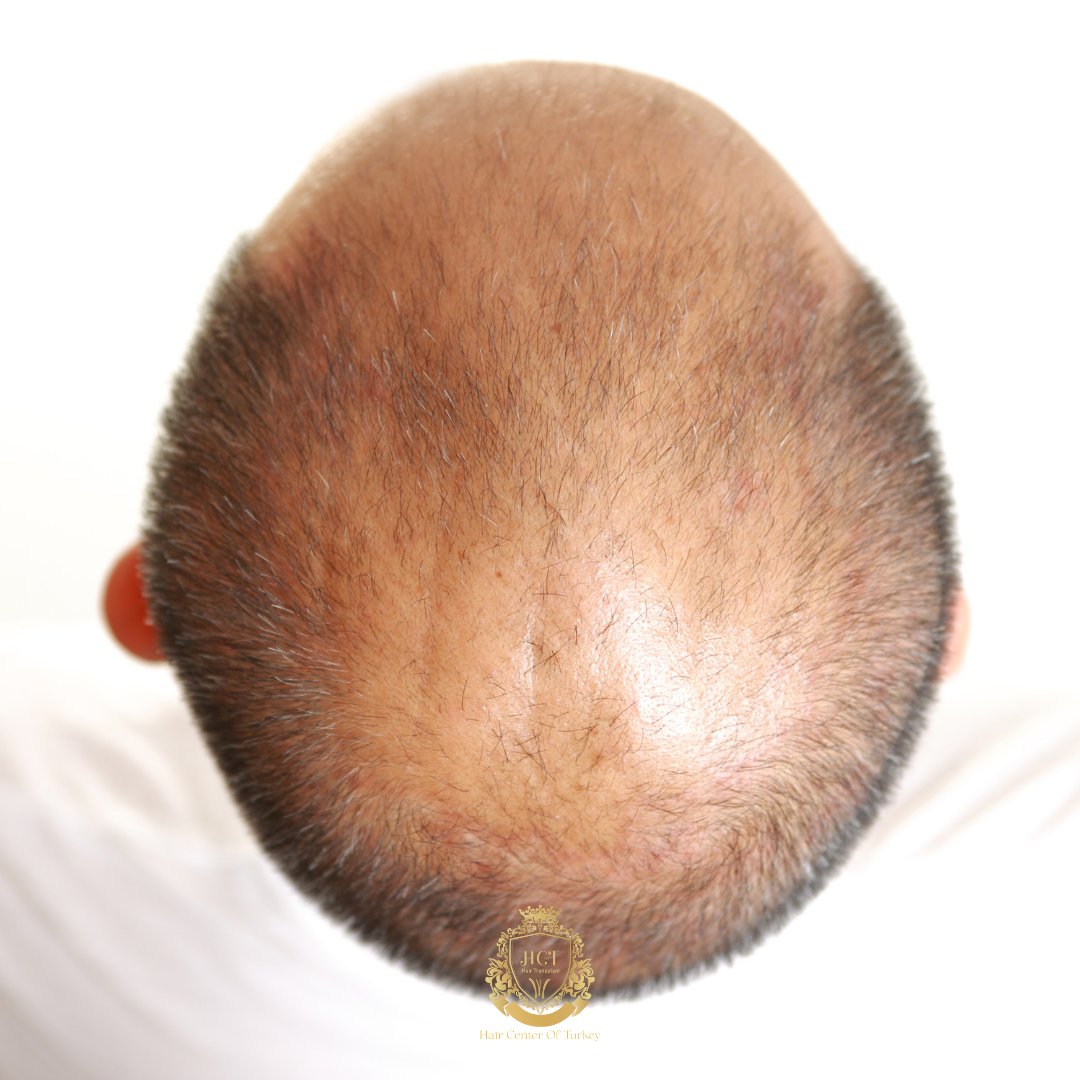
receding hairline

Are there any new FDA‑approved solutions for thinning hair?

Yes, new FDA‑approved solutions for thinning hair include innovative drug approvals and expanded indications. In 2024, Leqselvi (deuruxolitinib) became the first oral JAK inhibitor approved for alopecia areata, an autoimmune form of hair loss.

Additional drugs targeting androgenetic thinning are in late‑stage trials, including topical and oral formulations that may soon gain approval. These new options go beyond traditional minoxidil and finasteride by targeting different biological pathways. 

Continued research and regulatory progress mean more diverse, safe treatments should reach the market in the next few years, expanding choices for individuals with thinning.

What breakthroughs in hair regrowth technology are expected?

Significant breakthroughs in hair regrowth technology focus on regenerative and gene‑targeted therapies. Researchers are developing stem cell‑derived follicle regeneration techniques designed to rebuild hair‑forming units rather than just slow loss. 

Gene editing and delivery systems, including CRISPR‑based methods, may one day adjust the genetic drivers of thinning for permanent results. mRNA and exosome‑based therapies are also in early stages, promising more precise follicle stimulation with fewer side effects. 

These innovations remain mostly in clinical trials, but they indicate a future where hair restoration could shift from maintenance to actual renewal.

Can AI or personalized medicine help treat hair thinning now?

Yes, AI and personalized medicine can help treat thinning now by tailoring strategies to individual biology. Artificial intelligence tools analyze scalp images, genetics, and shedding patterns to recommend optimized routines and product combinations. 

Personalized approaches assess hormone profiles, nutrient status, and lifestyle factors, enabling clinicians to address root causes rather than one‑size‑fits‑all treatments. By integrating data from apps, trackers, and medical tests, personalized plans can adjust over time as conditions change. 

While AI doesn’t regrow hair on its own, it helps users choose the best evidence‑based treatments and avoid ineffective products faster.

What are dermatologists recommending for thinning hair?

Dermatologists recommend a combination of proven therapies tailored to each patient’s condition and goals. Minoxidil remains a foundation for many, as it stimulates follicles when applied consistently. 

Finasteride or similar hormone blockers are advised for eligible men and some women to reduce androgen‑related thinning. Many clinicians also use PRP (platelet‑rich plasma) to boost growth signals and pair it with microneedling for enhanced scalp response. Laser therapy devices are often suggested for non‑drug, low‑risk stimulation. 

Specialists emphasize patience, as visible improvement commonly takes 3–6 months with regular use and monitoring.

receding hairline

Are laser caps still effective for hair regrowth?

Yes, laser caps are still effective for regrowth when used consistently and correctly. These low‑level light therapy devices are cleared by the FDA to stimulate follicles by enhancing circulation and cellular energy. 

Laser caps work best when combined with medications like minoxidil or finasteride, especially for early to moderate thinning. Results vary, but clinical studies support modest increases in density and thickness over months of use. 

Many users prefer laser caps because they are non‑invasive and relatively low risk. Consistency and proper fit are key to seeing measurable improvement.

Has stem cell therapy for hair loss become more accessible?

Stem cell therapy for hair loss is not yet widely accessible as a standard treatment. While private clinics offer experimental regenerative procedures, most remain in research phases or clinical trials. 

These therapies aim to re‑activate or create new follicles using lab‑grown cells or signaling molecules. Cost, regulatory restrictions, and limited long‑term data mean availability is still limited. However, progress in biotechnology suggests accessibility may improve as protocols become standardized and approved. 

People interested in stem cell solutions should consult dermatologists and verify credentials before pursuing experimental treatments.

What are the best natural remedies for thinning hair?

The best natural remedies support scalp health and overall growth, but they usually don’t match medical treatments in effectiveness.

  • Balanced nutrition: Ensure sufficient protein, iron, zinc, biotin, and omega‑3 fatty acids to nourish follicles.
  • Scalp massage: Regular gentle massage increases circulation and may stimulate follicles.
  • Reduce stress: Chronic stress can worsen thinning, so practices like meditation and exercise help.
  • Gentle hair care: Avoid tight styles, heat damage, and harsh chemicals that weaken strands.

These remedies complement clinical treatments for better overall results and hair quality.

Is PRP (Platelet‑Rich Plasma) therapy still popular?

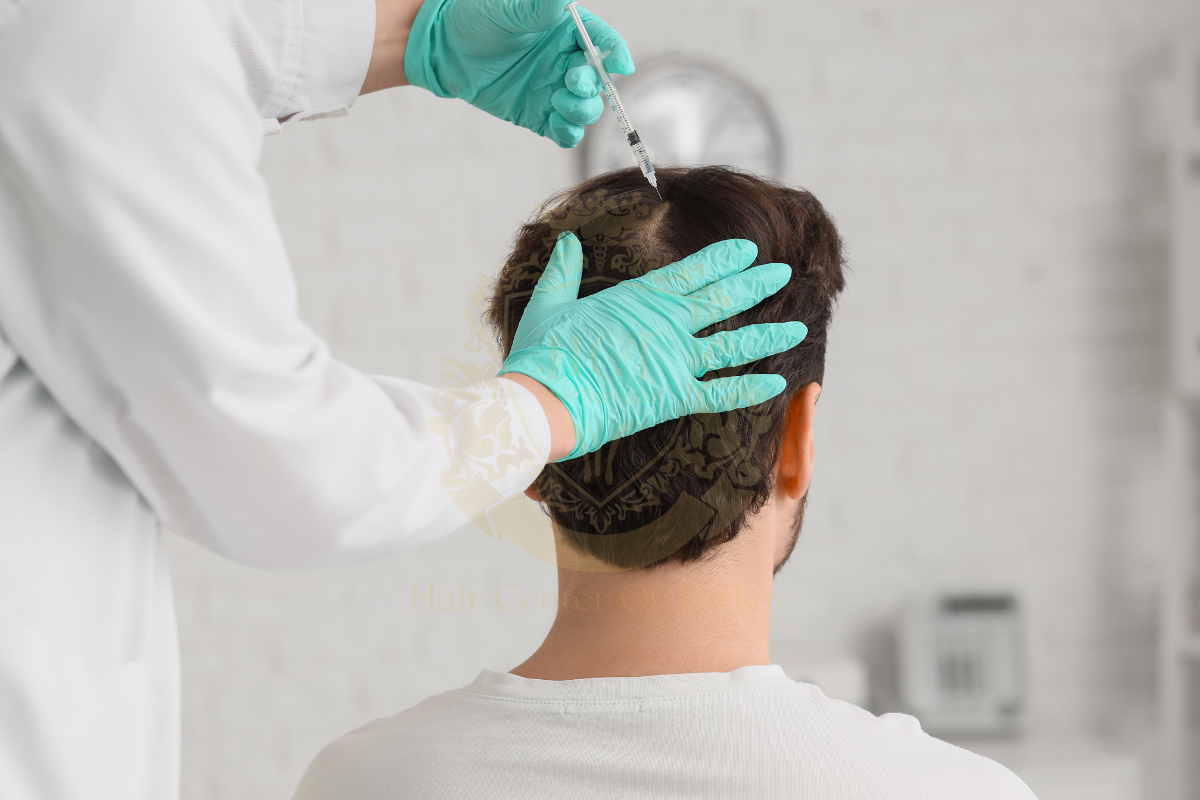
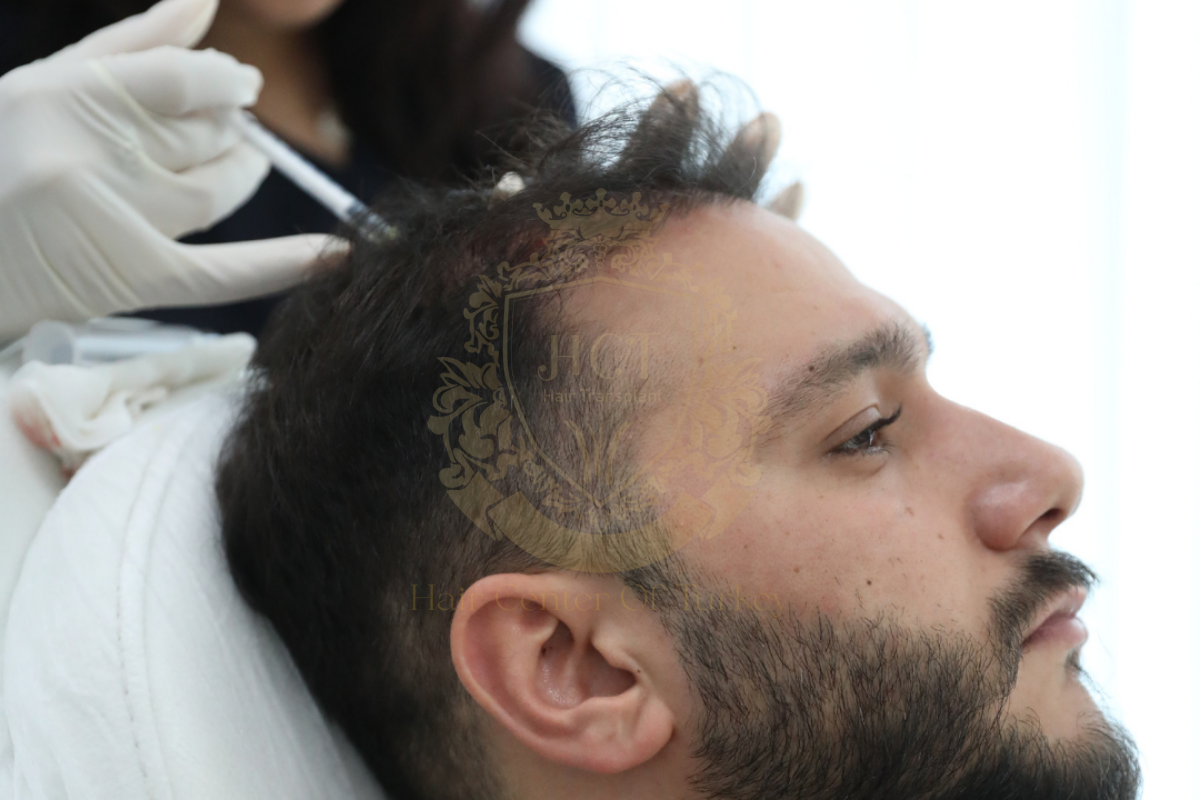
Yes, PRP therapy remains a popular, doctor‑recommended option to support thicker, stronger hair. PRP uses a patient’s own blood platelets, spun into a concentrated solution, then injected into the scalp to encourage follicle activation. 

Many clinicians combine PRP with microneedling to enhance growth signals and improve scalp responsiveness. While results vary by individual, studies show PRP can increase density and thickness, especially in early stages of thinning. 

It’s considered safe with minimal side effects when performed by trained professionals. Consistent sessions over several months are typically needed for noticeable improvement.

receding hairline

How does hormone therapy impact hair loss treatment?

Hormone therapy can significantly affect hair loss treatment, especially when imbalances drive thinning. In androgenetic thinning, medications that reduce dihydrotestosterone (DHT) can slow or reverse follicle miniaturization in many men and some women. 

For women with hormonal conditions like PCOS or menopause‑related shifts, balancing estrogen and androgen levels can reduce shedding. Hormone replacement or modulation must be monitored by medical professionals, as systemic effects can influence other health systems. 

When tailored properly, hormone therapy can support regrowth and complement topical and device‑based treatments.

Can nutrition apps or trackers help with hair health?

Yes, nutrition apps and trackers can help improve overall hair health. These tools monitor intake of key nutrients like protein, iron, zinc, vitamins D and B complex, and healthy fats all essential for follicle function. 

By revealing deficiencies, trackers empower users to adjust diets or add targeted supplements under professional guidance. Logging meals also encourages consistent, balanced eating, which supports scalp health and growth cycles. 

While trackers don’t directly regrow hair, they optimize internal conditions that enable medical treatments to work more effectively and may prevent nutrient‑related shedding.

Are there any new side effect–free alternatives to minoxidil or finasteride?

New side effect‑free alternatives to minoxidil and finasteride remain limited but emerging. Low‑level light therapy caps and combs offer non‑pharmaceutical stimulation with minimal adverse reactions. 

Some botanical compounds and supplements claim benefits, but evidence is weaker and more variable. Ongoing research explores topical peptides and small molecules designed to activate growth pathways without systemic effects. While promising, these alternatives generally show modest results compared to standard treatments.

People who cannot tolerate minoxidil or finasteride should consult a dermatologist to find safe, personalized regimens that balance effectiveness with minimal side effects.

What daily habits should I adopt to prevent further hair thinning?

Adopting healthy daily habits can help slow thinning and support treatment effectiveness. Eat a balanced diet with sufficient protein, vitamins, and minerals. Hydrate well and avoid extreme calorie restriction. 

Manage stress through regular exercise, meditation, or relaxation practices. Sleep 7–9 hours nightly to support cellular repair and hormonal balance. Use gentle shampooing and conditioning, avoiding harsh chemicals, excessive heat, and tight hairstyles that strain follicles. 

Protect your scalp from sun damage with hats or SPF sprays. These habits cannot fully prevent genetic hair loss but strengthen overall scalp and strand health.

How long does it take to see results from new hair regrowth treatments?

Most hair regrowth treatments take time, with results typically appearing within 3 to 6 months. Medications like minoxidil and finasteride require consistent daily use, and early progress often starts with reduced shedding before visible thickening. 

Laser therapy devices also need regular use, usually multiple times per week, before noticeable improvement. Experimental or emerging treatments in trials may take longer as protocols vary.

Patience is essential, as natural hair growth cycles are slow. Tracking progress with photos and measurements helps users stay motivated while waiting for results.

What are the signs that a treatment is not working anymore?

Signs that a treatment is not working include persistent shedding, plateaued improvement, or worsening thinning after consistent use. If you follow the regimen faithfully for at least 6 months without reduced shedding or increased density, the current approach may be ineffective. 

Other signs include scalp irritation, discomfort, or unexpected side effects that outweigh benefits. A lack of change in hair texture, thickness, or coverage over time suggests it’s time to consult a dermatologist. Professionals can reassess your diagnosis, adjust protocols, and recommend complementary or alternative options.

Are hair transplants safer or more advanced?

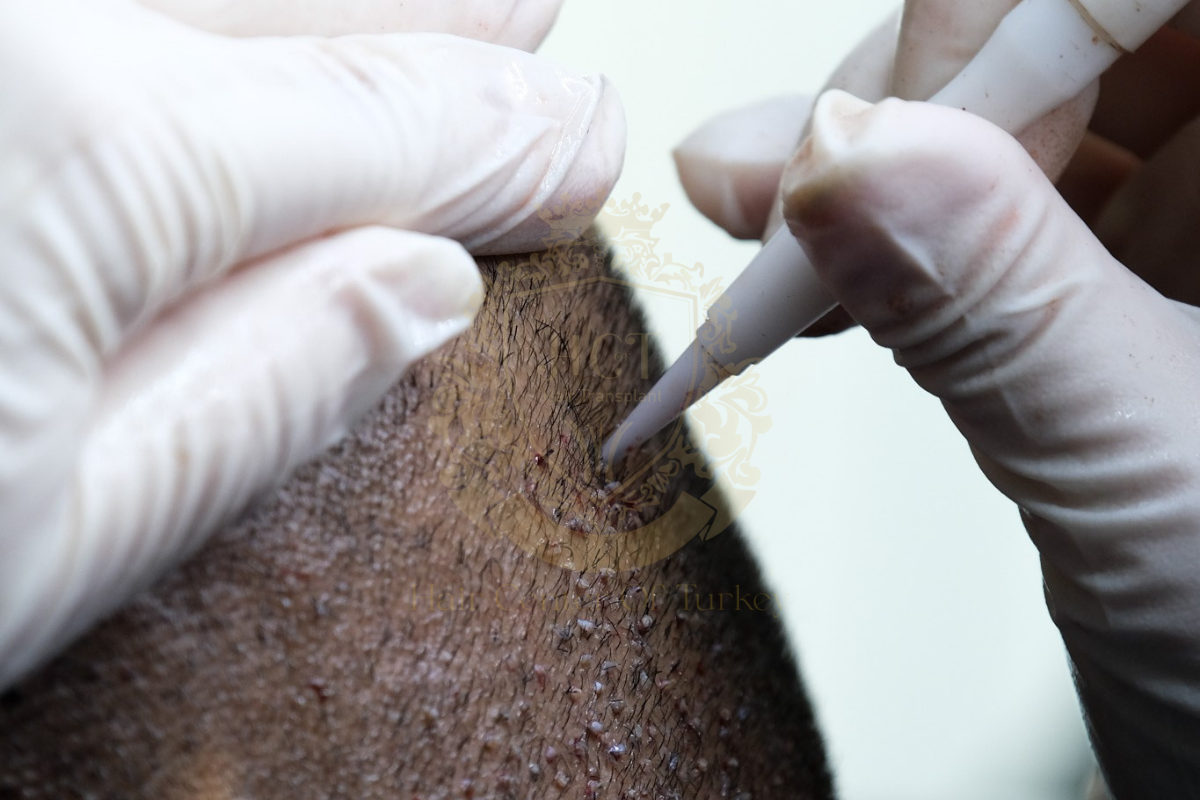
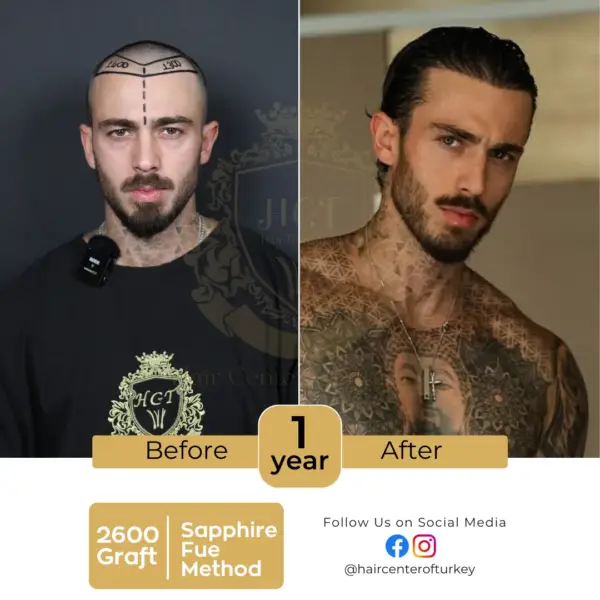
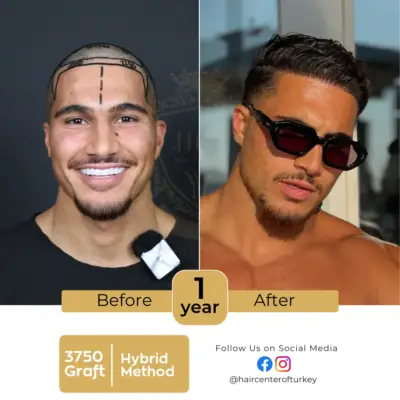
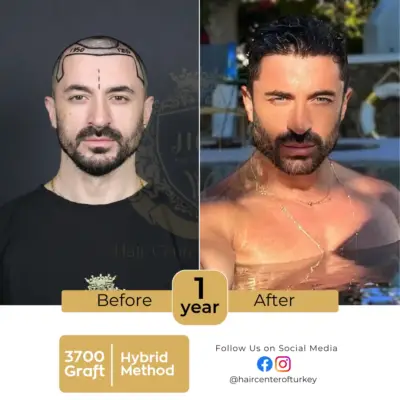
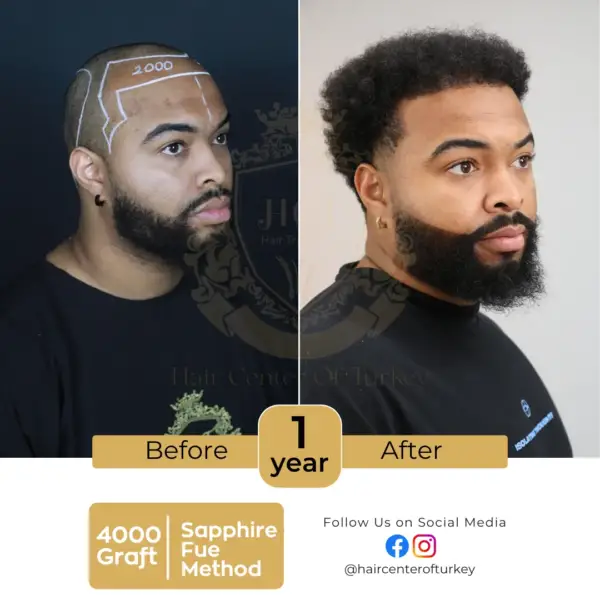
Yes, hair transplant procedures are safer and more advanced than ever before. Innovations like robotic assistance, FUE (follicular unit extraction), and AI‑guided planning enable precise graft placement with minimal scarring. 

Improved donor harvesting techniques increase graft survival and natural appearance while reducing recovery time. Advanced imaging helps surgeons predict growth patterns, ensuring results that mimic natural hairlines. Safety protocols and sterile environments minimize infection risks and complications. 

Although costs remain high for many people, modern transplants offer long‑lasting, natural results when performed by experienced specialists.

receding hairline

Frequently Asked Questions

Yes, once you stop using minoxidil, regrown hair typically begins to shed again within 3 to 6 months.

Hair loss can’t always be fully stopped, but early treatment can slow it down and support new hair growth.

The best time to start treatment is as soon as thinning is noticed, often in your 20s or early 30s.

Finasteride is mainly for men; in women, it’s only prescribed under medical supervision for specific conditions.

PRP works best in early-stage hair loss but doesn’t guarantee the same results for every person.

Our Before & Afters

Watch our video to examine dozens of hair transplant before and results.

Turkey Hair Transplant Before and After

Hair transplant Turkey before and after are the first things that people who are considering hair transplantation are curious about. Click the button to browse this and more.

Turkey Hair Transplant Before & After

Before and after images of hair transplantation are the first things that people who are considering hair transplantation are curious about. Click the button to browse this and more.

neo hair transplantNeo Hair Transplant Guide – How It Works, Benefits & Who’s a Candidate
About the Author: Dr. Rasime Erkan
rsme erkn
Dr. Rasime Erkan was born in Kayseri and moved to Istanbul at the age of two, where she completed her education. She graduated from Istanbul Faculty of Medicine in 1981 and began her professional career at a private hospital in Istanbul. She completed her specialization at the Department of Dermatology, Istanbul Faculty of Medicine, successfully passing her board certification exam in 1988. Throughout her career, Dr. Erkan has provided dermatological treatment to over 8,000 patients and has trained dozens of doctoral students. Since 2015, she has been working at the Hair Center of Turkey clinic, where she has organized and supervised more than 1,000 hair transplant operations. Additionally, she has reinforced her expertise by providing dermatological treatment to numerous patients following their hair transplant procedures. With her extensive knowledge in the diagnosis and treatment of dermatological diseases, Dr. Rasime Erkan continues to make valuable contributions to the clinic.
11/12/2025Blog, Hair Loss