





Afro Hair Types 4A, 4B & 4C
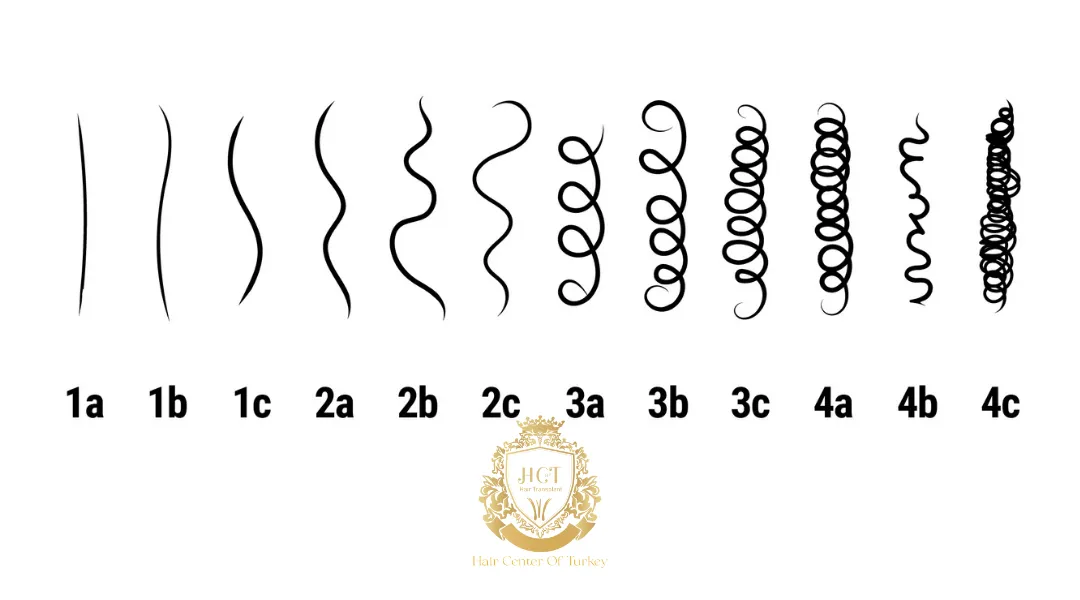
Type 4 hair is coily and naturally prone to dryness and shrinkage. 4A hair has springy, defined S-shaped coils, 4B forms tighter zig-zag bends, and 4C has the tightest coils with the most shrinkage. A routine built around gentle cleansing, deep conditioning, and protective styling helps keep all three healthy.
What Are The Different Afro Hair Types?
Most curl typing systems group afro-textured hair under Type 4, known for tight coils, noticeable shrinkage, and a tendency toward dryness. Within Type 4, the pattern is often described as 4A, 4B, or 4C. Many people have more than one pattern on the same head, so these labels work best as a practical guide
Type 4A Hair
4A hair forms small, springy coils that usually look like a defined “S” pattern. It often responds well to water-based leave-ins and curl creams. Even so, it can still dry out quickly if it is not sealed with an oil or butter.
Type 4B Hair
4B hair tends to bend in sharper angles, creating a zig-zag or “Z” pattern with less visible definition. It usually looks fuller and can feel more cottony in texture. Moisture retention can be harder, so layering hydration and using richer stylers often helps.
Type 4C Hair
4C hair has very tight coils with minimal natural definition unless it is stretched or styled. It typically experiences the most shrinkage and can be more fragile during detangling. Gentle handling, consistent conditioning, and low-manipulation styles are key for length retention.
How Can You Identify Your Afro Hair Type At Home?
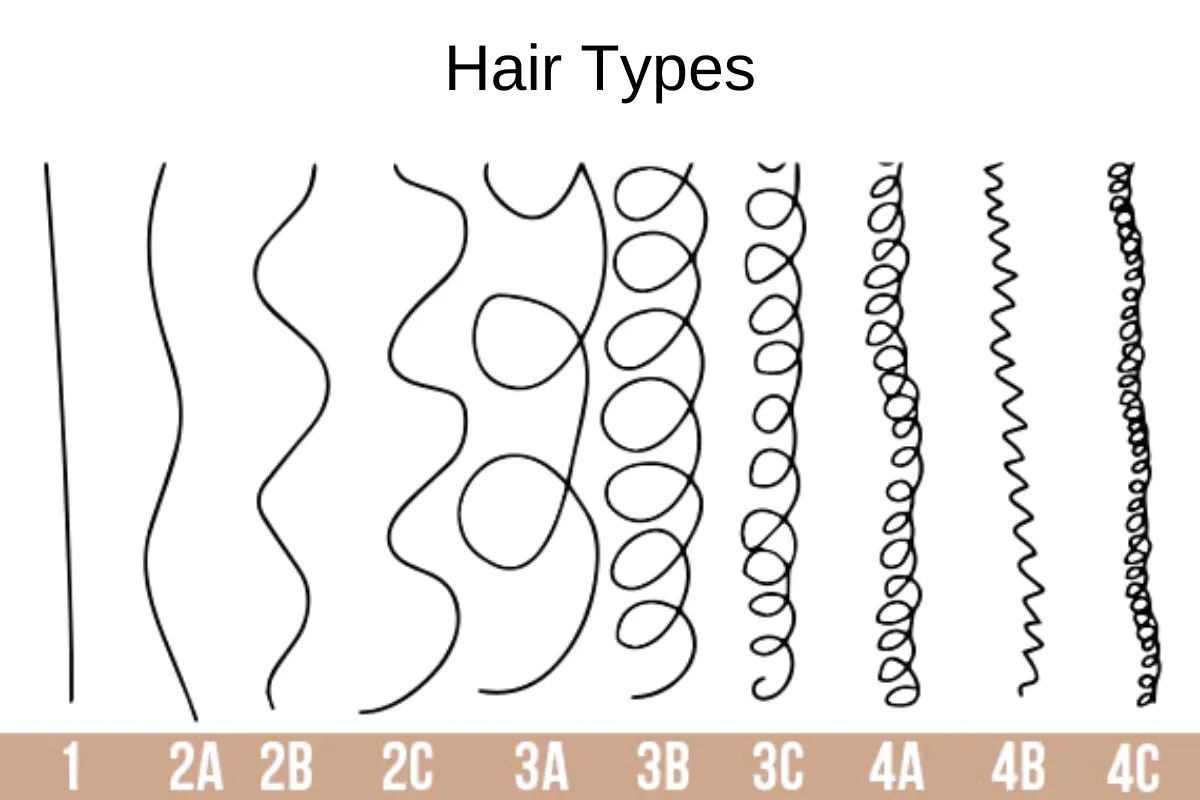
The easiest way to identify your pattern is to look at your hair in its clean, product-free state. Heavy gels, stretch methods, and heat styling can mask what your coils naturally do.
- Wash and condition, then let your hair air-dry without heavy creams or gels.
- Look closely at a few sections: do you see an S-shaped coil, a zig-zag bend, or very tight micro-coils?
- Notice shrinkage: tighter patterns usually shrink more from wet to dry.
- Pay attention to feel and density, but prioritize the curl pattern—texture can vary within the same type.
What Are The Unique Characteristics Of Each Afro Hair Type?
Each type has its own strengths and care needs, but all benefit from moisture, slip for detangling, and protection from friction. Use these traits to fine-tune your routine rather than chasing a perfect label.
- Type 4A: Often shows definition easily, responds well to lighter products, and usually has slightly less shrinkage than 4B and 4C.
- Type 4B: Big volume with less visible definition, benefits from thicker creams/butters, and often needs extra help with tangles.
- Type 4C: Highest shrinkage and the most delicate strands, does best with low manipulation, regular conditioning, and protective styling.
What Are The Best Hair Care Practices For Afro Hair Types?
A solid Type 4 routine focuses on keeping the hair hydrated, reducing breakage, and protecting the ends. Small changes—like gentler detangling or a better wash day sequence—often make the biggest difference.
Moisturize consistently: Use a water-based leave-in after washing, then seal with an oil or butter if your hair needs it.
Cleanse gently: Choose sulfate-free or low-lather cleansers so your hair stays clean without feeling stripped.
Deep condition regularly: A weekly or biweekly deep conditioner improves softness, elasticity, and manageability.
Detangle with slip: Work in sections on damp hair using conditioner, a wide-tooth comb, or your fingers.
Limit heat and tension: High heat and tight styles can weaken coils and lead to breakage around the edges and ends.
What Are Common Challenges For Afro Hair And How Can You Overcome Them?
Type 4 hair challenges are usually about moisture and mechanical damage, not “bad” hair. When you address dryness, shrinkage, and breakage with the right techniques, styling gets easier and length retention improves.
Dryness: Hydrate first, then seal. Many people do well with LOC (Liquid, Oil, Cream) or LCO (Liquid, Cream, Oil).
Shrinkage: Shrinkage is normal and healthy. If you want more length, try banding, twist-outs, braids, or gentle stretching after moisturizing.
Breakage: Reduce manipulation, detangle slowly in sections, and keep ends protected with buns, twists, or braids.

How Can You Create A Hair Care Routine Based On Your Afro Hair Type?
Start with the same foundation for all Type 4 hair: gentle cleansing, conditioning, moisture, and protection. Then adjust product weight, styling choices, and how often you refresh based on how your hair behaves.
Routine Tips For 4A Hair
Prioritize hydration and definition with lighter leave-ins and curl creams. Wash-and-go styles often work well when you apply product on soaking-wet hair and avoid rough towel drying.
Routine Tips For 4B Hair
Lean into moisture and softness with richer creams or butters, especially on the ends. Stretch styles like braid-outs and twist-outs can reduce tangles and help you manage volume.
Routine Tips For 4C Hair
Focus on low manipulation and protection. Keep detangling sessions gentle and spaced out, and use styles that reduce daily handling, like twists, braids, or updos.
Popular Hairstyles For 4A, 4B, And 4C Hair
The best style is the one that fits your lifestyle and keeps your hair from drying out or breaking. If a style causes pain, tightness, or shedding around the hairline, it is too much tension.
- 4A hairstyles: Wash-and-go, twist-outs, flexi-rod sets, loose pineapple updos.
- 4B hairstyles: Bantu knots, braid-outs, fluffy afros, stretched twist-outs.
- 4C hairstyles: Protective styles like box braids, twists, wigs with proper care, and defined twist-outs using richer creams.
Ingredients And Products That Usually Work Well For Type 4 Hair
Choosing products is easier when you focus on function: hydration, slip, sealing, and scalp comfort. Your hair’s porosity and climate matter too, so use the list below as a starting point.
- Hydrators: aloe vera, glycerin, panthenol, honey-based humectants (great in moderate humidity).
- Conditioning agents for slip: behentrimonium methosulfate, cetrimonium chloride, fatty alcohols like cetyl and stearyl alcohol.
- Sealers and emollients: jojoba oil, argan oil, avocado oil, shea butter, mango butter.
- Protein (use as needed): hydrolyzed proteins or amino acids can help if hair feels overly soft or weak.
What Products Should You Avoid For Afro Hair Types?
Some ingredients are not “bad” in every situation, but they often cause problems for Type 4 hair because they strip moisture or build up quickly. If your hair feels dry right after washing or products sit on top of your strands, check for these common culprits.
- Harsh sulfates (like SLS/SLES): can strip natural oils and leave coils feeling rough.
- Heavy, non-water-soluble silicones: can create buildup that is hard to remove without stronger cleansers.
- Drying alcohols (like denatured alcohol or isopropyl alcohol): can make textured hair feel brittle over time.
When in doubt, prioritize a gentle cleanser, a conditioner with good slip, and a leave-in that keeps your hair soft for at least a full day.
FAQs
Can your hair type change over time?
Yes. Hormonal changes, heat damage, chemical processing, and long-term styling habits can affect curl definition and how your hair behaves. A healthy routine often brings back definition that looked “lost” after damage.
How often should you wash Type 4 hair?
Many people do well with weekly washing, especially if they use styling products or have an oily scalp. If your hair stays hydrated and your scalp is comfortable, every 10–14 days can also work.
Does 4C hair grow slower than other types?
No. 4C hair grows at a similar rate, but tight coils and fragility can make length retention harder. Reducing breakage is usually what makes growth visible over time.
Do trims help Type 4 hair grow?
Trims do not speed up growth from the scalp, but they help prevent split ends from traveling up the hair shaft. For many people, trimming every 8–12 weeks (or as needed) improves overall length retention.
What is the LOC method?
LOC stands for Liquid, Oil, Cream. After washing, apply a water-based leave-in, then an oil to seal, then a cream to add softness and hold. If your hair feels weighed down, try LCO instead, ending with a lighter oil.