What is salt-free shampoo and what are its effects?
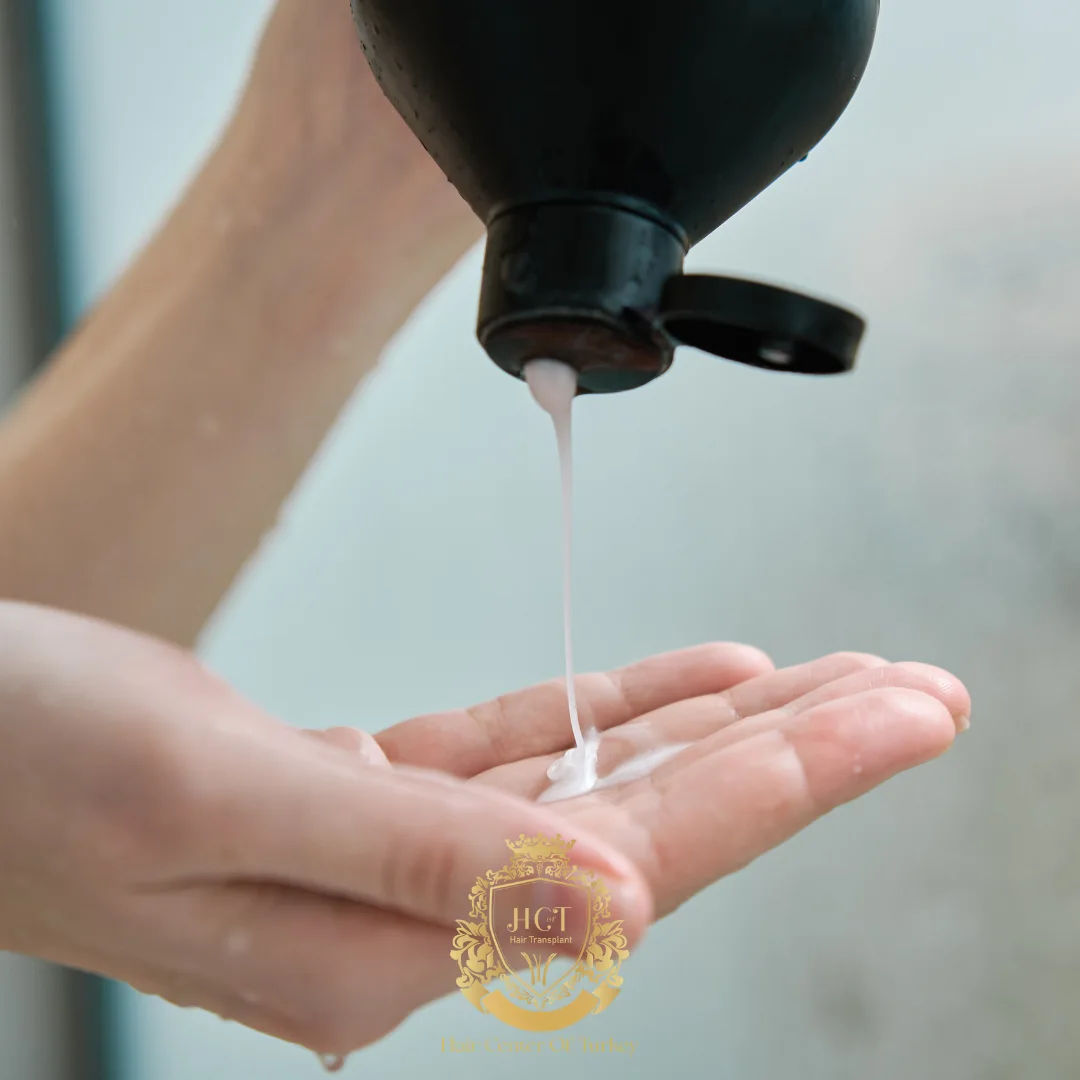
Salt-free shampoo is shampoo that does not contain sodium chloride (table salt), an ingredient often used to thicken formulas. By eliminating salt, these shampoos are gentler on dry, color-treated, or chemically straightened hair and can help reduce frizz, dryness, and scalp irritation, especially after keratin treatments or Brazilian Blowouts.
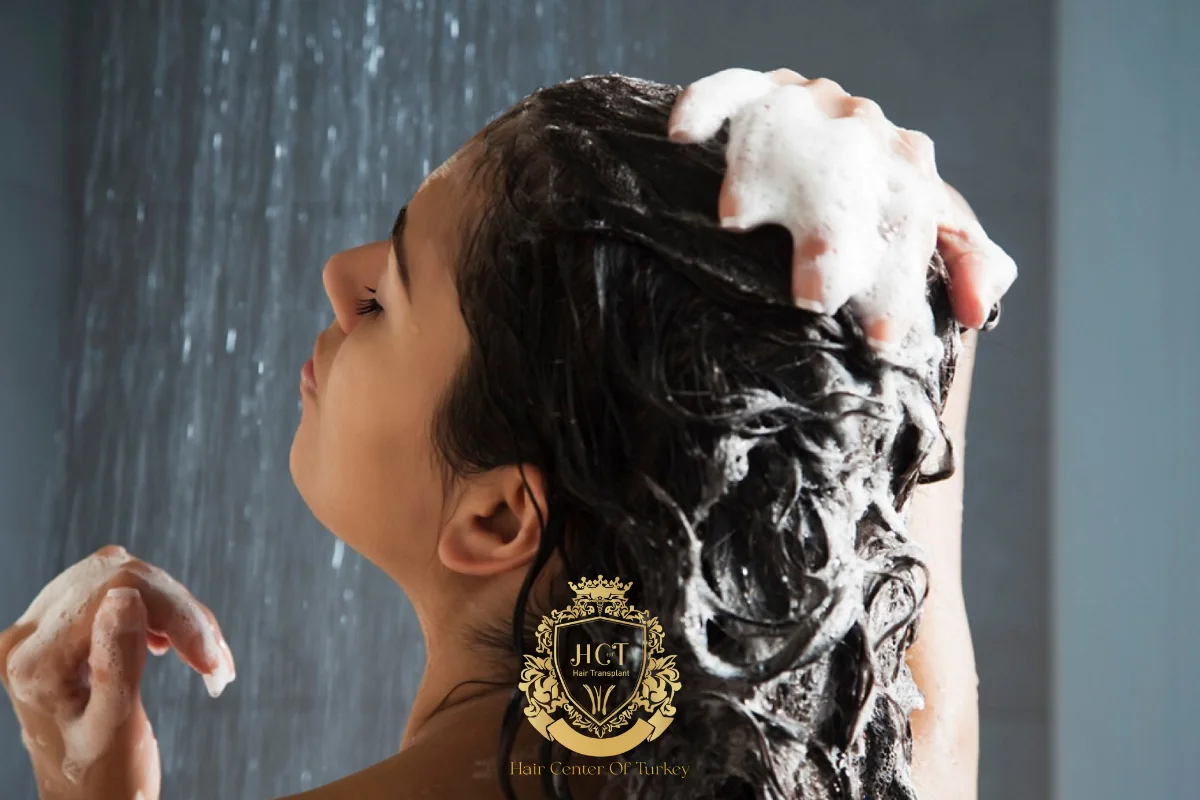
Table of Contents
What does “salt-free” mean in shampoo?
In hair care, “salt-free” usually means that the product does not contain added sodium chloride. Sodium chloride is not used to clean hair, but is mainly added to regulate thickness and texture in many shampoos.
For some people, salt can make hair rougher or drier over time, especially if it is already porous due to coloring, heat styling, or chemical treatments.
Salt-free vs. sulfate-free: not the same thing
Salt-free means there is no sodium chloride. Sulfate-free means there are no sulfate-based detergents such as sodium lauryl sulfate (SLS) or sodium laureth sulfate (SLES).
A shampoo can be salt-free and still contain sulfates, or sulfate-free and still contain salt. If you have a sensitive scalp or very dry hair, it may be helpful to check for both of these.
What does salt-free shampoo do for hair and scalp?
Salt-free formulas are designed to cleanse without stripping the hair fiber of its moisture. Many contain gentler cleansing agents and added conditioners to keep hair softer and easier to comb.
On the scalp, they may be more suitable for people who experience tightness, itching, or flaking when using stronger, more drying shampoos.
Benefits of salt-free shampoo
Cleans without drying out hair
By avoiding sodium chloride and often pairing it with gentler cleansers, salt-free shampoo can help hair retain its natural oils. This can mean less dryness and less frizz, especially for coarse or damaged hair.
Helps protect hair color
Color-treated hair tends to be more porous. A gentler washing routine can help keep color vibrant longer and reduce that dull, faded look that can occur with frequent washing.
Supports keratin and smoothing treatments
Salt can reduce the longevity of some smoothing treatments, leaving hair drier and prone to frizz. After keratin or Brazilian Blowout treatments, it is often recommended to use a salt-free shampoo to help maintain the smooth finish.
More comfortable for sensitive scalps
If you have a sensitive scalp, a sodium chloride-free formula may be less irritating. Results depend on the full list of ingredients, so it’s still helpful to avoid known triggers such as strong fragrances or harsh cleansers.
Adds softness and shine
When hair retains moisture, the cuticle lies flatter. This tends to increase shine and makes hair smoother along its length and at the ends.
Can reduce frizz
Frizz is often caused by dryness and raised cuticles. Salt-free shampoos can help moisturize and smooth hair, especially when paired with a conditioner or mask.
Who should use salt-free shampoo?
Salt-free shampoo is suitable for most hair types, but is particularly recommended for:
- People who have had keratin treatments, straightening treatments, or Brazilian Blowouts
- Hair that has been colored, including highlights and balayage
- Hair that is dry, curly, frizzy, or damaged by heat
- Sensitive scalps prone to itching or tightness
Who might not need it
If your scalp is very oily or you use a lot of styling products, you may find that it is better to use a stronger cleanser from time to time. In this case, a daily salt-free shampoo can still work well, using a purifying shampoo occasionally to prevent residue build-up.
How to choose a good salt-free shampoo
- Check the list of ingredients for “sodium chloride.” If it is present, the product is not salt-free.
- Look for gentle cleansers (often labeled “mild” or “for sensitive scalps”).
- If you have dry skin, choose moisturizing ingredients: glycerin, panthenol, aloe, oils, or ceramides.
- If you have had a keratin treatment, choose a formula recommended for post-treatment care and avoid harsh sulfates, unless your hairdresser advises otherwise.
- Fragrances can be a trigger for some scalp types, so if you are prone to irritation, consider fragrance-free products.
How to use salt-free shampoo for best results
- Wet hair thoroughly. Use lukewarm water to avoid excessive dryness.
- Massage the scalp for 30-60 seconds, then rinse well. Concentrate the shampoo on the roots, not the ends.
- If not much lather forms, this is normal with gentler formulas. A second quick wash may help if your hair is very oily.
- Follow with conditioner, concentrating on the lengths and ends.
- Use a clarifying shampoo every 1-4 weeks if you notice heaviness or buildup (frequency depends on hair type and products used).
Frequently Asked Questions
What does “salt-free” mean in shampoo?
Salt-free means no added sodium chloride thickeners, reducing dryness and color fading.
What is the purpose of sulfate-free shampoo?
Sulfate-free shampoo cleanses more gently, reducing irritation, dryness, and discoloration.
Why do shampoos have salt in them?
Salt thickens shampoo, regulates viscosity, and can increase foaminess in some formulas.
How often should you use a sulfate-free shampoo?
Use a sulfate-free shampoo every time you wash your hair; every day or every other day is fine for most people.
Who should not use sulfate-free shampoo?
People with heavy product buildup or very oily scalps may need occasional sulfate cleansers.
Explore the complete guide: Hair Care and Products