

Hair Colors That Suit Fair Skin
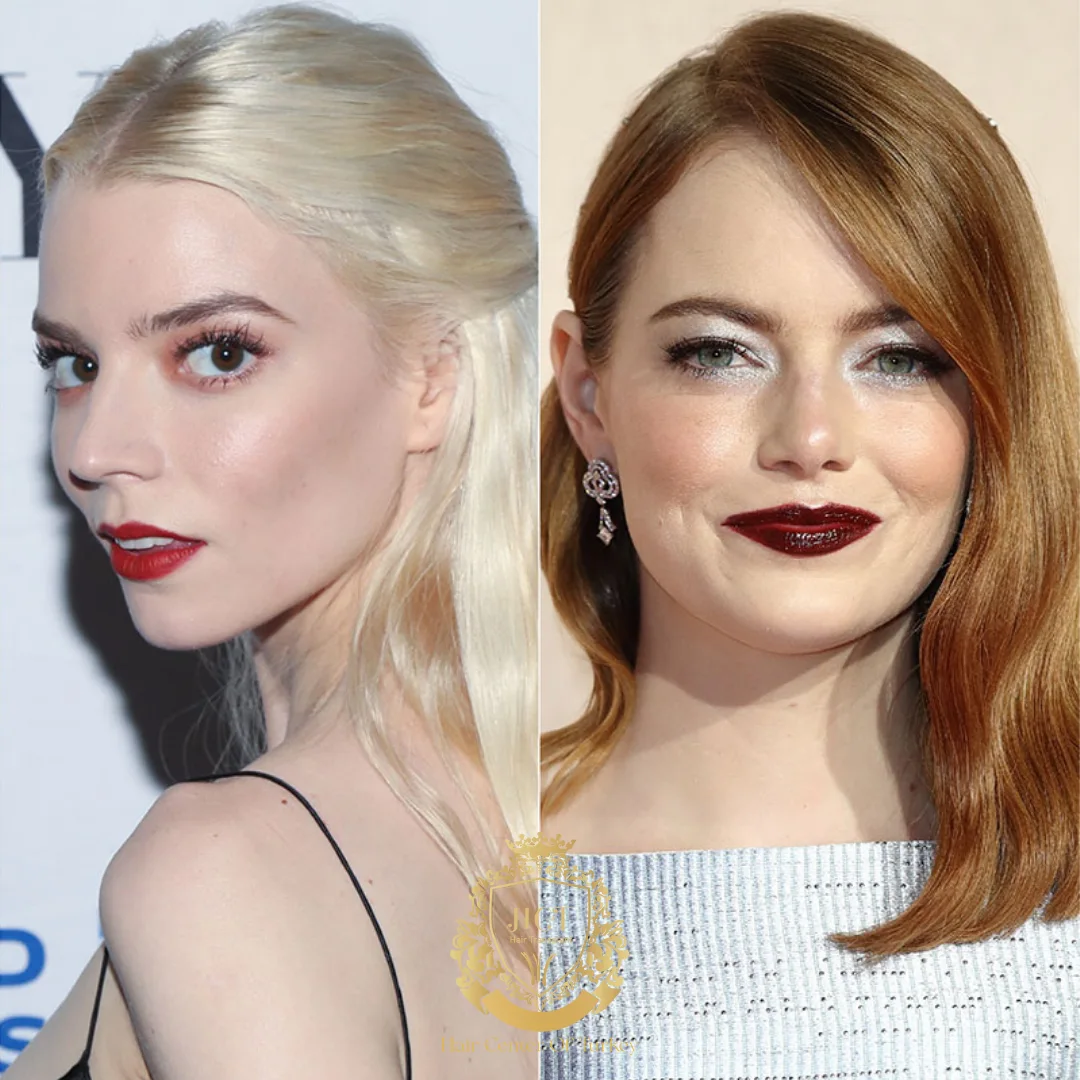
The best hair colors for fair skin depend on your undertone. Cool undertones tend to shine with ash, platinum, and icy browns. Warm undertones look most natural with honey, caramel, and soft copper. Neutral undertones can wear both—aim for balanced tones and the right depth to keep your complexion bright.
Table of Contents
Quick Guide: Undertone First, Shade Second
Fair skin can be cool, warm, or neutral. Once you know your undertone, choosing a flattering shade gets much easier. Eye color and how much contrast you like (soft vs. bold) help you pick the right depth.
How to Find Your Undertone
1) Vein test
Check the veins on the inside of your wrist in natural light. Blue or purple usually points to a cool undertone. Greenish veins often signal a warm undertone. If you see both, you’re likely neutral.
2) Jewelry test
Notice whether silver or gold looks more “right” on you. Silver typically flatters cool undertones, while gold suits warm undertones. If both work equally well, that’s a strong neutral sign.
3) Sun reaction
If you burn quickly and rarely tan, you often lean cool. If you tan more easily (even with a fair complexion), you may lean warm. A mix of both reactions is common for neutral undertones.
Best Hair Colors for Cool Undertones
Cool undertones usually look freshest with smoky, beige, or icy tones that soften visible redness. Choose shades with “ash,” “pearl,” “ice,” or “cool” in the name.
Blonde shades for cool undertones
Platinum blonde, pearl blonde, and ash blonde are classic matches. If you want something lower-maintenance, try dark ash blonde or a cool beige balayage that keeps some depth at the roots.
Brunette shades for cool undertones
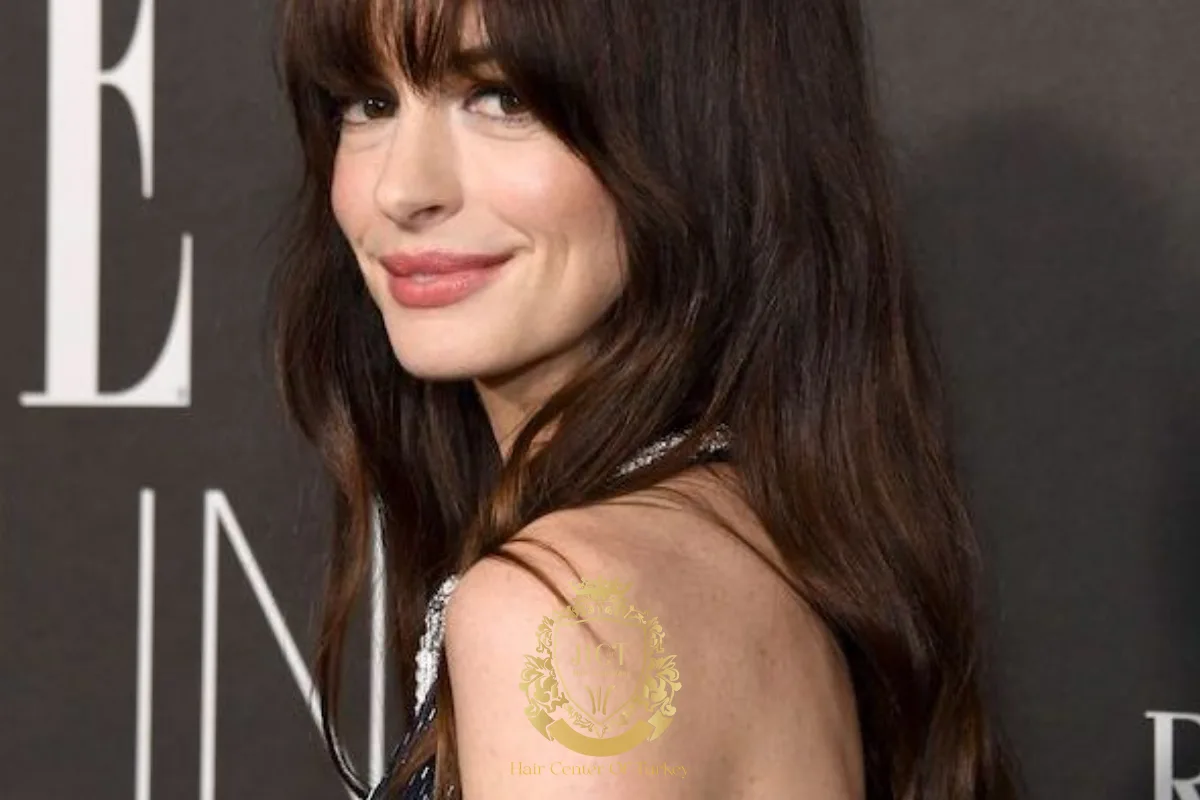
Icy brown, mushroom brown, and ash light brown keep the complexion clear. For deeper looks, cool chocolate or espresso can work well when you add a soft, cool-toned highlight to avoid harshness.
Creative options
Cool pink, lavender-grey, and smoky lilac can look surprisingly wearable on fair, cool skin. Ask for a glaze or toner-based approach so the color fades evenly.
Best Hair Colors for Warm Undertones
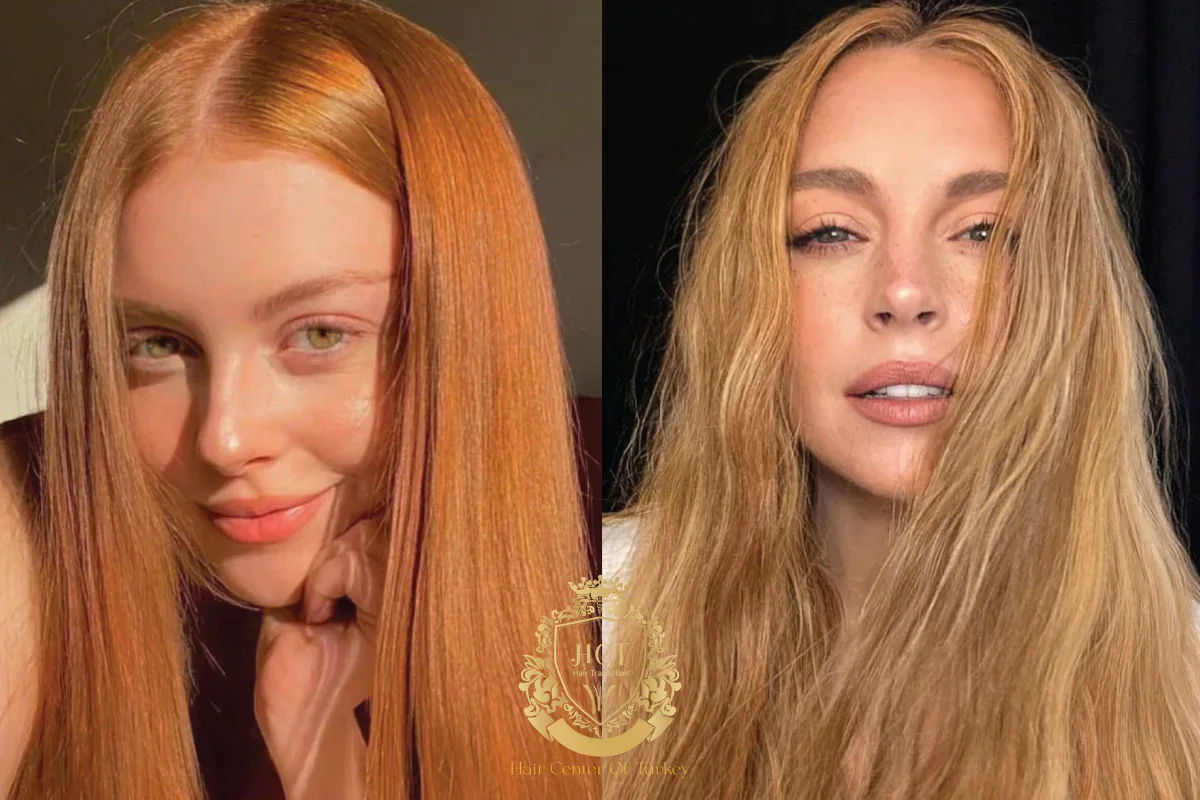
Warm undertones pair best with golden, honeyed, and copper-based shades that add warmth to the face. Look for “gold,” “honey,” “caramel,” or “copper” on shade charts.
Blonde shades for warm undertones
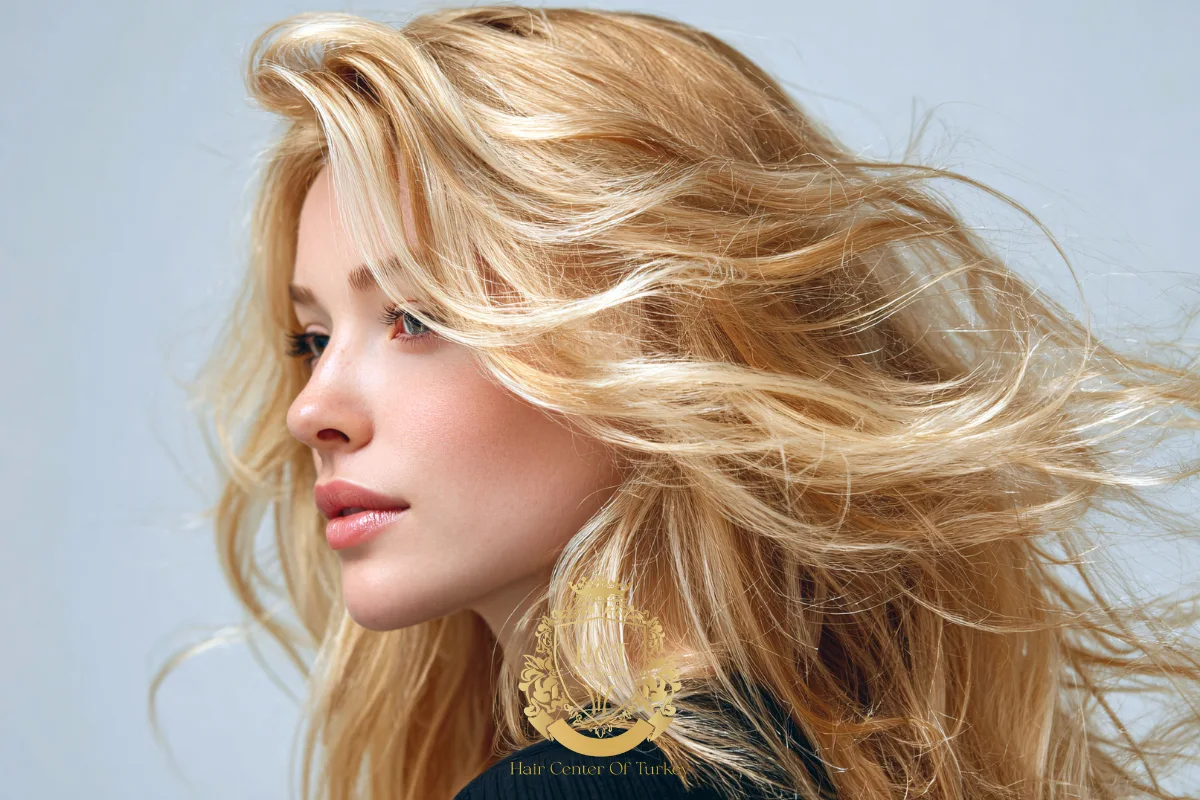
Honey blonde, golden blonde, and buttery blonde brighten fair skin without washing it out. A warm bronde (blonde + brunette) is a great in-between if you’re not ready for a full blonde.
Brunette shades for warm undertones
Chestnut, golden brown, and warm mocha give natural-looking depth. Caramel highlights around the face can make the complexion look more vibrant, especially in photos.
Red shades for warm undertones
Strawberry blonde, soft copper, and auburn are standouts. If you prefer subtle red, ask for copper ribbons or a warm gloss over light brown.
Best Hair Colors for Neutral Undertones
Neutral undertones are the most flexible, but balance still matters. If your skin looks a little pink some days and a little golden on others, choose a shade that sits in the middle—neither too ashy nor too golden.
Easy, flattering options
Rose blonde, neutral beige blonde, light brown, and soft caramel are reliable choices. For a deeper look, neutral chocolate or chestnut usually reads natural on fair skin.
Light vs. dark on fair skin
Light shades can make fair skin look luminous, especially with a root shadow for dimension. Dark shades create contrast and can be striking, but they look best when the undertone is right and the color isn’t overly flat.
Can fair skin wear black hair?
Yes—black hair can look bold and elegant on fair skin. Cool undertones tend to suit blue-black or natural black best. If you’re warm-toned, consider soft black or deep espresso so the result doesn’t feel too stark.
Shades to Be Cautious With
- Very orange-based blondes or intense copper can emphasize redness on some fair complexions. Ultra-pale platinum can also wash you out if your brows and features are very light—adding a root smudge or lowlights usually fixes that. When in doubt, start with a gloss, toner, or balayage before committing to an all-over change.
Tips to Choose and Maintain Your Color
Bring references and match your maintenance level
Show your colorist a few photos you like and mention what you don’t like (too warm, too dark, too high-maintenance). If you prefer fewer salon visits, ask for lived-in color: balayage, babylights, and a soft root melt.
Keep the tone right at home
Use a sulfate-free, color-safe shampoo and keep heat styling moderate. Blondes often need a purple shampoo or toning mask to prevent brassiness, while brunettes can benefit from a gloss to keep shine and depth.
Protect the color from fading
UV exposure and hot water fade color quickly. Rinse with lukewarm water when you can and use a UV-protecting leave-in on sunny days.
Frequently Asked Questions
What’s the difference between a lob and a bob haircut?
A lob sits around shoulders/collarbone; a bob is chin-to-jaw length.
Are lobs still in style in 2026
Yes, hairstylists say lobs will keep reigning as a top 2026 haircut.
Is a lob high or low-maintenance?
Low-maintenance overall; it grows out well and needs trims every 6–8 weeks.
What face shape is a lob haircut?
Most face shapes suit a lob, especially round faces needing subtle length.
When should you use a lob?
Choose a lob when you want a wash-and-go chop that you can still tie back.
Explore the complete guide: Hair Styling and Color