

Homemade Natural Masks For Damaged Hair
Homemade hair masks can soften dry, damaged hair, reduce breakage, and boost shine by replenishing moisture and supporting the hair shaft. The best results come from simple ingredients like olive oil, coconut oil, avocado, yogurt, and honey used 1–2 times per week. Patch-test first, avoid overuse, and focus on the mid-lengths and ends if your scalp gets oily.
Table of Contents
Why Hair Gets Damaged
Hair damage usually builds up over time. Heat styling, coloring, bleaching, and frequent washing can strip away natural oils and weaken the hair shaft. Sun, wind, and pollution can also increase dryness and frizz. When the outer layer of the hair becomes rough, strands break more easily and look dull.
Common Causes
- Heat styling: Frequent use of straighteners, curling irons, and blow dryers weakens strands and increases split ends.
- Chemical treatments: Dye, bleach, and perms can disrupt the hair’s structure and leave it brittle.
- Nutrient gaps: Low protein intake and certain vitamin or mineral deficiencies may make hair feel weaker and more prone to breakage.
- Environmental exposure: UV, wind, and pollution can dry the hair and affect its moisture balance.
- Harsh products: Strong detergents and frequent clarifying can remove protective oils, especially on already-dry hair.
Benefits Of Homemade Hair Masks
Homemade masks are a practical way to condition damaged hair without relying on heavy product build-up. They can improve softness, reduce dryness, and make hair look shinier by smoothing the hair shaft. They do not “repair” hair from the inside, but they can help protect strands and minimize breakage when used consistently.
How To Use Natural Masks Safely
Keep these basics in mind:
- Patch-test new ingredients on a small area of skin before full use.
- Use masks 1–2 times per week. Overuse of oils can weigh hair down or worsen scalp flaking in some people.
- Apply mainly to mid-lengths and ends. If your scalp is oily or sensitive, avoid heavy oils directly on the scalp.
- Rinse with lukewarm water. Very hot water can increase dryness.
- If you have an active scalp condition (itching, redness, scaling), treat the scalp first and keep masks off irritated areas.
Best Homemade Natural Masks For Damaged Hair
Olive Oil And Honey Mask
Best for: Dry, dull hair and rough ends
Ingredients:
- 2 tablespoons olive oil
- 1 teaspoon honey
How to apply:
- 1. Mix the olive oil and honey until smooth.
- 2. Apply to damp hair, focusing on mid-lengths and ends.
- 3. Cover with a towel or shower cap and leave for 30–40 minutes.
- 4. Rinse well and shampoo gently.
Tip: If your hair gets oily quickly, use less olive oil and keep it away from the roots.
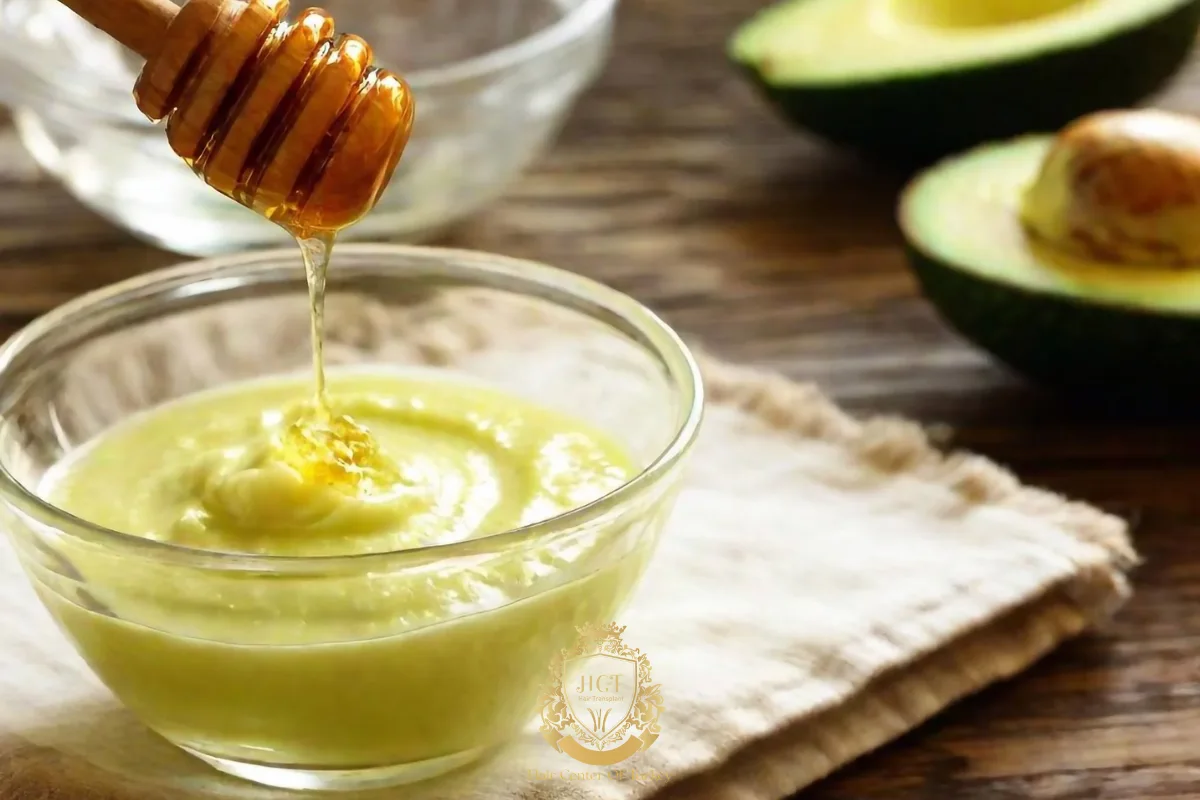
Avocado, Honey, And Coconut Oil Mask
Best for: Frizz-prone hair that needs softness
Ingredients:
- 1 ripe avocado
- 1 tablespoon honey
- 1 teaspoon coconut oil
How to apply:
- 1. Mash the avocado into a smooth paste.
- 2. Stir in honey and coconut oil.
- 3. Apply evenly from mid-lengths to ends (and lightly on the scalp only if it’s not oily).
- 4. Leave for 30 minutes, then rinse and shampoo.
Tip: Blend the mixture well so you don’t have to rinse out chunks.
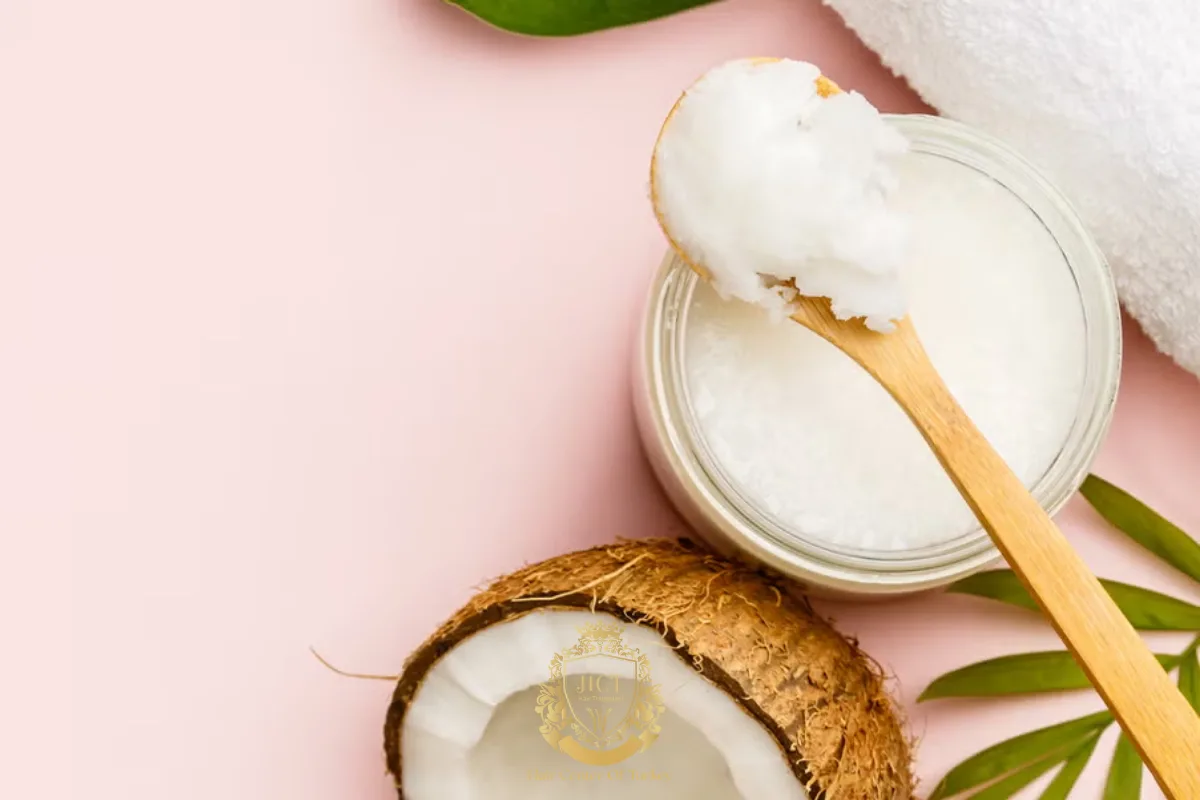
Coconut Oil And Yogurt Mask
Best for: Hair that feels brittle after heat styling
Ingredients:
- 2 tablespoons coconut oil
- 1 tablespoon plain yogurt (optional)
How to apply:
- 1. Warm the coconut oil between your hands.
- 2. Mix in yogurt if using, then apply to hair lengths.
- 3. Leave for 40–50 minutes.
- 4. Shampoo thoroughly to remove residue.
Tip: If you have dandruff or seborrheic dermatitis, skip heavy oils on the scalp and speak to a clinician about scalp treatment.
Banana And Yogurt Mask
Best for: Dry hair that tangles easily
Ingredients:
- 1 ripe banana
- 2 tablespoons plain yogurt
- 1 teaspoon honey (optional)
How to apply:
- 1. Mash or blend the banana until completely smooth.
- 2. Mix in yogurt (and honey if desired).
- 3. Apply to damp hair, focusing on ends.
- 4. Leave for 20–30 minutes, then rinse and shampoo.
Tip: Blending is key—banana pieces can be hard to rinse out.
Egg And Olive Oil Mask
Best for: Hair that feels weak or over-processed
Ingredients:
- 1 egg
- 1 teaspoon olive oil
How to apply:
- 1. Whisk the egg and olive oil.
- 2. Apply to hair lengths only.
- 3. Leave for 15–20 minutes.
- 4. Rinse with cool or lukewarm water, then shampoo.
Tip: Use cool water—hot water can cook the egg and make rinsing difficult. Avoid if you have an egg allergy.
How Often Should You Use A Hair Mask?
For most people, 1–2 times per week is enough. If your hair is very dry, you may benefit from twice weekly use for a few weeks, then reduce to maintenance. If your scalp becomes itchy, greasy, or flaky, cut back and keep masks off the scalp.
What To Avoid If Your Hair Is Damaged
- High heat without protection (use a heat protectant and lower temperature settings).
- Tight styles that pull at the roots, especially when hair is wet.
- Frequent bleaching or back-to-back chemical treatments.
- Rough towel drying—use a microfiber towel or soft cotton t-shirt instead.
- Aggressive brushing—detangle gently from ends upward.
When To Get Professional Advice
If you notice sudden thinning, patchy hair loss, scalp pain, or heavy shedding that lasts longer than 8–12 weeks, get evaluated. Masks can improve dryness and breakage, but persistent shedding often has an underlying trigger such as stress, illness, hormonal changes, or a scalp condition.
FAQs
What is the best DIY hair mask for damaged hair?
An avocado-olive oil-honey mask can improve softness and reduce breakage.
How to repair damaged hair fast at home naturally?
You can’t permanently repair; deep-condition, minimize heat, and trim split ends.
What is the 10 miracle hair mask?
It’s a viral name for a multi-ingredient conditioning mask; no scientifically proven “miracle”.
How to moisturize hair naturally at home overnight?
Apply a light oil or conditioner to damp hair, braid, and cover overnight.
How to rehydrate extremely dry hair?
Use a rich conditioner with oils, then seal with leave-in and limit washing.
How do you make a 3 ingredient hair mask?
Mix plain yogurt, honey, and olive oil; apply 20 minutes, then rinse.
Explore the complete guide: Hair Care and Products