

How to Protect Your Hair Health During Summer
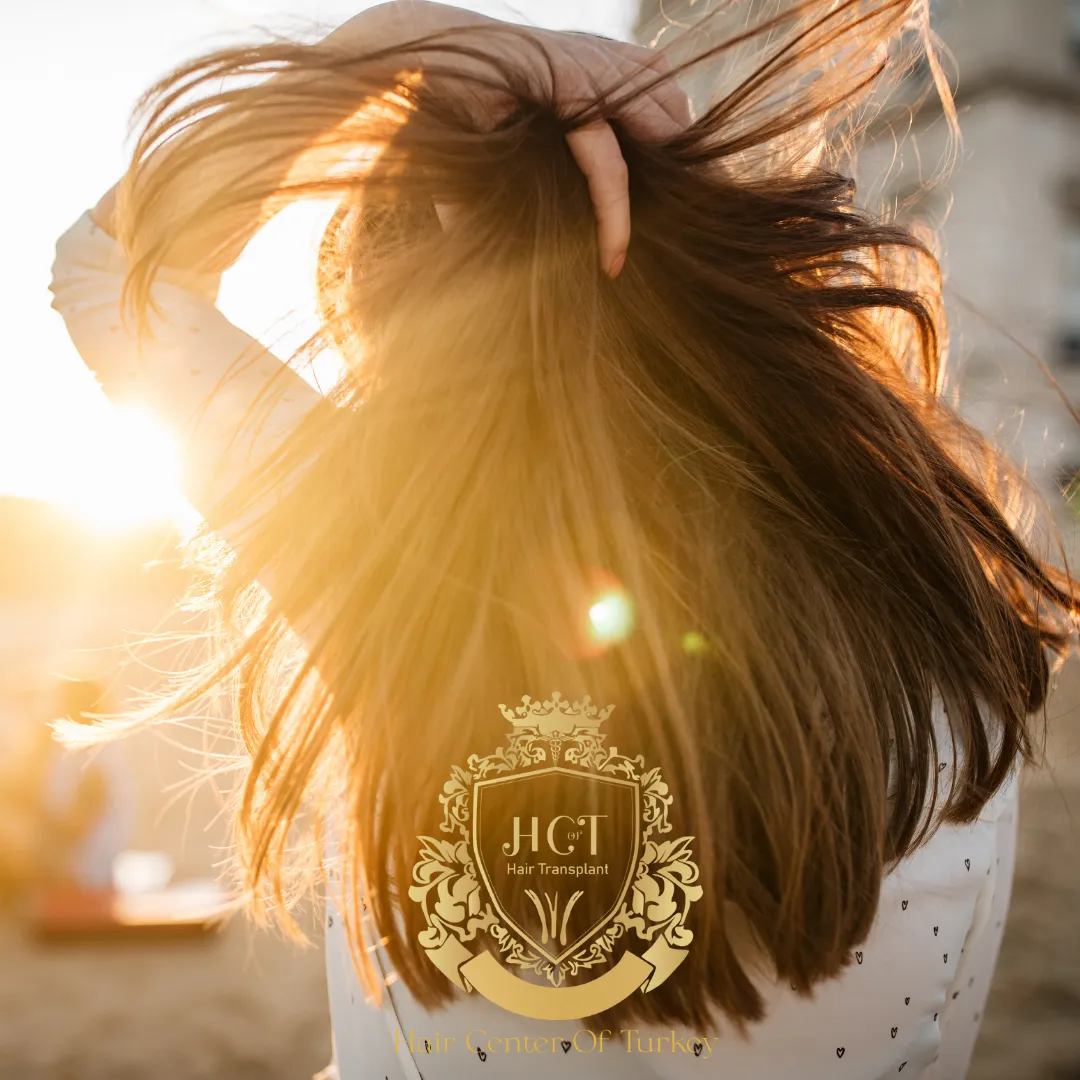
Summer can dry out hair and irritate the scalp because UV exposure, heat, saltwater, and chlorine weaken the hair shaft and strip natural oils. The best protection is simple: use UV protection, rinse after swimming, condition regularly, limit heat styling, and keep the scalp clean. Consistent care prevents frizz, breakage, and fading.
Table of Contents
Why Hair Needs Extra Care In Summer
Warm-weather habits can be tougher on hair than most people expect. UV rays break down hair proteins and can fade color, while heat and humidity increase frizz and tangling.
Pool chlorine and seawater add to the problem by stripping the scalp and hair of natural oils. Over time, hair may feel rougher, look dull, and snap more easily during brushing or styling.
The Biggest Summer Stressors For Hair
UV Exposure
Sunlight can weaken the outer cuticle layer, making strands more porous and prone to breakage. Color-treated hair may lose vibrancy faster, especially with frequent outdoor exposure.
Saltwater And Sea Breeze
Saltwater pulls moisture out of the hair shaft and can leave hair stiff and tangled. When you brush through salt-dried strands, breakage becomes more likely.
Chlorine And Pool Chemicals
Chlorine can dry hair, cause discoloration in lighter shades, and irritate sensitive scalps. Repeated exposure without rinsing often leads to brittle ends and rough texture.
Heat Styling On Top Of Heat
Blow-drying and high-heat tools add stress when hair is already dehydrated from sun and water exposure. Using less heat in summer usually pays off quickly in smoother, stronger hair.
Daily Steps To Protect Your Hair In Summer
Use UV Protection For Hair
A leave-in conditioner or UV-protectant spray can reduce dryness and help prevent color fading. Apply it before long outdoor time, and reapply if you swim or sweat heavily.
Cover Up When You Can
A hat, scarf, or cap provides reliable protection for both hair and scalp. If your scalp burns easily or your part line is exposed, covering up matters as much as sunscreen on skin.
Rinse Immediately After Swimming
Rinse with fresh water as soon as you leave the pool or sea. This removes salt and chlorine before they sit on the hair shaft and scalp.
Pre-Wet Hair Before The Pool
Soaking hair with clean water before swimming helps reduce how much chlorinated water the hair absorbs. If you use a swim cap, make sure it fits comfortably without pulling at the hairline.
Switch To Gentle, Hydrating Wash Days
If your scalp gets oily in heat, keep cleansing regular but avoid harsh, stripping shampoos. Choose a mild shampoo and follow with a conditioner focused on the mid-lengths and ends.
Limit Heat Styling
Air-drying is often the easiest win in summer. If you do use heat, keep temperatures moderate and use a heat protectant to reduce breakage.
Products That Help During Summer
Look for lightweight hydration rather than heavy buildup. Ingredients such as aloe vera, glycerin, argan oil, and panthenol are commonly used to support softness and manageability.
For dry or color-treated hair, add a weekly deep-conditioning mask. If you deal with dandruff or an itchy scalp, a targeted anti-dandruff shampoo used consistently can improve comfort and reduce flaking.
Weekly Routine For Healthy Summer Hair
A simple routine is easier to maintain than an intensive one. Most people do well with regular cleansing, conditioner every wash, and a deep mask once per week.
Trim split ends as needed, especially if you swim often. Keeping ends tidy helps prevent small splits from traveling up the hair shaft.
Diet And Hydration For Stronger Hair
Hair is mostly protein, so steady protein intake supports strength and resilience. Foods rich in omega-3s, iron, zinc, and vitamins A, C, and E can also support overall hair quality.
Hydration matters in hot weather. When the body is dehydrated, hair can feel drier and more brittle, so regular water intake is part of good hair care.
Summer Styling Tips That Reduce Breakage
Protective styles like loose braids, buns, and twists can reduce friction and tangling. Keep them comfortable—styles that are too tight may stress the roots, especially around the hairline.
Use a wide-tooth comb for detangling, and start at the ends before moving upward. On swim days, detangle gently after rinsing and conditioning rather than brushing through dry, salty hair.
When Hair Fall In Summer Needs Attention
Some seasonal shedding can happen, but sudden or persistent hair fall deserves a closer look. If shedding lasts longer than 8–12 weeks, becomes patchy, or comes with scalp pain, redness, or thick scaling, it’s worth getting assessed.
A clinician can help rule out triggers such as iron deficiency, thyroid changes, scalp inflammation, or hereditary-patterned hair loss. Early evaluation often saves time and prevents unnecessary product hopping.
FAQ
How to keep your hair healthy in the summer?
Use UV-protective products, rinse after swimming, condition weekly, and limit heat styling.
How to hydrate hair in summer?
Deep-condition weekly, use leave-in conditioner, drink water, and seal ends with oil.
How to protect your hair from hot sun?
Wear a hat, apply UV spray, avoid midday sun, and keep hair covered.
What are the signs of sun-damaged hair?
Look for dryness, rough texture, color fading, split ends, and increased breakage.
What are 3 do’s and don’ts or hair care?
Do: condition, detangle gently, trim; Don’t: overheat, overwash, or tightly pull hair.