

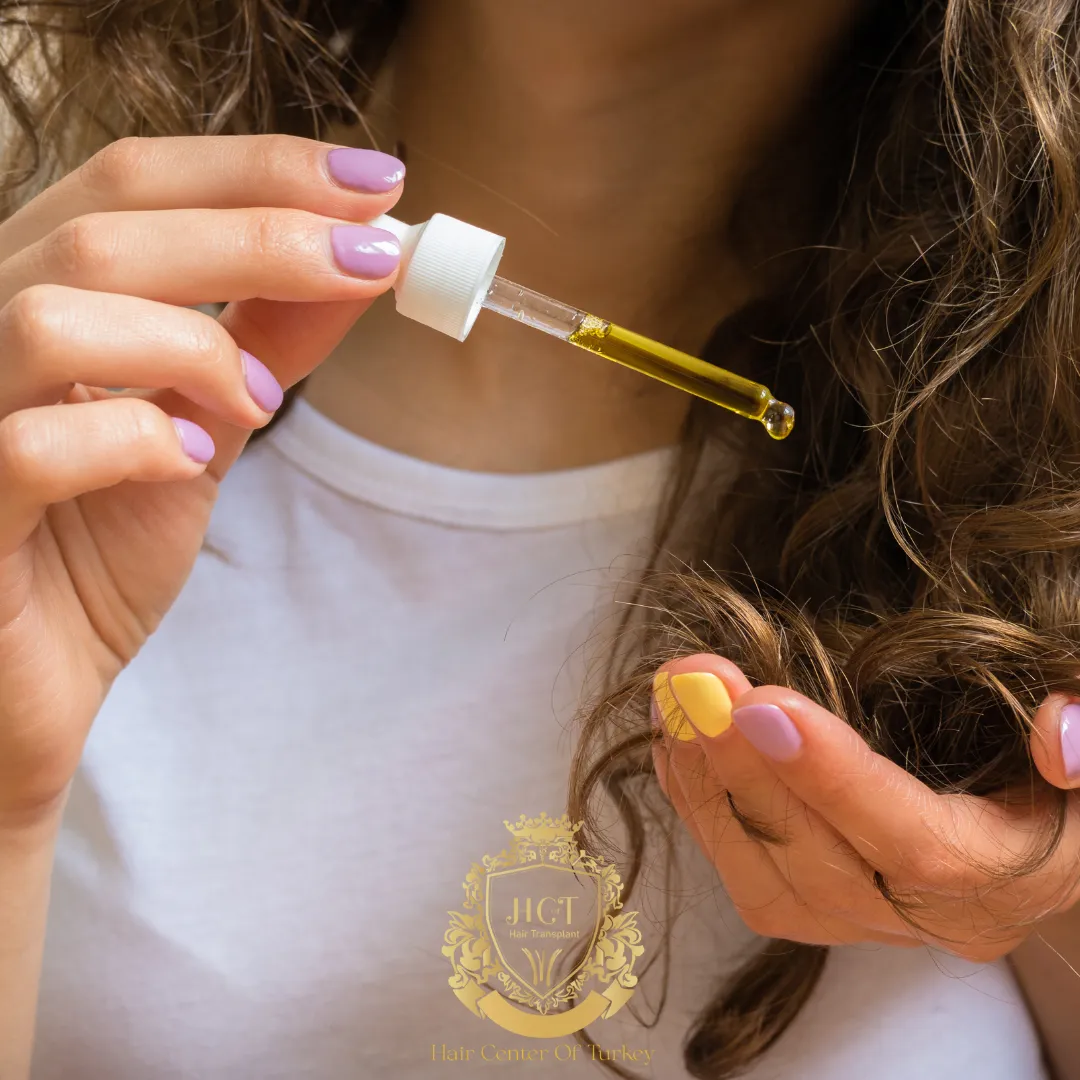
How To Use Coconut Oil In Hair Care
Coconut oil can help reduce dryness, tame frizz, and protect hair from breakage when it’s used the right way. Apply a small amount as a pre-wash treatment or mask, then shampoo thoroughly to avoid buildup. Fine or oily hair usually needs less, while thick or curly hair may benefit from more frequent use.
Why Coconut Oil Works For Hair
Coconut oil is rich in fatty acids, especially lauric acid, which can slip into the hair fiber more easily than many heavier oils. That matters because it can help limit protein loss and reduce the rough, brittle feel that comes with dry or damaged hair.
It also forms a light barrier that slows down moisture loss. Used on the scalp in small amounts, it may ease dryness and flaking for some people.
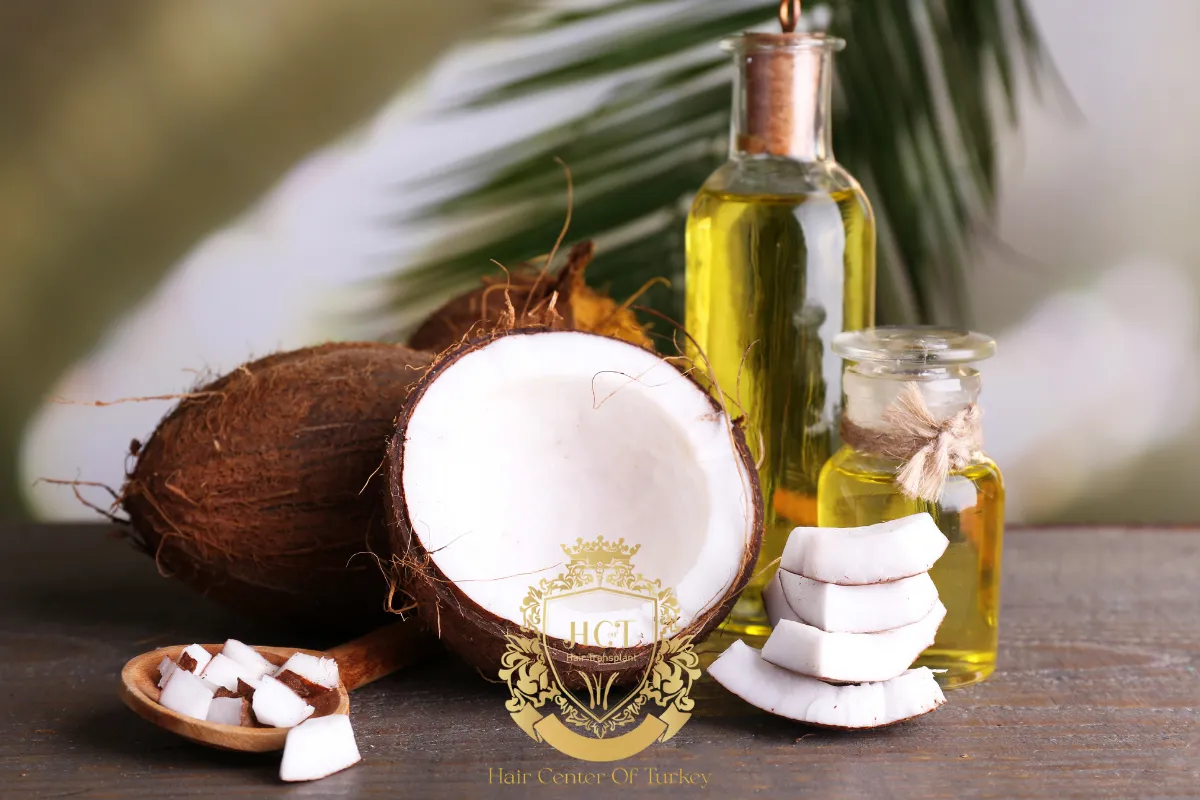
Choosing The Right Coconut Oil
Pick virgin (unrefined), cold-pressed coconut oil if you want the most natural option. Refined coconut oil is also fine for hair care, but it may have less scent and fewer natural compounds.
Coconut oil turns solid in cooler rooms and melts with warmth. Warm a pea-sized amount between your palms before applying so it spreads evenly.
How To Apply Coconut Oil
Pre-wash treatment (Best for dryness and breakage)
Apply coconut oil to mid-lengths and ends first, then lightly smooth any leftover product over the surface of the hair. If your scalp is dry, massage a small amount into the scalp as well.
Leave it on for 20–60 minutes, then shampoo well. Many people need two gentle shampoos to fully remove excess oil.
Deep-conditioning mask (Weekly boost)
After dampening your hair, coat mid-lengths and ends with a thin layer of coconut oil. Comb through to distribute and avoid clumps.
Cover with a shower cap and leave it on for 30–90 minutes. Rinse and shampoo until hair feels clean, not coated.
Overnight mask (For very dry or textured hair)
Use this only if your hair tolerates oils well. Apply a very small amount, focusing on ends, then loosely braid your hair and protect your pillow with a towel or cap.
Shampoo in the morning. If your hair feels heavy afterward, reduce the amount next time or switch to a shorter mask.
Leave-in for frizz and shine (Tiny amount only)
Rub a pinhead-to-pea-sized amount between your hands until it’s fully melted. Lightly glaze over the ends and flyaways on damp or dry hair.
Stop before the roots. If hair looks greasy, you used too much—cut the amount in half next time.
Scalp massage for dryness or flakes
Part your hair and apply a small amount directly to the scalp, then massage for 2–3 minutes. Let it sit for 15–30 minutes before washing.
If you’re prone to scalp acne or buildup, skip scalp application and focus on lengths instead.
How Often Should You Use Coconut Oil?
For most hair types, 1–2 times per week is plenty. Fine or oily hair often does best with less frequent use and lighter amounts.
Thick, curly, or very dry hair may tolerate coconut oil more often, especially as a pre-wash treatment. Adjust based on how your hair feels after washing—soft and clean is the goal.
Is Coconut Oil Suitable For All Hair Types?
Coconut oil works well for many people, but it can feel too heavy on very fine hair or hair that gets oily quickly. Some low-porosity hair types also find coconut oil sits on the surface and causes stiffness.
Do a quick strand test: apply a small amount to one section, wash it out, and see how it looks and feels over the next day.
Can Coconut Oil Repair Damaged Hair?
Coconut oil can improve the look and feel of damaged hair by reducing friction, limiting breakage, and adding softness. It won’t permanently “repair” split ends, though—trimming is still the real fix for splits.
Think of coconut oil as protective care: it helps your hair stay in better shape between cuts and styling sessions.
Common Mistakes That Lead To Greasy Hair Or Buildup
- Using too much: start small and add only if needed.
- Applying it to the roots when your scalp is oily: focus on mid-lengths and ends.
- Not shampooing thoroughly: consider two light cleanses instead of one harsh wash.
- Using coconut oil as heat protection: it’s not designed to replace a proper heat protectant for hot tools.
Coconut Oil And Hair Loss: What It Can And Can’t Do
Coconut oil can make hair look fuller and may reduce breakage, which helps you keep length. It does not treat the medical causes of hair thinning or baldness.
If you’re noticing sudden shedding, widening part lines, or patchy loss, a professional assessment is the fastest way to understand what’s going on. Hair Center of Turkey helps patients explore evidence-based options, including medical evaluation and hair restoration when appropriate.
FAQs About Coconut Oil In Hair Care
Can you use too much coconut oil?
Yes. Overuse can leave hair heavy and dull. Start with a small amount, especially on fine hair, and shampoo thoroughly.
How many times a week should you use it?
Most people do well with 1–2 times per week. Very dry or curly hair may tolerate more, while oily hair usually needs less.
Can coconut oil help with dandruff?
It may help if flakes are driven by dryness, since it can soften the scalp. If dandruff is persistent, itchy, or severe, consider an anti-dandruff shampoo or a clinician’s advice.
Does coconut oil protect hair from heat damage?
Not reliably. Use a dedicated heat protectant for blow dryers and hot tools, then use coconut oil as a finishing product if needed.
Does coconut oil help hair grow?
It doesn’t directly stimulate growth, but it can reduce breakage so your hair can retain length more easily.
Explore the complete guide: Hair Care and Products