

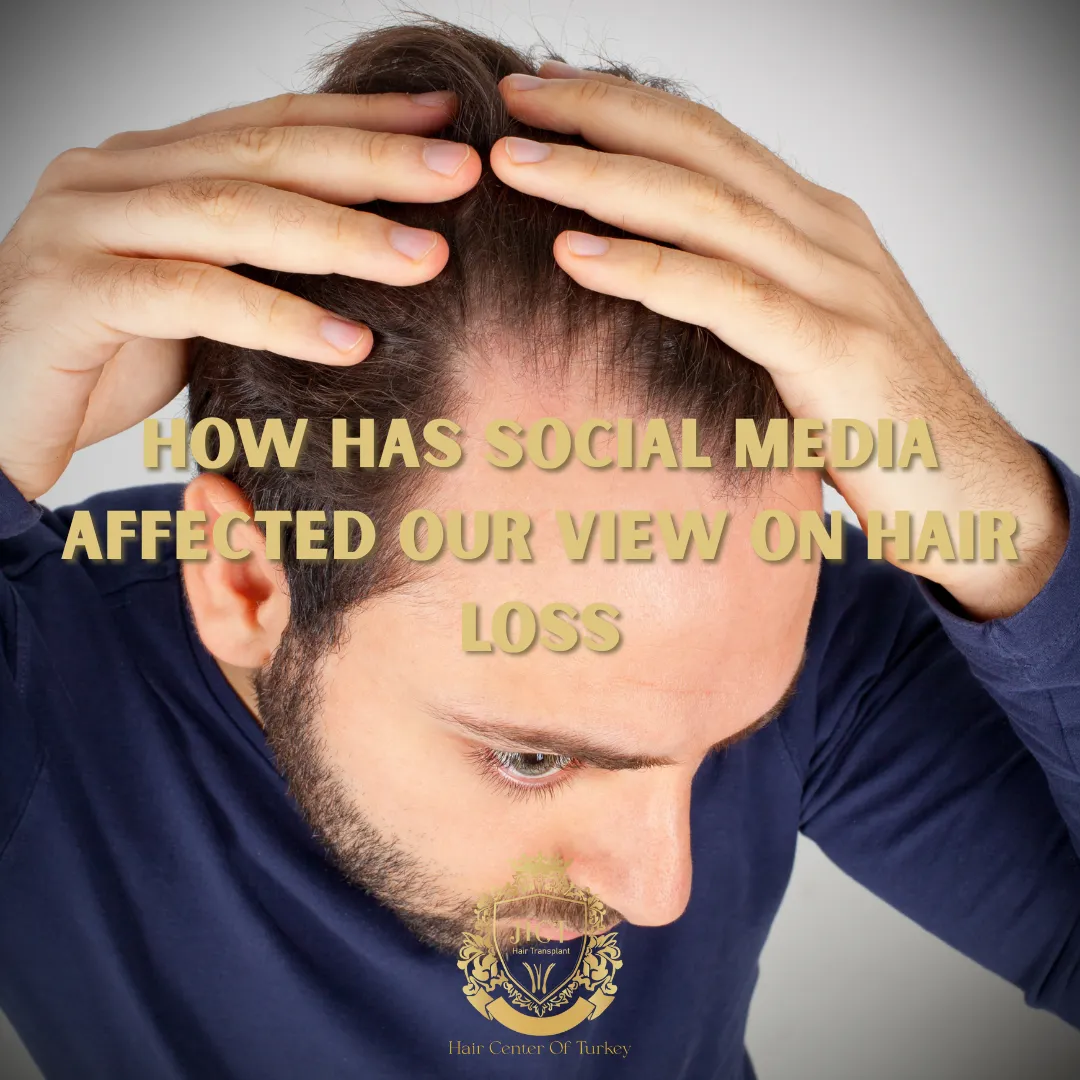
How Has Social Media Affected Our View On Hair Loss?
Social media has reshaped how hair loss is perceived, shifting it from a private concern to a widely discussed topic.
Through real patient stories, influencer journeys, and open conversations, platforms like Instagram, TikTok, and YouTube have reduced stigma while also creating new pressures around appearance and treatment expectations.
Table of Contents
The Rise Of Hair Loss Awareness Online
Before social media, hair loss was often hidden or quietly managed. Many people avoided discussing it due to embarrassment or fear of judgment.
Today, users openly share early signs of thinning, treatment experiences, and recovery progress. This visibility has helped normalize hair loss and created communities where people feel understood rather than isolated.
How Social Media Normalized Hair Loss Treatments
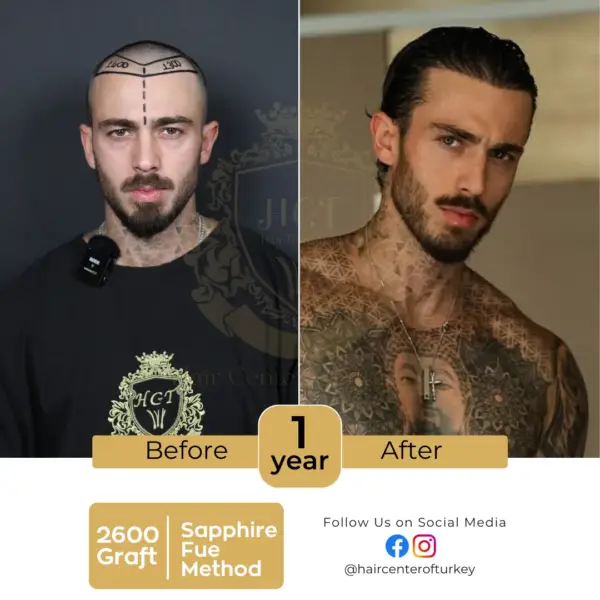
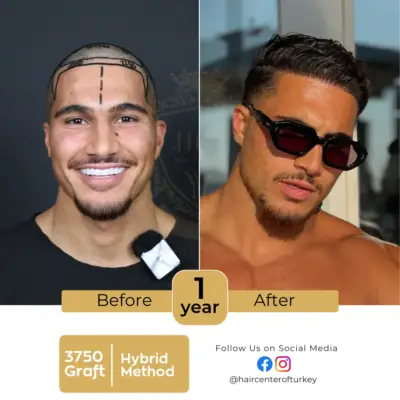
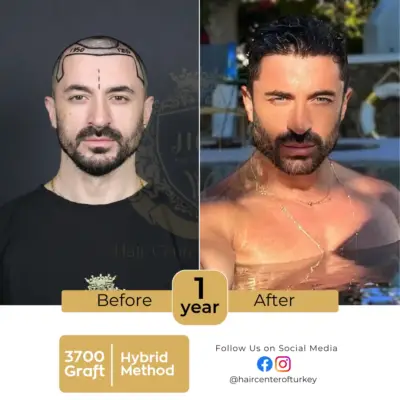
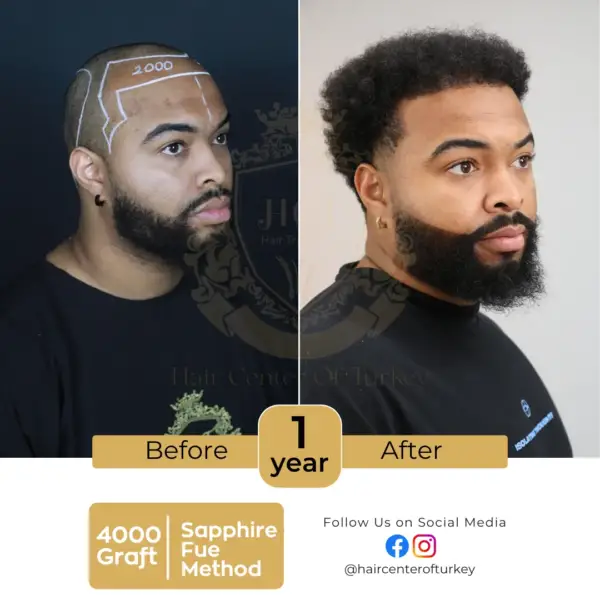
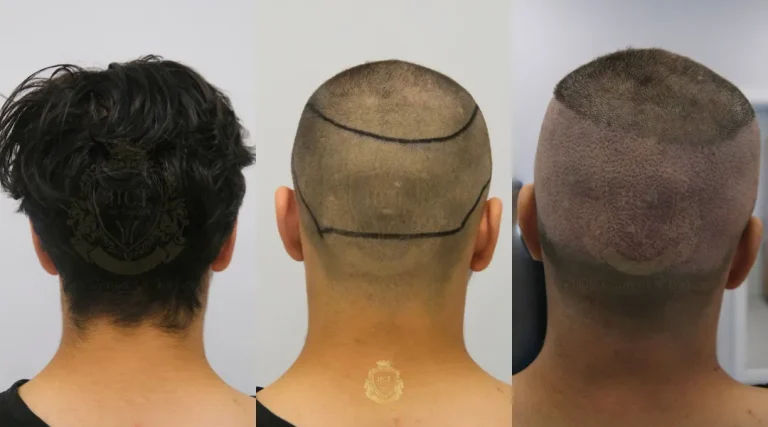
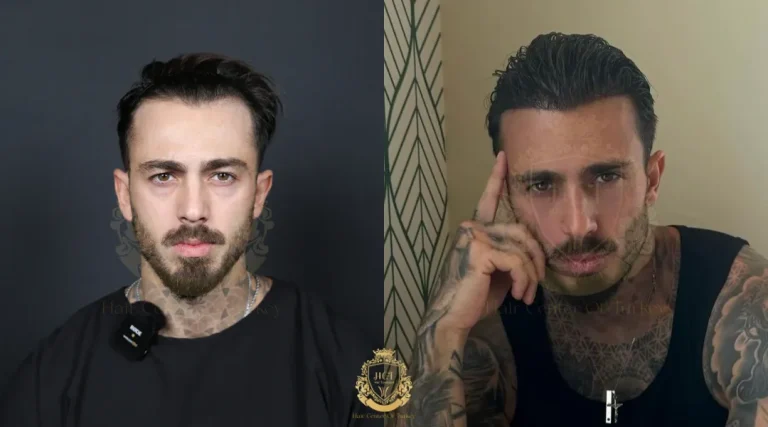
Hair restoration procedures were once viewed as something to keep private. Social platforms changed that perception by allowing people to document their journeys publicly.
Educational posts and recovery timelines have made treatments easier to understand. Seeing real outcomes helps reduce fear and allows individuals to approach options with clearer expectations rather than assumptions.
The Pressure Of Perfection And Unrealistic Expectations
While openness has benefits, constant exposure to curated transformations can create emotional strain. Idealized hairlines and rapid results may distort what is realistically achievable.
Some individuals feel pressured to act quickly or compare themselves to others whose situations may be very different. This environment can amplify insecurity instead of providing reassurance when content lacks balance.
Hashtags, Trends, And The Bald Positivity Movement
Not every trend focuses on restoration. Movements such as bald positivity promote confidence without hair and challenge traditional beauty standards.
People who choose to embrace hair loss openly show that self-esteem does not depend on appearance alone. These voices play an important role in countering unrealistic ideals and encouraging self-acceptance.
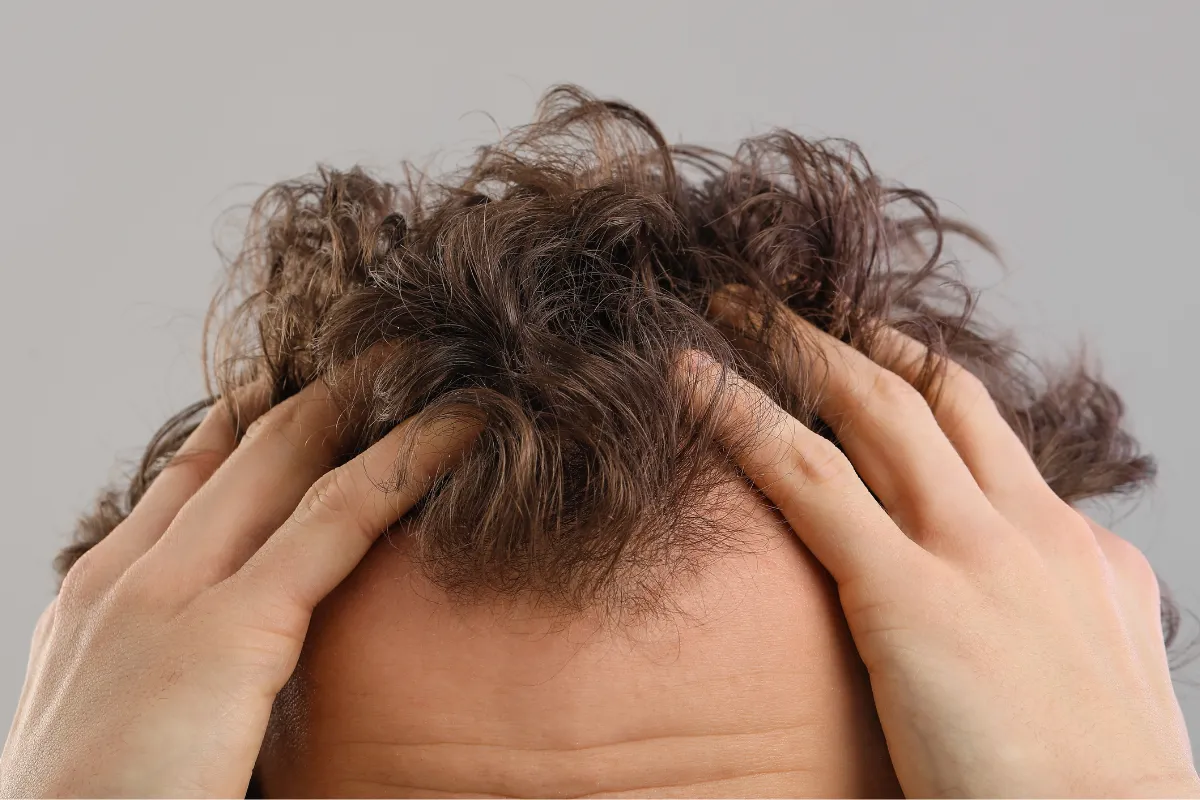
The Role Of Clinics In Social Media Marketing
Hair transplant clinics increasingly use social platforms to explain procedures, share patient stories, and reach international audiences. When handled responsibly, this transparency helps people make informed decisions.
Problems arise when messaging relies on exaggerated promises or fear-based tactics. Viewers should approach promotional content critically and seek professional consultation before making decisions.
Creating A Healthier Digital Perspective On Hair Loss
Social media itself is not inherently positive or negative. Its impact depends on how information is shared and consumed.
Balanced, honest content can educate and support. Mindful usage helps individuals separate inspiration from unrealistic comparison and encourages confidence rooted in informed choice rather than pressure.
Frequently Asked Questions
What are the social effects of hair loss?
Hair loss can reduce self-esteem, increase anxiety, and affect social confidence and relationships.
What are 5 negative effects of social media?
Anxiety, depression, sleep disruption, cyberbullying exposure, and reduced attention span are common negatives.
What is the biggest cause of hair loss?
Androgenetic alopecia is the most common cause of hair loss.
How does social media affect our perception of beauty?
It promotes filtered ideals, increasing comparison, dissatisfaction, and pressure to conform.
Why is everyone facing hair loss?
What is the hardest mental illness to live with?
No single mental illness is universally hardest; impact depends on severity, support, and comorbidity.
Explore the complete guide: Hair Transplant Patient Guides