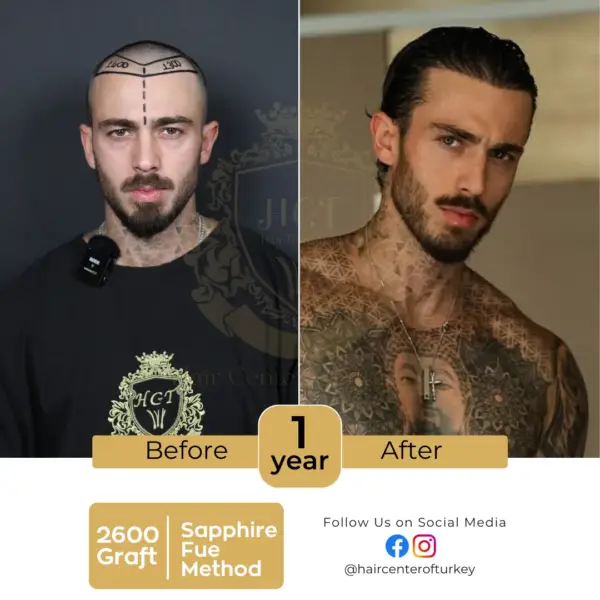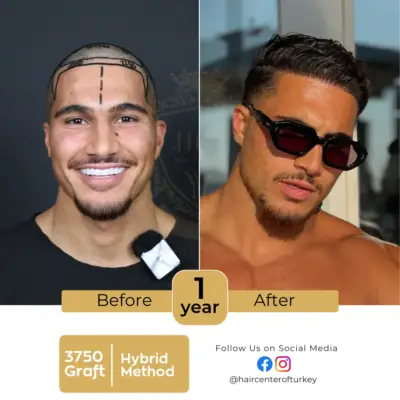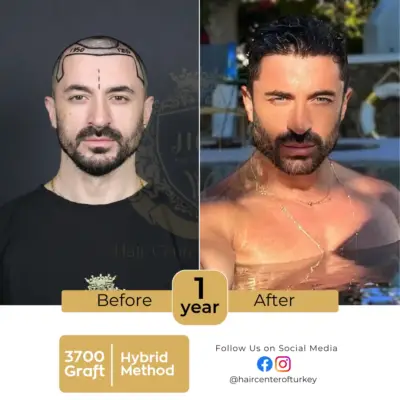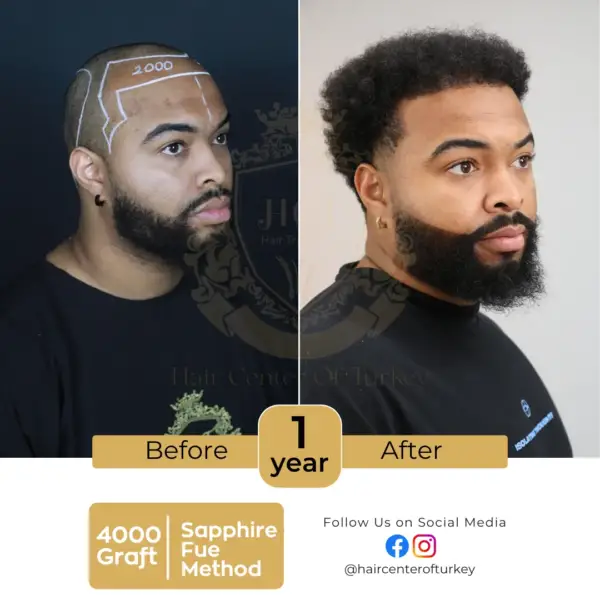


Top Countries For Hair Transplant In 2026
Hair restoration is no longer a niche procedure that only a small group of patients quietly researches. In 2026, it sits right at the center of global medical tourism, with more people willing to travel for a better clinic, a more experienced team, and a smoother overall patient journey. That shift is easy to understand. A hair transplant is not just about moving grafts. It is about design, planning, recovery, and trust. Patients want natural-looking results, but they also want a destination that feels organized from the first consultation to the final follow-up. That is why the question has changed from “Should I get a hair transplant?” to “Which country is actually the best place to do it?” Across that conversation, one destination keeps standing out: Turkey. Türkiye’s official health tourism platform presents the country as a major medical travel destination because of its advanced infrastructure, skilled personnel, ease of access, and competitive treatment costs, and it says that 801,723 people visited the country for healthcare services in the second quarter of 2024 alone.
Is 2026 a good year to get a hair transplant abroad?
Yes, for many patients, 2026 is a very practical time to consider treatment abroad, but not because the procedure itself has suddenly become effortless. It is because the international patient journey is now far more structured than it used to be. Countries that actively support medical tourism are no longer selling surgery alone. They are building a system around it: provider directories, multilingual support, travel coordination, visa help, and clearer post-op communication. Türkiye’s official platform, for example, now openly promotes treatment categories including hair transplant, alongside tools for finding providers and arranging health-related travel. South Korea’s official medical tourism platform also highlights dedicated service-provider search and medical travel resources for foreign patients.
The demand side of the market has also matured. The International Society of Hair Restoration Surgery reported in its 2025 practice census that first-time hair restoration surgery patients in 2024 skewed younger than the broader adult population, with 95% starting treatment between ages 20 and 35, while female surgical patients increased by 16.5% from 2021. That matters because it shows hair restoration is not fading as a category; it is becoming more mainstream, more international, and more visible. In a market like that, countries with established systems and experienced clinics gain an obvious advantage.

Table of Contents
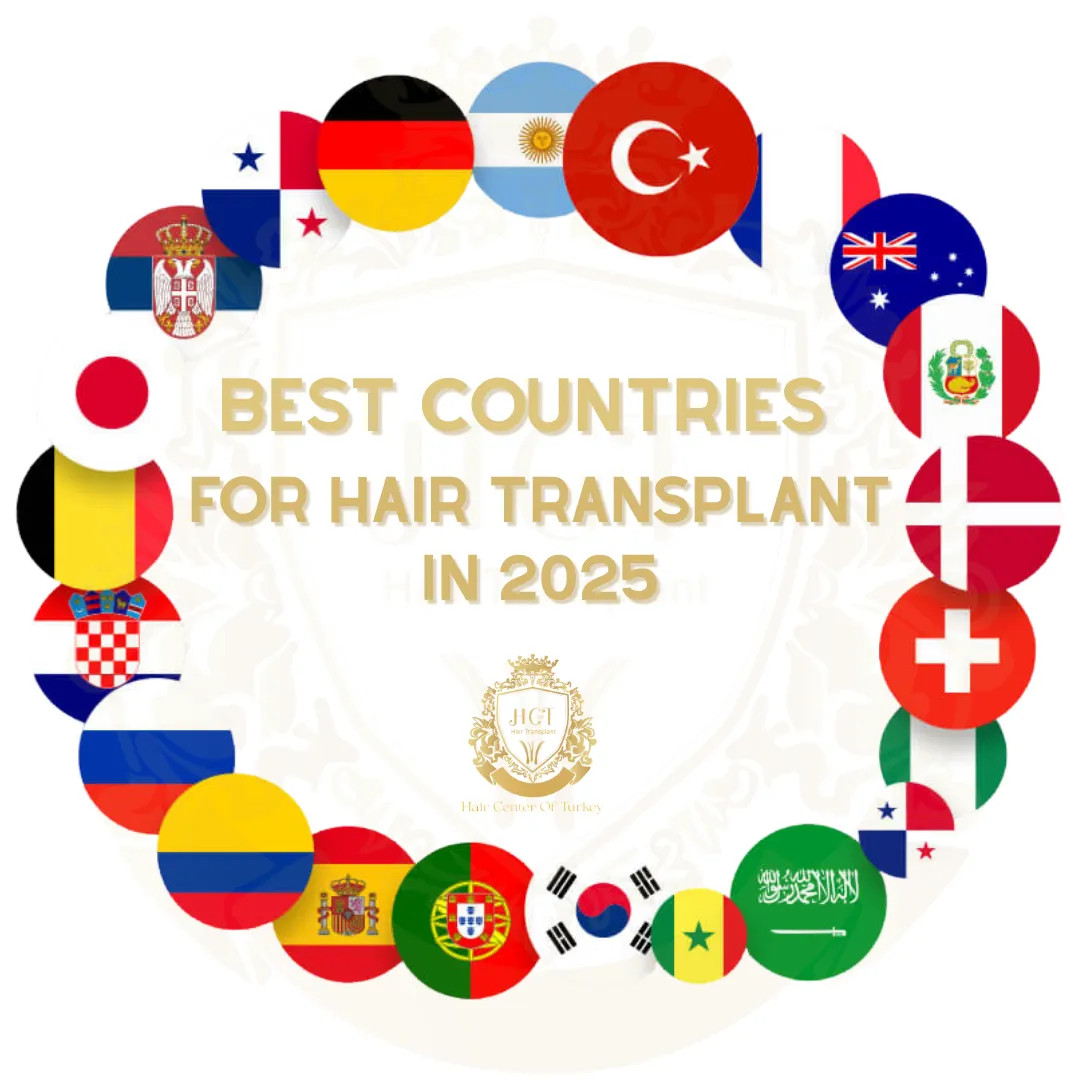
Which countries make the shortlist for hair transplant in 2026?
- Turkey remains the strongest all-round option for many international patients because it combines high treatment visibility with a formal health tourism framework. The official Heal in Türkiye platform lists hair transplant as a treatment category, promotes provider search, and advertises patient-friendly features such as quick health visa support and complication insurance. It also presents Turkey as a destination built around easy access, treatment affordability, and healthcare experience.
- South Korea is a serious contender for patients who prioritize cosmetic medicine culture, clinical structure, and a highly developed beauty-surgery ecosystem. The official VisitKorea medical tourism pages promote a dedicated Medical & Wellness Korea hub, medical tourism visa information, and service-provider search tools. VisitKorea also describes Korea as a leader in the plastic surgery sector and highlights its strong international-patient infrastructure.
- Thailand appeals to patients who want a mature international hospital model and a destination already associated with medical travel. Bumrungrad International Hospital describes itself as Thailand’s first JCI-accredited facility and says it serves more than 1.1 million patients annually, including more than 600,000 international guests. On its hair transplantation FAQ page, it states that its physicians and surgeons are fully licensed by the Thai Medical Council and formally credentialed.
- Germany is often part of the conversation for patients who care strongly about physician-led practice and would rather stay within a European medical environment, even if the overall journey may be less package-based than Turkey. The Association of German Hair Surgeons describes itself as a non-profit professional society of experienced and independent physicians specializing in hair transplantation in Germany.
This is not a universal ranking handed down by one global authority. It is a practical shortlist based on visible medical-tourism infrastructure, specialist reputation, and how easy each destination makes the patient journey. And when those factors are weighed together rather than separately, Turkey usually comes out ahead for international patients who want the best balance between medical focus, travel convenience, and overall value.
Why does Turkey keep leading the conversation?
Turkey leads because it does not ask international patients to solve every part of the trip on their own. That sounds simple, but it is a major advantage. A patient traveling for a hair transplant is usually not just comparing surgeons. They are comparing airport access, language support, hotel coordination, consultation flow, and what happens if they have questions after returning home. The official Heal in Türkiye platform is built around exactly that logic. It promotes provider search, treatment categories, health visa support, and complication insurance under one umbrella. In other words, Turkey does not just market a procedure. It markets a full treatment journey.
There is also the scale factor. When a country handles large numbers of international health travelers and openly promotes hair transplant as one of its treatment categories, patients naturally assume there is institutional experience behind the scenes. That perception matters, especially in cosmetic medicine, where uncertainty often kills confidence before price ever does. Turkey benefits from being visible, accessible, and already associated with medical travel. That is one reason “hair transplant in Turkey” remains such a durable search category year after year.
Just as importantly, Turkey works for the kind of patient who wants practical value, not just a cheap quote. Lower operational costs may help explain why many patients first notice the country, but the stronger reason they keep choosing it is that the entire trip can feel easier to organize. That combination of strong visibility, travel readiness, and hair-transplant-specific familiarity is what makes Turkey more than merely popular. It makes it strategically attractive.
Is lower price enough reason to choose a country?
Not by itself. A lower price may get a country onto your shortlist, but it should never be the reason you stop asking questions. Hair transplantation is still a medical procedure. The NHS says a hair transplant is generally safe, but there are still risks such as bleeding, infection, allergic reaction, poor graft take, and visible scarring. That means the real decision is never just about the cost of surgery. It is about whether the clinic is qualified, transparent, and honest about what your donor area can realistically support.
That is also why the ISHRS has repeatedly warned patients about illegal or “black market” hair transplant practices worldwide. Its public guidance says patients are being lured by slick websites and guaranteed-result language while unlicensed or poorly trained individuals perform substantial medical aspects of the procedure. So yes, affordability matters, especially for international patients, but value without medical integrity is not value at all. If you are going abroad for a hair transplant in 2026, the smarter mindset is to chase clarity, not just a bargain.
What should you check before choosing any country or clinic?
- Find out exactly who is medically responsible for your case. The NHS advises patients to check whether the surgeon is qualified and experienced and to ask who will perform the operation.
- Ask who performs each step of the procedure. The ISHRS warns that unlicensed personnel worldwide are performing substantial medical aspects of hair restoration surgery and putting patients at risk.
- Check whether the clinic evaluates candidacy properly instead of selling instantly. Not every type of hair loss is a transplant case, and responsible clinics should assess donor strength, pattern of loss, and expectations before promising density. The NHS makes clear that hair transplant is generally used for permanent baldness rather than every form of hair loss.
- Look at the travel structure around the treatment. Official platforms in Turkey and South Korea both emphasize international-patient systems such as provider search, medical travel resources, or health visa support, which can make the process safer and less chaotic.
- Ask about recovery and long-term follow-up before you pay. The NHS says grafts should not be touched in the first days, gentle washing begins around day six, new hair usually starts appearing after about four months, and full results often take 10 to 18 months. A good clinic should explain this timeline clearly.
What is recovery really like after a hair transplant abroad?
Recovery is usually manageable, but it is not instant, and patients who forget that often judge their experience too early. The NHS says that after two to five days, bandages can usually be removed, but the grafts should not be touched. By day six, hair can usually be washed gently by hand. After a few weeks, the transplanted hair often sheds before later regrowing. New hair commonly begins to appear after around four months, and full results may take 10 to 18 months. That long timeline is one of the main reasons clinic quality matters so much. The operation may be over in a day, but the result is built over many months.
This is exactly where a country like Turkey tends to help. A destination that already expects international patients often communicates recovery in a more structured way. The official Heal in Türkiye platform does not replace medical advice from a surgeon, but it does show that the country treats healthcare travel as a system rather than a one-off transaction. That matters when patients are trying to coordinate treatment, hotel stay, return flights, and early aftercare without feeling lost.
And this is where a lot of 2026 patients are more informed than earlier waves of medical tourists. They now understand that a natural result depends as much on planning and healing as on technique names like FUE or DHI. The best country for a hair transplant is not the country with the loudest marketing. It is the one that gives you the highest chance of a safe procedure, a believable hairline, realistic density planning, and a recovery process you can actually manage.
So, which country is best for a hair transplant in 2026?
For some patients, the answer will depend on geography, language, budget, or comfort level. South Korea has a strong cosmetic-surgery ecosystem. Thailand has a very polished international hospital model. Germany may appeal to patients who want a physician-centered European setting. But for the broadest range of international patients, Turkey still looks like the most practical overall choice in 2026. It combines visibility, established medical tourism infrastructure, hair-transplant-specific demand, travel convenience, and official systems such as provider search, health visa support, and complication insurance.
That is why so many patients searching for the best country for hair transplant in 2026 eventually end up in the same place: Turkey. Not because it is the only option, but because it offers the most complete package for people who want expertise, convenience, and a smoother overall journey. If your goal is to combine a serious clinic search with a country already built for international hair transplant patients, Turkey deserves to be at the top of your list.
FAQs About Choosing A Country For Hair Transplant In 2026
What country is best for hair transplants?
No single country is best; surgeon expertise and facility standards matter most.
Is turkey best for hair transplant?
Turkey is a leading destination, but outcomes vary widely by clinic and surgeon.
Where is the best place in the world to get hair transplants?
The best place is an accredited clinic where a qualified doctor performs the surgery.
Is Turkey a safe place for surgery?
Turkey can be safe when surgery is done in licensed hospitals by specialists.
Who is the best hair transplant surgeon in Turkey?
No universally accepted best; choose an ISHRS-member, board-certified surgeon with consistent results.
Explore the complete guide: International Hair Transplant Locations