What Are the Most Common Hair Problems and How Can You Fix Them?
Hair problems, from excessive sheddiang to frizz and breakage, are common concerns that affect many people at some point in their lives.
Thankfully, most of these issues are manageable with the right knowledge and treatments. This guide explores the most frequent hair problems and offers practical solutions to restore your hair’s health and appearance.
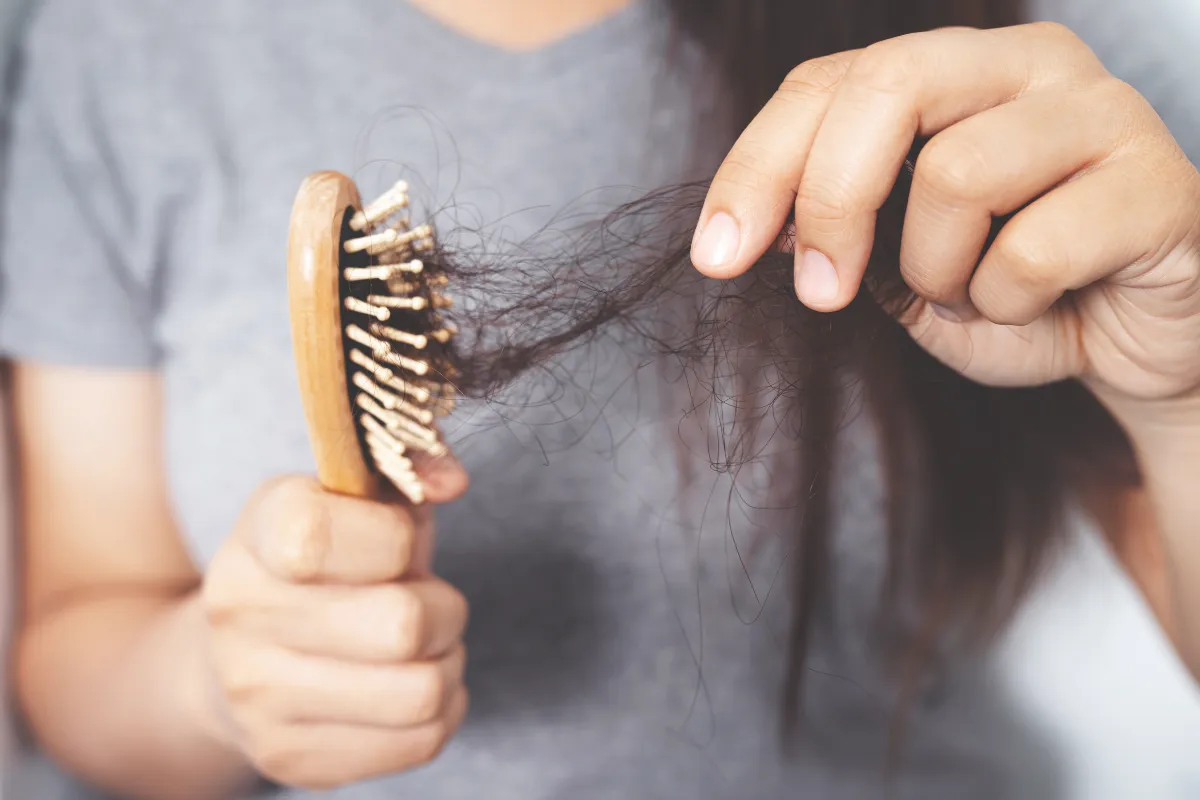
Table of Contents
Why Do Hair Problems Happen in the First Place?
Hair issues arise from a combination of internal and external factors, including hormonal changes, nutritional deficiencies, stress, genetics, improper hair care routines, heat styling, and environmental exposure. Identifying the underlying cause is the first step in addressing these problems effectively.
What Causes Hair Loss and Thinning, and How Can You Stop It?
Hair loss is one of the most common hair problems for both men and women. The primary causes include:
Genetics (Androgenetic Alopecia): Male or female pattern baldness.
Hormonal Imbalances: Thyroid disorders, PCOS, menopause, or high DHT levels.
Nutritional Deficiencies: Lack of iron, biotin, or protein.
Stress: Physical or emotional stress can disrupt the hair growth cycle.
Traction Alopecia: Caused by tight hairstyles.
Solutions:
Medical Treatments: Minoxidil, finasteride, PRP therapy, or hair transplant surgery for advanced cases.
Lifestyle Changes: Adopting a balanced diet, managing stress, and avoiding harsh chemicals can help reduce hair loss.
Why Is Your Hair Always Puffy and Unmanageable?
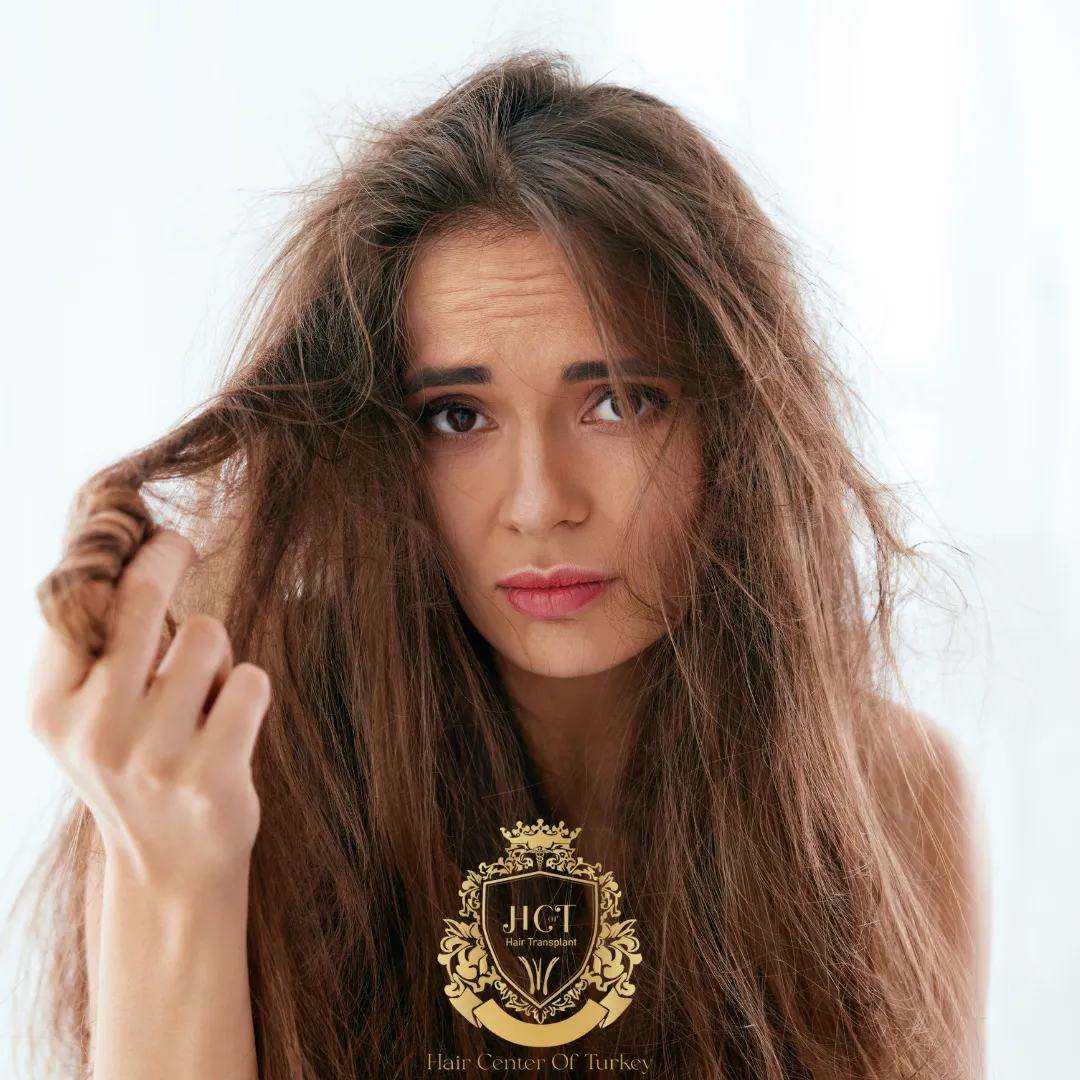
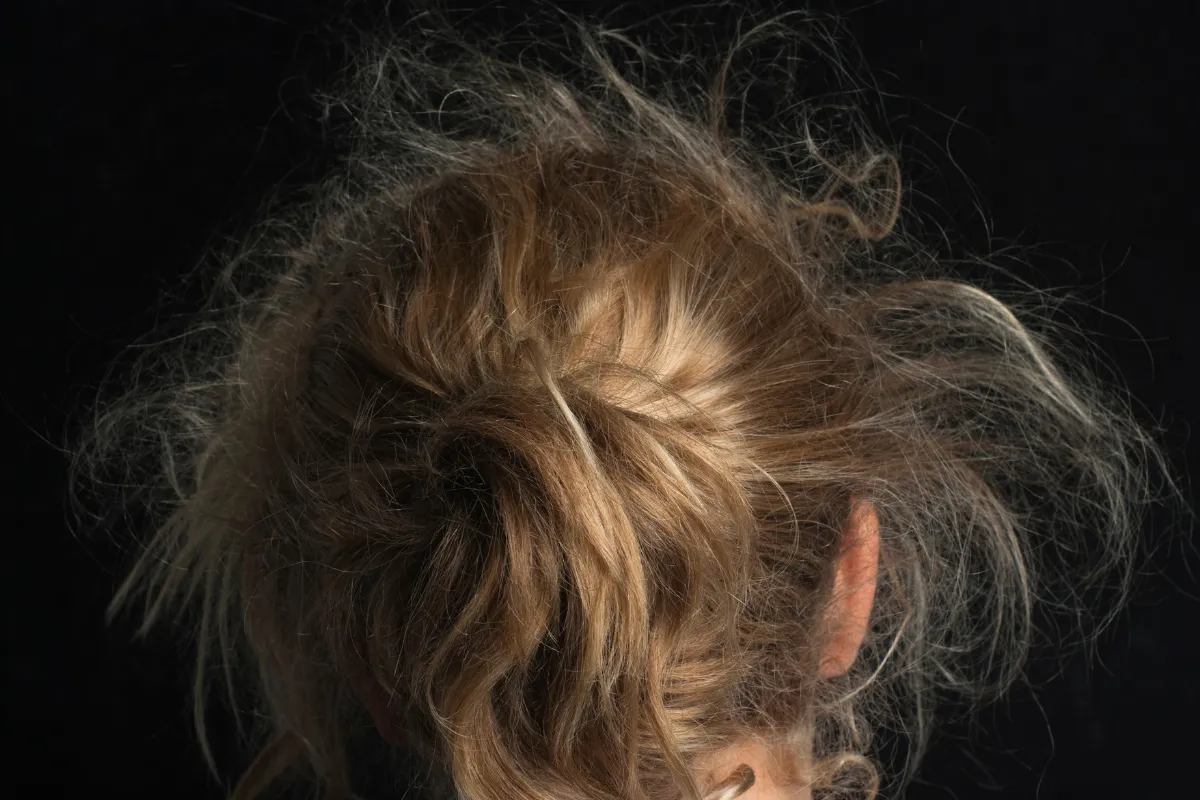
Frizz occurs when the hair cuticle lifts, allowing moisture to pass through and swell the hair shaft. This can be caused by humidity, over-washing, or heat styling.
Solutions:
Use sulfate-free, moisturizing shampoos and conditioners.
Apply leave-in creams or serums containing ingredients like argan oil or keratin.
Limit the use of heat styling tools and incorporate deep conditioning treatments weekly to nourish and smoothen your strands.
How Do You Stop Hair from Snapping?
Split ends and breakage are signs of over-processed, weak hair. Frequent coloring, bleaching, heat styling, and rough towel drying can weaken hair strands.
Solutions:
Trim your hair regularly (every 6-8 weeks).
Use a microfiber towel or T-shirt to gently dry your hair.
Apply heat protectants before styling and avoid tight elastic bands.
Incorporate protein masks and deep conditioning treatments to repair and strengthen damaged strands.
Dry Scalp and Dandruff: What’s the Difference and How Can You Treat It?
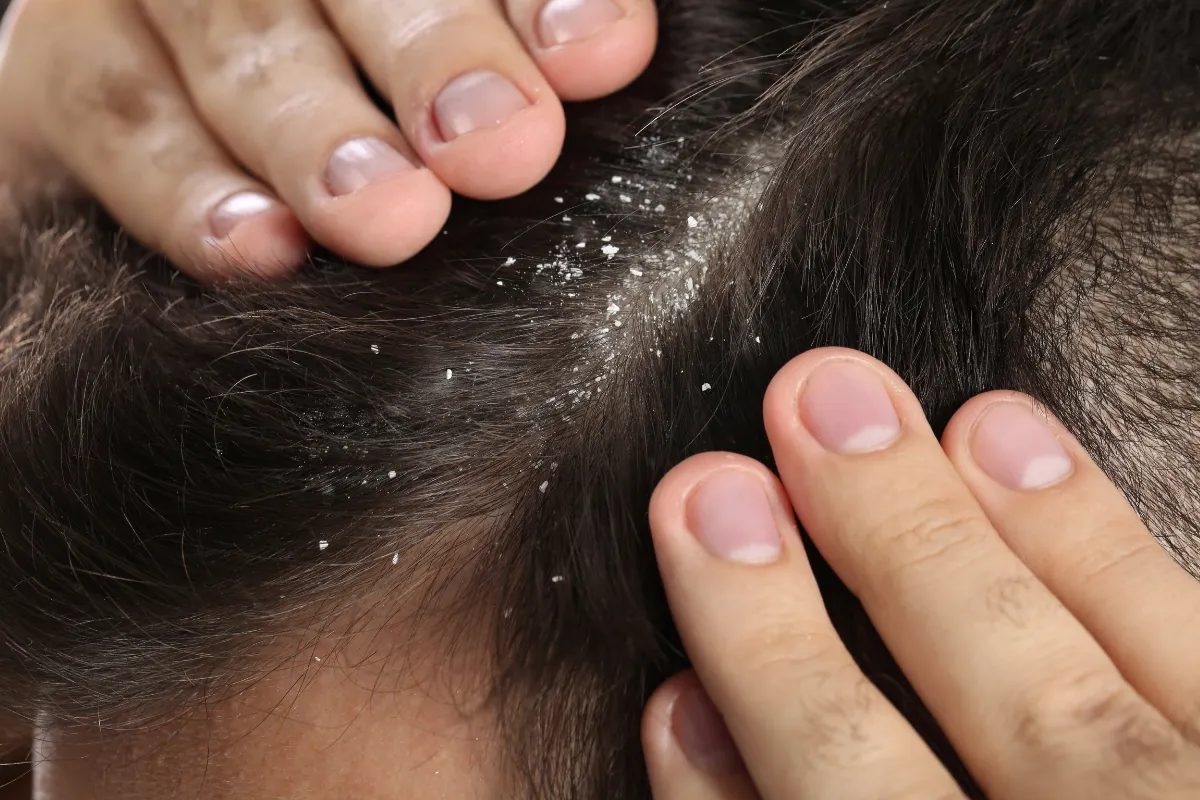
A dry scalp lacks moisture, causing tightness and flaking, while dandruff results from a fungal imbalance or excessive oil production, leading to white or yellow flakes and itchiness.
Solutions:
For dry scalp, use hydrating shampoos and oils like coconut or jojoba oil.
For dandruff, use anti-fungal shampoos containing ketoconazole, selenium sulfide, or zinc pyrithione.
Avoid scratching the scalp to prevent further irritation and buildup.
Why Does Your Hair Get Greasy So Fast?
Oily hair results from overactive sebaceous glands in the scalp, often caused by hormonal changes, harsh shampoos, or overwashing, which strips natural oils and triggers overproduction.
Solutions:
Wash your hair 2-3 times per week using a gentle, balancing shampoo.
Avoid heavy conditioners at the roots.
Use dry shampoo between washes to absorb excess oil and add volume.
Lack of Volume and Lifeless Hair: What Can You Do to Boost It?
Flat or thin-looking hair can result from fine hair texture, product buildup, or excess oil. Poor scalp health may also contribute to thin hair.
Solutions:
Use volumizing shampoos and lightweight conditioners.
Lift hair at the roots with a round brush while blow-drying.
Exfoliate your scalp weekly to improve circulation and promote healthier growth.
Can You Really Fix Common Hair Problems at Home?
Yes, many hair issues can be improved with proper care, the right products, and consistency. However, if symptoms persist or worsen, it’s advisable to consult a dermatologist or trichologist. They can provide a personalized diagnosis and treatment plan.
FAQs
How to fix all hair problems?
You can’t fix all hair problems; get diagnosis, treat cause, and follow evidence-based care.
What are the big 3 for thinning hair?
Finasteride, minoxidil, and ketoconazole shampoo are the common “big three” for androgenetic thinning.
What are common hair problems?
Dandruff, breakage, split ends, dryness, excess oil, frizz, thinning, and shedding are common.
How to identify hair problems?
Check scalp symptoms, shedding patterns, shaft damage, triggers, and see a dermatologist for diagnosis.
What repairs hair naturally?
Gentle handling, conditioning, and adequate protein, iron, and sleep restore hair strength over time.
Explore the complete guide: Hair Care and Products