

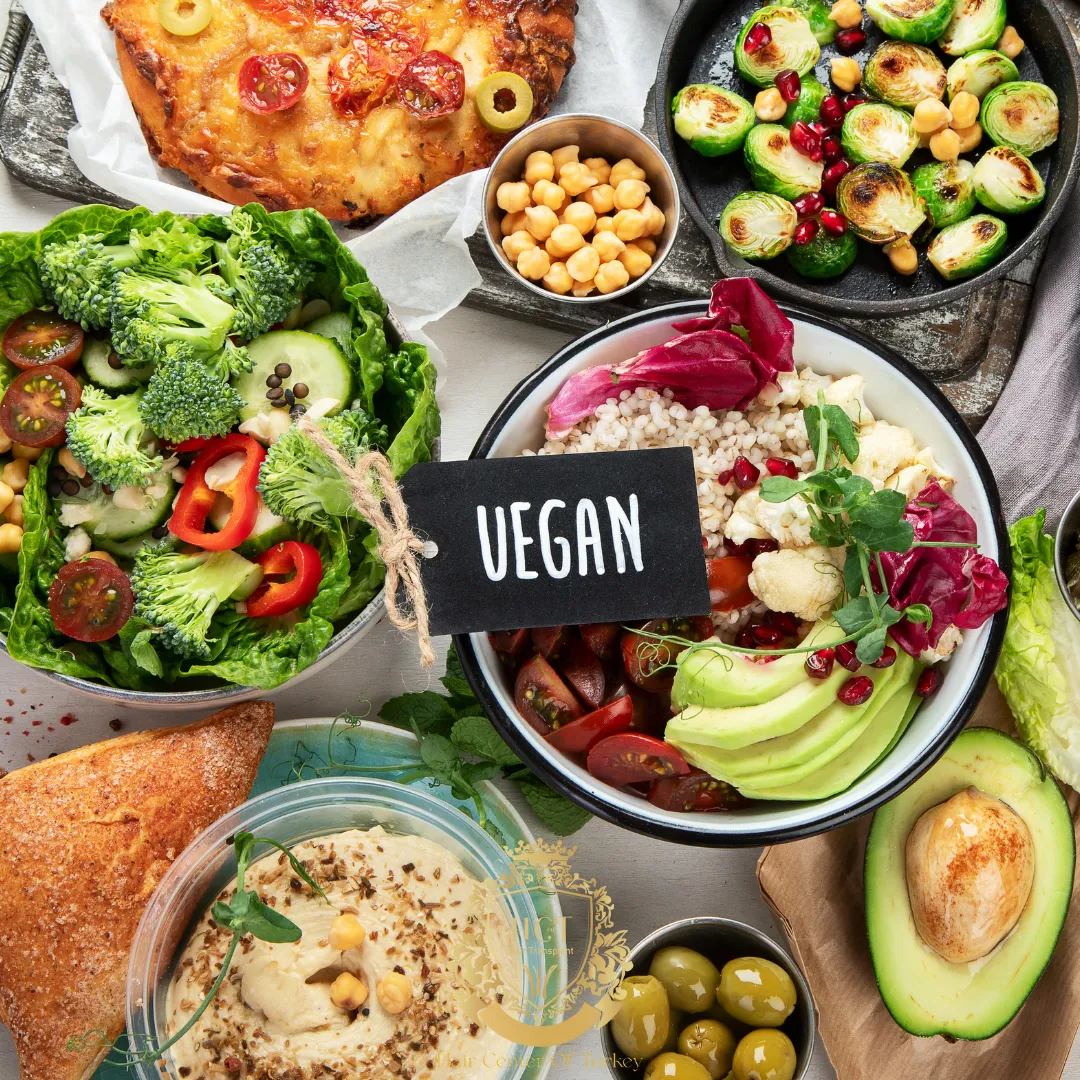
Is Vegan Hair Loss Real and What Can You Do About It?
Vegan hair loss is a real concern for some individuals transitioning to a plant-based lifestyle. While many vegans experience health benefits, including increased energy and improved ethical alignment, some report unexpected changes like hair thinning or shedding. This guide explores the relationship between veganism and hair health, what causes vegan hair loss, and how to prevent or reverse it.
Table of Contents
Can a Vegan Diet Cause Hair Loss?
A well-balanced vegan diet can provide numerous health benefits, but it can also lead to hair loss if not properly managed. Hair growth depends on a variety of nutrients, particularly protein, iron, zinc, vitamin B12, and omega-3 fatty acids. These nutrients are more readily available in animal-based foods and may be harder to obtain from plant-only sources unless the diet is carefully planned.
When transitioning to veganism, a sudden drop in these essential nutrients can disrupt the hair growth cycle, leading to shedding or thinning. Yes, vegan hair loss is real, but with proper planning, it is often temporary and preventable.
What Nutrient Deficiencies Are Linked to Vegan Hair Loss?
The most common nutrient deficiencies that contribute to hair loss among vegans include:
Protein: Hair is made up of keratin, a protein. A lack of adequate protein intake can weaken hair and slow regrowth.
Iron: Plant-based iron (non-heme) is less efficiently absorbed by the body. Low iron levels can cause anemia, reducing the oxygen supply to hair follicles.
Vitamin B12: Found almost exclusively in animal products, vitamin B12 is essential for red blood cell production and hair growth.
Zinc: Zinc plays a vital role in tissue repair and hair follicle function. A deficiency can lead to hair thinning and breakage.
Omega-3 Fatty Acids: These healthy fats nourish hair follicles and keep the scalp hydrated. While they are found in fish, they can also be obtained from flaxseeds, chia seeds, and algae-based supplements.
Is All Hair Loss on a Vegan Diet Due to Nutrition?
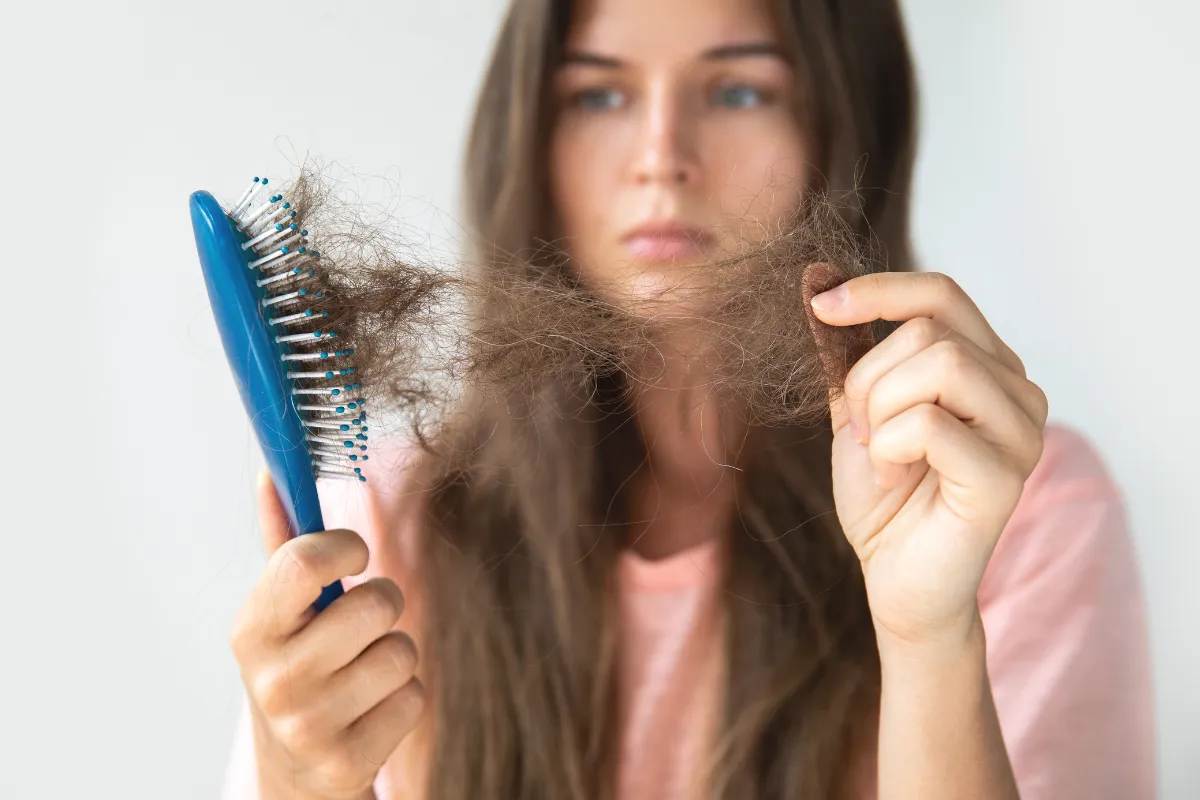
Not always. Stress, hormonal changes, genetic predisposition, and underlying health conditions can also contribute to hair loss. However, switching to a vegan lifestyle can be a stressor on the body initially, especially if the change is sudden and not well-balanced. In such cases, hair loss may occur as a response to dietary imbalance or adjustment.
How Can Vegans Prevent Hair Loss?
To prevent hair loss while following a vegan lifestyle, it’s essential to maintain a nutrient-rich, balanced diet. Consider the following steps:
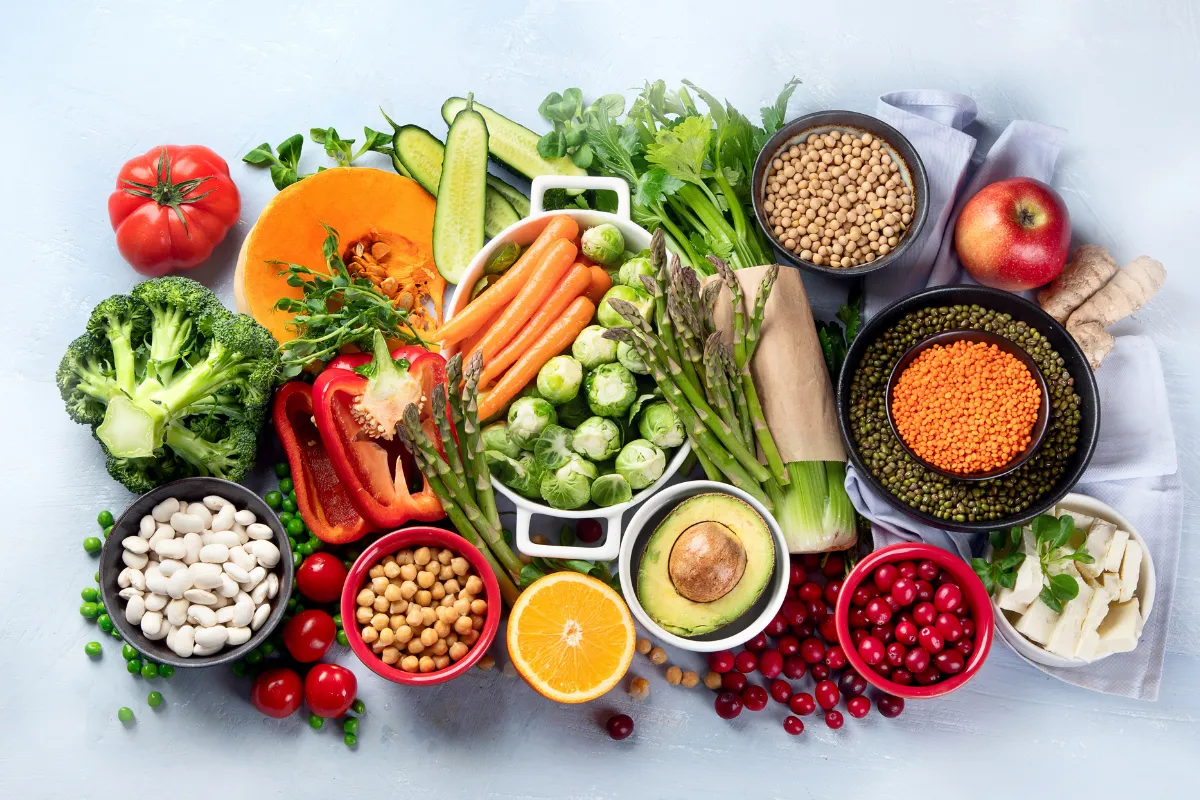
Include Protein-Rich Foods: Lentils, tofu, tempeh, chickpeas, quinoa, and other plant-based proteins.
Take a Vitamin B12 Supplement: Since it’s hard to obtain enough B12 from plant foods, supplementation is crucial.
Enhance Iron Absorption: Pair iron-rich foods like spinach, legumes, and fortified cereals with vitamin C-rich foods to enhance absorption.
Consume Zinc-Rich Foods: Pumpkin seeds, cashews, and whole grains are good sources of zinc.
Incorporate Omega-3 Sources: Walnuts, chia seeds, hemp seeds, and algae oil can help maintain scalp health.
Consult a Nutritionist: A registered dietitian can help create a personalized vegan meal plan that meets your nutritional needs for optimal hair and overall health.
Are There Vegan Hair Growth Supplements?
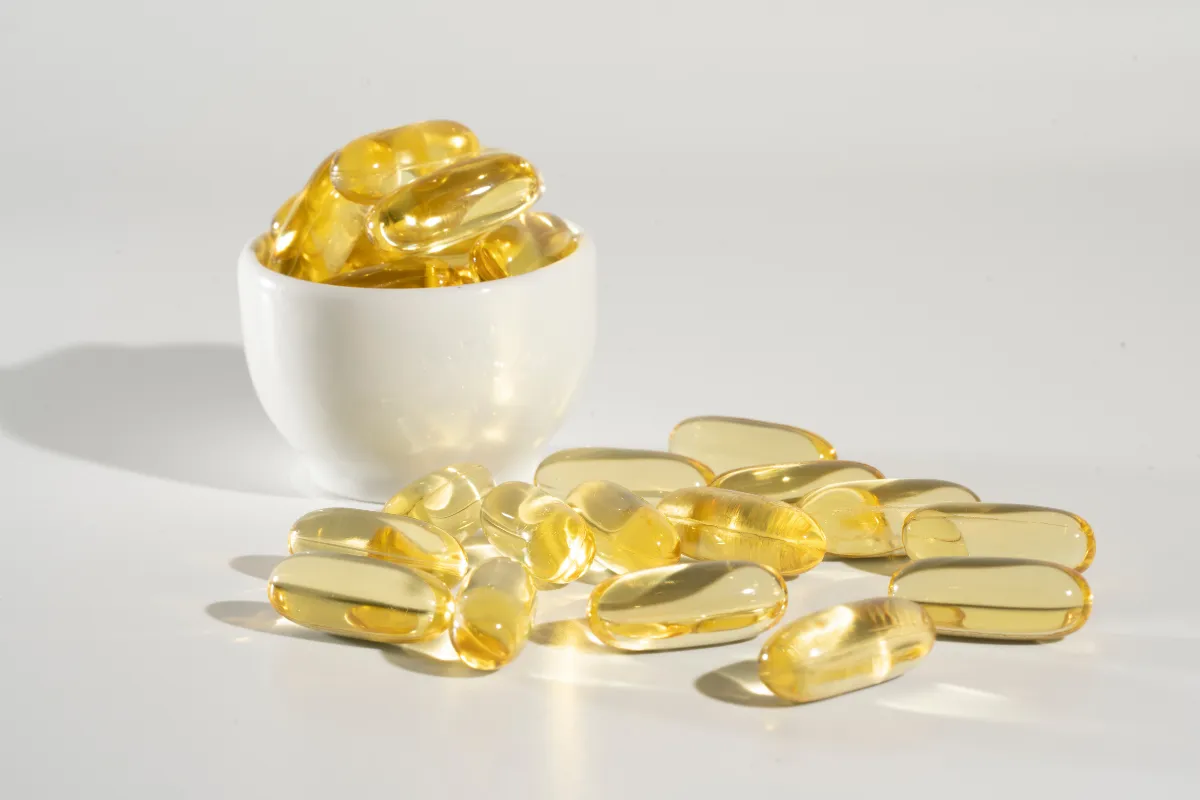
Yes, many vegan-friendly supplements cater specifically to those with dietary restrictions. These supplements typically contain plant-based sources of B12, iron, zinc, and omega-3s. Always check for labels that indicate the product is “vegan-friendly” or “100% plant-based.”
Before starting any supplement, it’s best to consult with a healthcare professional to ensure the product is suitable for your specific needs.
Can Hair Regrow After Nutrient-Related Vegan Hair Loss?
In most cases, yes. Once deficiencies are corrected through diet or supplementation, hair growth generally resumes. However, it may take several months for visible improvements to appear. Hair growth is a slow process, so consistency in nutrient intake is essential for long-term results.
Is Hair Loss Inevitable on a Vegan Diet?
No, hair loss is not an inevitable consequence of a vegan diet. Many vegans maintain healthy, thick hair throughout their lives by focusing on a balanced, nutrient-dense diet. The key is being informed and intentional about nutrition. A poorly planned diet, whether vegan or not, can lead to health issues, including hair loss, but a thoughtful approach supports both internal health and external appearance.
FAQs
How to stop vegan hair loss?
Correct nutrient deficiencies, meet protein/iron/zinc/iodine/B12 needs, manage stress, see dermatologist.
What vitamin deficiency causes hair loss in vegans?
Vitamin B12, iron, zinc, and iodine deficiencies most often contribute to vegan hair loss.
What is my body lacking if I’m losing hair?
Common causes include iron deficiency, low protein, zinc deficiency, thyroid disease, and low B12.
Can vitamin B12 reverse hair loss?
B12 can reverse hair loss only if B12 deficiency caused it.
Can too much vitamin D cause hair loss?
Yes, excessive vitamin D supplementation can trigger shedding via toxicity and high calcium.
Explore the complete guide: Hair Loss Types and Causes