

What Are The Non-Surgical Methods To Enhance Beard Density?
Quick Answer: Beard density can often improve without surgery through a consistent routine that supports follicles and reduces breakage. Common options include off-label topical minoxidil, carefully performed microneedling, and clinic-based PRP. Nutrition, sleep, and stress control also matter. Most people need 3–6 months of steady use, and a clinician should assess sudden patchy loss or scalp/skin disease.
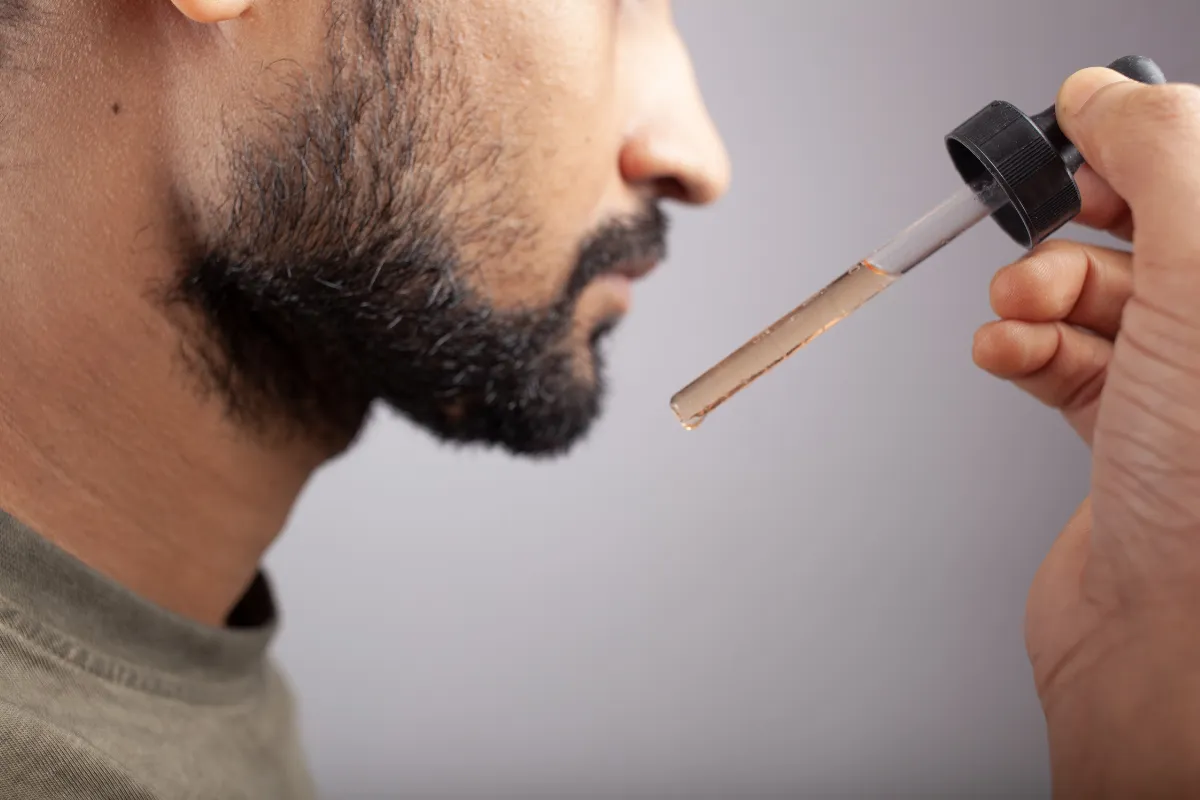
Table of Contents
Can Beard Density Improve Without Surgery?
Sometimes, yes—especially when you already have follicles but growth is slow, patchy, or the hairs are fine. Genetics set your baseline, but skin health, grooming habits, nutrition, and overall hormonal balance can influence how full the beard looks. Non-surgical methods work best when you commit to a routine and give follicles enough time to cycle.
What Are The Most Effective Non-Surgical Beard Enhancement Methods?
Topical Minoxidil (Off-Label For Beards)
Topical minoxidil is FDA-approved for scalp hair loss, but many men use it off-label on the beard area to encourage thicker-looking growth. Results vary, and the evidence base for facial hair is smaller than for the scalp, so expectations should stay realistic. Start with a patch test and choose a formulation you can tolerate (foam is often less irritating than solution).
Common tips: apply to clean, dry skin; avoid broken or inflamed skin; wash hands after use; and stop if you develop significant irritation, swelling, dizziness, or heart palpitations. If you have eczema, psoriasis, rosacea, or a history of heart problems, ask a clinician before starting.
Microneedling
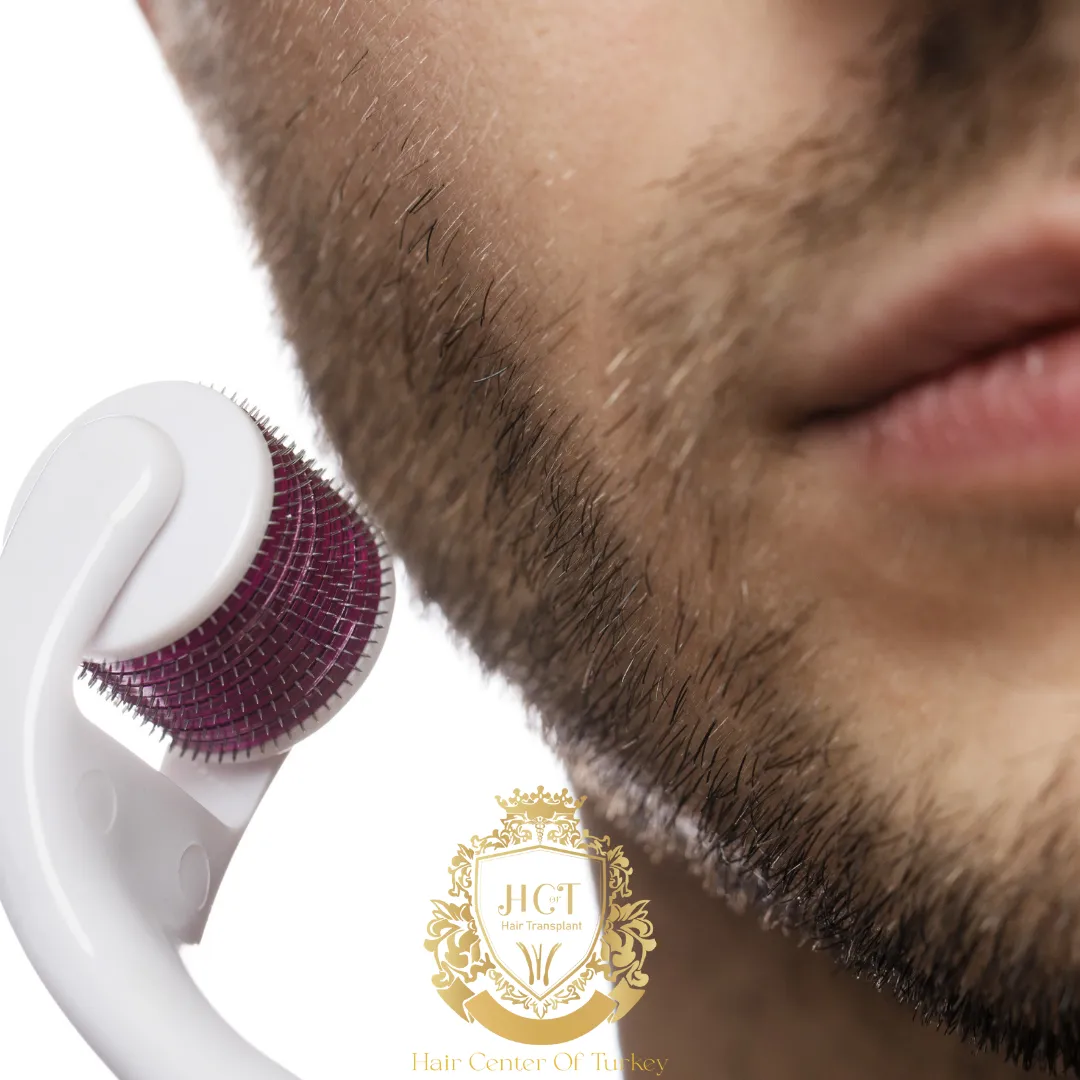
Microneedling uses very small needles to create controlled micro-channels in the skin. This can support collagen remodeling and may improve topical absorption, which is why some routines pair it with growth topicals. For at-home use, hygiene and technique matter more than needle length—poor practices can trigger irritation or infection.
Avoid microneedling over active acne, dermatitis, or open cuts. Many clinicians also recommend spacing microneedling and strong topicals (including minoxidil) to reduce stinging and dryness. If you’re unsure, in-clinic microneedling is safer than experimenting aggressively at home.
Beard Serums And Oils
Serums and oils can’t create new follicles, but they can make the beard look denser by improving hair shaft condition and reducing breakage. Look for simple, fragrance-light formulas if your skin is sensitive, and prioritize consistent cleansing to prevent clogged pores. If a product causes itching, burning, or flaking, discontinue it and switch to a gentler option.
Nutrition And Supplements (Biotin, Zinc, Vitamin D)
Supplements help most when they correct a true deficiency. Low vitamin D, low iron/ferritin, or inadequate protein intake can affect hair quality, while excess supplementation can backfire. If you’re considering biotin, zinc, or vitamin D, it’s worth discussing labs with a clinician so you’re treating the right problem.
Never exceed recommended doses, especially with zinc and fat-soluble vitamins. If you take biotin, tell your healthcare provider before blood tests, since it can interfere with some lab results.
PRP (Platelet-Rich Plasma) Therapy
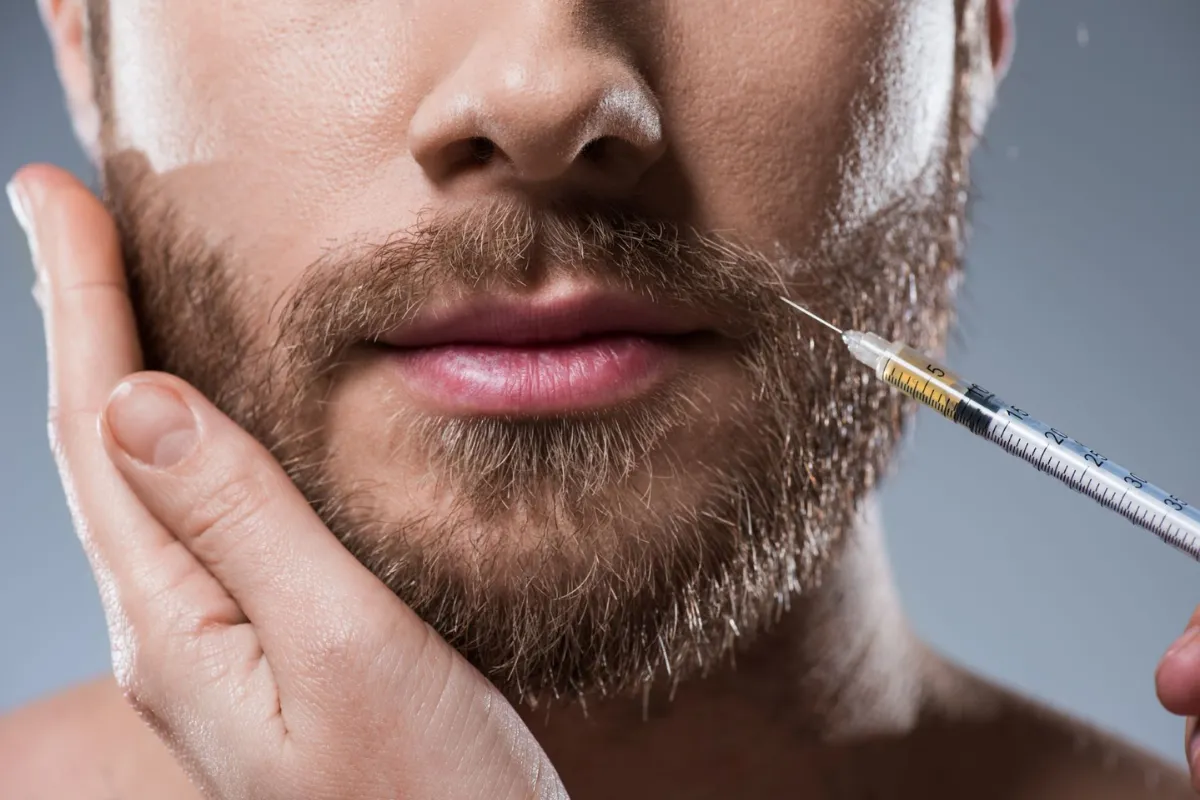
PRP is an in-clinic treatment that uses your own blood: a sample is processed to concentrate platelets, then injected into targeted areas. In hair medicine, PRP is used most often for scalp thinning; some clinics also use it to support beard density, particularly when follicles are present but underperforming. Downtime is usually minimal, but multiple sessions are typically needed to judge response.
Because protocols differ (needle depth, spacing, platelet concentration), outcomes can vary. A reputable clinic will explain the plan, what results are realistic, and whether PRP makes sense for your pattern of patchiness.
Lifestyle And Hormonal Health
Beard growth is slow biology, so the basics still matter: adequate sleep, steady protein intake, resistance training, and stress management. Smoking and chronic inflammation can worsen hair quality and skin health. If you notice sudden patchy loss, scaling, or redness, consider a dermatology evaluation to rule out conditions like dermatitis or alopecia areata.
Who Can Benefit From Non-Surgical Beard Thickening Methods?
Non-surgical methods tend to help most when follicles already exist and the goal is to improve density, thickness, or uniformity.
Men with patchy or slow-growing beards
People whose beard hairs are fine and easily break
Individuals in the early stages of beard thinning
Those looking to enhance grooming results without surgery
Men who want supportive care alongside a clinical plan (for example, PRP)
When Non-Surgical Options May Not Be Enough
If an area has long-standing scarring, burns, or complete absence of follicles, topical and lifestyle approaches usually can’t create hair where follicles don’t exist. The same is often true for advanced, stable patches of hair loss that don’t respond over time. In those cases, a clinical evaluation can clarify whether medical treatment, camouflage, or a transplant discussion makes more sense.
FAQs
How can I increase the density of my beard?
Use time, good skin care, and consider dermatologist-supervised minoxidil or beard transplant.
How to add density to a beard?
Grow it longer, keep skin healthy, and consider minoxidil under medical guidance.
What is the 3 month beard rule?
Grow your beard for 3 months before judging density or trimming significantly.
How to fix a low density beard?
Improve grooming and length, treat skin issues, and consider minoxidil or transplant.
What is the 4 week beard rule?
Let it grow 4 weeks without trimming to evaluate growth pattern and patches.
Does a patchy beard mean low testosterone?
No, patchiness is usually genetic, not low testosterone, unless other hypogonadism symptoms.
Explore the complete guide: Hair Transplant Techniques