

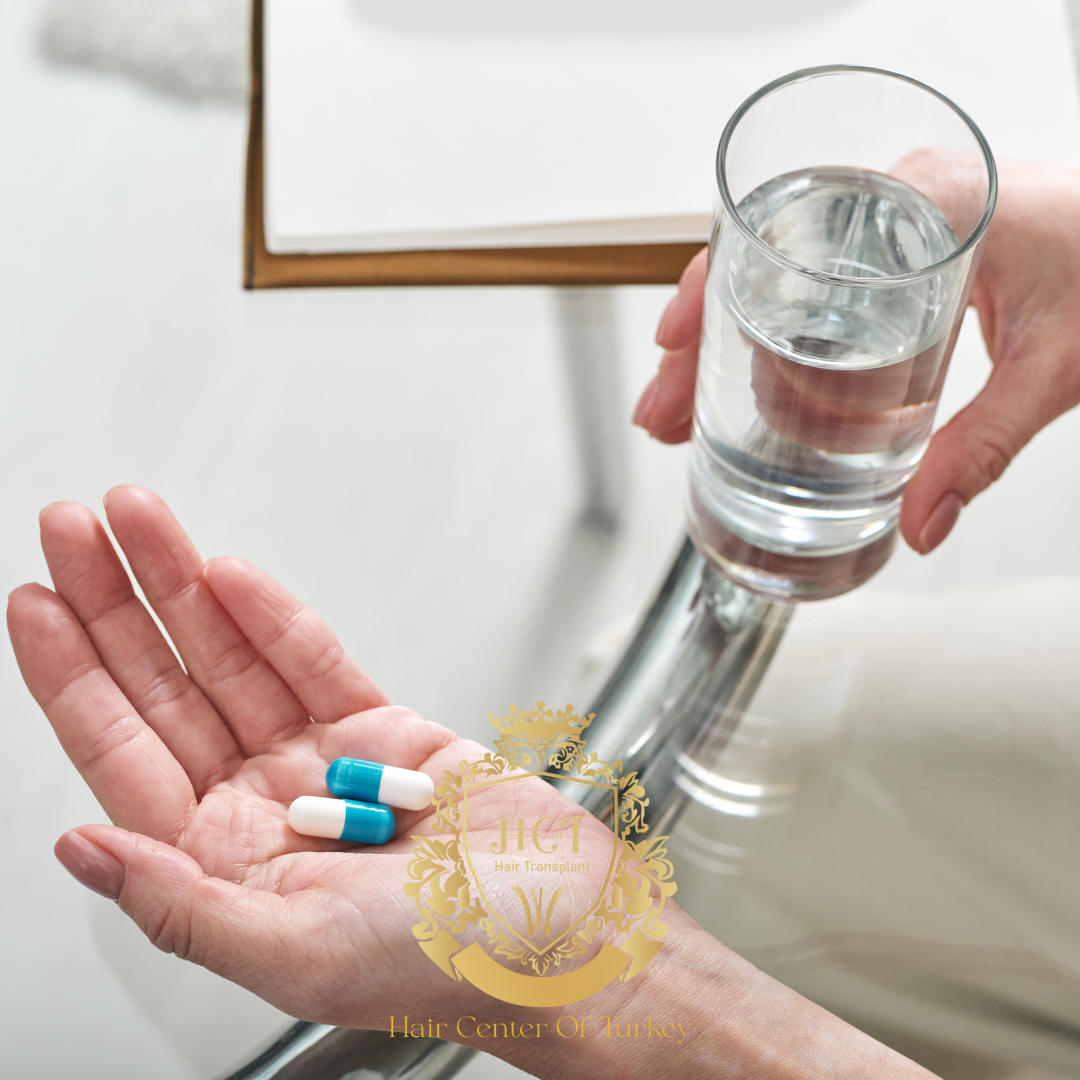
What Medications Are Used In Hair Transplantation?
Hair transplant medications typically include local anesthetics to numb the scalp, short-term antibiotics to reduce infection risk, anti-inflammatory medicines to control swelling, and mild pain relievers for comfort. Some patients may also use hair growth support like minoxidil or finasteride after healing. Your plan depends on your medical history and surgeon’s protocol.
Hair transplantation involves moving healthy follicles (usually from the donor area) to areas affected by thinning. Medications help keep you comfortable during the procedure and support clean, predictable healing afterward. At Hair Center of Turkey, medication choices are planned around your medical history, allergies, and the technique used, so aftercare feels clear and manageable.
Table of Contents
Local Anesthetics Used During Hair Transplantation
Hair transplants are usually performed under local anesthesia, so you stay awake while the scalp is numbed.
Common options may include:
- Lidocaine
- Articaine
- Bupivacaine (often chosen for longer-lasting numbness)
These are used to block pain in both the donor and recipient areas. In many clinics, the anesthetic may be combined with a vasoconstrictor (commonly epinephrine) to reduce bleeding and extend numbing time.
Safety note: Always share any past reactions to dental or surgical anesthetics before your procedure.
Antibiotics For Infection Prevention
Because the procedure involves tiny incisions, some surgeons prescribe antibiotics to lower the risk of infection during early healing.
Common examples include:
- Amoxicillin
- Azithromycin
- Other options depending on your history and local protocols
Antibiotics are usually short-term and may start on the day of surgery or immediately after. The exact drug and duration vary, especially if you have allergies or stomach sensitivity.
Anti-Inflammatory Medications For Swelling
Mild swelling can occur after a hair transplant, often around the forehead and sometimes near the eyes. Anti-inflammatory medications help reduce this.
Common examples include:
- Prednisolone
- Dexamethasone
These are typically used for a short period, often just a couple of days, based on your swelling risk and your clinic’s routine.
Painkillers And Comfort Medications
Most patients describe hair transplantation as more “sore” than painful after the numbness wears off. A simple pain plan is usually enough.
Common options include:
- Paracetamol (Acetaminophen)
Important note on NSAIDs: Some clinics prefer to avoid ibuprofen or naproxen around the time of surgery due to potential bleeding risk. Use them only if your surgeon specifically approves them.
Sedatives For Anxiety (Optional)
If you feel anxious, a mild sedative may be offered in select cases.
Examples sometimes used:
- Diazepam
- Midazolam (clinic-administered, monitored)
Sedation isn’t required for most patients, but it can make the day easier for those with strong procedure-related anxiety. If you receive a sedative, you may need someone to accompany you home.
Post-Operative Hair Growth Medications
Some patients are advised to use hair-loss medications after the transplant area has stabilized to support ongoing hair retention and improve overall density.
Minoxidil (Topical)
Minoxidil is applied to the scalp to support hair growth cycles and may help strengthen surrounding native hair. Your clinic will tell you when it’s safe to start, since applying it too early can irritate healing skin.
Finasteride (Oral)
Finasteride is commonly used for male pattern hair loss to reduce DHT-related thinning. It’s not suitable for everyone and should be discussed carefully, especially if you have concerns about side effects or family planning.
Topical Sprays And Solutions For Healing
Simple topical care supports graft survival by keeping the scalp clean and comfortable.
Common aftercare products include:
- Saline solution to keep the area hydrated
- Panthenol spray or soothing products (such as aloe-based formulas) to reduce dryness and itching
Use only what your clinic recommends, since harsh or fragranced products can irritate the scalp in the first phase of healing.
Antihistamines For Itching
Itching is a normal part of healing for many patients, especially as scabs form and shed.
Common options include:
- Cetirizine
- Loratadine
These can reduce the urge to scratch, which is important because scratching can disturb grafts in the early days.
Medication Safety Tips Before And After Surgery
- Share a full list of your medications and supplements, including blood thinners and herbal products.
- Tell your team about any history of allergies, asthma, or reactions to anesthesia.
- Take only the medications your surgeon prescribes or approves for your specific case.
- If you develop rash, breathing difficulty, unusual swelling, fever, or severe pain, contact your clinic promptly.
FAQs
What medications are used for hair transplantation?
Local anesthetic (lidocaine with epinephrine), plus antibiotics, analgesics, and sometimes steroids.
What is the new medication for hair growth?
Deuruxolitinib is a newer FDA-approved drug for severe alopecia areata regrowth.
What is the best long-term medication for hair transplantation?
Finasteride and/or minoxidil are best-studied long-term for maintaining non-transplanted hair.
What medications are necessary for hair transplantation?
Local anesthesia is necessary; other drugs are optional and surgeon-specific.
Explore the complete guide: Medical Safety and Eligibility