

Does Rice Water Really Make Your Hair Grow Faster?
Rice water has not been proven to make hair follicles grow faster. What it can do for some people is improve slip, shine, and elasticity, which may reduce breakage and help you retain length. Use it about once a week, rinse well, and stop if you notice dryness, stiffness, or scalp irritation.
Table of Contents
What Is Rice Water, And Why Do People Use It?
Rice water is the cloudy liquid left after rinsing, soaking, or boiling rice. It contains starch and small amounts of rice-derived compounds that can temporarily coat the hair shaft. It’s also tied to traditional hair-care practices in parts of Asia, which helped drive its modern popularity.
Does Rice Water Actually Make Hair Grow Faster?
If by “grow faster” you mean increasing the speed of hair coming out of the follicle, there isn’t solid clinical evidence that rice water does that. Most support for rice water is anecdotal—people notice softer hair or less breakage, then assume growth accelerated. That’s length retention, not a true change in growth rate.
A small body of cosmetic-science research suggests rice rinse water may reduce surface friction and improve hair elasticity, which can translate to fewer snapped hairs during brushing and styling. That can make hair look fuller and longer over time, even without changing the follicle’s biology.

What Rice Water Can Help With
1) Less Breakage And Better Slip
Hair that tangles less is hair that breaks less. A rice-water rinse may leave a light coating that improves comb-through and reduces mechanical damage. This is one reason some people see “results” within a few weeks—texture changes show up sooner than growth changes.
2) Shine And Smoother Texture
The starch in rice water can smooth the cuticle temporarily, so hair looks shinier and feels less rough. It’s a cosmetic effect, similar to how some conditioners make hair feel sleek after rinsing.
3) Scalp Comfort For Some, Irritation For Others
Some people report a calmer scalp, especially if their routine becomes gentler overall. Others get itching or dryness from buildup, fragrance, or fermentation byproducts. How your scalp responds matters more than internet before-and-after photos.
How To Use Rice Water Safely
Rice water works best as an occasional rinse, not a daily treatment. Overuse is where most problems start—stiffness, residue, and dry-feeling hair.
Simple Rice Water Rinse (Low-Risk Method)
- Rinse 1/2 cup of uncooked rice to remove surface debris.
- Soak the rice in 2–3 cups of water for 20–30 minutes, then strain.
- Shampoo first, then pour the rice water over the scalp and lengths.
- Massage gently for 1–2 minutes, leave on for 5–10 minutes, then rinse well.
- Use once weekly to start. If your hair feels great, you can keep that cadence.
Fermented Rice Water: When To Be Cautious
Fermentation can change the pH and scent, and it may irritate sensitive scalps. If you try it, keep the process conservative and prioritize hygiene.
- Ferment at room temperature only until a mild sour smell appears (often 12–24 hours), then refrigerate.
- Discard if it smells strongly off, looks moldy, or has been stored too long.
- Patch test on a small area of scalp first.
- Always rinse thoroughly after use.
How Often Should You Use It?
For most hair types, once a week is plenty. If your hair is fine, low-porosity, or easily gets buildup, every 10–14 days may be safer. If your hair becomes stiff or dry, scale back or stop.
Possible Side Effects And Common Mistakes
Protein Or Starch Buildup
Rice water can make hair feel coated or crunchy when it’s used too often or left on too long. If that happens, switch to a clarifying shampoo day and pause rice water for a couple of weeks.
Scalp Irritation
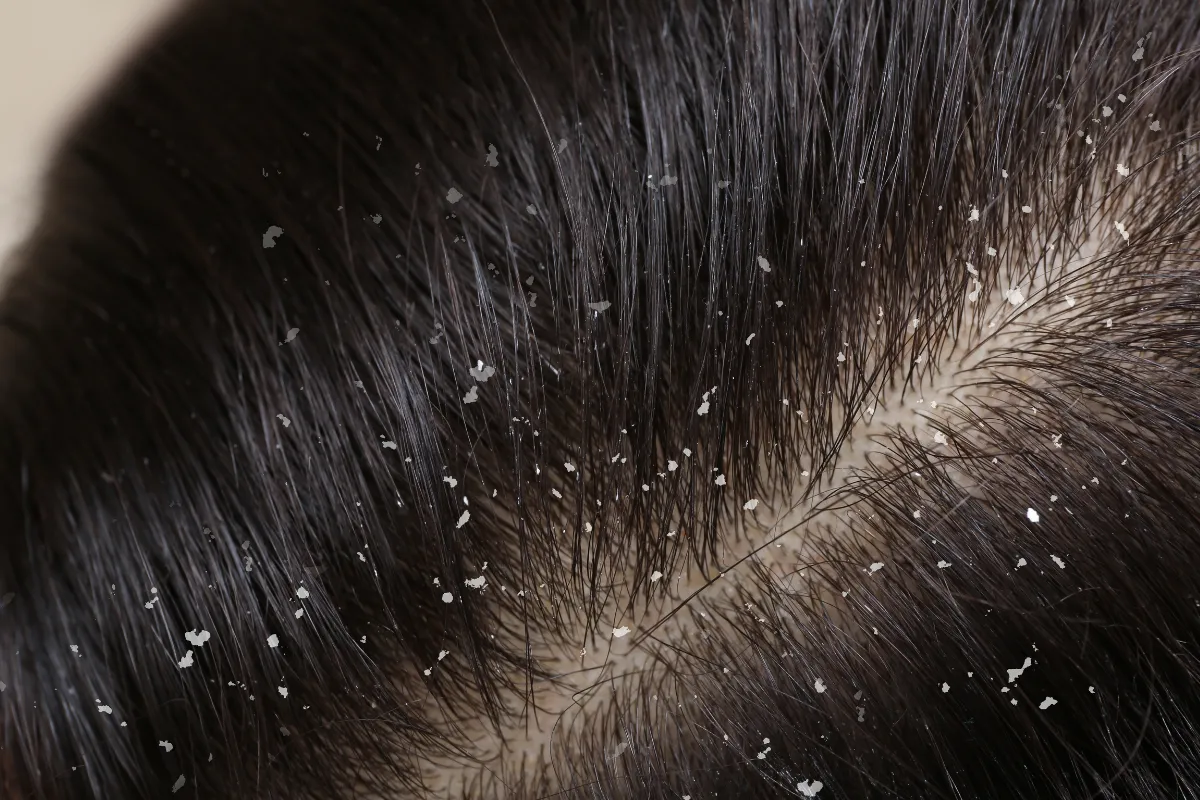
Itching, flaking, or burning can happen, especially with fermented mixtures or if you already have seborrheic dermatitis, eczema, or psoriasis. Stop the rinse and treat the underlying scalp condition instead of pushing through discomfort.
Skipping Rinsing Or Leaving It Overnight
Leaving rice water on for hours increases residue and irritation risk. A short contact time followed by a thorough rinse is usually enough.
Who Should Avoid Rice Water (Or Get Medical Advice First)
- Anyone with a very itchy, inflamed scalp or open sores
- People with known rice allergy or contact dermatitis triggers
- Those with active scalp infections (suspected fungal infection, oozing, pustules)
- Anyone experiencing sudden patchy hair loss or rapid shedding
If You Want Faster Growth, What Works Better?
If your goal is true growth support, focus on evidence-based steps: diagnose the cause of shedding, treat scalp inflammation, and use proven therapies when indicated. Depending on the pattern, that may include topical minoxidil, anti-dandruff treatments for seborrheic dermatitis, or targeted medical care for conditions like alopecia areata.
FAQs
Does rice water speed up hair growth?
No; evidence is limited, and it mainly improves hair feel and shine.
How long does it take to make rice water for hair growth?
About 30 minutes soaking, or 12–24 hours if fermented.
What are the negatives of rice water for hair?
Dryness, buildup, scalp irritation, unpleasant odor, and contamination risk are possible.
How to make your hair grow faster?
Eat adequate protein/iron, treat scalp issues, avoid breakage, and manage hair loss.
What happens if I put rice water on my hair every day?
Daily use may cause buildup or irritation; reduce frequency if dryness occurs.
Explore the complete guide: Hair Care and Products