Effects of Salt Water on Hair
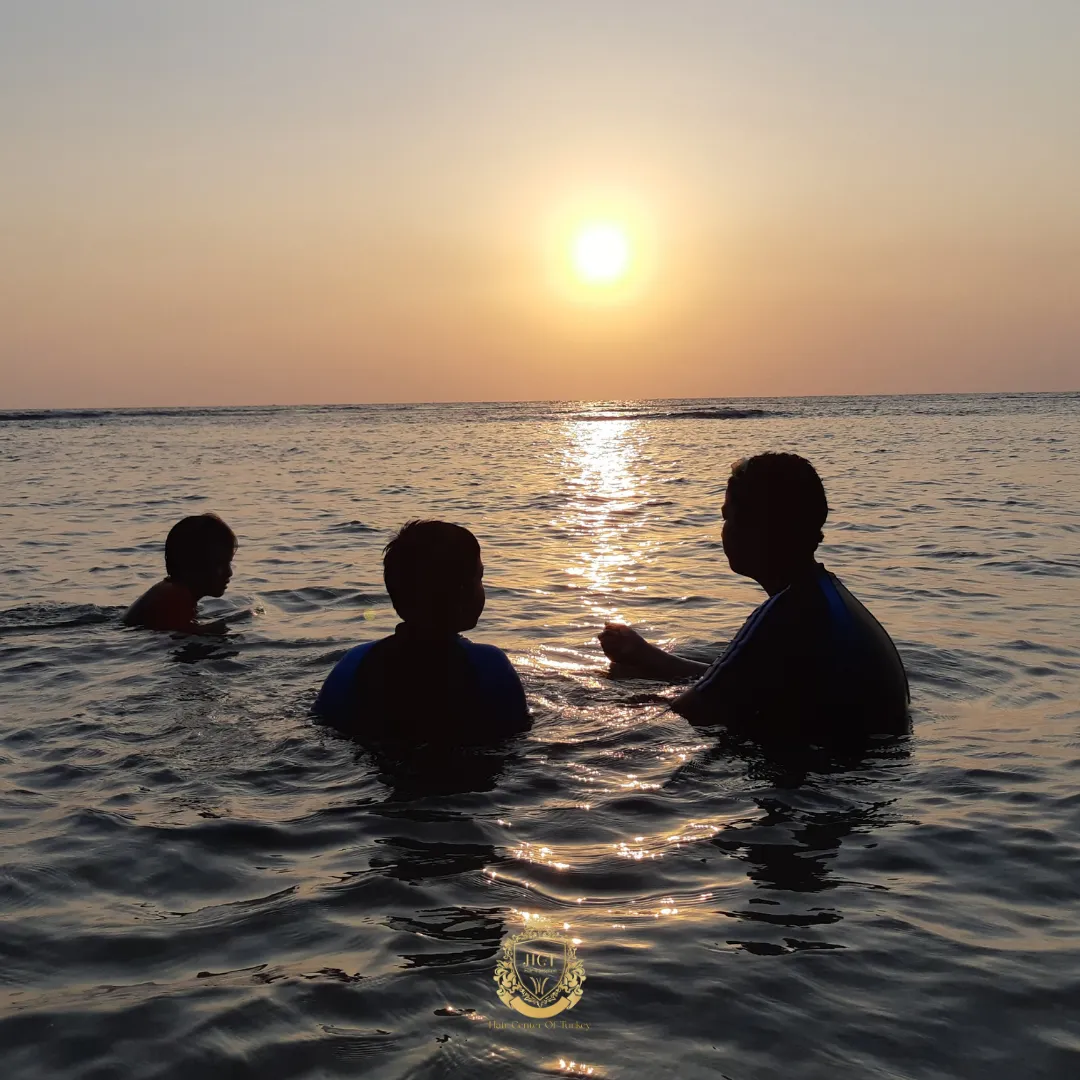
Salt water can give hair a textured, beachy look and may help reduce excess scalp oil, but it also pulls moisture from the hair shaft. Frequent exposure can leave hair dry, brittle, tangled, and more likely to fade if it’s color-treated. Rinsing with fresh water and using conditioner before and after swimming helps limit damage.

How Salt Water Affects Hair
Ocean water contains salts and minerals that can roughen the hair cuticle. When the cuticle lifts, hair feels less smooth, loses moisture more easily, and tangles faster—especially if you spend time in the sun and wind at the same time.
A little exposure isn’t usually a problem, but repeated swims without rinsing and conditioning can lead to persistent dryness, split ends, and breakage. Porous or chemically treated hair tends to show these effects sooner.
Potential Benefits of Sea Water for Hair
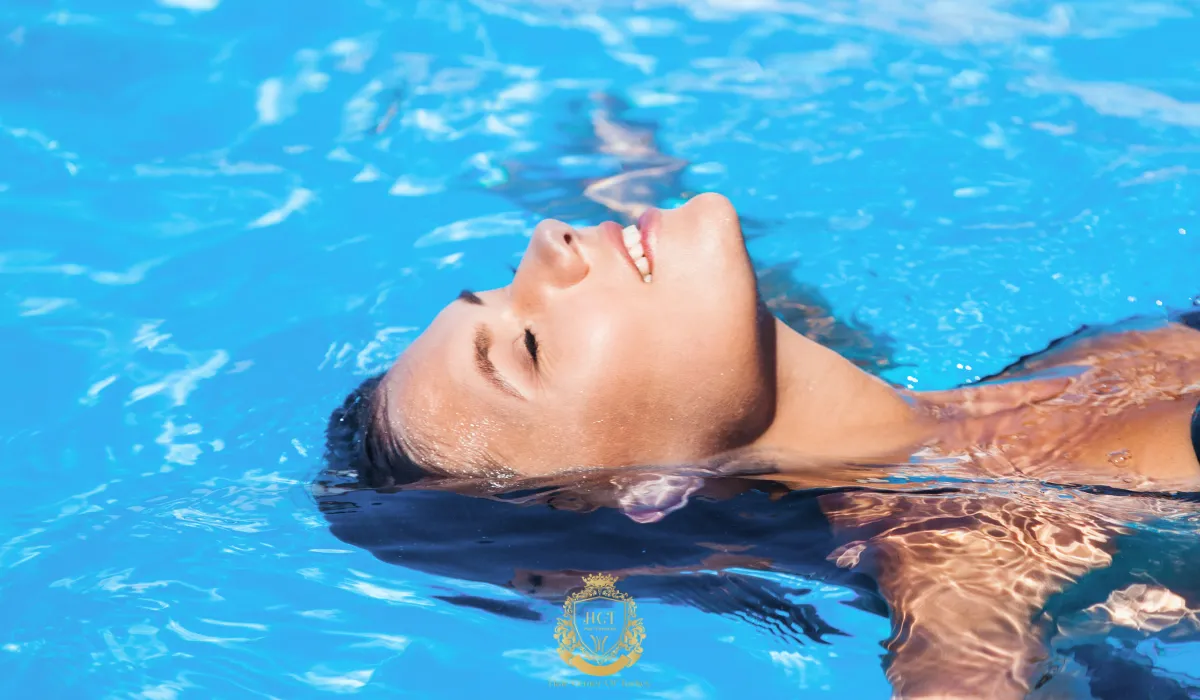
In moderation, sea water can be useful for certain hair and scalp needs. The key is keeping exposure short and restoring moisture afterward.
- Adds natural texture — Enhances waves and curls, creating a fuller “beach hair” finish.
- Helps cleanse the scalp — Can reduce excess oil and loosen product buildup.
- May support circulation — Scalp massage and water movement may encourage blood flow, which supports overall scalp health.
Common Risks of Sea Water on Hair Health
Salt draws water out of the hair, and that moisture loss is what causes most problems. Risk is higher for curly, bleached, highlighted, or color-treated hair.
- Dryness and brittleness — Hair can feel stiff and straw-like, making it easier to snap.
- Increased tangling — A rougher cuticle means more friction, so hair knots faster.
- Breakage and split ends — Dry strands have less flexibility and break under brushing or styling.
- Faster color fading — Salt, sun, and frequent rinsing can dull salon color sooner.
- Scalp irritation in some people — Salt and sand can trigger itching or tightness on sensitive scalps.
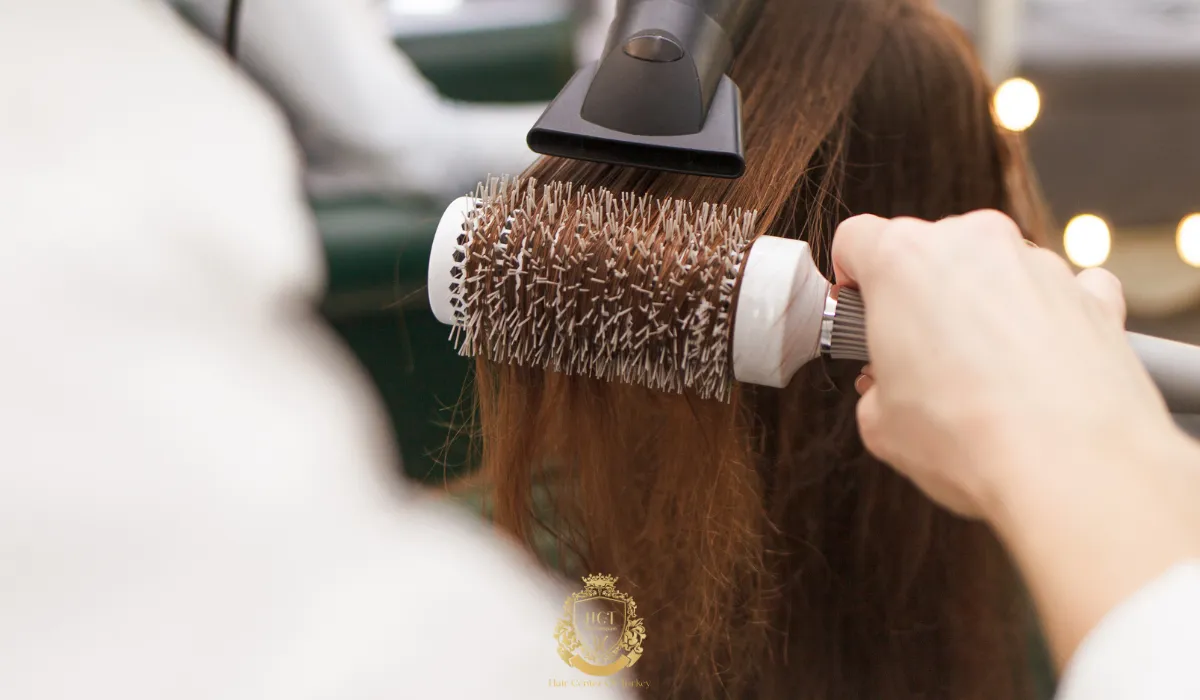
How to Protect Hair from Salt Water Damage
You don’t need to avoid the beach to protect your hair. A few small habits make a noticeable difference.
- Rinse before swimming: Wet hair with fresh water so it absorbs less salt.
- Use a leave-in conditioner: Creates slip and helps reduce moisture loss.
- Seal ends with a light oil: A small amount of coconut or argan oil can help slow dehydration.
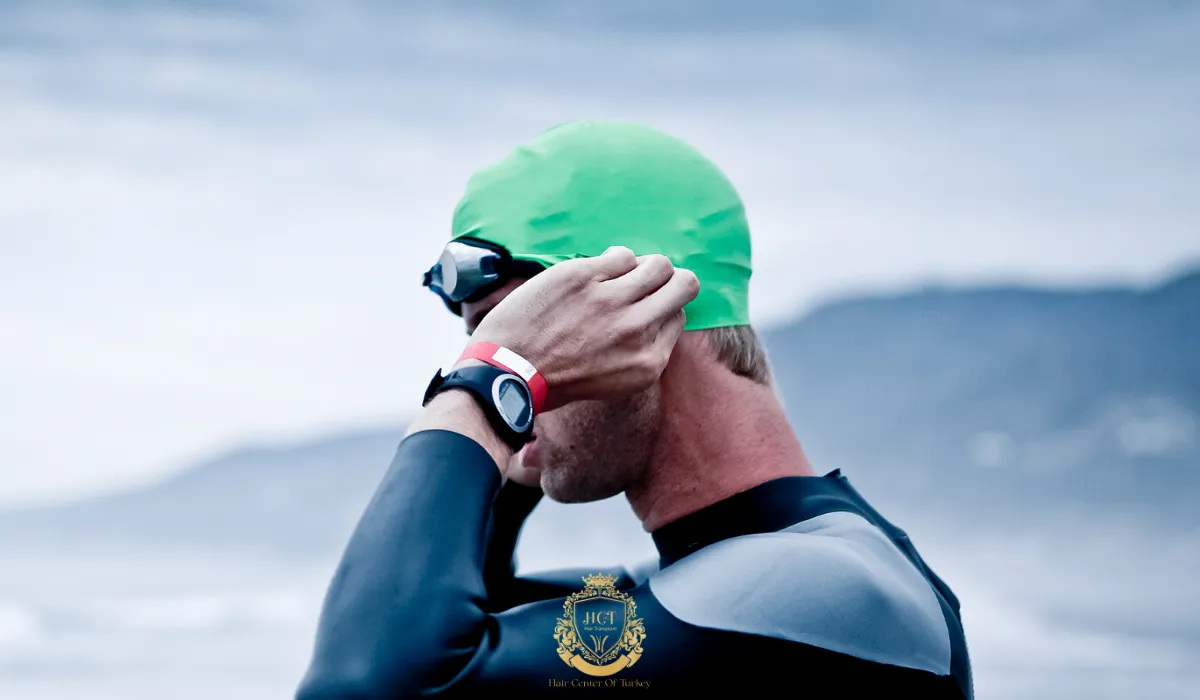
- Keep hair contained: A braid or bun reduces tangling; a swim cap offers the most protection.
- Rinse and condition right after: Shampoo if needed, then follow with a rich conditioner or mask.
- Detangle gently: Use fingers or a wide-tooth comb on damp, conditioned hair.
FAQs
Does salt water help hair growth?
Salt water may make the scalp feel cleaner, but it isn’t a proven hair-growth treatment. If it dries out your hair or irritates your scalp, it can work against healthy growth. Focus on scalp comfort, hydration, and gentle handling.
How often is it okay to swim in the ocean?
Occasional swimming is typically fine if you rinse and condition afterward. If you’re in the sea several times a week, add extra moisture (leave-in + mask) and trim split ends as needed.
Can sea water help with dandruff?
Some people notice less oil and fewer flakes after swimming, but salt can also irritate sensitive skin. If dandruff is persistent, itchy, or inflamed, a medicated shampoo or dermatologist advice is usually more effective.
Explore the complete guide: Hair Care and Products