Short answer: Nizoral shampoo won’t cure pattern hair loss on its own, but it can reduce shedding linked to dandruff, seborrheic dermatitis, or scalp inflammation, and some evidence points to a mild anti-androgen effect on the scalp. Used 2–3 times a week, it works best as a support treatment alongside minoxidil or finasteride, not as a replacement for them.
Can Nizoral Shampoo Treat Hair Loss?
Nizoral (ketoconazole) shampoo can support hair retention when dandruff, seborrheic dermatitis, or scalp inflammation is driving shedding. Some small studies suggest ketoconazole may also help early pattern hair loss, but it isn’t a stand‑alone cure. Think of it as a scalp treatment that can complement proven options like minoxidil or finasteride.What Nizoral Shampoo Is
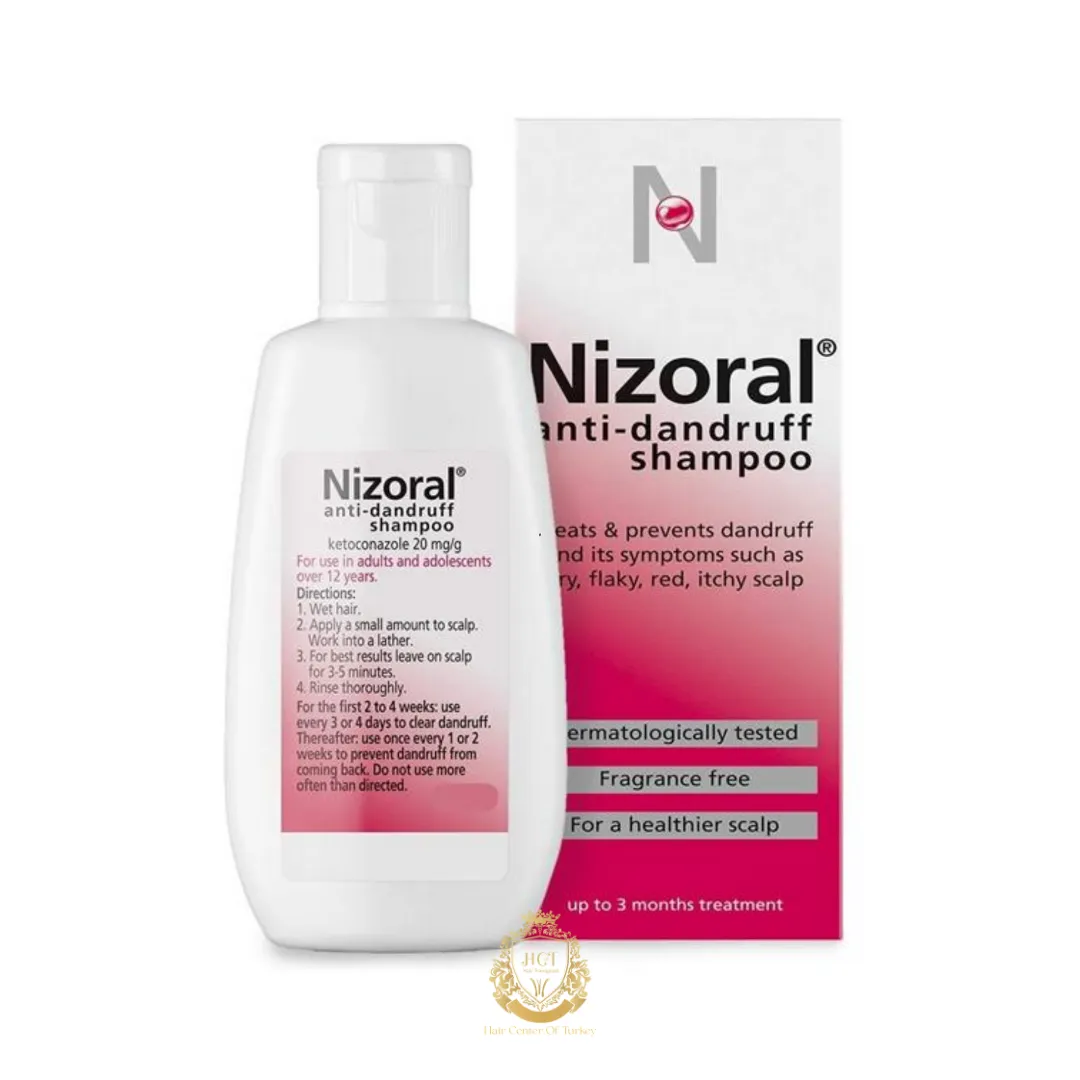
Nizoral is a medicated shampoo that uses ketoconazole, an antifungal ingredient that targets yeast and fungi on the scalp. It’s widely used for dandruff and seborrheic dermatitis, conditions that can cause flaking, itching, redness, and a greasy or irritated scalp. When the scalp is inflamed, hair may shed more than usual, so treating the underlying scalp issue can make a visible difference.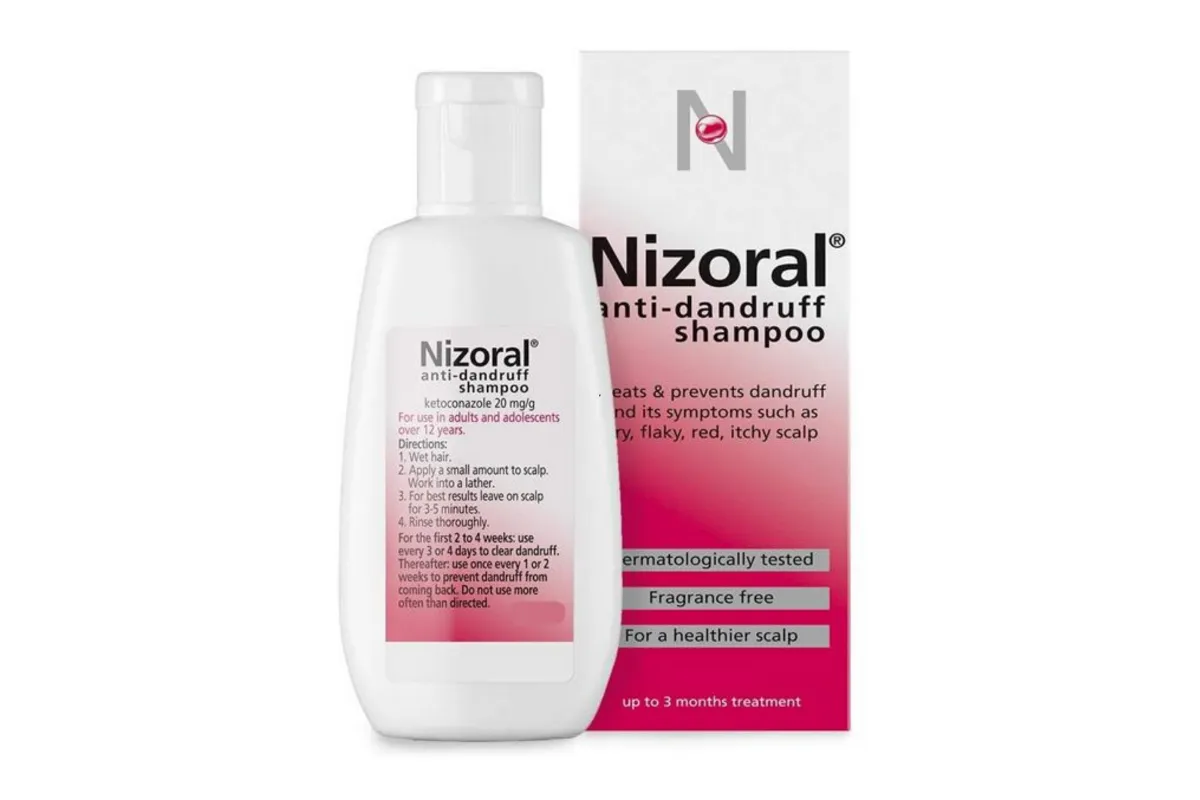
How Ketoconazole May Help With Hair Loss
Nizoral shampoo has been linked to the treatment of hair loss due to its ability to address scalp conditions that may contribute to hair thinning or shedding. Here’s how it works:1) Reduces Dandruff-Related Inflammation
If you have dandruff or seborrheic dermatitis, the scalp can stay chronically inflamed. That irritation can disrupt the normal hair cycle and increase shedding. By lowering yeast overgrowth and calming inflammation, ketoconazole helps create a healthier scalp environment for hair growth.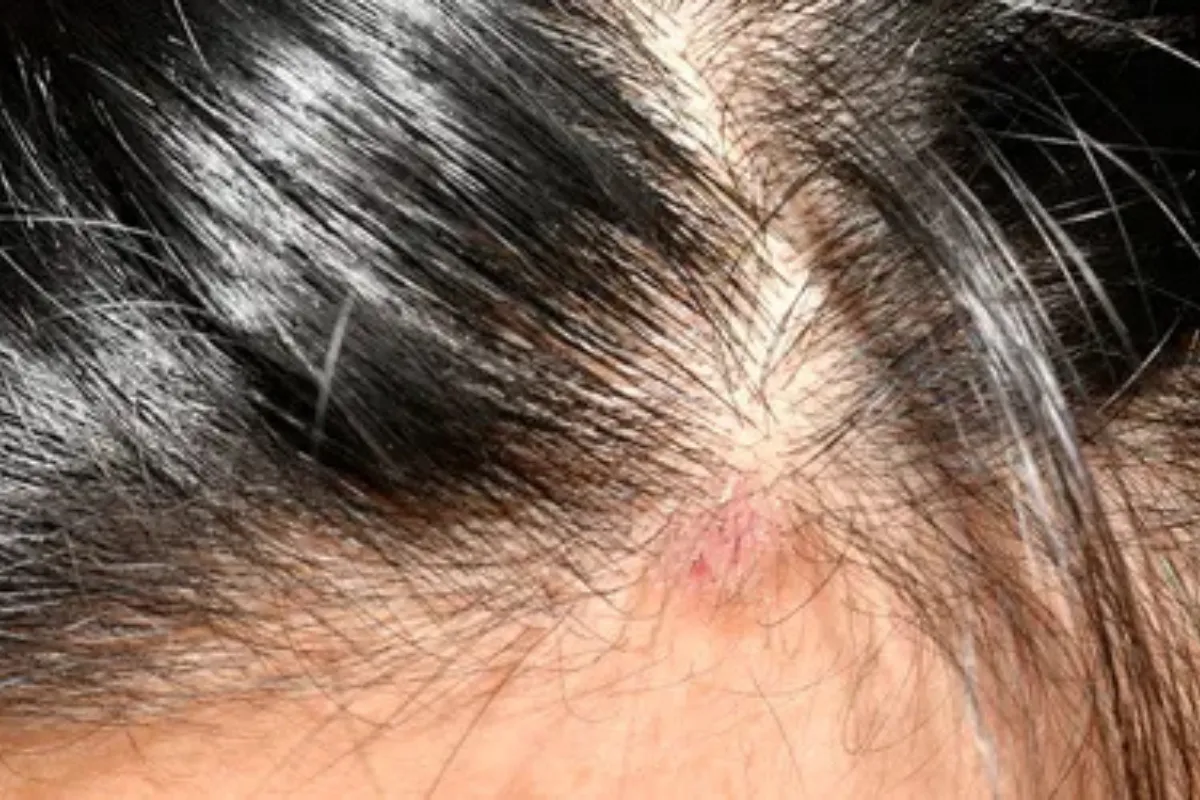
2) Possible Anti-Androgen Effect On The Scalp
Pattern hair loss (androgenetic alopecia) is strongly linked to sensitivity to dihydrotestosterone (DHT). Research suggests ketoconazole may have mild local anti-androgen activity, which is one reason it’s sometimes used off-label in hair-loss routines. The evidence is limited, so it’s best described as supportive rather than a substitute for DHT-targeting medications.
3) Helps With Excess Oil And Scalp Build-Up
Some people notice less scalp oiliness when using ketoconazole. Less oil and build-up can reduce itch and scratching, which may lower breakage and irritation. It also makes it easier for other topical treatments to reach the scalp skin when they’re part of the same routine.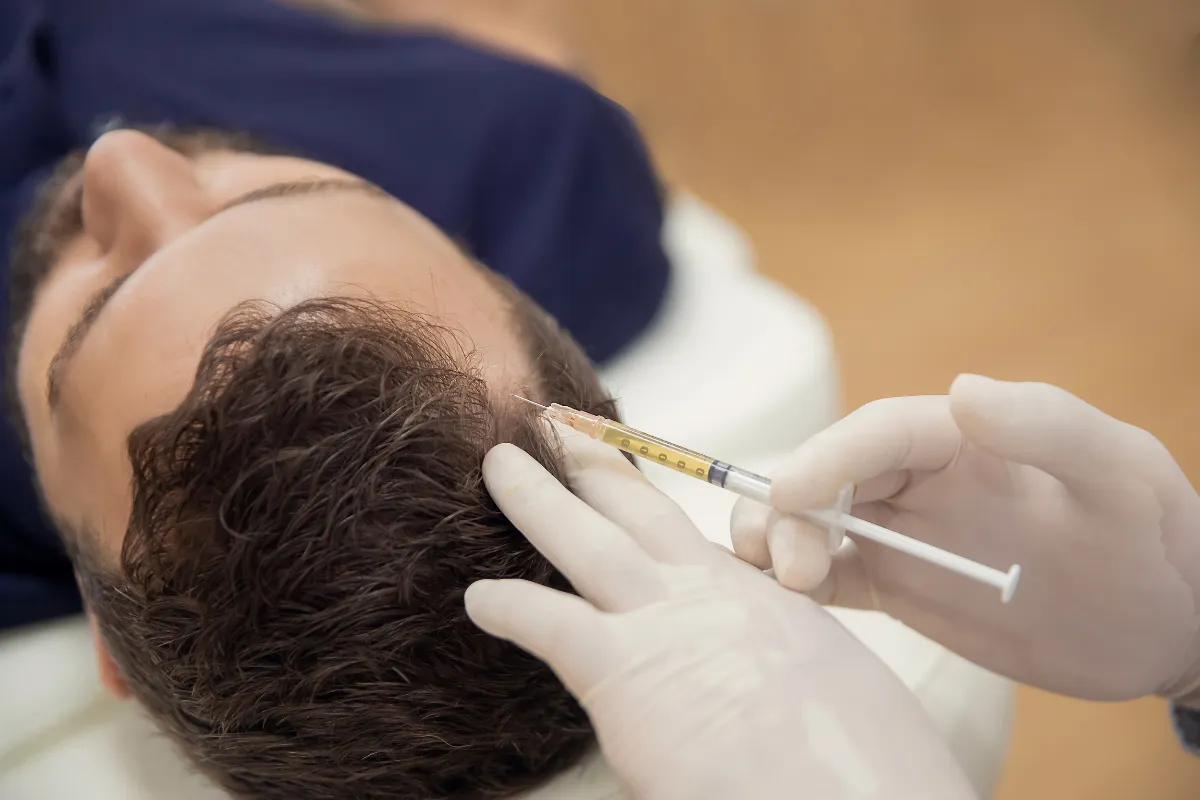
What The Research Says
Clinical evidence is mixed but promising in specific situations. A long-term study in men with androgenetic alopecia reported improvements in hair density and hair shaft size with ketoconazole shampoo, with results described as broadly comparable to a minoxidil regimen in that setting. Later reviews describe ketoconazole as a useful add-on, especially when dandruff or seborrheic dermatitis is present, but they also note that larger, modern trials are still limited.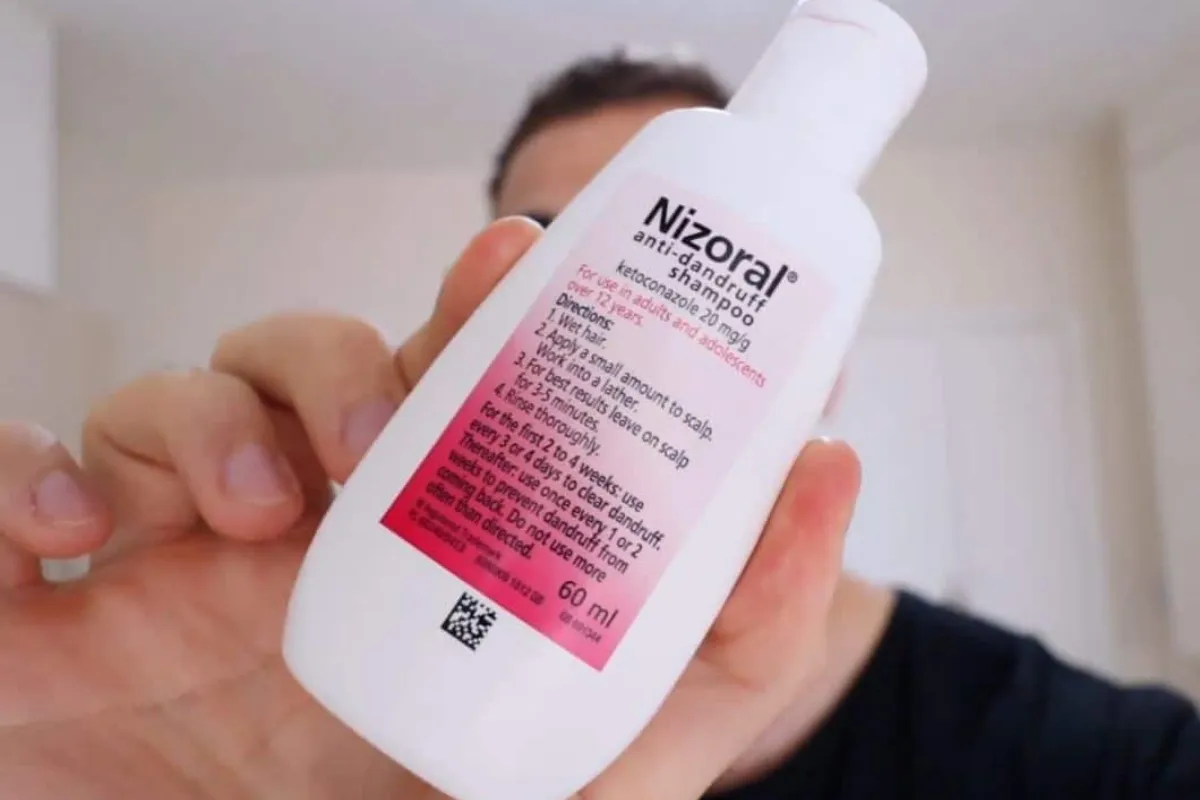
Who Is Most Likely To Benefit
Nizoral tends to be most helpful when hair shedding is tied to a scalp problem you can see or feel, such as flaking, itch, redness, or greasy scaling. It can also be worth considering if you have early pattern thinning and a reactive scalp, but expectations should stay realistic. If you have sudden patchy hair loss, pain, scarring, or rapid thinning, a medicated shampoo alone isn’t enough and you’ll need medical assessment.
How To Use Nizoral Shampoo For Hair Loss
Most people do best using ketoconazole shampoo two to three times per week. Using it daily often leads to dryness without better results. Follow the label directions for your specific product and concentration.- Wet hair and scalp thoroughly.
- Apply a small amount to the scalp (focus on the skin, not the hair lengths).
- Massage gently and leave it on for 3–5 minutes.
- Rinse well.
- Condition the mid-lengths and ends if your hair feels dry.
Side Effects And Precautions
Ketoconazole shampoos are generally well tolerated, but they can be drying. Possible side effects include scalp tightness, irritation, redness, or increased shedding early on as inflammation settles. Stop using it and seek advice if you develop significant burning, swelling, or a rash.Color-treated or very dry hair may feel more stripped with frequent use, so keep the shampoo on the scalp and use a conditioner on the lengths. If you’re pregnant, breastfeeding, have eczema or psoriasis on the scalp, or take prescription scalp treatments, check with a clinician before adding a medicated shampoo.
When To Consult A Dermatologist
See a dermatologist if hair loss is sudden, patchy, painful, or accompanied by scarring, pus, or thick scaling. It’s also worth booking a visit if you’ve had persistent thinning for more than three to six months, or if over-the-counter steps haven’t helped. A proper diagnosis can rule out issues like thyroid disease, iron deficiency, alopecia areata, or inflammatory scalp disorders that need targeted care.Frequently Asked Questions
- Does Nizoral regrow hair?
- How often should I use it?
- Is 1% or 2% ketoconazole better for hair loss?
- Can I use Nizoral with minoxidil or finasteride?
- How long before I notice results?
- Ketoconazole shampoo isn’t FDA-approved specifically for hair loss — it’s used off-label, based on its effect on scalp inflammation and possible mild anti-androgen activity.
- A widely cited 1998 study in Dermatology found that 2% ketoconazole shampoo increased hair density and follicle size in men with androgenetic alopecia, with results broadly comparable to a minoxidil regimen.
- More recent reviews describe ketoconazole as a useful add-on rather than a stand-alone treatment — most benefit shows up when it’s paired with minoxidil or finasteride.
Explore the complete guide: Hair Loss Treatments