What Is Hair Structure And How Does It Impact Your Hairstyling?
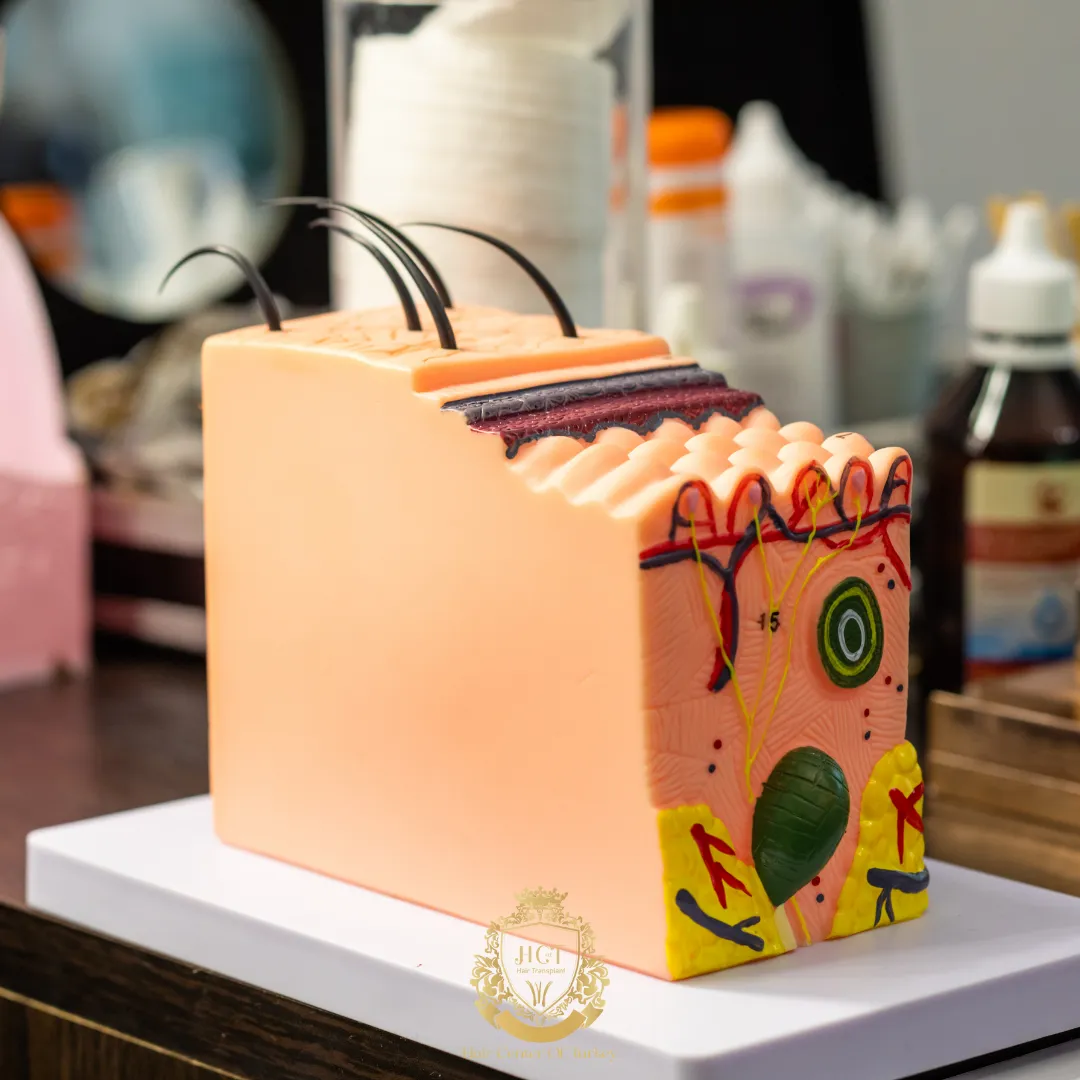
Hair structure describes how each strand is built—its outer cuticle, inner cortex, and sometimes a medulla—along with traits like porosity, thickness, and curl pattern. These features determine how hair absorbs moisture, holds color, reacts to heat, and responds to products, which is why the same style can look and last differently on different people
Hair Structure
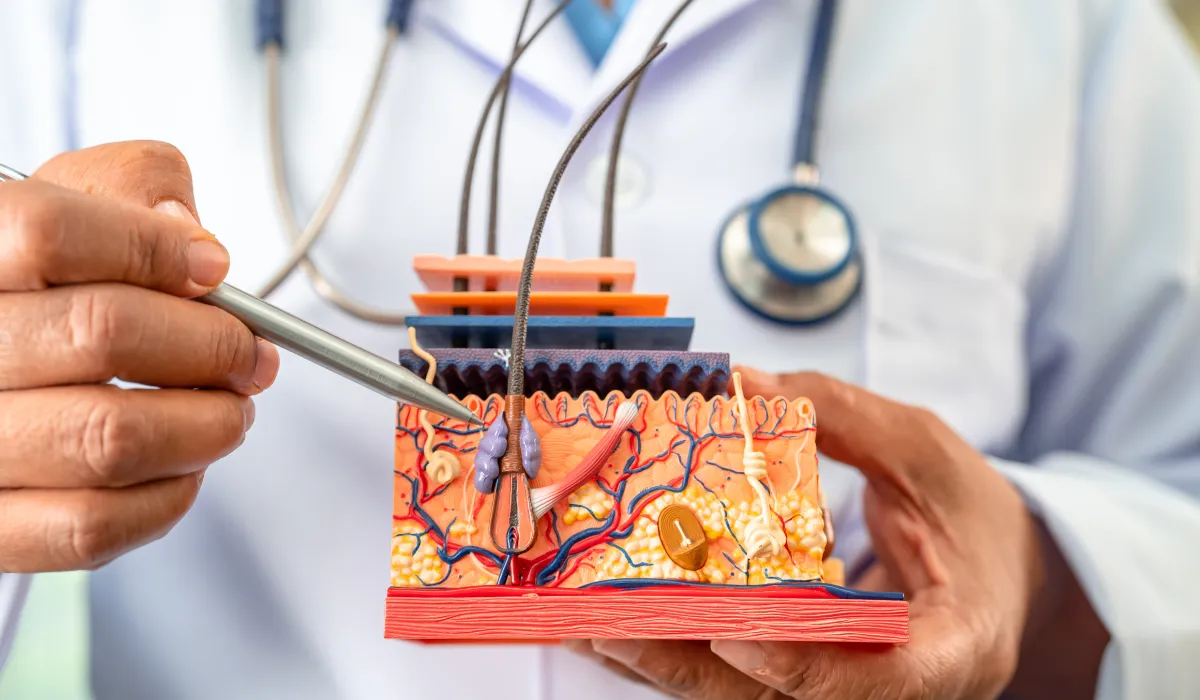
Hair may look simple, but each strand is a layered fiber with its own strengths and weak points. When you understand what’s happening inside the strand, it becomes easier to explain frizz, breakage, dullness, or why a blowout won’t hold.
Hair structure also affects how quickly hair dries, how much shine you see, and how your hair responds to brushing, heat, and chemical treatments. Good styling starts with working with your hair’s build, not against it.
The Basic Composition Of Hair
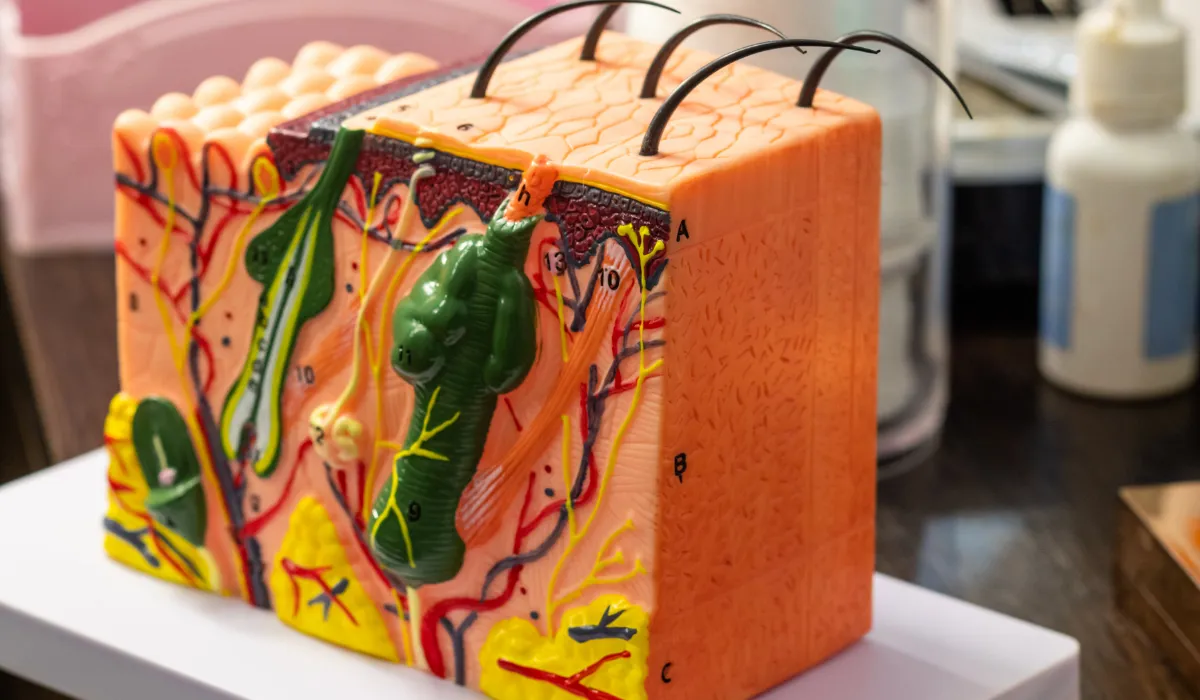
Human hair is made mostly of keratin, the same tough protein found in nails and the outer layer of skin. Keratin forms long chains that bundle together, giving hair its strength and shape.
Hair also contains water, lipids (natural fats), and trace minerals. The balance of these components influences flexibility, softness, and how well hair can resist daily stress from washing and styling.
The Three Main Layers Of Hair
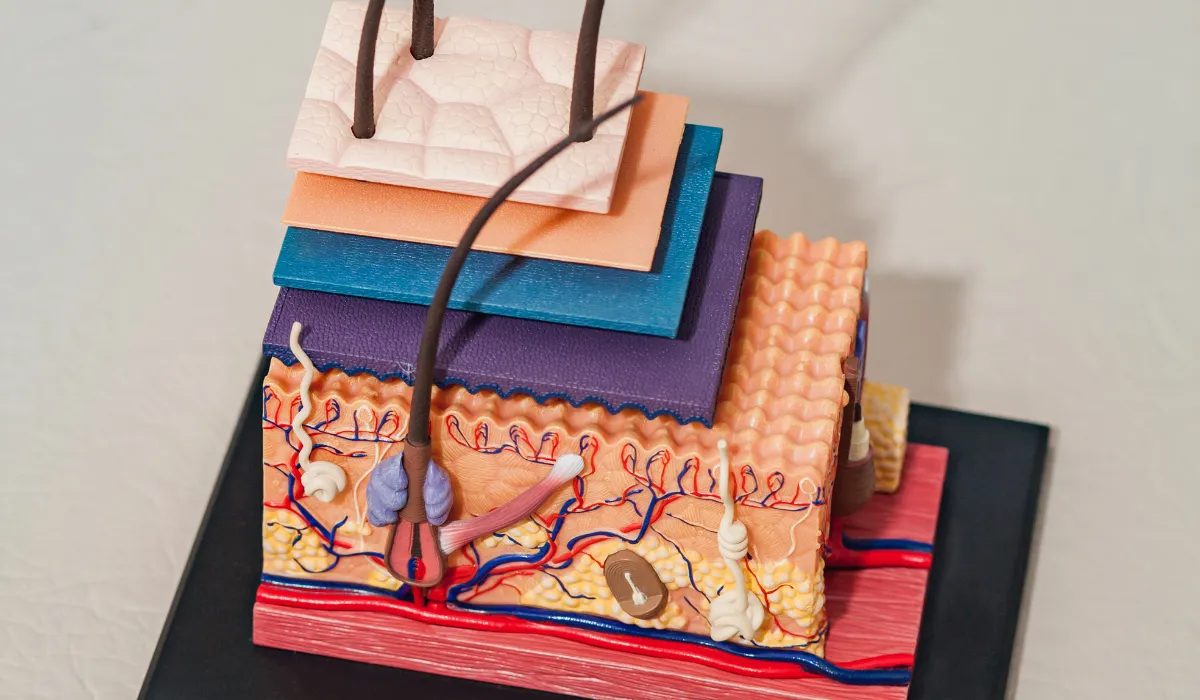
Most hair strands have three layers. The condition of each layer changes how hair looks, feels, and behaves when you style it.
Cuticle
The cuticle is the outer layer, built from overlapping “scale-like” cells. When these scales lie flat, hair reflects more light and feels smoother.
Heat, friction, harsh detergents, and UV exposure can lift or chip the cuticle. A rough cuticle increases tangling, frizz, and moisture loss, which often shows up as dryness and split ends.
Cortex
The cortex sits beneath the cuticle and makes up most of the strand. It contains keratin bundles and the pigments that determine natural hair color.
Styling changes like coloring, bleaching, perming, and relaxing work by altering the cortex. If the cortex is weakened by overprocessing or excessive heat, hair can become stretchy, brittle, or prone to snapping.
Medulla
The medulla is the innermost core and is not present in every strand. It tends to be more common in thicker hair, while fine hair may have a fragmented medulla or none at all.
Researchers still debate its exact role, but it may influence how hair insulates and how light passes through the strand.

Hair Growth Cycle
Hair doesn’t grow continuously in the same way forever. Each follicle follows a repeating cycle, which is why shedding is normal and why regrowth takes time.
Anagen Phase
Anagen is the active growth stage. For scalp hair, it can last several years, and its length is influenced by genetics, age, and overall health.
People with a longer anagen phase often find it easier to grow longer hair.
Catagen Phase
Catagen is a short transition stage that lasts a few weeks. Growth slows as the follicle shrinks and detaches from its blood supply.
This phase is brief but necessary before the follicle rests.
Telogen Phase
Telogen is the resting stage that typically lasts a few months. At the end, the old hair sheds and the follicle returns to anagen to produce a new strand.
Daily shedding varies, but consistent, heavy shedding or visible thinning is worth discussing with a qualified clinician.
Texture, Curl Pattern, And Strand Shape
Hair texture is often described as straight, wavy, curly, or coily. This pattern is largely determined by the shape of the follicle and the way the strand forms as it grows.
Curly and coily hair usually has more bends along the shaft, which can make it drier because natural scalp oils travel down the strand more slowly. That dryness can affect shine, definition, and how hair handles humidity.
Porosity
Porosity describes how easily hair absorbs and releases water. It’s strongly tied to the cuticle—tight, smooth cuticles usually mean lower porosity, while lifted or damaged cuticles lead to higher porosity.
Low-porosity hair can resist moisture and product buildup can be an issue. High-porosity hair tends to absorb water quickly but lose it just as fast, which can make it feel dry even after conditioning.
Thickness, Density, And Elasticity
Thickness (strand diameter) is different from density (how many hairs you have per square inch). Fine hair can be very dense, and thick hair can be sparse—those combinations change how styles sit and how much product you need.
Elasticity is hair’s ability to stretch and return without breaking. Healthy hair has some give, but overly elastic hair can signal damage, especially after heavy bleaching or frequent high-heat styling.
How Hair Structure Affects Hairstyling
Your best styling routine depends on how your hair is built. A few structural traits have an outsized impact on results.
Heat Styling
Hair with a smooth cuticle and good elasticity usually tolerates heat better and holds styles more predictably. Damaged cuticles allow moisture to escape faster, so hair can puff up or feel rough after blow-drying.
Using high heat on weakened cortex fibers can cause permanent damage. Lower temperatures, shorter contact time, and a heat protectant help reduce the risk.
Coloring And Chemical Treatments
Hair color and bleach work by opening the cuticle to reach the cortex. Hair that’s already porous or fragile may lift quickly but can also lose pigment faster, fade unevenly, or feel rough.
If you color regularly, spacing out services and prioritizing bond-building or protein-balanced treatments can support strength and shine.
Product Choice And Hold
Low-porosity hair often needs lighter products and thorough rinsing to avoid buildup that makes hair limp. High-porosity hair usually benefits from richer conditioners, leave-ins, and sealing oils or creams to slow moisture loss.
Curly and coily hair commonly responds well to styling products that provide slip and definition, while fine straight hair often needs lightweight formulas that won’t weigh it down.
Care Tips That Protect Hair Structure
Small changes in daily habits go a long way when you focus on protecting the cuticle and supporting the cortex.
Choose a gentle, sulfate-free cleanser if your hair feels dry or color fades quickly. Concentrate shampoo on the scalp and let the suds cleanse the lengths as you rinse.
Condition consistently, then add a deep-conditioning mask once a week if hair feels rough, tangles easily, or looks dull. If hair feels mushy or overly stretchy, a protein-containing treatment may help rebalance strength.
Practical Routine Checklist
- Use a microfiber towel or a soft cotton T-shirt instead of rough towel-drying.
- Detangle with conditioner in the shower for curly or coily hair to reduce breakage.
- Limit high heat, keep tools moving, and apply a heat protectant before blow-drying or ironing.
- Protect hair from sun and chlorine with a hat, UV spray, or a pre-swim rinse and conditioner.
F.A.Q. (Frequently Asked Questions)
What does hair structure mean?
Hair structure refers to the strand’s physical build (cuticle, cortex, and sometimes medulla) and functional traits like porosity, thickness, elasticity, and curl pattern. Together, they determine how hair behaves day to day.
Why does hair structure matter for styling?
Structure affects how hair absorbs water, holds shape, reflects light, and tolerates heat or chemicals. When you match techniques and products to your structure, styles last longer and damage is easier to avoid.
Can hair structure change over time?
Your basic curl pattern and strand thickness are mostly genetic, but porosity and elasticity can change with heat, coloring, UV exposure, hard water, and aging. Improving cuticle condition often improves how hair feels and styles.
How can I improve hair health if my hair feels damaged?
Reduce heat and chemical stress, trim split ends, and focus on gentle cleansing plus consistent conditioning. If breakage is significant or shedding increases, consider professional evaluation to rule out underlying causes.
Explore the complete guide: Hair Care and Products