

Jeremy Piven Hair Transplant
Jeremy Piven has never publicly confirmed having a hair transplant. Still, many fans and hair-loss specialists point to visible changes in his hairline over the years—often consistent with modern FUE-style restoration. This guide breaks down what’s confirmed, what’s speculation, and how similar results are typically achieved with today’s techniques.
Table of Contents
Who Is Jeremy Piven?
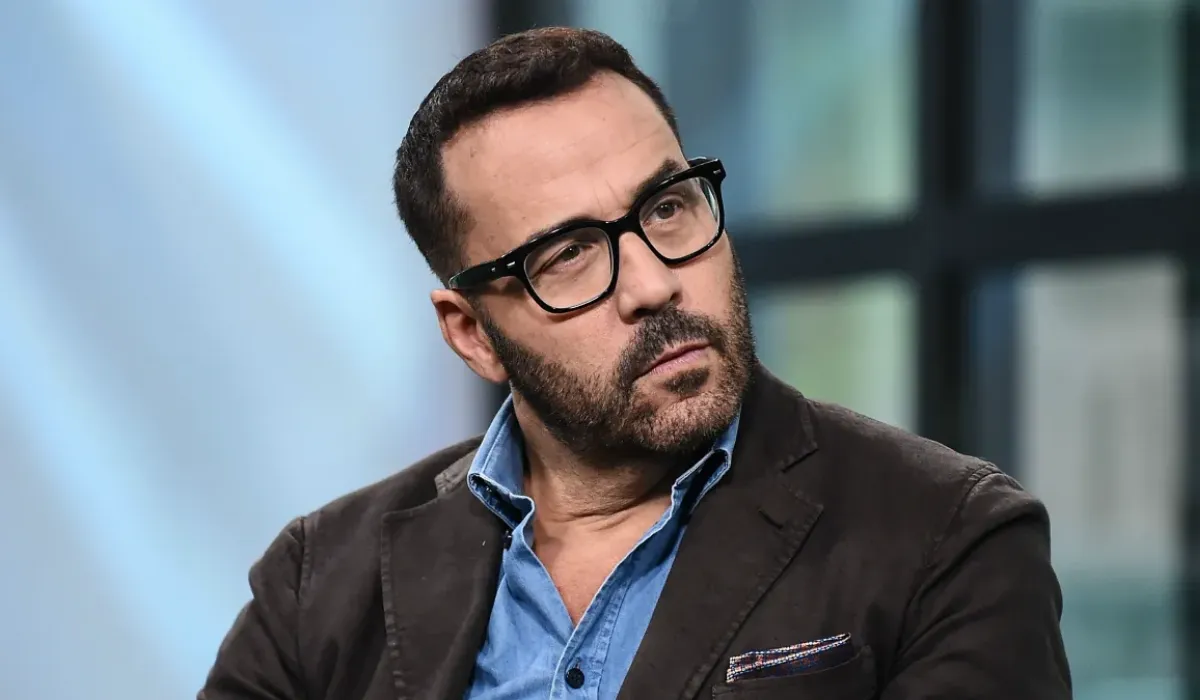
Jeremy Piven is an American actor and comedian, widely known for playing Ari Gold in HBO’s Entourage. He won three consecutive Primetime Emmy Awards for that role and also received a Golden Globe for his performance.
Beyond television, Piven has worked steadily in film and theatre. He starred in the Broadway revival of David Mamet’s Speed-the-Plow, adding stage credentials to a career built on fast-paced, character-driven performances.
Jeremy Piven’s Best-Known Career Moments
- Ari Gold in Entourage: A sharp, fast-talking Hollywood agent that became his signature role.
- Award recognition: Multiple Emmy wins and major nominations around the height of Entourage.
- Broadway work: Speed-the-Plow showcased his stage range in a high-profile production.
Ongoing public presence: Red carpets, interviews, and performances keep his appearance under constant scrutiny.
Did Jeremy Piven Get A Hair Transplant?
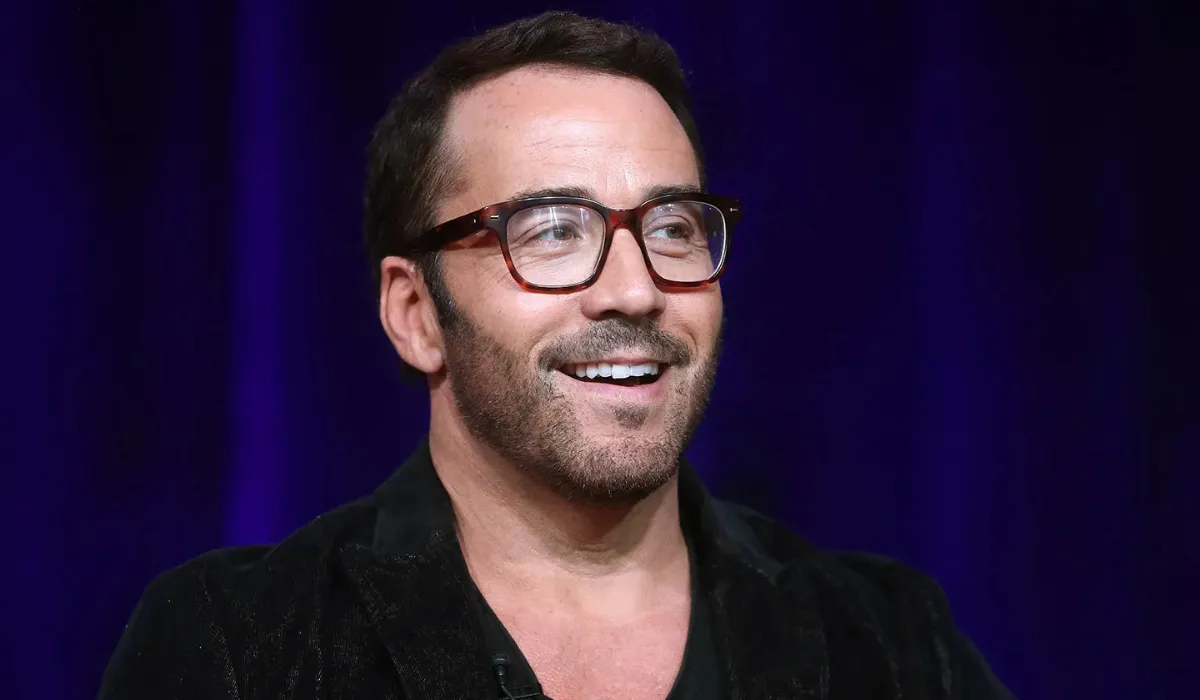
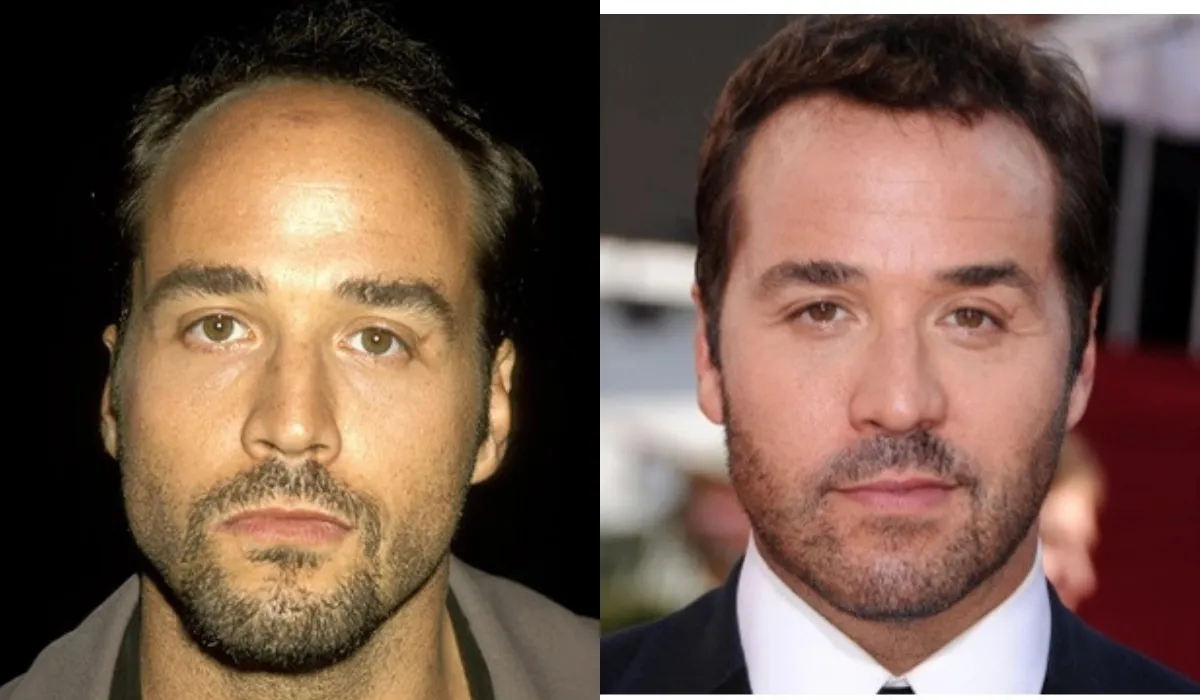
There’s no official confirmation from Jeremy Piven that he has had a hair transplant. What exists is public speculation, largely based on comparisons of photos and appearances across different years.
Observers often point to a hairline that looks fuller and more defined in later appearances. That kind of change can be associated with hair restoration, but it can also be influenced by styling, lighting, hair fibers, medication, or even natural fluctuation.
Why Would Jeremy Piven Consider A Hair Transplant?
For many public-facing professionals, hair loss can feel more exposed than it does for someone outside the spotlight. In entertainment, a youthful look can impact casting, branding, and confidence.
If he did pursue treatment, the goal would likely be subtle: restoring the frame of the face, strengthening density in key areas, and keeping the result believable on camera. The most successful work tends to look “unremarkable” in the best way—like nothing happened.
Jeremy Piven Hair Loss
Like many men, Piven has been photographed with what appears to be male pattern hair loss, often described as recession at the temples and thinning toward the top. This pattern is extremely common and typically progresses over time without intervention.
Hair loss also tends to look different depending on hair length, styling, and how harsh the lighting is. That’s one reason photo comparisons can be suggestive, but rarely definitive on their own.
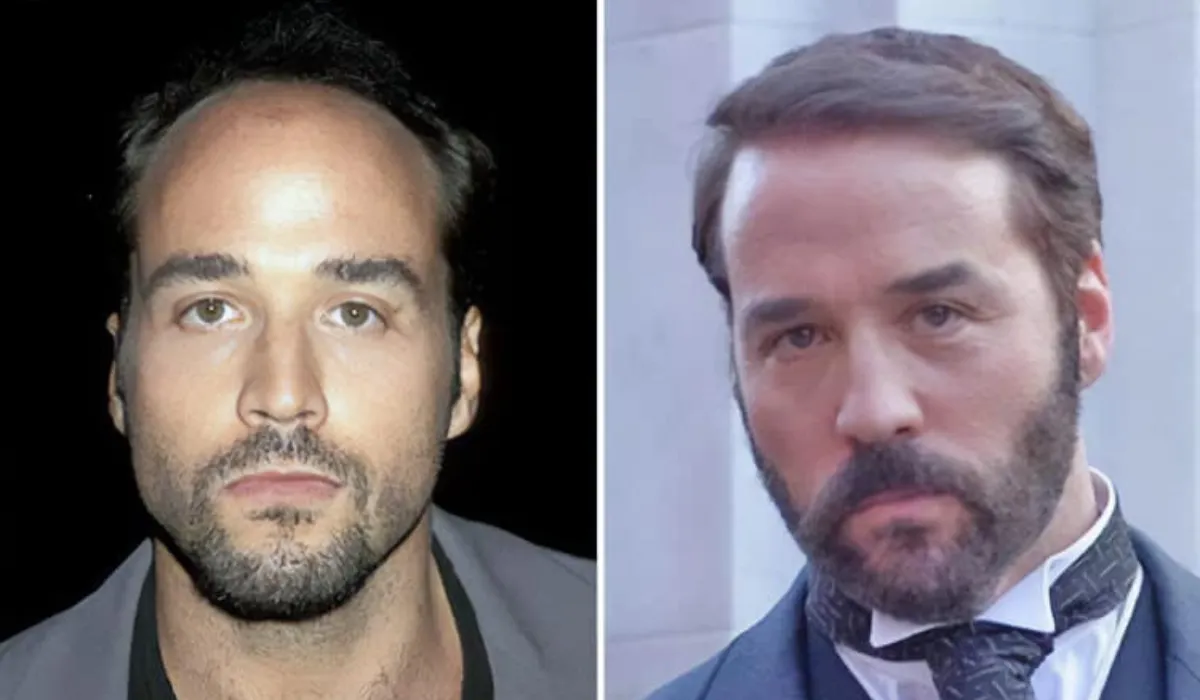
Jeremy Piven Before Hair Transplant
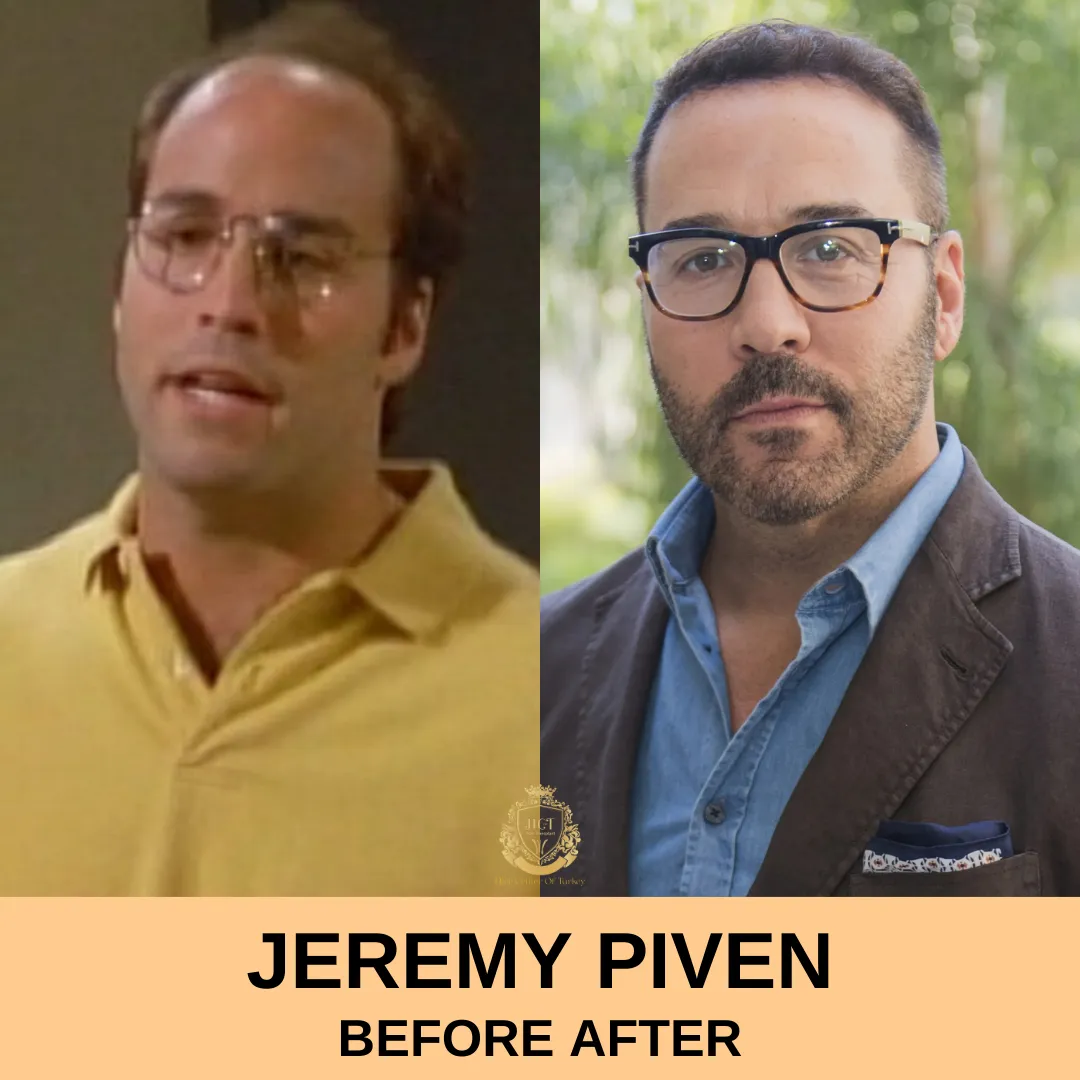
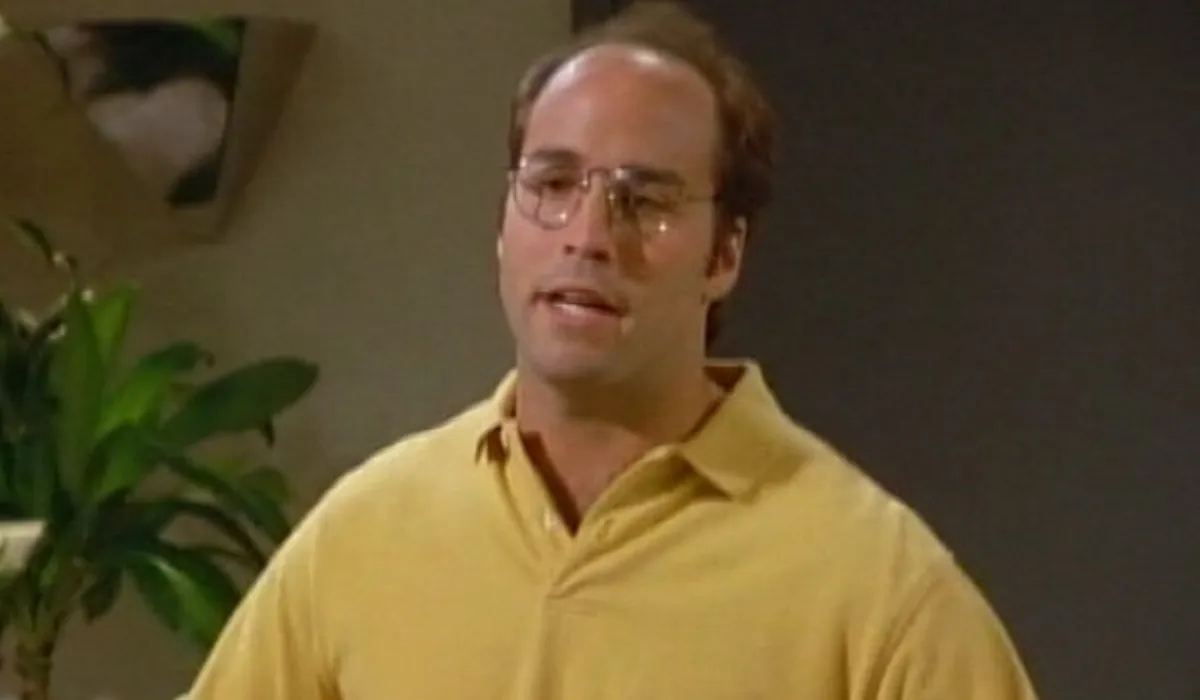
In earlier photos and roles, his hairline appeared more recessed with visible thinning in certain angles. For many men, that combination—temple recession plus reduced density—creates the “see-through” look under bright light.
If you’re comparing images, try to look for consistent patterns across similar angles and lighting. Single photos can mislead, especially when styling products or hair fibers are involved.
Jeremy Piven After Hair Transplant
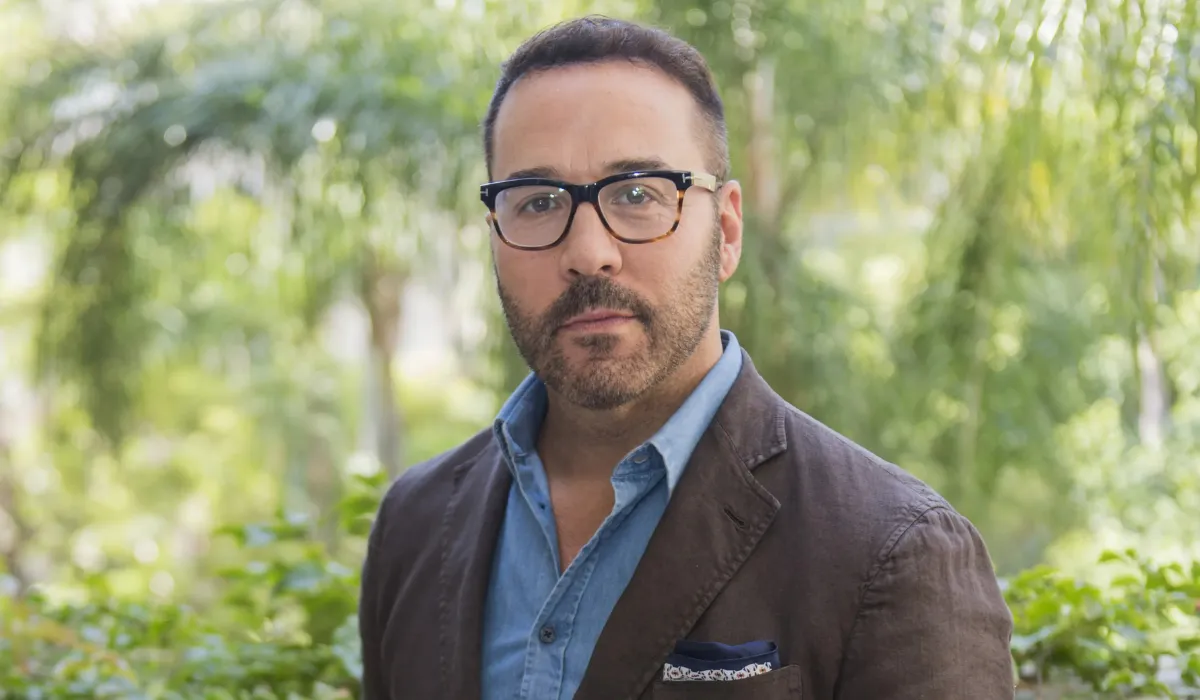
In later appearances, his hairline has sometimes looked more filled-in and structured. When people describe “after” results, they’re usually reacting to:
- A stronger, more continuous front hairline
- Better density in the frontal third
- Less visible scalp under direct lighting
Those markers can align with surgical restoration, but they can also overlap with non-surgical approaches.
Which Hair Transplant Technique Might Have Been Used?
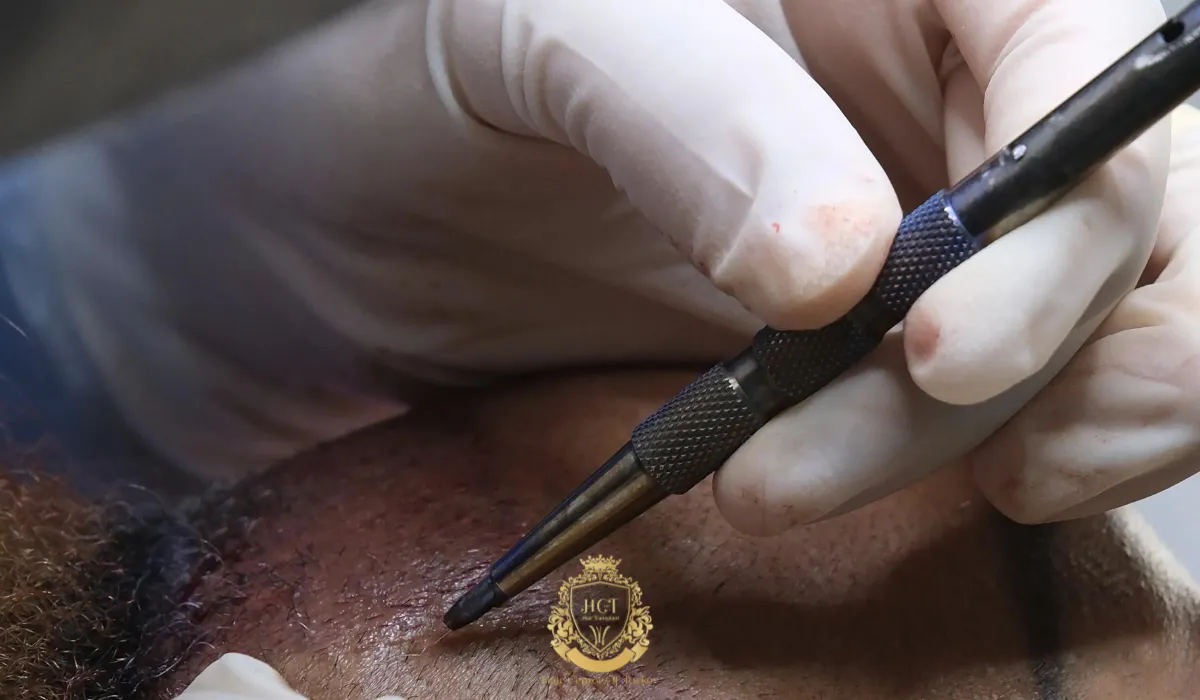
If the change is the result of surgery, many professionals would guess a modern FUE-style approach, because it’s commonly used for natural hairlines with minimal visible scarring.
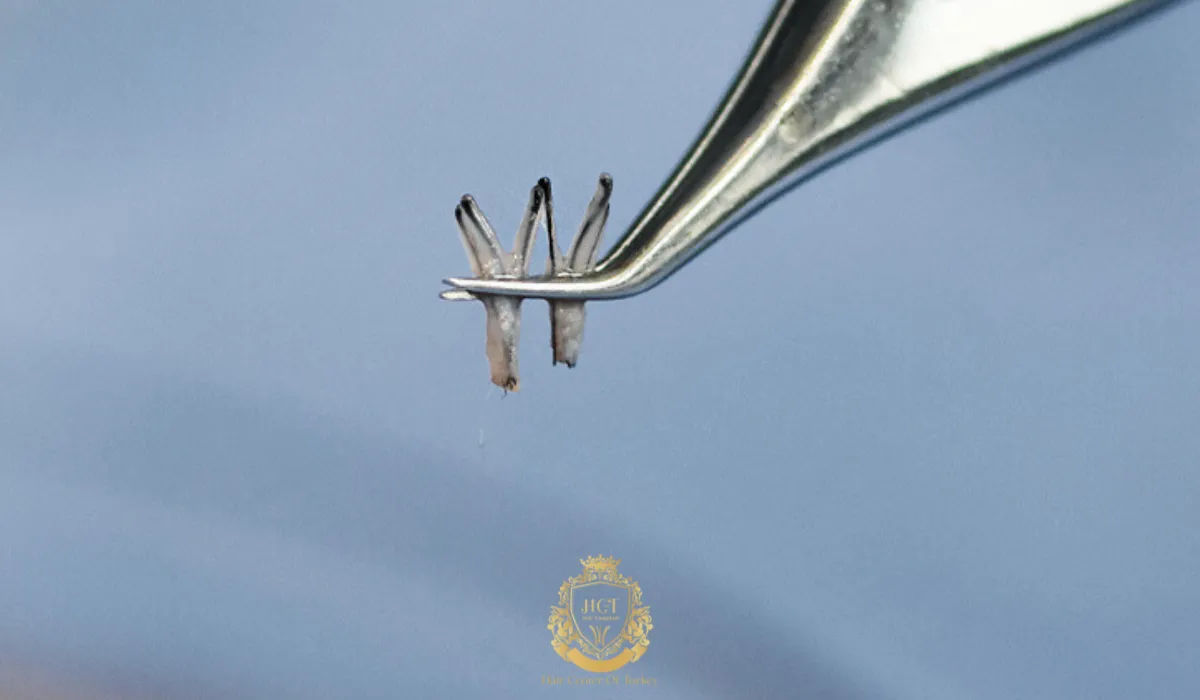
FUE (Follicular Unit Extraction)
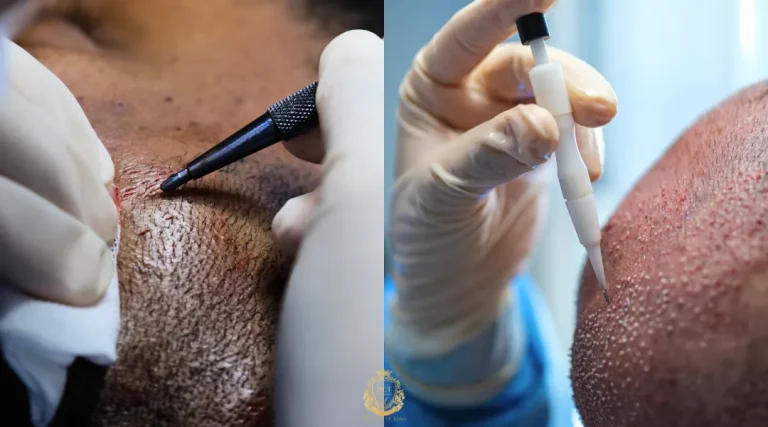
FUE involves extracting individual follicular units from the donor area and implanting them into thinning or bald regions. It’s widely chosen because it avoids a linear strip scar and can produce very natural results when the hairline design is conservative.
DHI And Other Implantation Methods
Some clinics use DHI-style implantation tools or variations in technique to control angle and placement. The method matters less than the surgical team’s planning, hairline design, and graft handling.
Natural Hairline Design Matters Most
Celebrity-style results usually come down to details: irregular hairline micro-patterns, correct angles, and a density plan that matches the patient’s age. A hairline that’s too straight or too low is one of the fastest ways to make a transplant look obvious.
How Many Grafts Could It Take?
Based on typical hairline restoration cases, people often estimate 2,000 to 3,000 grafts for a frontal hairline and moderate density work. The real number depends on donor capacity, existing hair, hair caliber, and the size of the thinning area.
It’s also common for results to be staged. Some patients do the hairline first, then address crown density later if needed.
Jeremy Piven Hair Transplant Results
What most people find striking—when they believe they’re seeing a transplant—is the “blended” look. A convincing result doesn’t read as a sharp makeover; it reads as healthier density and a better-framed face.
If the change is surgical, it appears consistent with a careful, age-appropriate design. That’s typically what separates a good outcome from something that draws attention for the wrong reasons.
What This Means If You’re Considering Hair Restoration
Celebrity rumors can be interesting, but your plan should be personal. Hair restoration works best when it’s built around your donor area, long-term hair loss pattern, and realistic density goals.
Before choosing a clinic, ask for:
- Clear donor assessment and graft estimate
- A hairline plan that fits your age and facial structure
- Healing timeline expectations and aftercare details
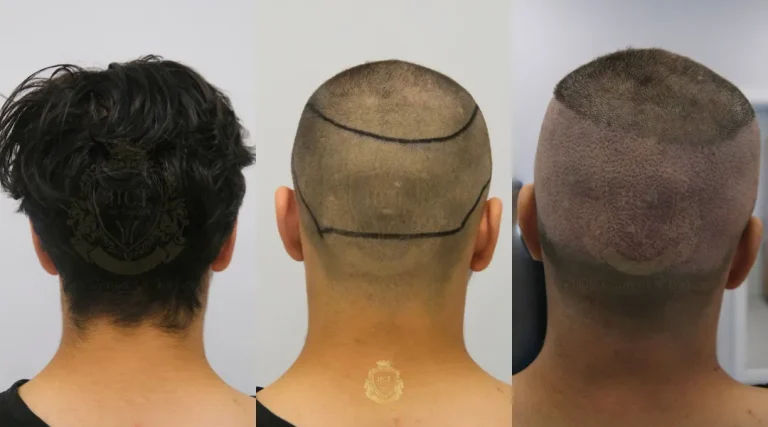
- Real before-and-after cases with similar hair type to yours
Hair Center Of Turkey
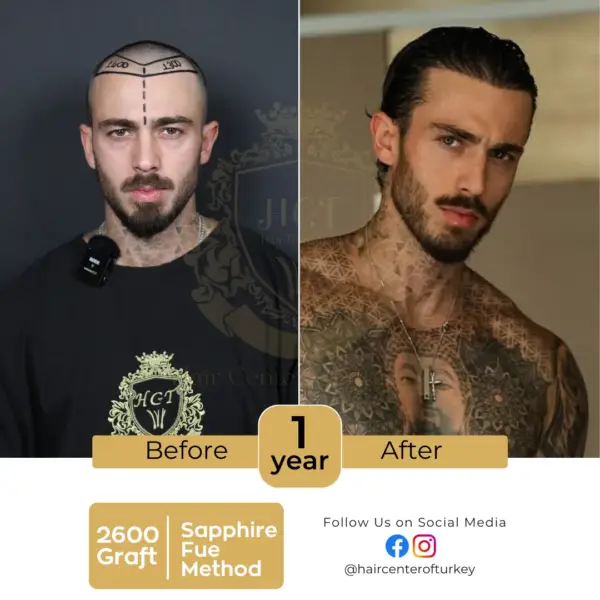
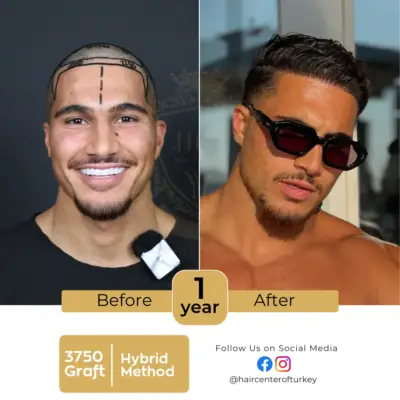
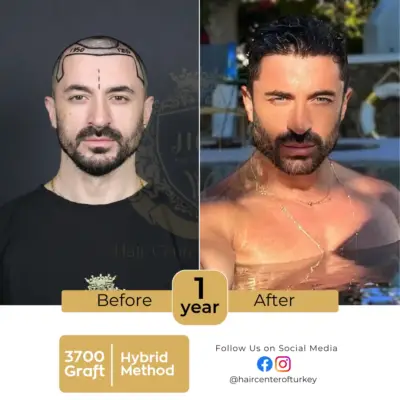
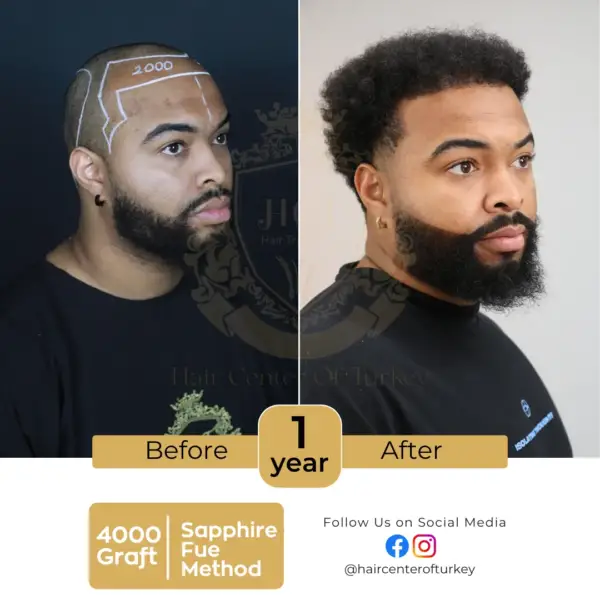
Hair Center of Turkey positions itself as a boutique hair transplant clinic with a VIP, personalized service style. The focus is typically on patient comfort, planning, and an individualized approach rather than a one-size-fits-all package.
If you’re exploring options in Turkey, prioritize transparency. You want a clinic that clearly explains technique, staffing, graft handling, aftercare, and realistic outcomes—without using exaggerated promises.
If you’d like a plan built around your hair type and goals, Hair Center of Turkey can share an evaluation and outline what a natural, camera-friendly result would require.
F.A.Q.
What is the cost of Jeremy Piven’s hair transplant?
Unknown; Jeremy Piven has not publicly confirmed that he had a hair transplant.
What happened to Jeremy Piven’s hair?
Rumors of hair loss emerged; he referred to the scar on the back of his head in 2010 as a “scar minimizing procedure.”
How many times has Jeremy Piven had hair transplants?
There is no publicly confirmed number of hair transplants.
Who are the most famous celebrities who have had hair transplants?
Wayne Rooney, Ben Stokes, Cheyenne Jackson, Elton John, Calum Best, Joe Swash.
How many grafts did Jeremy Piven have transplanted?
Unknown; no confirmed number of grafts has been shared.
Explore the complete guide: Celebrity Hair Transplants – Film, TV and Music