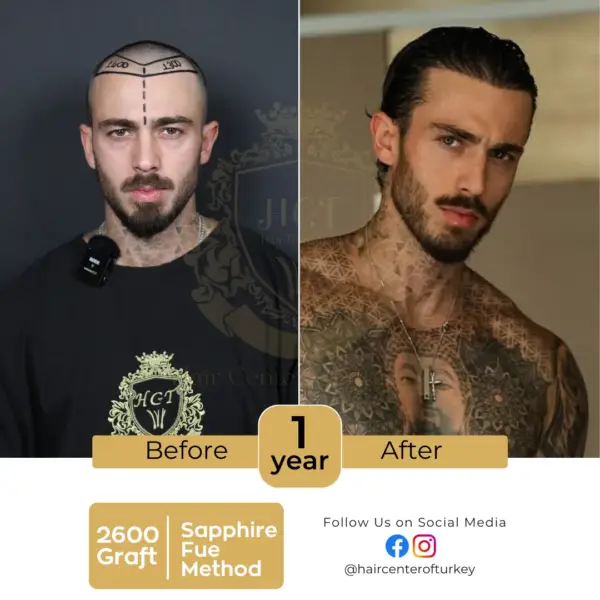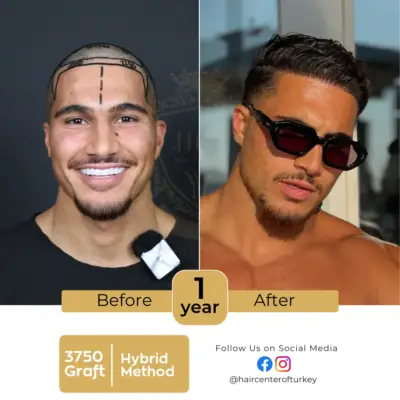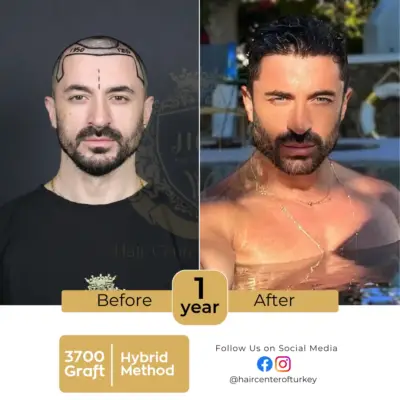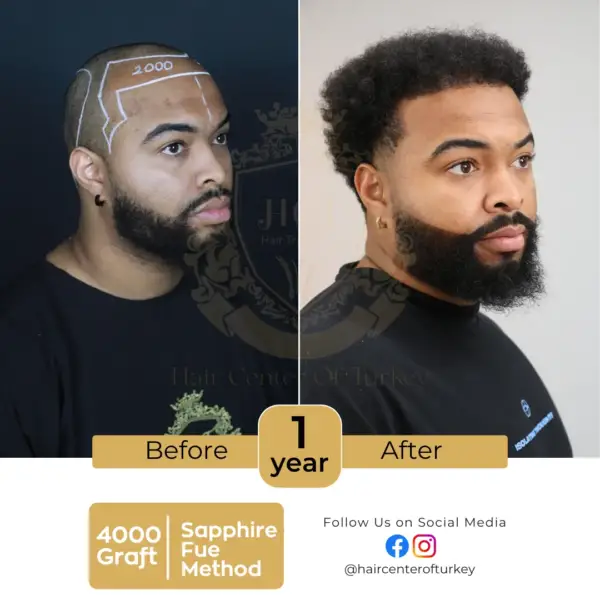


Hair Transplant Scar: Scar After Hair Transplant
Hair transplant scarring is normal because follicles are harvested and implanted through tiny openings. FUE usually leaves small dot scars, while FUT can leave a thin linear scar. Most scars soften and fade over several months with good aftercare. If a scar remains noticeable, a surgeon may suggest silicone gel, laser or microneedling, scalp micropigmentation, or grafting hair into the scar.
Hair transplant scars are a natural part of healing after any surgical hair restoration procedure. They form mainly in the donor area, where grafts are taken, and sometimes in the recipient area if the skin is sensitive or healing is slow.
How visible a scar looks depends on the technique (FUE, FUT, or DHI), the surgeon’s handling of the tissue, your skin type, and how closely you follow post‑op instructions. The goal is not “no scar,” but a scar that is small, flat, and easy to camouflage.
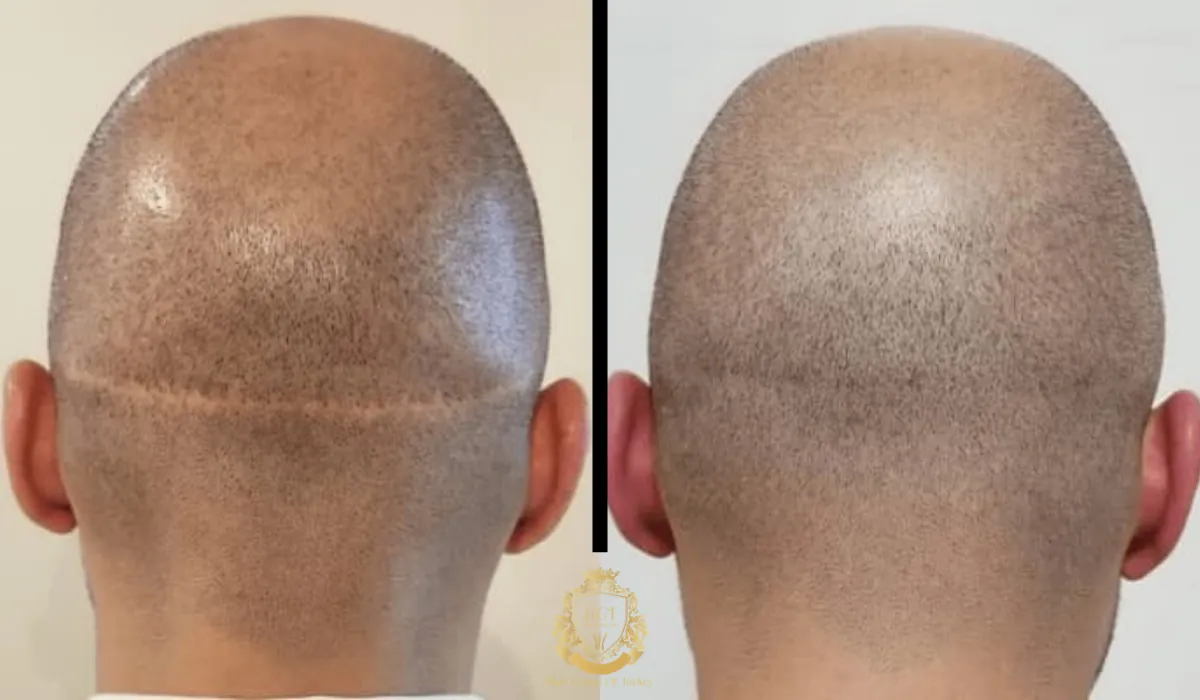
What Is Hair Transplant Scar Tissue?
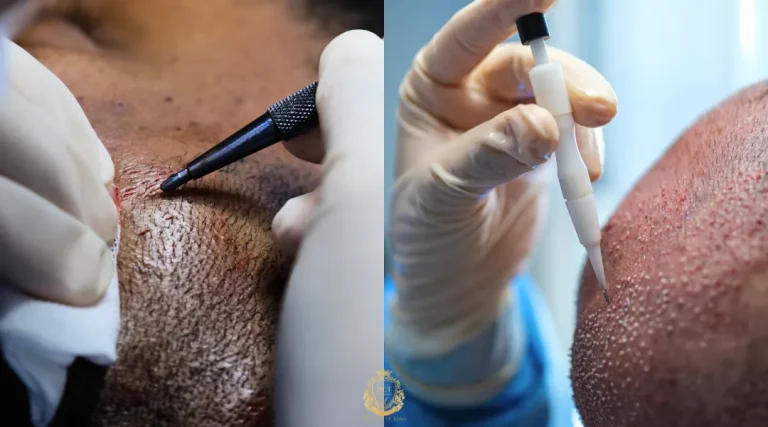
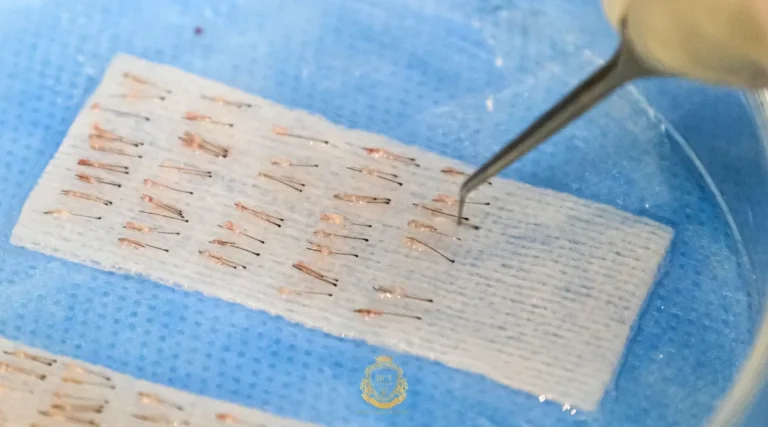
Hair transplant scar tissue is the fibrous tissue your body creates to close and strengthen tiny wounds made during graft extraction and implantation. This is a normal biological repair process.
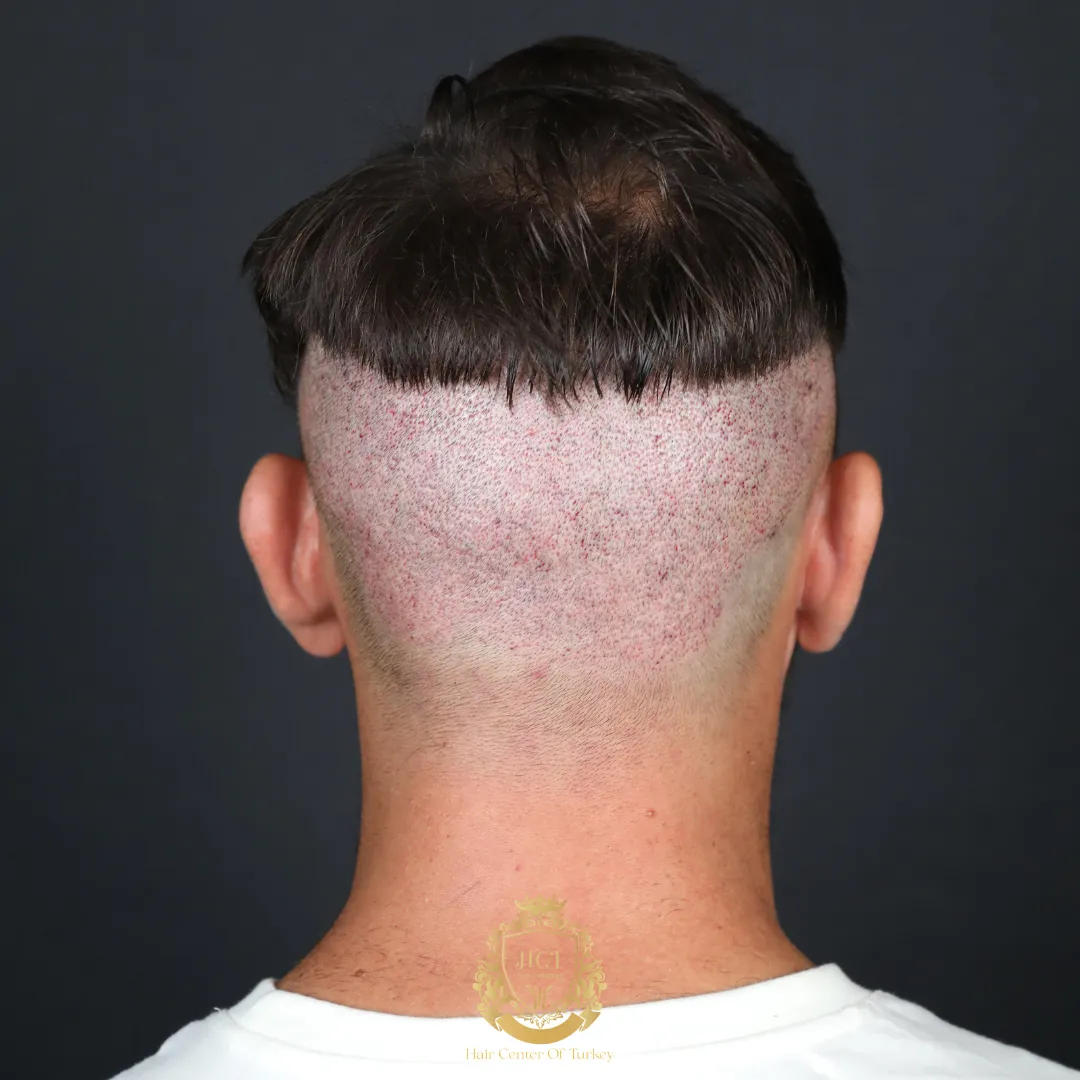
With FUE, the donor area heals as many micro‑punctures, which can leave dot‑like marks that usually become hard to spot as they fade. With FUT (strip surgery), a narrow strip is removed and the skin is sutured, which typically creates a linear scar.
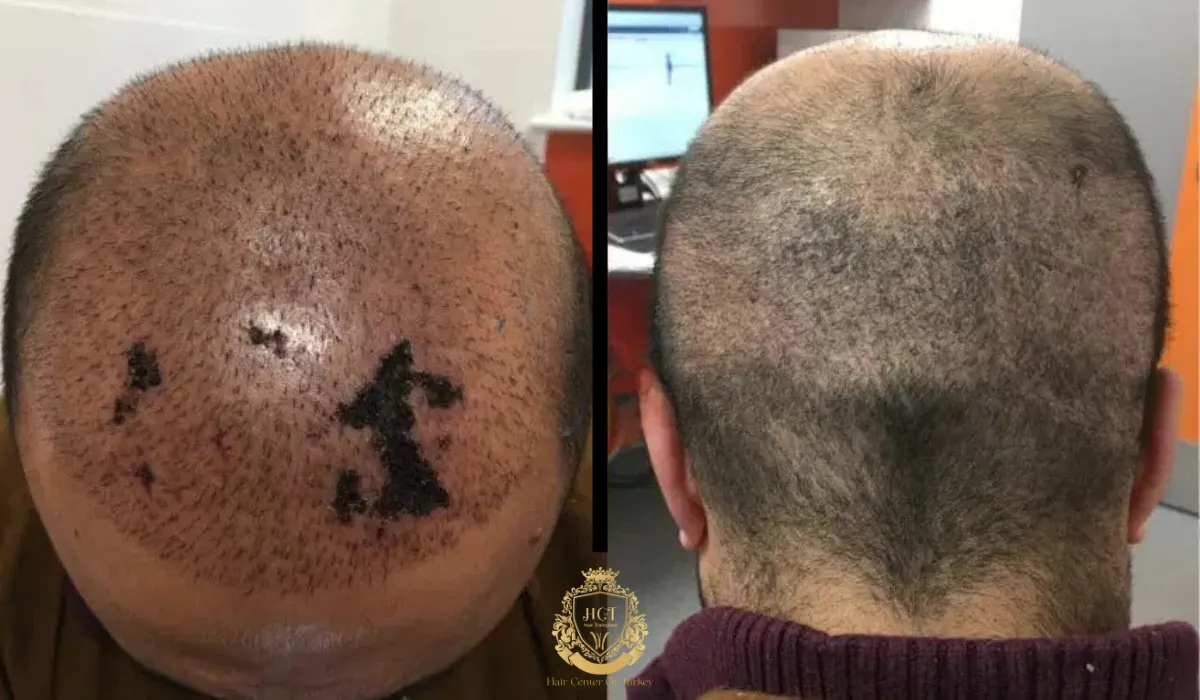
What Are Natural Methods to Reduce Scars?
Scar care starts with the basics: keep the scalp clean, avoid picking scabs, protect the area from sun exposure, and follow your clinic’s washing and medication plan. These steps do more for scar quality than any single cream.
If your surgeon approves, gentle scar massage after the wounds fully close can help soften stiffness by improving local circulation. Some patients also use soothing options like aloe vera gel, but stop if irritation occurs.
Nutrition matters, too. A diet with adequate protein plus vitamins and minerals (especially vitamin C and zinc) supports collagen remodeling and can help your skin heal in a smoother way.
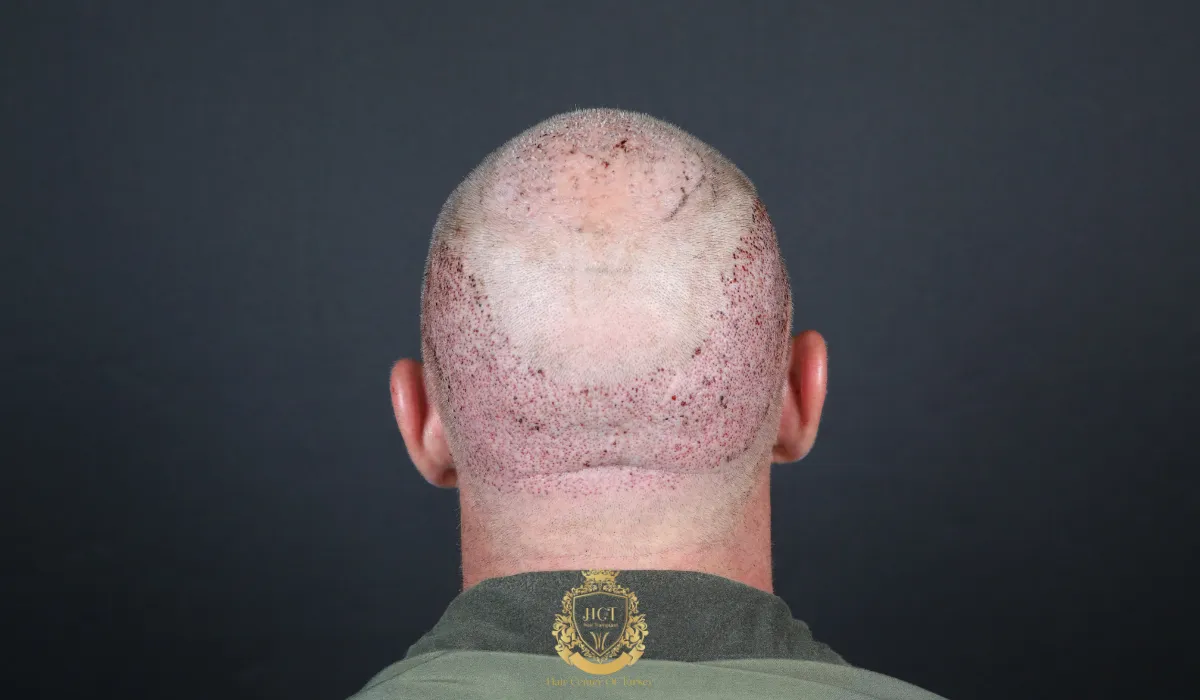
Why Hair Doesn’t Grow on Scar Tissue?
Hair may struggle to grow in scar tissue because scarring can reduce blood supply and change the skin structure that follicles need. When follicles are destroyed or the area becomes too fibrotic, new hair can’t form on its own.
That said, not every scar behaves the same. Some scars are soft and well‑vascularized, while others are thick or shiny and less suitable for hair growth.
Hair Transplant on Scar Tissue: Is It Possible?
Yes—hair can often be transplanted into scar tissue, especially when the scar is mature, flat, and has reasonable blood flow. Results vary, so the realistic aim is usually improvement rather than full “native” density.
FUE or DHI is commonly chosen for scar work because grafts can be placed precisely and the extraction method avoids creating a new large incision. Your su
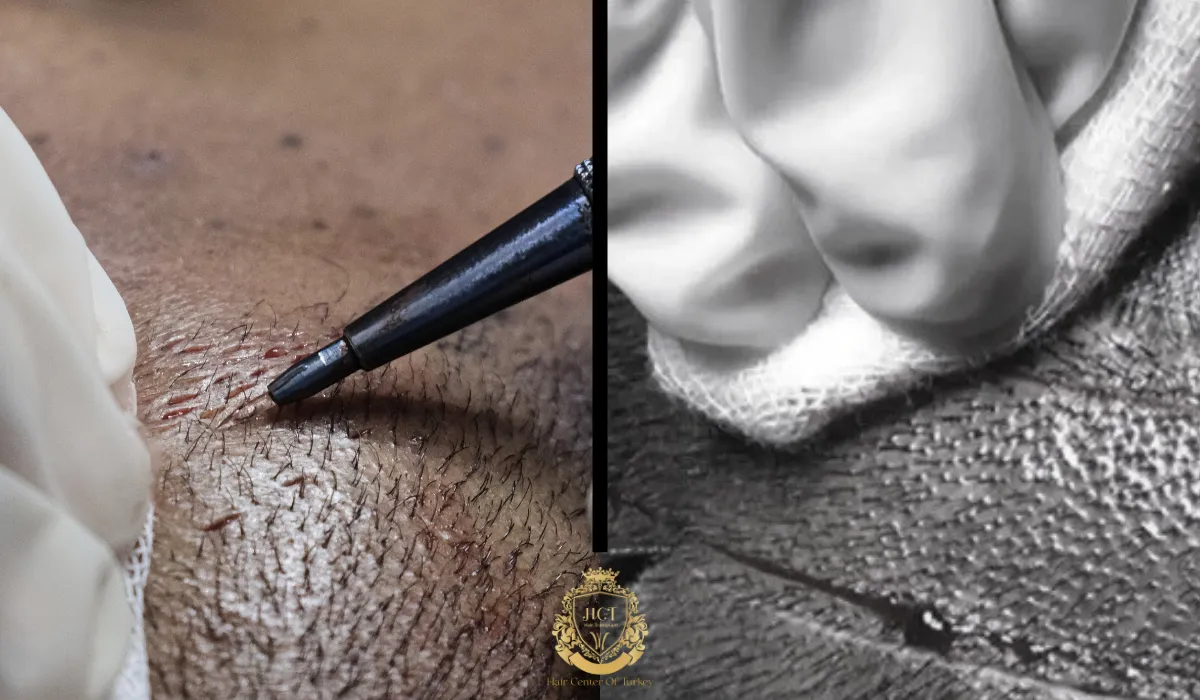
What Is the Procedure for Hair Transplants on Scar Tissue?
A scar transplant typically begins with an in‑person assessment. The surgeon checks the scar’s thickness, color, flexibility, and blood supply, and confirms the cause of the scar (FUT line, injury, burn, or previous surgery).
Grafts are usually placed at a lower density than in normal scalp skin, then built up in stages if the first session heals well. This staged approach reduces risk and helps the team learn how your scar tissue responds.
Aftercare is often stricter for scar cases. Expect careful washing instructions, sun protection, and a longer period before the final cosmetic result is visible.
FUE vs FUT: Which Procedure Is Better for Hair Transplant Scars?
FUE removes follicles one by one, so it generally creates the least noticeable donor scarring—small dots that often fade and blend with surrounding skin. It’s a common choice for people who like short hairstyles.
FUT can deliver many grafts efficiently, but it typically leaves a linear scar. A well‑performed closure can make that line thin, yet it may still show with very short hair or if you form thick scars (hypertrophic or keloid scars).
FUE vs DHI: Comparing Two Advanced Hair Transplant Methods
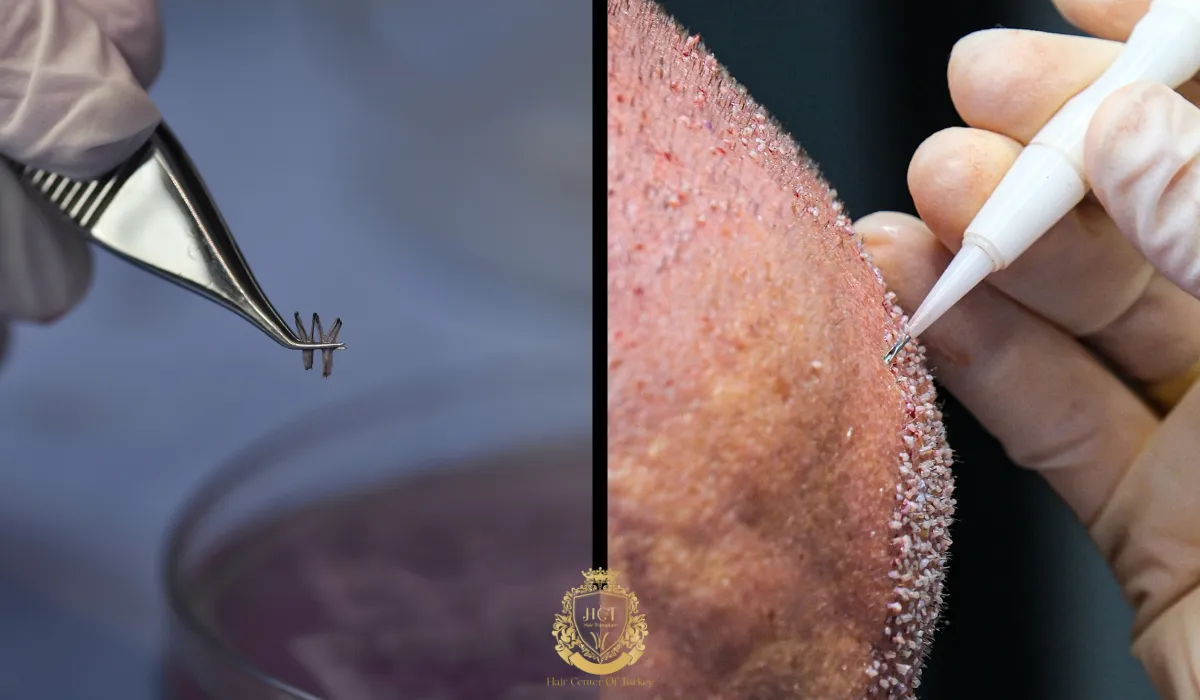
FUE and DHI usually share the same extraction method (FUE). The difference is mainly in implantation: DHI uses an implanter pen to place grafts directly, while classic FUE often uses pre‑made channels.
DHI can give the surgeon more control over angle and depth, which can be helpful in scarred or delicate areas. Still, scarring outcomes depend more on surgical technique and aftercare than on the label of the method.
What Is the Procedure for Hair Transplants on Scar Tissue?
A scar transplant typically begins with an in‑person assessment. The surgeon checks the scar’s thickness, color, flexibility, and blood supply, and confirms the cause of the scar (FUT line, injury, burn, or previous surgery).
Grafts are usually placed at a lower density than in normal scalp skin, then built up in stages if the first session heals well. This staged approach reduces risk and helps the team learn how your scar tissue responds.
Aftercare is often stricter for scar cases. Expect careful washing instructions, sun protection, and a longer period before the final cosmetic result is visible.
FUE vs FUT: Which Procedure Is Better for Hair Transplant Scars?
FUE removes follicles one by one, so it generally creates the least noticeable donor scarring—small dots that often fade and blend with surrounding skin. It’s a common choice for people who like short hairstyles.
FUT can deliver many grafts efficiently, but it typically leaves a linear scar. A well‑performed closure can make that line thin, yet it may still show with very short hair or if you form thick scars (hypertrophic or keloid scars).
FUE vs DHI: Comparing Two Advanced Hair Transplant Methods
FUE and DHI usually share the same extraction method (FUE). The difference is mainly in implantation: DHI uses an implanter pen to place grafts directly, while classic FUE often uses pre‑made channels.
DHI can give the surgeon more control over angle and depth, which can be helpful in scarred or delicate areas. Still, scarring outcomes depend more on surgical technique and aftercare than on the label of the method.
What Are the Best Hair Transplant Methods for Scarred Areas?
For many patients, FUE or DHI is preferred for scarred areas because both allow precise placement with minimal extra trauma. In some cases, body hair grafts can be considered when donor scalp supply is limited.
If the main goal is camouflage rather than new hair, scalp micropigmentation (SMP) can be an effective option for both FUE dot scarring and FUT line scars. A surgeon can also combine SMP with grafting for a stronger cosmetic result.
Does Scar Tissue Remain 6 Months After Hair Transplant?
Yes—scar tissue is still remodeling at six months. Early redness may calm down, but scars often continue to soften and lighten for 12 to 18 months.
If a scar looks raised, painful, or unusually wide at this stage, it’s worth checking in with your clinic. Early management can make a difference, especially for people prone to thick scarring.
Will Hair Transplant Scars Show If I Cut My Hair Short?
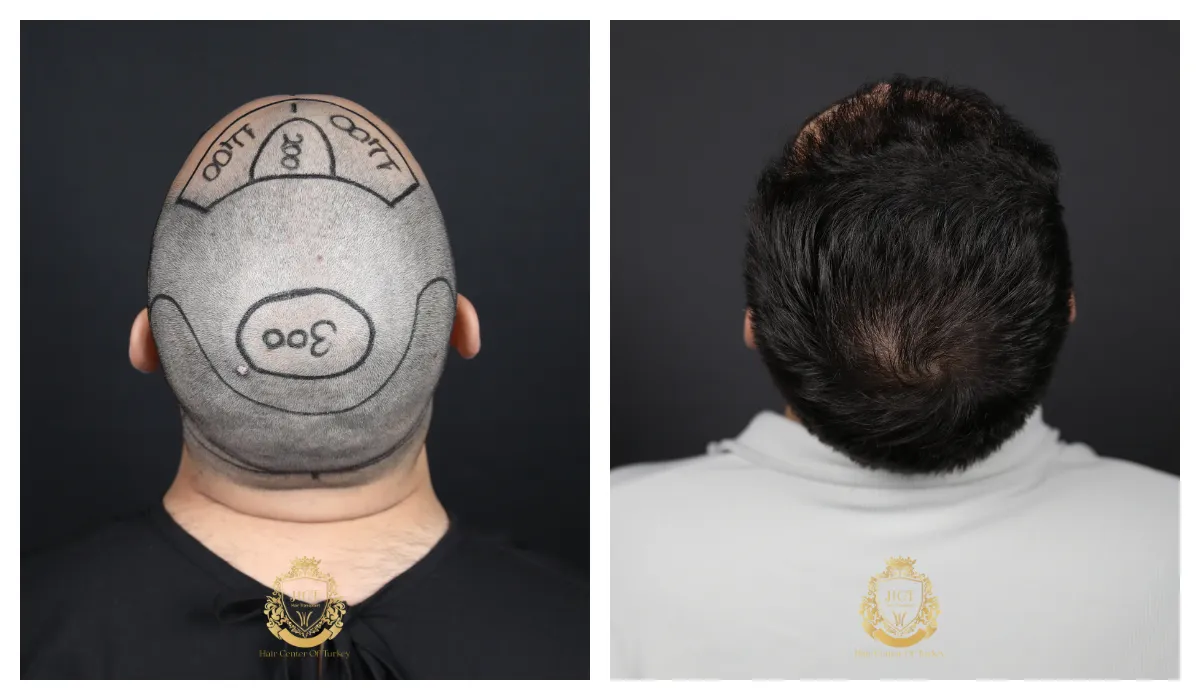
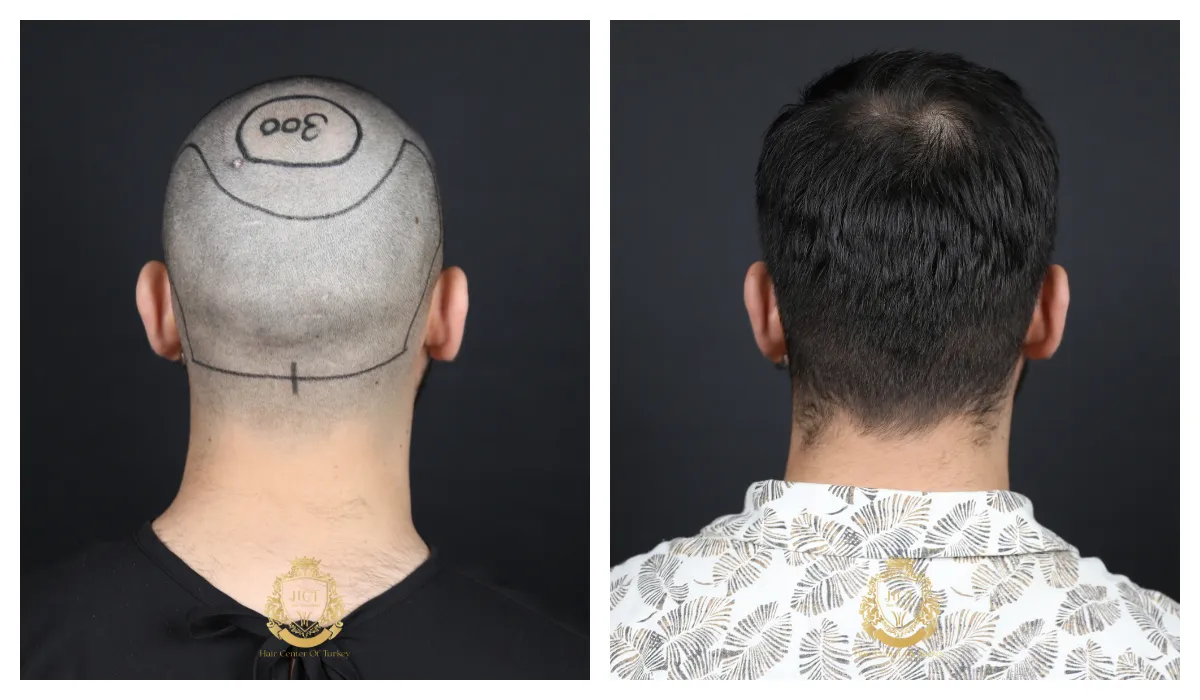
With FUE, the small dots are usually hard to see once they mature, but they can be more noticeable if you shave extremely close or have very high contrast between hair and skin.
With FUT, a linear scar is more likely to show with a tight fade or a shaved style. Many people keep the back and sides slightly longer, or use SMP, to keep the scar discreet.
Do Hair Transplant Scars Show Immediately After the Procedure?
Right after surgery, what you notice is typically redness, tiny scabs, and swelling—these are part of normal healing, not the final scar.
The donor and recipient areas usually settle over the first few weeks. A mature scar takes months to develop, and its final appearance can’t be judged in the first days.
Will Scar Tissue Develop If I Cut My Hair Six Months Post‑Transplant?
Cutting your hair at six months does not create new scar tissue. By that point, the wounds have closed and the scars that will form are already established.
If you’re worried about visibility, avoid an ultra‑close shave over a linear FUT scar and consider leaving a little length in the donor area. That small change in haircut often makes scars far less noticeable.
Frequently Asked Questions
Can hair grow in scar tissue?
It can, as long as the scar has enough blood supply and the tissue is not too thick or shiny. A consultation is the best way to estimate survival rates and realistic density.
How can I reduce scarring after a hair transplant?
Follow your clinic’s aftercare plan closely, avoid smoking, protect the scalp from sun, and don’t pick scabs. If needed, ask about silicone gel/sheets, medical scar treatments, or SMP once the skin has healed.
How long does hair regrowth take in scar tissue?
Timelines are similar to standard transplants, but results can appear slower in scar tissue. Many people see early growth around 4 to 6 months, with the clearest change between 9 and 12 months and continued improvement up to 18 months.
Explore the complete guide: Hair Transplant Results