

The Best Hairstyles for Men with Thin and Thick Hair
The best men’s hairstyles for thin hair create the look of density with short sides, texture, and controlled volume on top. For thick hair, the goal is the opposite: remove bulk, add shape, and keep the cut easy to style. Below are practical haircut ideas, what to ask your barber for, and which styles usually backfire.
At Hair Center of Turkey, we’ve worked with thousands of men since 2014 on finding haircuts that actually hold up day to day — not just in a single photo. The styles below come from what our barbers and hair restoration team see work in practice for thin and thick hair alike.
Hair texture and density change for a lot of reasons—genetics, age, health, and daily habits. By age 50, many men notice visible thinning, so choosing the right haircut becomes more about smart structure than chasing a “perfect” hairline.
A good barber cut can make thin hair look fuller and thick hair feel lighter, with less styling effort. The key is picking shapes that work with your growth pattern, crown, and hairline, then using the right product (usually less than you think).
Table of Contents
Why Hair Can Look Thin
“Thin hair” can mean fine strands, low density, or both. Sometimes the hair itself is delicate but you still have a full head of it; other times the strands are normal but there’s less coverage at the hairline or crown.
- Genetics and androgen sensitivity (male pattern hair loss)
- Temporary shedding after stress, illness, or major lifestyle changes (often called telogen effluvium)
- Hormone or thyroid issues, low iron, or other medical factors
- Medication side effects
- Breakage from aggressive heat, bleaching, tight styles, or harsh scalp products
The Best Hairstyles For Men With Thin Hair
1. Buzz cut
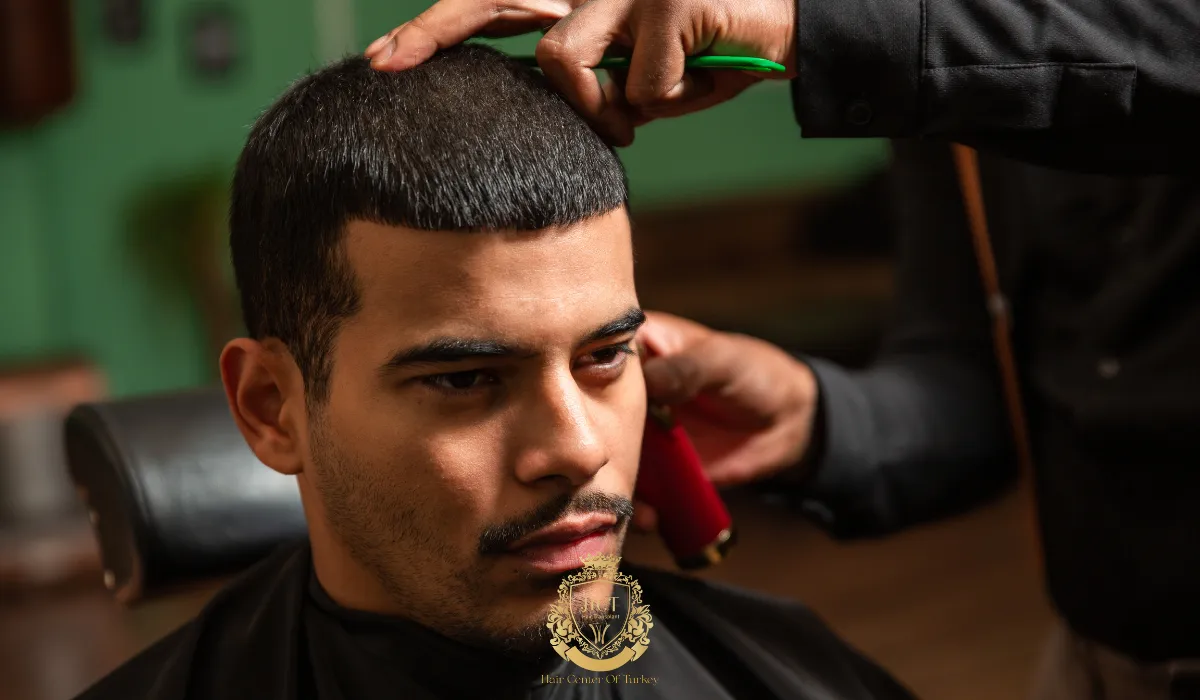
The buzz cut is a timeless haircut that remains a go-to for men with thinning hair, thanks to its ability to downplay general hair thinness while complementing most face shapes. Its simplicity is one of its strongest assets achieved by using a shaver to trim the hair to just a few millimeters long, it’s quick to create and easy to maintain.
This short, sleek style is particularly effective at concealing bald spots, especially around the crown, making it one of the top choices for men dealing with hair loss. The buzz cut’s minimal length creates uniformity across the scalp, drawing less attention to thinning areas while maintaining a sharp, clean look. It’s a classic yet practical option for those seeking a fuss-free hairstyle that helps minimize the appearance of balding.
2. High fade
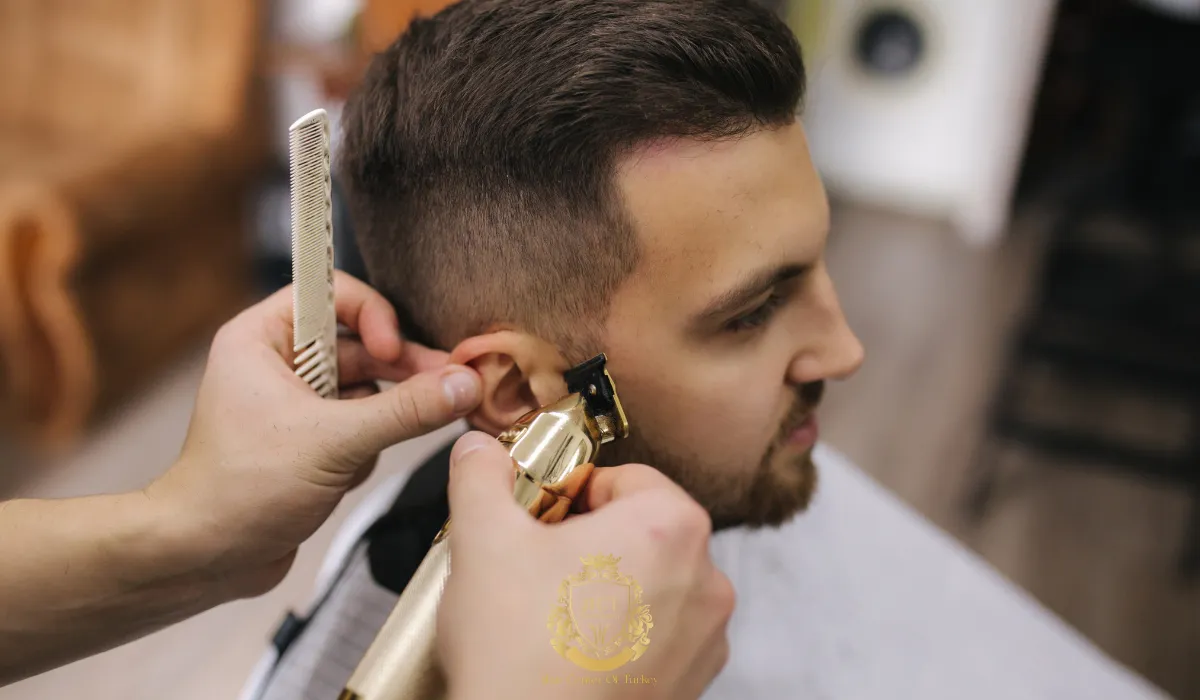
This bold, masculine haircut is a top choice for men dealing with temple hair loss, offering a fresh solution to the classic M-shaped hairline. By opting for this style, you can embrace a youthful and energetic appearance that helps to downplay thinning at the temples.
The key to achieving this look lies in shaving the back and sides of the head while blending them seamlessly with the remaining hair on top. This gradual fade not only creates a smooth transition but also adds structure to your overall look. It’s an ideal option for those who aren’t facing significant frontal hair thinning, allowing you to maintain a full-bodied appearance in areas that matter most. Simple yet effective, this hairstyle transforms your hairline and enhances your confidence.
3. Swept over
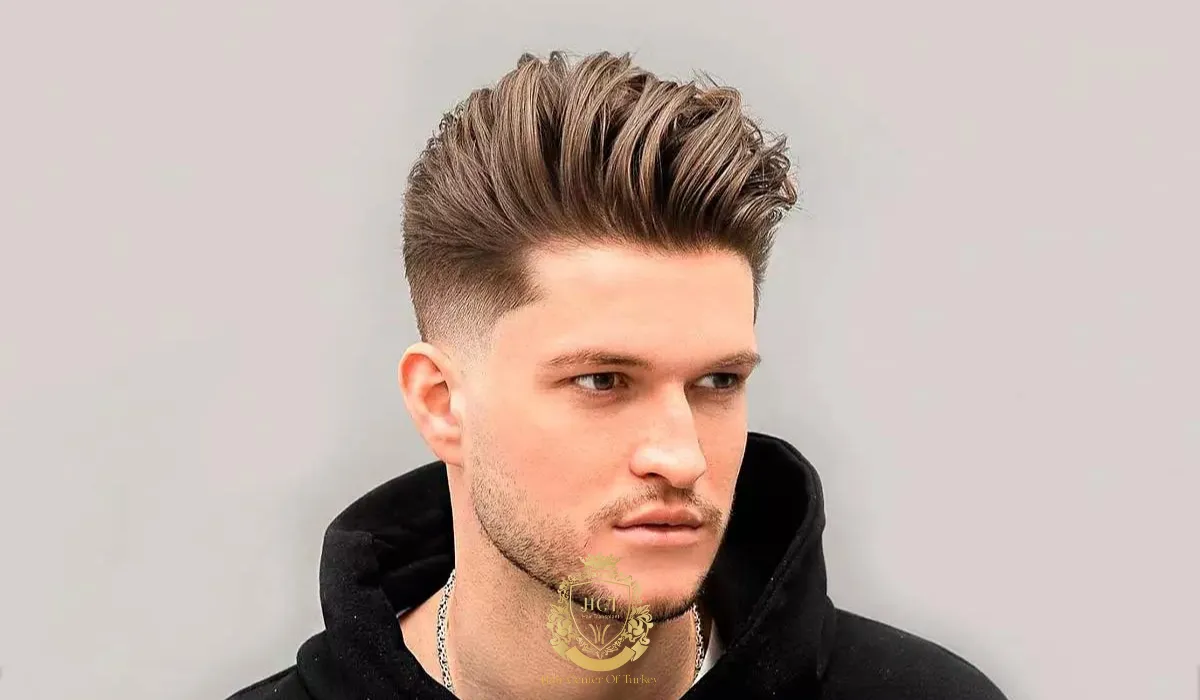
Actor Steven Yeun serves as a great example of how growing your hair longer can cleverly mask a receding hairline. When styled well, longer hair can create volume and cover thinning areas, offering a natural way to maintain a fuller appearance. However, to successfully grow out thinning hair, it’s essential to stick to a healthy hair care routine and avoid stress, which is a significant contributor to hair loss.
“Stress plays a major role in hair loss,” says Butler. “Increased stress pushes a large number of hair follicles into a resting phase. Eventually, the affected hairs fall out during washing or combing.” By managing stress and focusing on proper hair care, you can give your thinning hair the best chance to grow and thrive, just like Yeun’s effortlessly cool style.
4. Side-swept part
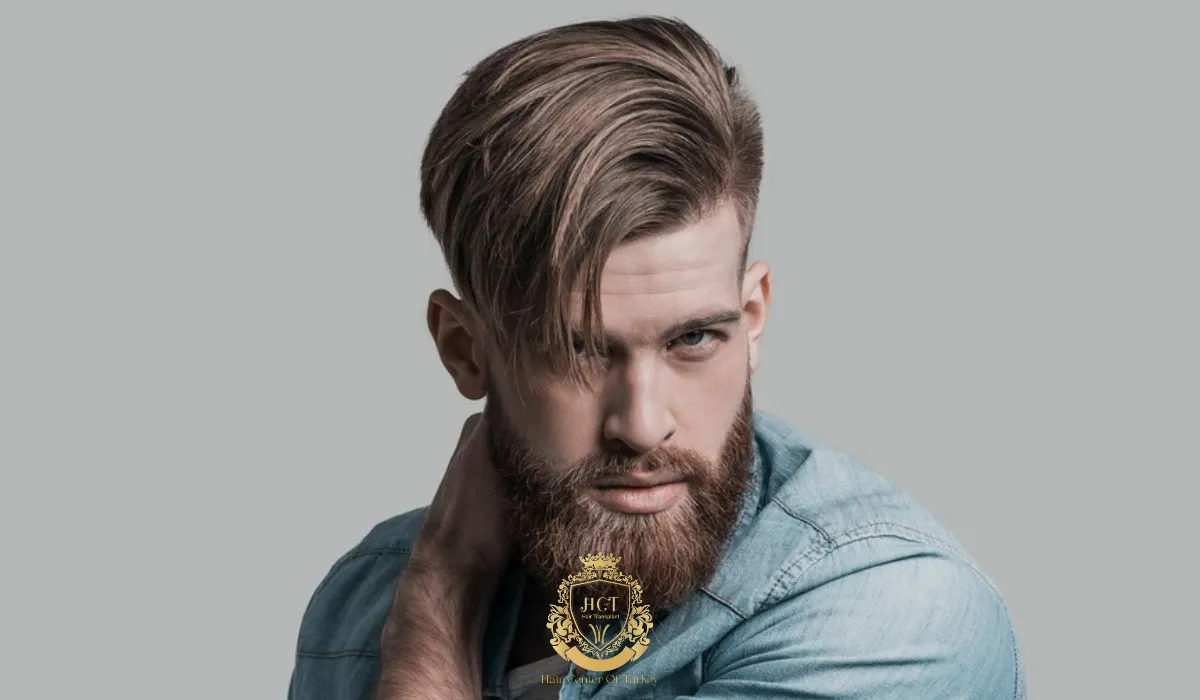
The side-swept part is a classic, sophisticated hairstyle that elegantly utilizes the thicker hair on the sides to conceal light thinning at the crown. This haircut is especially effective for camouflaging thinning on one side of the head, offering a stylish solution for those experiencing early signs of hair loss. Its versatility allows it to suit a wide range of face shapes and personalities, making it a go-to option for anyone looking to maintain a polished appearance while subtly addressing thinning hair.
Whether for a formal occasion or everyday wear, the side-swept part brings a refined look that effortlessly blends elegance with practicality.
5. The quiff
The quiff, much like the pompadour, features hair styled up and back, but with a unique twist that gives it its own character. Unlike the smooth, swept-back look of the pompadour, the quiff incorporates a more textured, voluminous appearance by pushing the hair at the front forward. This creates a bold and dynamic shape that adds height and depth, making it a standout style for those looking to add flair to their look.
The quiff is a versatile hairstyle that works well for various hair types and face shapes, adding both a modern edge and a touch of classic sophistication. It’s perfect for those wanting to balance style and volume while subtly masking any thinning areas. Whether you’re going for a casual or formal look, the quiff provides a polished yet effortlessly cool vibe.
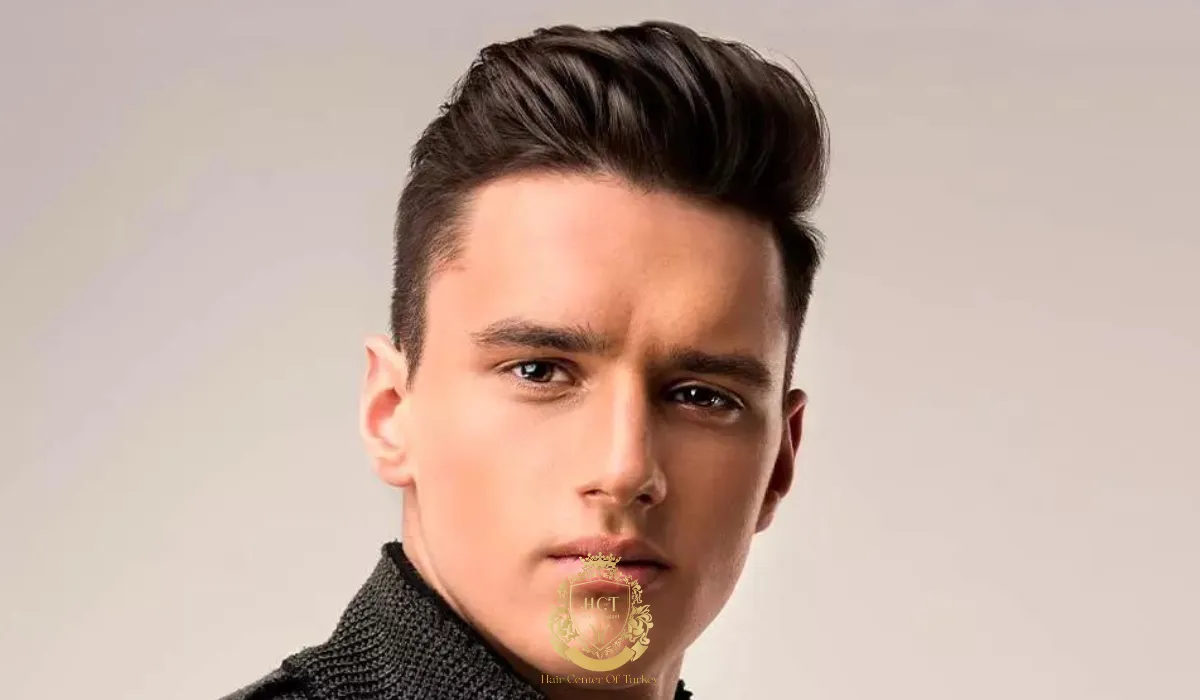
6. Skin fade
Skin fade features shaved sides that taper upwards, blending seamlessly into the longer hair on top. Known as a fade cut, it’s a versatile and popular choice for men with thinning hair, regardless of hair type. By keeping the sides short and gradually increasing length towards the crown, it creates the illusion of fuller hair on top, minimizing the appearance of thinness.
For those with straight or wavy hair, you can enhance the look further by adding texture. Using a styling clay, you can create volume and a thicker appearance, giving the hair a fuller, more dynamic look. This style not only provides a sharp and modern aesthetic but also offers a practical solution for concealing thinning areas, making it a top choice for men seeking a fresh, confident look.
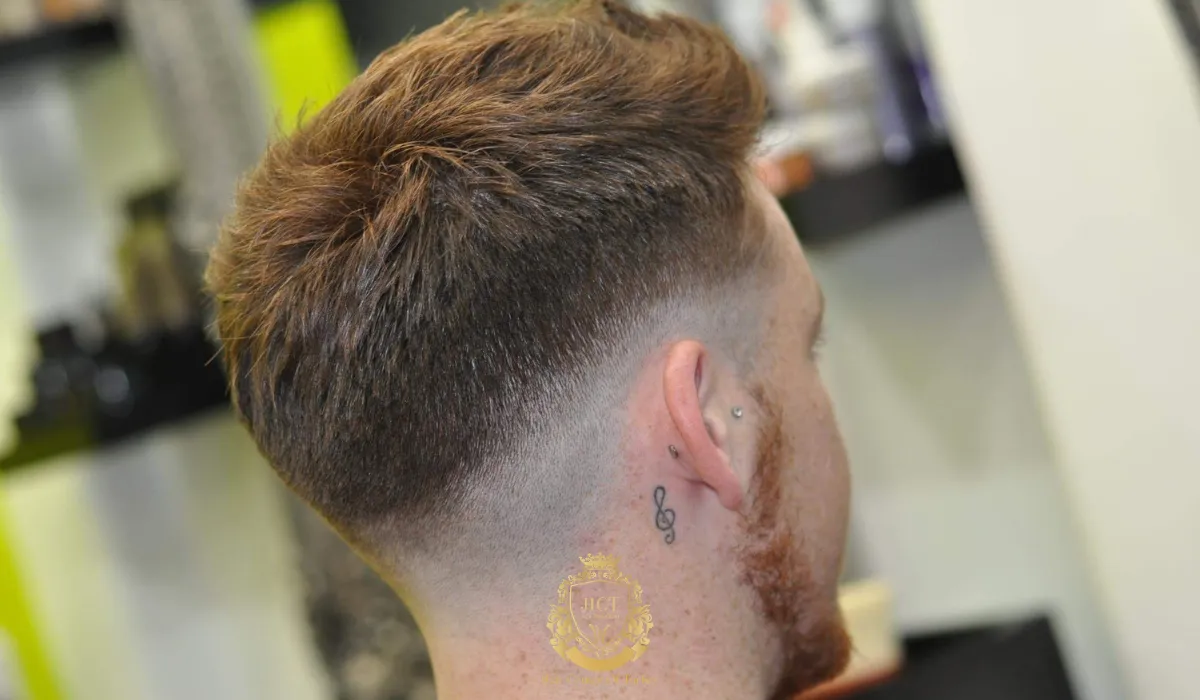
7. Faux hawk
The faux hawk is a bold and stylish option that has gained popularity for its edgy yet adaptable look. Perfect for those with a receding hairline, this hairstyle is created by using hair gel or styling products to lift the hair at the crown into a subtle mohawk-like shape. It offers the flair of a mohawk without the full commitment, making it a rebellious yet refined choice.
To further enhance the look, shaving the sides shorter can help divert attention from receding temples, offering a balanced contrast between the top and sides. However, it’s important to note that the faux hawk works best for men who aren’t dealing with significant thinning on top. Adding too much product in areas where hair is already sparse can have the opposite effect, making the hair appear even thinner. When styled right, though, the faux hawk can give the illusion of fullness while maintaining its trendy and modern appeal.
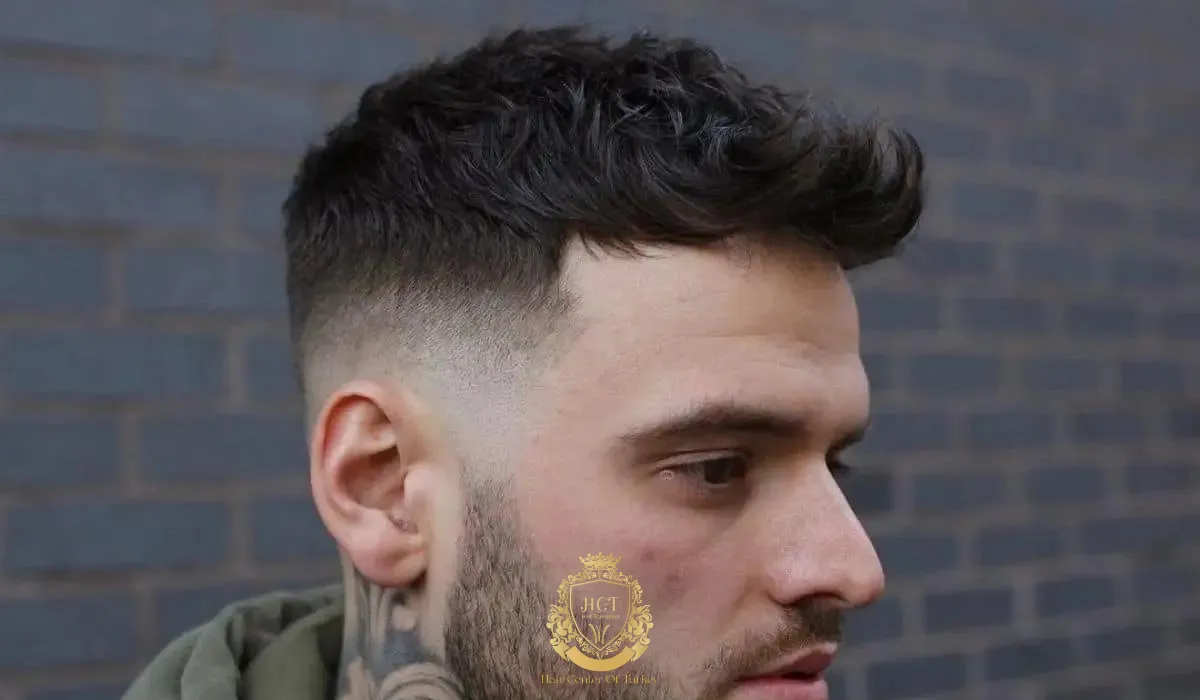
8. Crew cut
The crew cut is a classic, low-maintenance hairstyle that has stood the test of time, offering a clean and polished appearance. Similar to the disconnected sides haircut, the crew cut features shorter sides and a longer top, but with one key difference: the sides are seamlessly connected to the top, giving a more cohesive and balanced look. This makes it a perfect choice for those seeking a timeless haircut that’s suitable for both professional and casual environments.
In more formal settings, you can use pomade to comb the hair into place, achieving a sleek, refined style that pairs well with business attire. For a more relaxed and laid-back vibe, opting for a styling clay can add texture and create a casual, tousled look. The crew cut’s versatility and ease of styling make it a popular option for men with thinning hair, as it doesn’t require extensive upkeep while still maintaining a sharp, confident appearance.
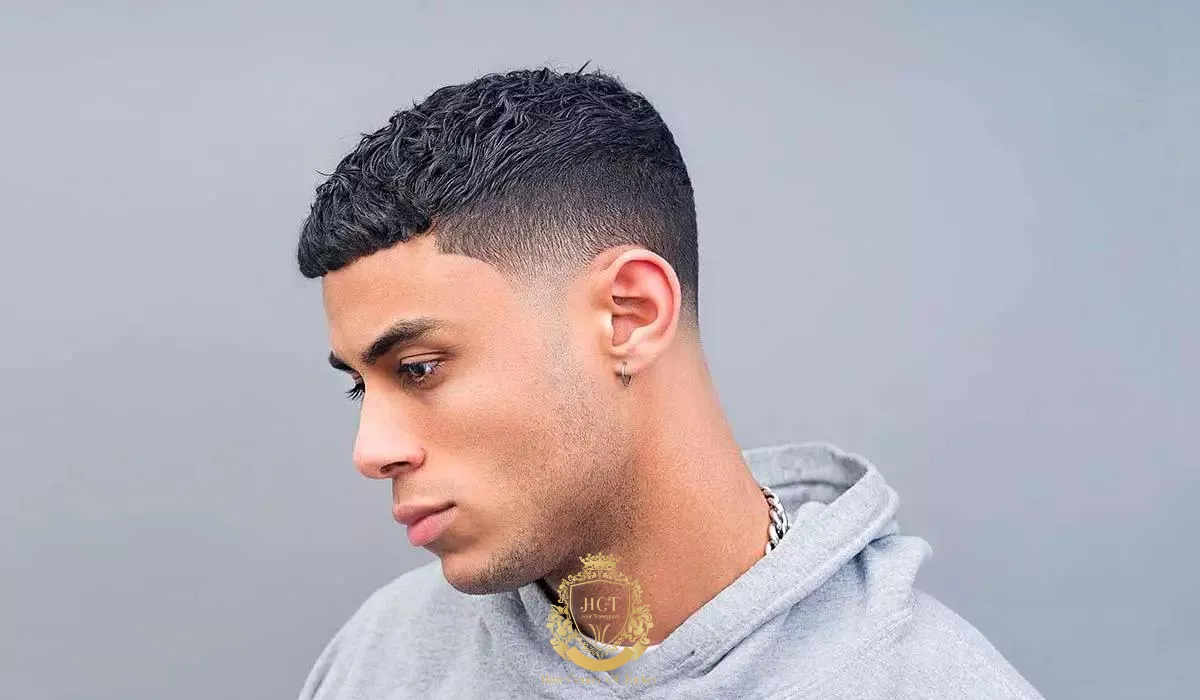
9. Medium textured
If your hair is naturally wavy, you have a great advantage when it comes to styling thinner hair. Wearing it a little longer can actually work in your favor, as your waves naturally create volume and texture, making your hair appear fuller. The soft curls give the illusion of density, which is ideal for anyone dealing with thinning hair.
To enhance this effect, consider using light styling products, such as a volumizing mousse or a lightweight hair cream, to define the waves without weighing them down. A quick tousle before heading out will bring out the natural bounce in your hair, creating a casual yet polished look. This effortless style not only masks thinning areas but also celebrates your hair’s natural movement, giving you confidence in every step.
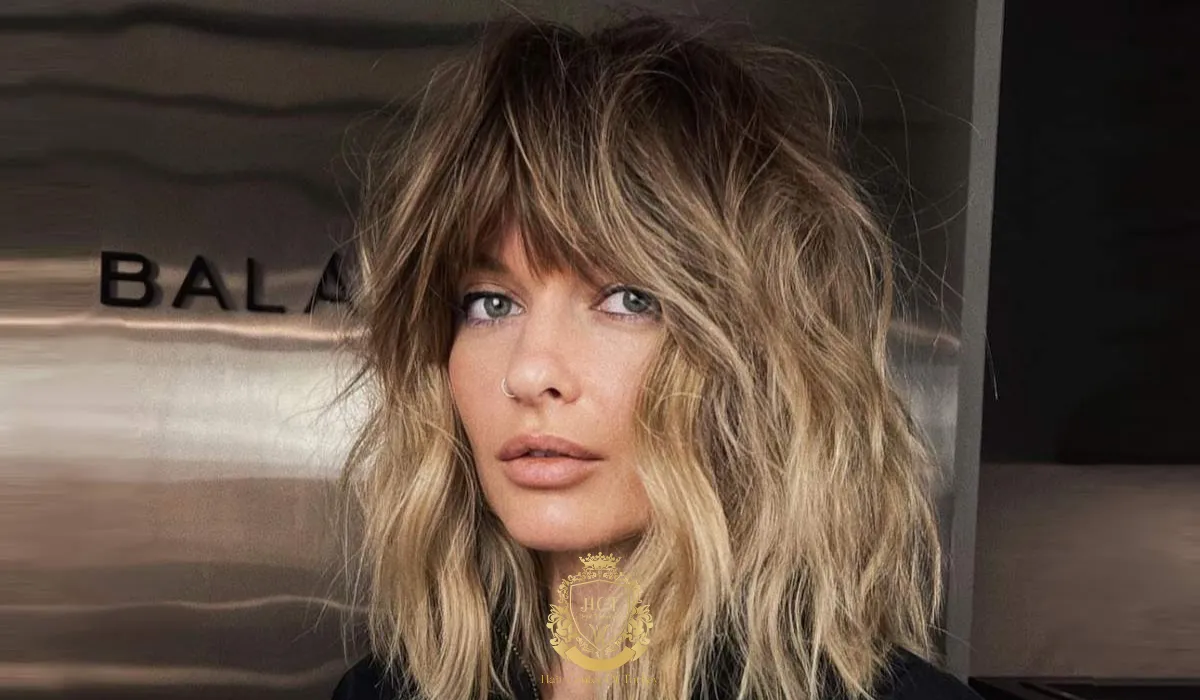
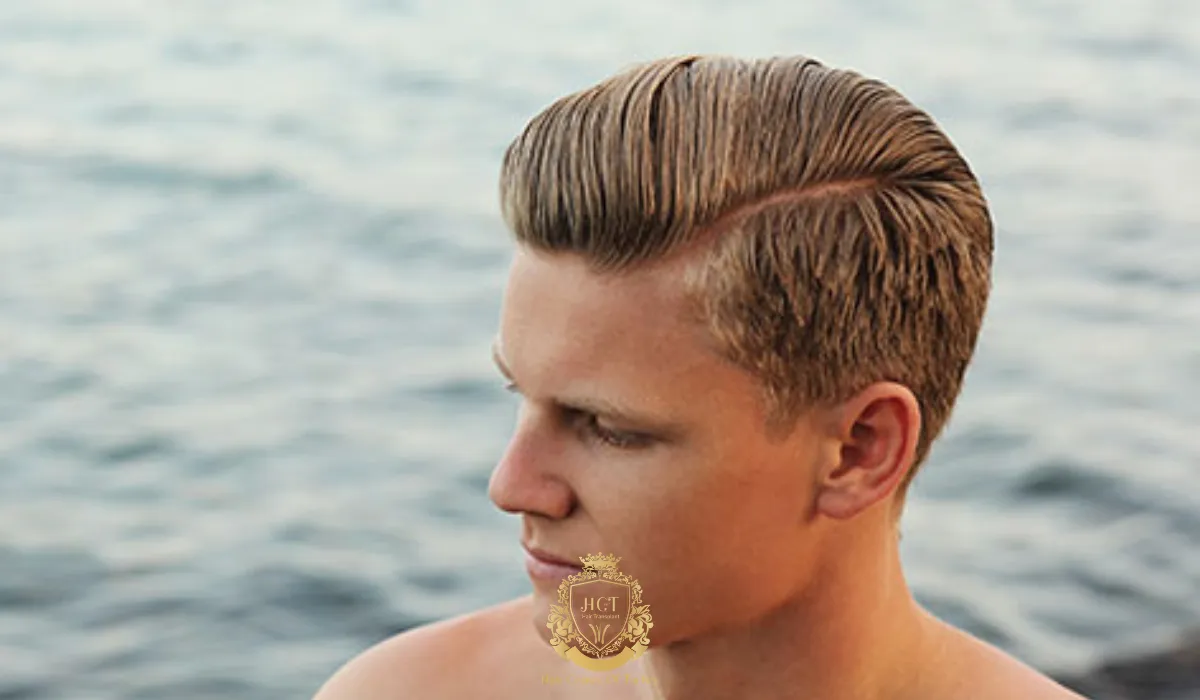
10.Pompa”dour
A modern pompadour (not overly tall) can disguise crown thinning by directing hair up and back. Ask your barber for a tapered side rather than a stark undercut for a more natural blend.
Hairstyles To Avoid If Your Hair Is Thinning
- Slicked-back styles with wet gel (they separate strands and expose the scalp)
- Very long hair with no layers (weight drags hair flat)
- Tight man buns or braids if you’re already shedding (traction can worsen breakage)
- Hard parts and razor-sharp lines when density is low (they create high contrast)
- Overgrown tops with short sides if your crown is thin (the crown becomes the focal point)
The Best Hairstyles For Men With Thick Hair
Thick hair is a good problem to have, but bulk can make a cut look puffy, especially around the sides and crown. The best thick-hair styles remove weight in the right places and keep the silhouette clean.
Low Taper With Textured Top
A taper keeps the sides controlled while texture prevents the top from looking like a helmet.
Ask for: a low taper, scissor work on top, and light texturizing (not aggressive thinning).
Classic Pompadour (Controlled)
Thick hair holds height well, so you can wear a pompadour without fighting gravity.
Ask for: a medium-length pompadour with debulking at the corners; finish with pomade, not wax.
Modern Quiff
A quiff works on thick hair when you keep the shape airy and the sides tidy.
Ask for: a mid fade and a quiff with internal layers for movement.
Bro Flow (Medium Length)
If your hair is thick and straight-to-wavy, a “flow” can look effortless when it’s layered.
Ask for: collar-grazing length with layers and weight removal behind the ears.
Textured Crop
Crops are low-maintenance and stop thick hair from ballooning.
Ask for: a crop with heavy texture on top and a low fade; keep the fringe optional.
Undercut With Natural Texture
An undercut can work if you keep the top textured and not overly long.
Ask for: an undercut that blends slightly at the transition so it doesn’t look harsh as it grows out.
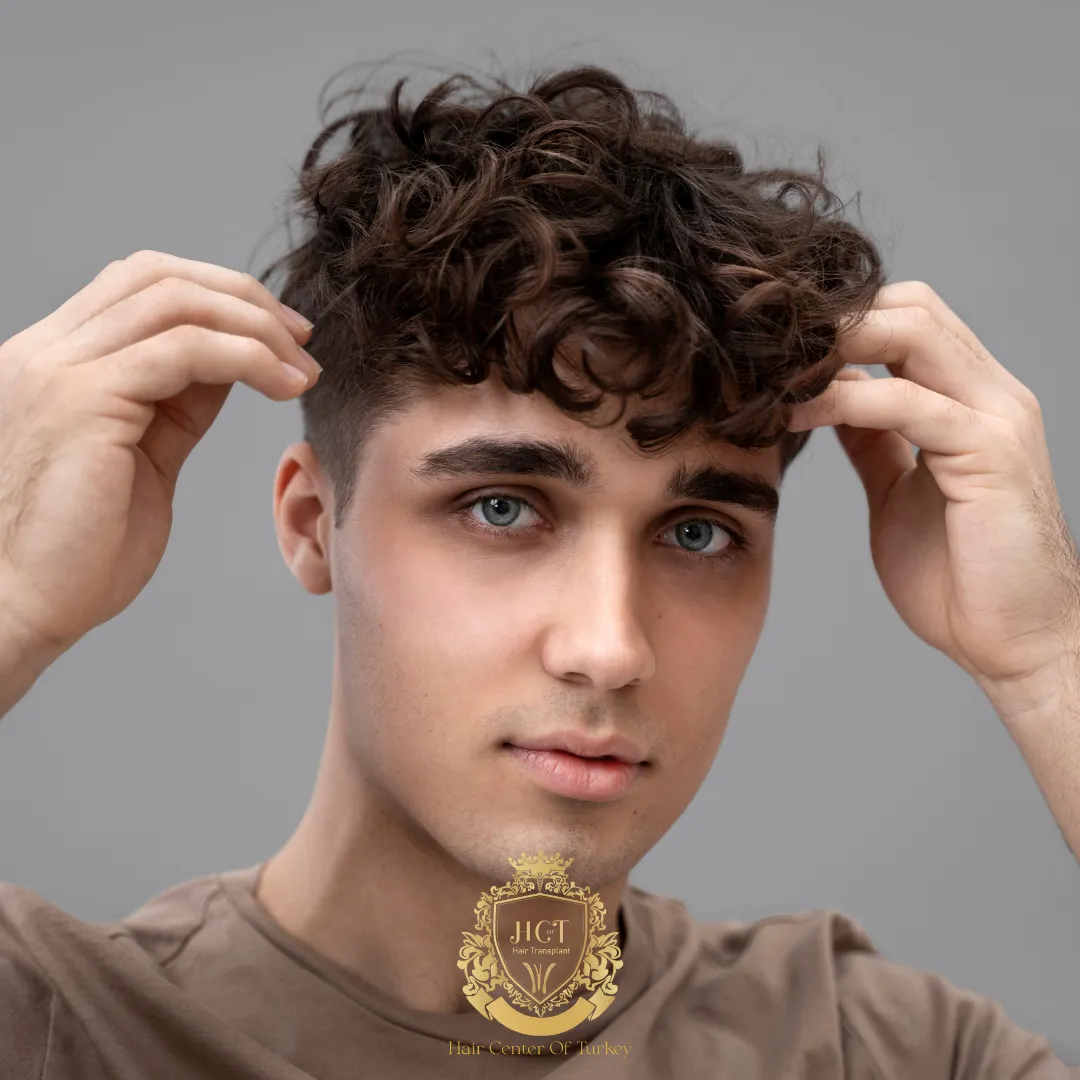
Curly Top With Fade (For Curly/Coily Hair)
A fade cleans up the sides while curls stay defined and shaped on top.
Ask for: a taper or fade that respects your curl pattern; avoid taking the crown too short.
Scissor Cut With Square Shape (Professional Look)
A tailored scissor cut keeps thick hair neat without making it look too short.
Ask for: a square shape around the temples and occipital bone, with controlled layering on top.
Hairstyles To Avoid If Your Hair Is Very Thick
- One-length cuts with no layering (they create a blocky shape)
- High heat styling with no protectant (thick hair can still get dry and frizzy)
- Over-thinning with shears (it can cause “poofy” ends and flyaways)
- Ultra-tight fades that don’t match the top (the cut can look top-heavy)
Simple Styling Tips That Make A Bigger Difference
- Choose matte products for thin hair (clay, paste, or powder) to reduce scalp shine.
- Use less product than you think—start with a pea-sized amount and build only if needed.
- Blow-dry on low heat while lifting at the roots for quick volume and better direction.
- For thick hair, use a light cream or pomade to control frizz without stiffness.
- If shedding is sudden or patchy, or your scalp is itchy or sore, check in with a dermatologist.
FAQ
What hairstyle suits best a man with thin hair?
A textured crop with short sides adds volume and minimizes scalp contrast.
What is a good hairstyle for men with thick hair?
A layered cut with tapered sides controls bulk and keeps thick hair manageable.
What is the best haircut to make thin hair look thick?
A blunt, slightly longer top with texture creates fuller-looking density for thin hair.
What to avoid with thick hair?
Avoid one-length cuts, heavy pomades, and tight fades that exaggerate puffiness.
Why is thick hair so attractive?
Thick hair signals health, youth, and styling versatility, which many people find appealing.
Explore the complete guide: Hair Styling and Color