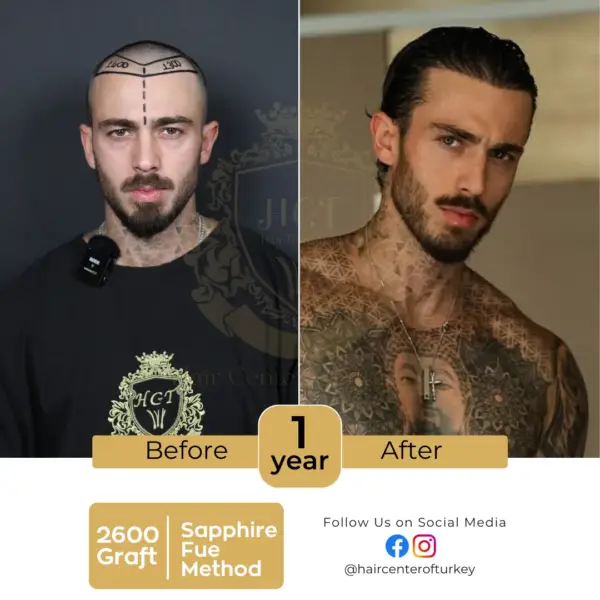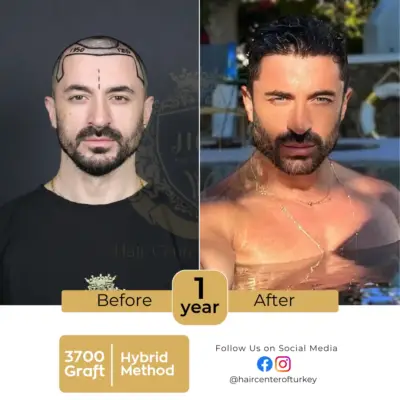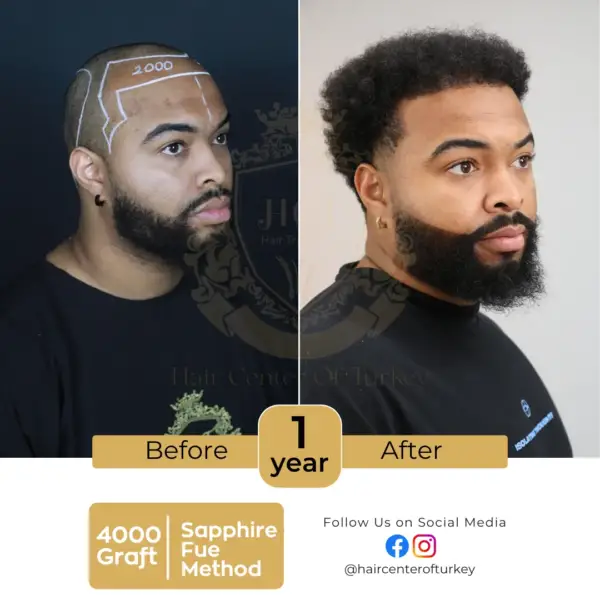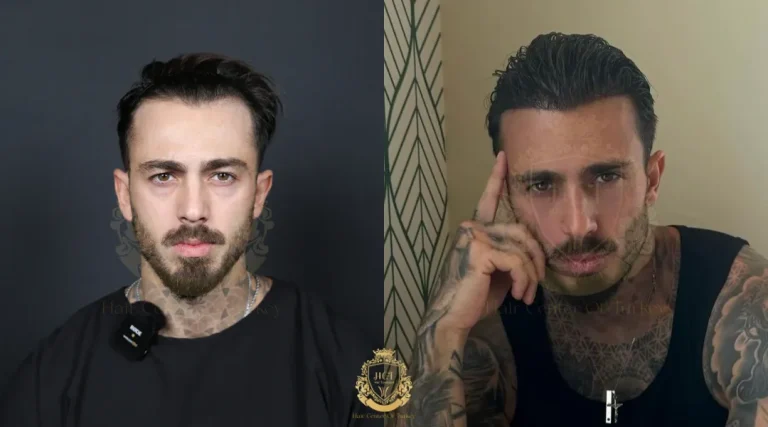


Hair transplantation has changed significantly over the years. Older techniques once left visible scars, long recovery periods, and less natural results. Today, modern methods focus on precision, comfort, density, and natural hair direction. One of the most talked-about tools in this field is the Choi pen, also known as the Choi implanter pen. This instrument is closely associated with DHI hair transplant, a technique that allows grafts to be implanted directly into the scalp with controlled angle, depth, and direction.
The Choi pen is not simply a cosmetic tool. It plays an important role in how hair follicles are placed during transplantation. For patients researching modern hair restoration, understanding how the Choi pen works can make the treatment process easier to understand. It also helps explain why technique, experience, and graft handling are just as important as the number of grafts used.
What Is a Choi Pen?
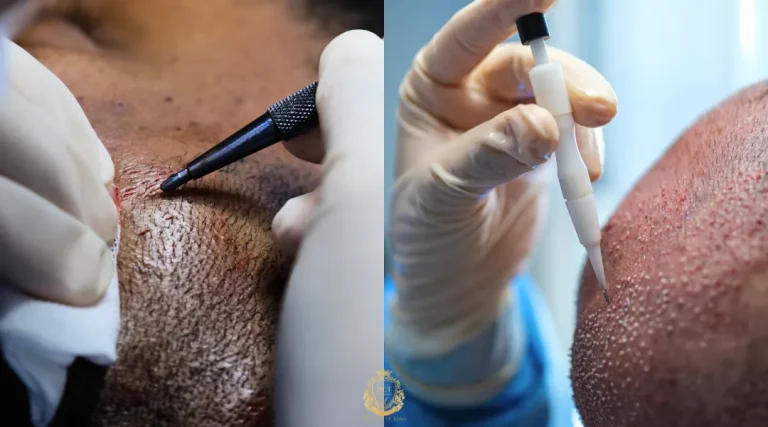
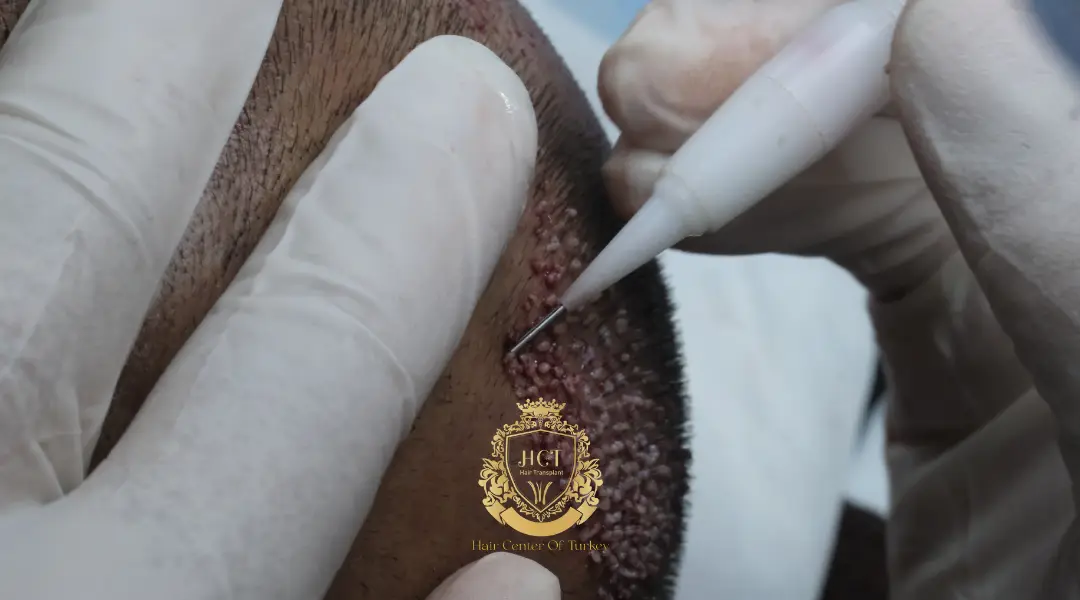
The Choi pen is a specialized implantation tool used in hair transplantation to place hair grafts directly into the recipient area. It has a pen-like structure with a fine hollow needle at the tip. The extracted hair follicle is loaded into the pen, and then the medical team implants the graft into the scalp by pressing the mechanism of the device.
The main features of the Choi implanter pen include:
- Pen-shaped design: Its structure allows controlled handling during implantation.
- Hollow needle tip: The graft is placed inside the needle before being inserted into the scalp.
- Direct implantation: The graft can be implanted without opening separate channels beforehand.
- Angle control: The tool helps guide the direction in which the hair will grow.
- Depth control: Proper use supports accurate placement beneath the skin.
- Density planning: It can help with precise graft distribution in suitable cases.
- Common use in DHI: The Choi pen is widely known as the key tool in Direct Hair Implantation.
This tool requires experience and careful hand control. The pen itself does not guarantee a successful result. The quality of the outcome depends on correct planning, donor area management, graft survival, and the skill of the team using it.
Why Is the Choi Pen Important in Modern Hair Transplantation?
The Choi pen is important because it supports a more controlled implantation process. In traditional approaches, channels are usually opened in the recipient area before grafts are placed. With the Choi pen technique, the graft can be implanted directly. This difference allows the medical team to manage angle, depth, and direction during the placement stage.
Natural-looking hair transplantation depends heavily on direction. Hair does not grow straight out of the scalp in a random way. Each area has its own natural angle. The frontal hairline, temples, mid-scalp, and crown all require different placement strategies. When the Choi pen is used correctly, it can help create a softer and more realistic appearance.
The tool is especially valued in cases where density and precision are important. However, not every patient is automatically suitable for Choi pen hair transplant. The donor area, hair type, graft number, scalp condition, and size of the bald area must be evaluated before deciding on the method.
How Is the Choi Pen Used in Hair Transplantation?
The Choi pen is used during the implantation stage of hair transplantation. Before this stage, grafts are extracted from the donor area, usually from the back or sides of the scalp. These grafts are then prepared carefully and placed into the implanter pen one by one.
The general use of the Choi pen includes:
- Graft extraction: Hair follicles are collected from the donor area.
- Graft preparation: The extracted follicles are examined and kept in suitable conditions.
- Loading the pen: Each graft is placed into the hollow needle of the Choi implanter.
- Positioning the tool: The medical team places the pen at the correct angle on the recipient area.
- Direct implantation: The graft is inserted into the scalp with controlled depth and direction.
- Density adjustment: The team continues implantation according to the planned hairline and coverage.
- Final control: The transplanted area is checked for balance, spacing, and natural placement.
This process requires coordination. One team member may load the grafts into the pens, while another performs implantation. Speed matters, but rushing can damage grafts. A successful Choi pen hair transplant depends on a careful rhythm between extraction, preparation, loading, and placement.
What Is the Relationship Between Choi Pen and DHI Hair Transplant?
The Choi pen is most commonly connected with DHI hair transplant. DHI stands for Direct Hair Implantation. In this method, hair follicles are implanted directly into the recipient area using implanter pens. Because the Choi pen is the main tool used in this process, many people use the terms Choi pen technique and DHI technique together.
DHI hair transplant is often preferred for patients who need careful density planning, refined hairline work, or transplantation between existing hairs. Since the method allows direct placement, it may be useful in cases where the goal is to protect surrounding hair while improving fullness.
Still, DHI should not be seen as a universal solution for everyone. Some patients may benefit more from FUE-based channel opening, while others may be suitable for Choi pen implantation. The best method depends on individual hair loss patterns, donor strength, hair thickness, and expectations.
Does the Choi Pen Create More Natural Results?
The Choi pen can support natural-looking results when used by an experienced team. Naturalness does not come from the tool alone. It comes from medical planning and aesthetic judgment. A realistic hairline, proper density, correct graft angles, and balanced donor extraction all work together.
The frontal hairline is the most visible area after a hair transplant. If grafts are placed too straight, too low, or too densely in a sharp line, the result may look artificial. The Choi pen can help with controlled placement, but the design must still be planned carefully. Small irregularities, soft transitions, and age-appropriate positioning make the result look more natural.
In crown transplantation, direction is equally important. The crown has a spiral growth pattern, and grafts must follow this natural movement. If the placement ignores the natural flow, the result can look flat or unnatural. Proper use of the Choi implanter pen helps support direction control in these detailed areas.
Is Choi Pen Hair Transplant Painful?
Choi pen hair transplant is usually performed under local anesthesia, so the procedure area is numbed before implantation begins. Patients may feel pressure or mild sensitivity during some stages, but the main goal of anesthesia is to keep the process comfortable. The first anesthesia stage may create brief discomfort, while the rest of the procedure is generally more tolerable.
Comfort also depends on the length of the operation, the number of grafts, and the patient’s sensitivity. Since hair transplantation can take several hours, the clinic’s organization and patient care approach are important. A calm environment, proper anesthesia planning, and clear communication help make the experience smoother.
The Choi pen itself is not designed to increase pain. Its purpose is controlled implantation. After the procedure, mild redness, swelling, tightness, or tenderness can occur. These effects are usually part of the early healing period and gradually decrease with proper aftercare.
Who May Be Suitable for a Choi Pen Hair Transplant?
Suitability for Choi pen hair transplant should be decided after a detailed consultation. Patients with enough donor hair, realistic expectations, and suitable scalp conditions may be considered. The technique can be especially useful for people who need precise hairline work or increased density in selected areas.
Patients with limited donor capacity, very large bald areas, or certain scalp conditions may need a different plan. In some cases, combining different techniques may create a better result. A responsible clinic does not choose a method only because it sounds modern. The method should match the patient’s needs.
Hair type also matters. Thick hair, fine hair, curly hair, and straight hair all require different implantation strategies. The Choi pen must be used with proper angle control according to the natural growth direction. This is why experience remains one of the most important factors in the final result.
What Happens After a Choi Pen Hair Transplant?
The recovery process after Choi pen hair transplant is similar to other modern hair transplant methods. In the first days, the transplanted area must be protected carefully. The grafts are newly placed, and the scalp needs time to heal. Patients should follow the clinic’s washing instructions and avoid rubbing, scratching, or applying pressure to the area.
Small scabs may form around the implanted grafts. These scabs usually begin to clear with proper washing during the early recovery period. Redness can remain longer in some patients, especially in sensitive skin types. The appearance improves gradually as the scalp settles.
Temporary shedding may occur after the first few weeks. This stage can worry patients, but it is usually a normal part of the hair growth cycle. The visible hair shafts may fall out while the follicles remain beneath the skin. New growth begins gradually in the following months, and the result becomes more noticeable over time.
When Are Results Seen After Choi Pen Hair Transplant?
Results from Choi pen hair transplant develop gradually. The first visible appearance after the procedure does not represent the final result. The transplanted hairs may shed, and the scalp may look thinner for a temporary period. This is part of the process.
Early growth often begins in the following months, but the hairs may first appear thin and weak. Over time, they become stronger, thicker, and more visible. Density improves step by step. Many patients notice clearer changes around the middle stages of the growth timeline, while the final result usually requires patience.
A mature hair transplant result depends on biological growth cycles. Good technique can support graft survival and natural direction, but time is still necessary. The Choi pen helps with precise implantation, yet the final appearance develops as the transplanted follicles adapt and produce healthy hair.
What Are the Advantages of the Choi Pen Technique?
The Choi pen technique offers several potential advantages when applied to suitable patients. It can support direct implantation, controlled angle placement, and careful density planning. These qualities make it a valuable option in modern hair restoration.
One of the most appreciated advantages is precision. Since each graft is placed with controlled movement, the medical team can work carefully around the hairline and existing hair. This can be helpful in cases where the goal is to improve density without damaging surrounding strands.
Another advantage is the ability to manage direction during placement. Natural growth direction is one of the strongest signs of a successful hair transplant. When the Choi pen is handled properly, it can support a softer, more realistic result. However, its advantages appear only when the patient is suitable and the procedure is performed by an experienced team.
Are There Any Limitations of the Choi Pen?
The Choi pen has limitations, and these should be understood before choosing the method. It may not be ideal for every hair loss pattern or every graft number. Large bald areas may require a different strategy, especially when maximum coverage is needed. The technique can also take longer because grafts must be loaded into the pens carefully.
The quality of the team is another important limitation. The Choi pen requires training and coordination. If grafts are loaded incorrectly or implanted at the wrong angle, the result may suffer. A modern tool cannot replace medical skill.
Cost may also be different depending on the clinic, graft number, and treatment plan. Patients should not choose the Choi pen only because it sounds advanced. A proper consultation should determine whether it is the right method for the case.
Why Does Technique Selection Matter in Hair Transplantation?
Technique selection matters because every patient has a different hair loss story. Some need frontal hairline reconstruction, some need crown coverage, and others need density improvement between existing hairs. A good hair transplant plan starts with diagnosis, not with a fixed technique.
The Choi pen is an effective tool in suitable hands, but it should be part of a broader strategy. Donor area strength, graft quality, scalp health, and long-term hair loss risk must all be considered. The goal is not only to create density today but also to protect natural appearance for the future.
Hair transplantation is both medical and artistic. The tool helps the process, but judgment shapes the result. This is why choosing an experienced clinic is just as important as choosing a technique.
Final Thoughts on the Choi Pen in Hair Transplantation
The Choi pen is one of the most important tools used in modern hair transplantation, especially in DHI procedures. It allows hair grafts to be implanted directly into the scalp with attention to angle, depth, and direction. When used correctly, it can support natural-looking results, refined hairline design, and careful density planning.
Still, the Choi pen should not be seen as a magic solution. The success of a Choi pen hair transplant depends on patient suitability, medical planning, graft handling, donor area protection, and the experience of the clinical team. For this reason, the best results come from a personalized approach rather than a technique chosen by popularity alone.
For patients researching modern hair transplant options, understanding the Choi implanter pen provides valuable insight into how precision affects the final result. A natural hair transplant is never created by one tool only. It is created by the right plan, the right technique, and careful work at every stage of the procedure.
Explore the complete guide: Hair Transplant Techniques