

Getting Hit on the Head After a Hair Transplant: What Really Matters
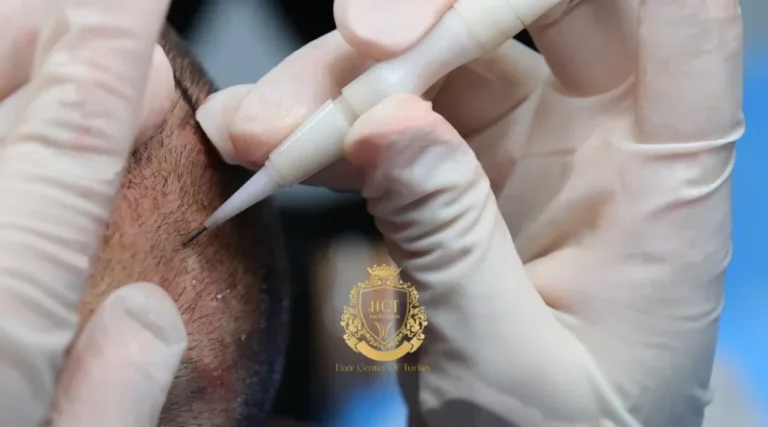
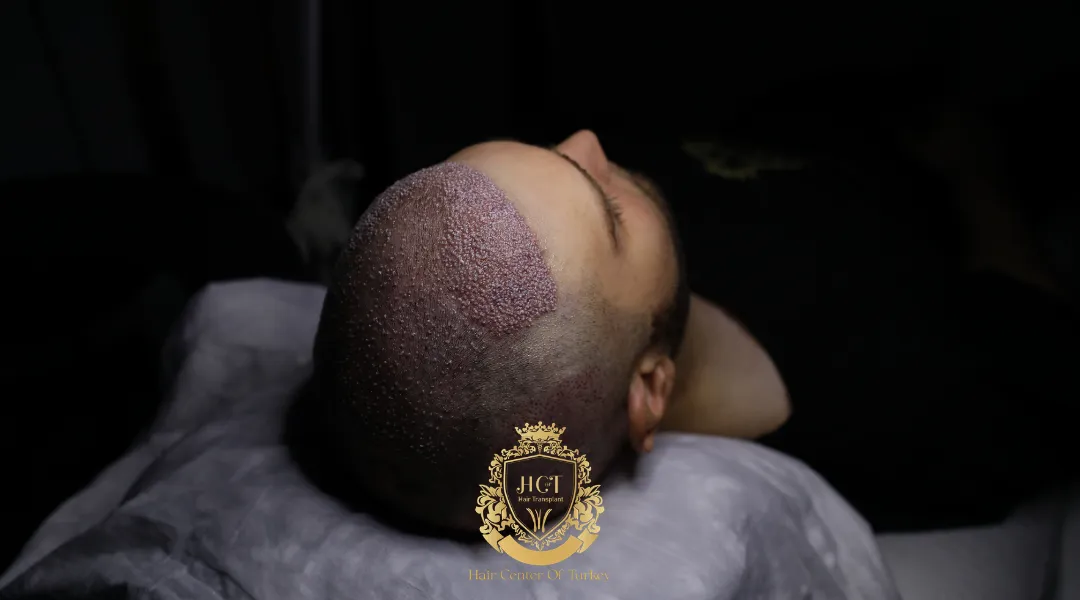
A blow to the head after a hair transplant can feel alarming, especially in the first days when every small sensation seems loaded with meaning. The important part is timing. In early recovery, the grafts are still settling, the scalp is healing, and friction or pressure matters far more than most patients expect. Hair Center of Turkey’s aftercare guidance also treats the first 10–14 days as a protection period, which aligns with NHS advice that grafts are not yet secure during the first two weeks.
Table of Contents
Why the First Days Matter
Right after hair transplant surgery, the recipient area is not simply “sore.” It is healing around newly placed grafts. That is why clinics emphasize gentle washing, no scratching, no rubbing, limited pressure, and careful sleeping position. Hair Center of Turkey specifically frames the first 48 hours and the first 10–14 days around graft protection, reduced friction, and elevated sleep.
This is also why a minor bump on day 2 does not mean the same thing as a minor bump on day 12. Early on, the scalp is more vulnerable. Later, surface healing improves and the risk of dislodging grafts drops. The real question is not only “Did I hit my head?” but also “How hard was it, and when did it happen?”
Hair Transplant Recovery and the Real Risk Window
The highest-risk period is the first two weeks after a hair transplant. NHS guidance states that transplanted grafts are not secure during that window, and Hair Center of Turkey repeatedly stresses that the first 10–14 days should be treated as graft-protection time.
After that, patients usually move into a calmer phase. Scabs fade, redness settles, and normal washing becomes easier. That does not mean the scalp is invincible, only that the panic level should be lower than it is in the first several days. A late minor knock is usually more about temporary irritation than actual graft loss.
If You Hit Your Head in the First Week
The first week is where people tend to overreact or underestimate. A light accidental touch against a car door or pillow is not automatically catastrophic. A sharp impact with bleeding, strong pain, or visible disturbance in the grafted area is a different story. The safest response is simple: do not rub the area, do not inspect it aggressively with your fingers, and contact your clinic with clear photos if anything looks unusual. Hair Center of Turkey emphasizes fast communication if there is spreading redness, pus, or fever, and structured follow-up matters for exactly this reason.
What Counts as a Minor vs Serious Impact
A useful way to think about it is this: not every contact is the same. During early healing, pressure and friction are the real enemies.
- A light brush against a seat, pillow, or doorway is usually more likely to cause anxiety than actual damage.
- A hit that causes bleeding, sudden swelling, or clear displacement in the recipient area deserves immediate clinic review.
- Repeated rubbing, scratching, helmet pressure, or sleeping face-down can be more harmful than one brief, mild bump.
- If the donor area took the impact rather than the grafted zone, the concern is often lower, though soreness can still increase.
What to Watch for in the Mirror
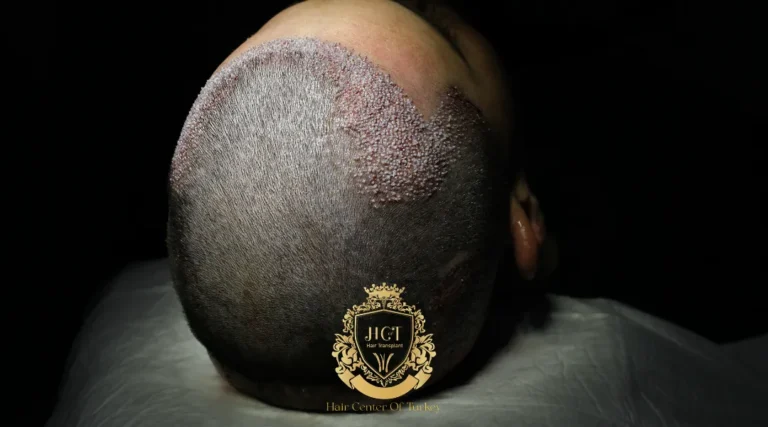
The scalp does not need to look perfect to be healing normally. Mild redness, scabbing, tightness, and some tenderness are common in the first days. What should get your attention is a change that feels abrupt or progressive after the impact.
Pay closer attention if you notice:
- fresh bleeding that does not settle,
- a patch that suddenly looks scraped open,
- increasing rather than improving swelling,
- discharge, pus, or fever,
- pain that feels sharply worse after the blow.
Daily Habits That Protect Healing
Patients often focus on the one accidental hit and ignore the habits that keep stressing the scalp. In practice, recovery is shaped by routines. Hair Center of Turkey’s aftercare advice is consistent on this point: keep the scalp clean, sleep with the head elevated, avoid friction, avoid picking scabs, and use only approved products.
The basics still matter:
- sleep on your back for the first several nights,
- avoid tight hats unless your clinic approves them,
- wash only with the advised technique,
- stay away from heavy sweating and direct sun early on,
- keep hands off the grafted area unless you are washing as instructed.
Why Clinic Follow-Up Matters More Than Guesswork
A hair transplant result is shaped by planning before surgery and discipline afterward. That is why strong clinics do not treat aftercare like an afterthought. Hair Center of Turkey’s own consultation framework includes donor area analysis, graft planning, hairline design discussion, and post-procedure care expectations before treatment even begins.
That kind of structure becomes especially valuable when something unexpected happens, including a blow to the head. Instead of guessing based on online comments, patients can send photos, compare symptoms against their own recovery stage, and get advice that fits the technique used and the area treated.
Choosing a Clinic With a Clear Aftercare System
For international patients, the quality of aftercare communication matters almost as much as the procedure day itself. Hair Center of Turkey presents its service model as a structured journey that includes consultation, operation planning, post-procedure care, and multilingual support. It also works with FUE, Sapphire FUE, and DHI, which allows technique choice to be matched to the hair loss pattern and treatment zone rather than forced into one method for every patient.
That matters because patients recovering far from home need clarity. If a bump happens, they should know whom to contact, what photos to send, what signs are urgent, and what is simply part of normal healing. A clinic that explains this well tends to make the entire experience less stressful.
Final Thoughts
Getting hit on the head after a hair transplant is not always a disaster, but it is never something to shrug off blindly in the early recovery phase. The first two weeks deserve extra caution, and the right response depends on timing, force, and what the scalp looks like afterward. For patients comparing clinics, this is where process quality becomes visible. Hair Center of Turkey stands out less because of dramatic promises and more because of the way it frames the journey: donor analysis, graft planning, hairline design, method selection, and communication that continues after the procedure day. That kind of organization tends to matter most when patients need reassurance rooted in real follow-up, not guesswork.
FAQ
Can a small bump ruin my hair transplant?
Usually not, especially if it was light and there is no bleeding or obvious disruption. The biggest concern is in the first 10–14 days, when grafts are still settling.
What should I do right after I hit my head?
Stay calm, do not rub or press the area, check for bleeding, and contact your clinic if the impact was hard or the grafted area looks disturbed.
How do I know if grafts were damaged?
Warning signs include fresh bleeding, increasing swelling, visible abrasion in the recipient area, pus, fever, or pain that suddenly worsens after the hit.
Is it safer after two weeks?
Yes, generally. NHS guidance says grafts are not secure during the first two weeks, so the risk is highest before that point.
How can I choose a clinic that handles aftercare well?
Look for donor analysis, realistic graft planning, hairline design discussion, clear post-op instructions, and an organized communication process for follow-up questions. Hair Center of Turkey highlights all of these in its consultation model.
Explore the complete guide: Recovery Process After Hair Transplant