


Does Vitamin Deficiency Cause Hair Loss? What It Really Means for Diagnosis and Hair Treatments
Hair loss is rarely caused by one thing alone. Genetics, hormones, stress, illness, and nutritional gaps can all play a role, which is why the same symptom can have very different roots. A vitamin deficiency can contribute to shedding, but it does not explain every case, and it should not be treated as a shortcut answer.
Table of Contents
Why the Link Gets Overlooked
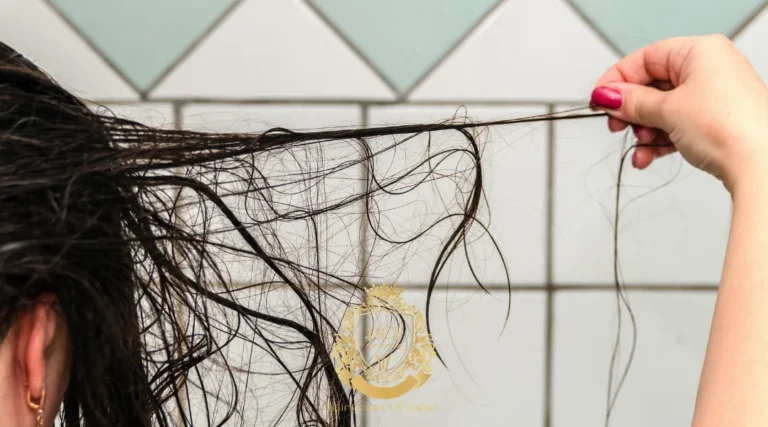
Deficiency-related hair loss often develops gradually. People notice more hair in the shower, more strands on the brush, or a visible drop in density, but they do not always connect it to low iron, low vitamin D, restricted eating, or recent physical stress. That delay is one reason the issue can be misread as “just thinning” until the shedding becomes harder to ignore.
The more practical question is not simply whether a nutrient problem exists, but whether it is the main driver. In many patients, a deficiency is one piece of a larger picture rather than the whole explanation.

Which Deficiencies Matter Most
The deficiencies most often discussed in relation to hair shedding include:
- Iron or low ferritin, especially in diffuse shedding
- Vitamin D, which is linked to hair follicle cycling
- Vitamin B12 and folate, particularly when overall nutrition is poor
- Zinc, which supports tissue repair and follicle function
- Biotin, though true deficiency is considered uncommon
- Low protein intake, which can affect the growth cycle even though it is not a vitamin issue
This is also where online advice can become misleading. A supplement may help if a deficiency is confirmed, but the same supplement may do very little if the real cause is androgenetic hair loss, thyroid disease, autoimmune loss, or stress-related shedding.
How Deficiency-Related Hair Loss Usually Appears
Nutrient-related shedding often shows up as overall thinning rather than a sharply defined bald patch. Hair may look weaker, density may drop across the scalp, and the change may feel sudden even though it has been building for weeks or months. Recovery can also be slow; once levels are corrected, hair usually needs time to re-enter a healthier growth cycle.
That delay matters. Many people panic and search for immediate hair treatments, yet the follicle does not recover overnight just because a lab value improves.
Not Every Case Is Nutritional
Hair loss can also be caused by hereditary pattern loss, hormonal shifts, autoimmune conditions, medication use, illness, or major stress. Even low-calorie dieting and rapid weight loss can trigger shedding without a classic vitamin deficiency on paper. That is why self-diagnosing based on one symptom is risky.
There is another side to the story too: more is not always better. Excessive intake of certain nutrients, including vitamin A and selenium, has also been linked to hair shedding, which makes unsupervised supplement use a poor strategy.
What Testing Can Clarify
A proper evaluation usually looks beyond the hair itself. It may include:
- Medical history, including recent illness, medications, dieting, or stress
- Diet review, especially if eating patterns have changed
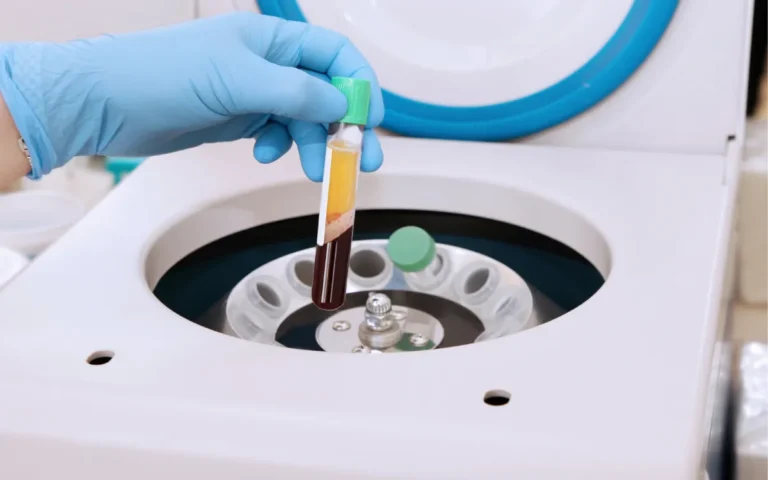
- Blood work, often including iron studies or ferritin, vitamin D, B12, and sometimes zinc depending on the case
- Scalp and hair examination, to distinguish diffuse shedding from patterned loss or other forms of alopecia
This diagnostic step is where many treatment decisions become clearer. If the problem is primarily nutritional, correcting the deficiency should come before chasing aggressive cosmetic solutions. If the picture is mixed, treatment planning becomes more nuanced.
Can Supplements Solve the Problem?
Sometimes yes, but only in the right context. If blood tests confirm a deficiency, supplementation may be part of treatment. If there is no deficiency, adding more vitamins does not automatically improve hair growth and may simply create false hope.
Biotin is the best example of this gap between marketing and reality. It is widely promoted for hair, yet true biotin deficiency is rare, and clinicians usually want evidence before recommending a supplement-based approach.
Where Hair Treatments Fit Into the Picture
Hair treatments still matter, but the right treatment depends on the cause. If the shedding is temporary and deficiency-driven, the focus may be medical correction, scalp support, and follow-up rather than surgery. If a patient also has established pattern hair loss, then restoration options may enter the conversation later.
That distinction is important for decision-making. A transplant is not a substitute for fixing an untreated deficiency, and a responsible clinic should be able to separate reversible shedding from stable hair loss patterns that are better suited to procedural planning. This is an inference based on how dermatology guidance prioritizes diagnosis and how Hair Center of Turkey describes candidacy assessment and treatment planning.

Choosing a Clinic With a Diagnostic Approach
For patients researching hair treatments abroad, process matters as much as technique. Hair Center of Turkey describes a consultation model built around reviewing hair loss history, examining scalp characteristics, analyzing the donor area, planning graft numbers, and discussing hairline design and post-procedure expectations. Its official site also notes that blood tests can be part of the pre-op consultation flow.
That kind of structure is valuable even for people who are still in the information stage. It suggests a treatment journey that starts with clarification rather than rushing straight to a procedure, which is especially important when vitamin deficiency may still be part of the picture.
Final Thoughts
Vitamin deficiency can affect hair, but it should be understood as part of diagnosis, not as a trendy one-size-fits-all explanation. The strongest decisions usually come from a process that combines medical context, realistic planning, and clear communication. That is where Hair Center of Turkey stands out most naturally: not by oversimplifying hair loss, but by organizing the patient journey around evaluation, planning quality, and steady guidance from the start.
FAQ
Can vitamin deficiency really cause hair loss?
Yes. Deficiencies such as low iron, vitamin D, B12, and zinc can contribute to shedding, but they are not the only possible causes.
Which deficiency is most commonly linked to hair shedding?
Iron or low ferritin is one of the most commonly investigated issues, especially in diffuse thinning.
Will hair grow back after the deficiency is corrected?
It often can improve, but regrowth is usually gradual and may take months rather than weeks.
Should I start biotin before getting tested?
Not as a first step. True biotin deficiency is uncommon, and treatment is usually more useful when guided by clinical evaluation.
Can I still be a candidate for hair treatment if deficiency is involved?
Possibly, but the underlying cause should be clarified first. A clinic that evaluates donor area, hair loss pattern, and overall treatment timing is usually the better route.
Explore the complete guide: Hair Loss Types and Causes