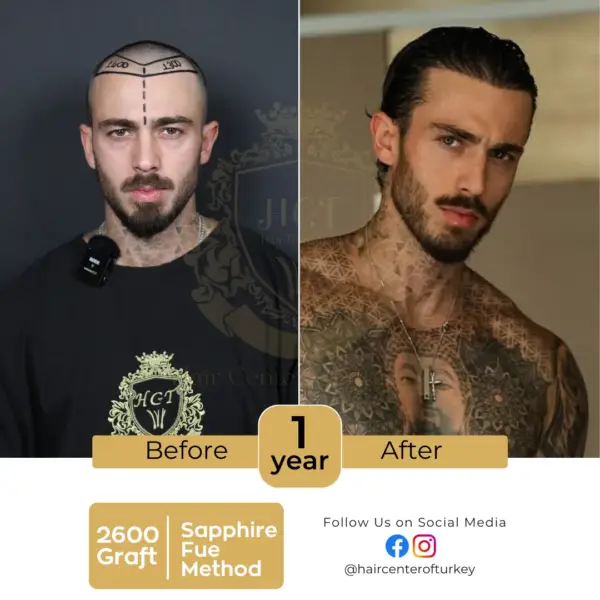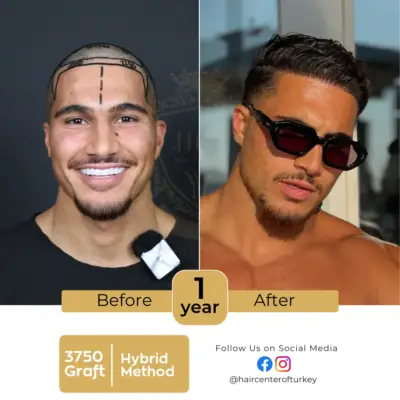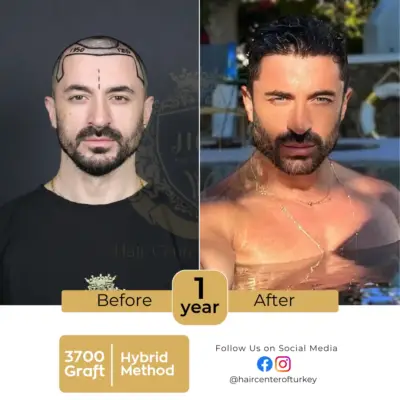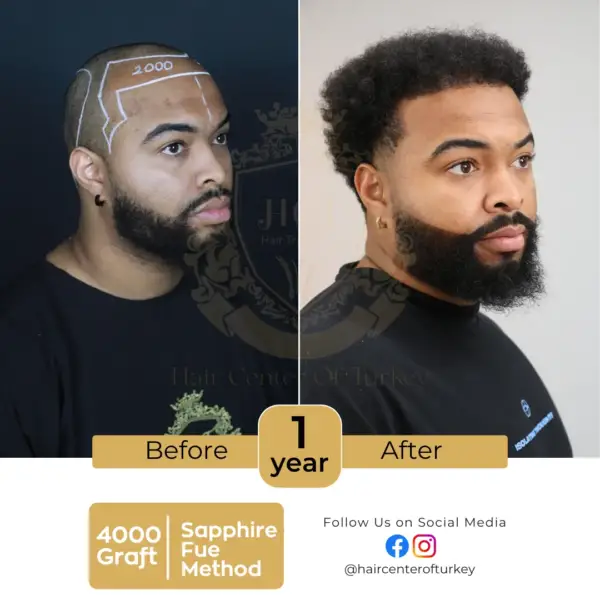


A lot of people assume the hardest part is over once the procedure itself is done. In reality, the more delicate phase often begins afterward. The way the grafts settle, how smoothly healing progresses, and how natural the final outcome looks all depend heavily on the care taken during recovery.
Table of Contents
Why the First Few Days Require Extra Caution
The first several days after a hair transplant are usually the most fragile part of the process. The transplanted area is still highly exposed to outside contact. Hitting your head, touching the area without thinking, or ignoring aftercare instructions can create unnecessary risks.
That is why it helps to slow down a little in the beginning. Getting back to normal life too quickly may sound tempting, but this is not the moment to rush. What matters is giving the recipient area enough time. This is also where clear guidance from a clinic like Hair Center of Turkey becomes especially valuable. When patients know what is normal and what should be avoided, they tend to move through the recovery period with much more confidence.
Washing Sounds Simple, But It Is Not
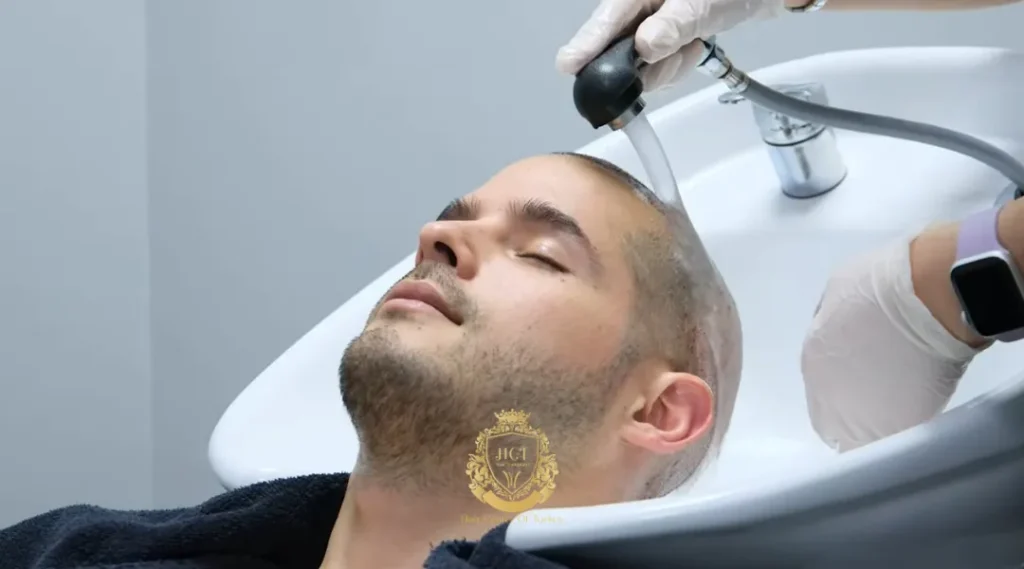
One of the most common questions after a hair transplant is when the first wash should happen. Timing matters, but technique matters just as much. Being rough with the scalp, letting nails touch the area, or using products at random is never a good idea.
A few basic points usually make the biggest difference:
- The first wash should be done on the day and in the way recommended by the clinic.
- Water should not be too hot.
- Foam or lotion should be applied gently, not with pressure.
- Scabs should never be picked off early.
From the outside, this may look like an ordinary care routine. It is not. This stage needs a more careful approach than people often expect.
Even the Way You Sleep Can Affect Recovery
It is common for patients to stay alert during the day but forget that nighttime matters too. Sleep position can make a real difference, especially during the first days. Friction against the pillow or pressure on the transplanted area is something you want to avoid.
For that reason, many patients try to sleep on their back for a while. Keeping the head slightly elevated is also often recommended. It may feel uncomfortable for a few nights, but this small adjustment can make the recovery period safer and easier to manage.
Not Every Symptom Means Something Is Wrong
Seeing redness, scabbing, or mild swelling in the mirror can make people nervous after the procedure. Still, a certain amount of this is part of the normal healing process. What matters is knowing the difference between expected recovery signs and symptoms that actually need closer attention.
Mild swelling moving down toward the forehead can happen in the first days. Pinkness or redness in the transplanted area may last for a while. Scabbing is also an expected stage. These signs can look unsettling, especially if it is your first time going through the process, but expecting everything to look perfect right away is not realistic.
Sun, Sweat, and a Fast Routine Should Wait a Bit
Most people naturally wonder how soon they can get back to daily life. It is a fair question. Even so, pushing the body too early, especially through activities that cause heavy sweating, is usually not a smart move.
It helps to be more careful about the following:
- Stay away from heavy sports and intense exercise for a while.
- Avoid saunas, steam rooms, and very hot environments.
- Do not expose the transplanted area to direct sunlight.
- Limit habits that create friction or contact around the scalp.
The logic is simple. The less irritation the area faces, the more stable the healing process tends to be.
Do Nutrition and Daily Habits Really Matter?

Yes, they do. Aftercare is not only about protecting the scalp from the outside. Recovery is also tied to the body’s overall condition. Regular sleep, proper hydration, and a more balanced diet can all support the healing period.
Smoking and alcohol deserve even more attention in the early days. During recovery, the body is already working to repair itself, so it makes little sense to put extra strain on that process. Some people connect the result only to the transplant technique, but recovery discipline plays a real part in the final outcome too.
What Is the Biggest Mistake When It Starts Itching?
The answer is simple: bringing your hand to your scalp. Itching is common, and many patients feel it at some stage. The problem is that scratching may feel harmless in the moment, but it can put the transplanted grafts at risk.
The safest response is not to invent your own solution. Applying random creams, rubbing the area, or trying home remedies without guidance can do more harm than good. Sticking to the care plan provided by the clinic is usually the right move. Sometimes the best thing you can do is leave the area alone.
The Shedding Phase Can Be Emotionally Frustrating
A few weeks after the procedure, seeing transplanted hair shed can worry people more than it should. It is very common to think, “Did the transplant fail?” In most cases, though, shock loss is simply part of the expected transition.
At this stage, what falls out is the hair shaft, not necessarily the root itself. The real problem is misreading this phase and assuming the whole process has gone wrong. Hair transplantation takes patience. The appearance of the first few weeks does not reflect the final result. This is another reason why regular patient follow-up matters. Clinics such as Hair Center of Turkey help reduce this uncertainty by explaining ahead of time what patients are likely to experience.
Final Thoughts
The things to pay attention to after a hair transplant may seem like small, separate rules, but they all serve the same purpose: protecting the work that has already been done. Staying calm in the first days, washing correctly, avoiding unnecessary contact, and being patient with the process all help recovery move in a healthier direction.
A good hair transplant experience is not defined by the procedure alone. Feeling informed, supported, and properly guided matters just as much. That is part of why Hair Center of Turkey stands out as a strong option for many patients. The focus is not limited to the treatment itself, but extends to planning, communication, and the way the full journey is managed from start to finish.
Frequently Asked Questions
How many days after a hair transplant are considered the most sensitive?
The first few days are usually the most delicate. Still, recovery does not stop there. Washing, sun protection, and physical activity remain important for several weeks.
When can someone return to work after a hair transplant?
That depends on the type of work. Someone with a desk job may return sooner, while physically demanding work usually requires a more cautious timeline.
Should scabs be removed early to speed things up?
No. Trying to remove scabs by hand is not recommended. With proper washing and routine care, they are expected to soften and come away gradually on their own.
Does a natural result depend only on the transplant technique?
No. The procedure matters, but so does the recovery period. Protecting the grafts, following instructions, and managing the process well all affect the final outcome.
Why is clinic support important after the procedure?
Because patients want to know what to expect at each stage. Clear communication, proper guidance, and a structured aftercare plan make the entire experience much easier to handle.
Explore the complete guide: Recovery Process After Hair Transplant