

Joe Biden Hair Transplant: What’s Known And What’s Speculated
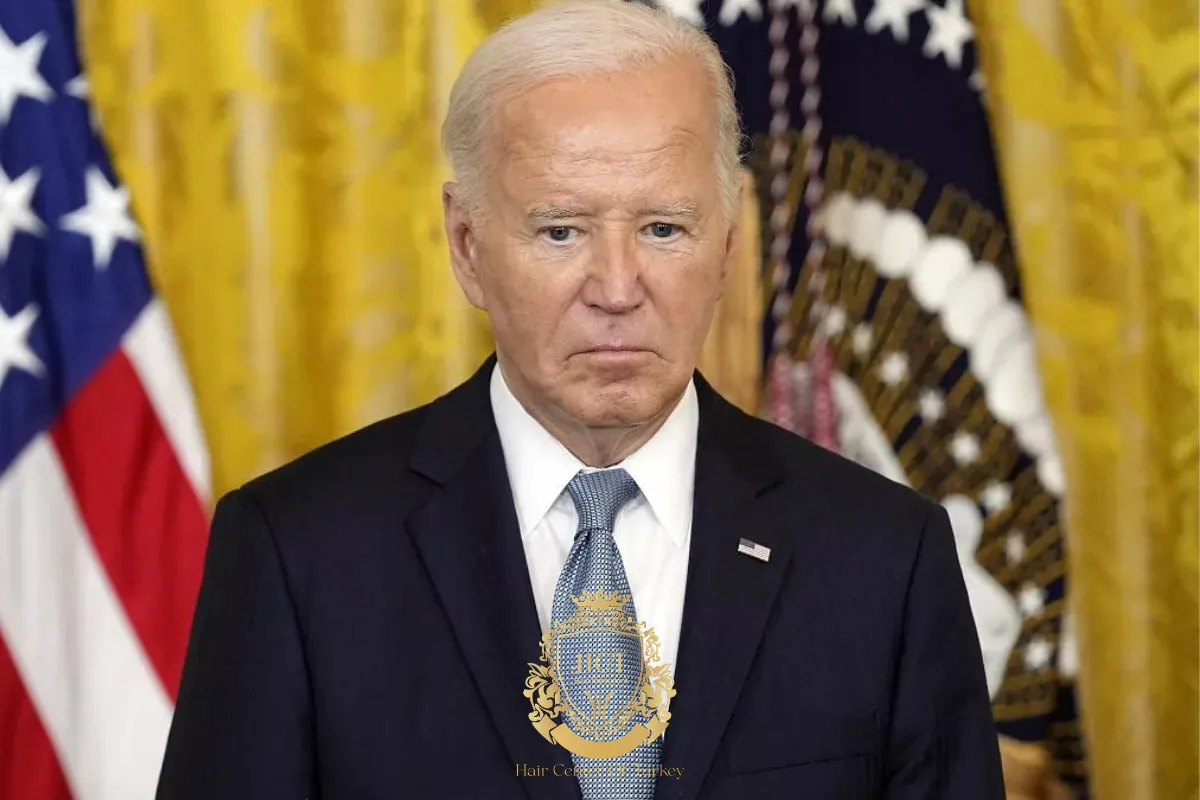
Joe Biden has never publicly confirmed having a hair transplant. Still, a Washington Post profile reported that he had one and quoted him responding “Guess… I’ve got to keep some mystery in my life” when asked to confirm it. Beyond that, any claims are educated speculation based on public photos.
Table of Contents
What Public Reporting Says About Joe Biden’s Hair
Joe Biden’s appearance has been covered for decades, and his hair is one of the details people tend to notice. The key point is simple: there’s no official medical record or public statement from Biden confirming a procedure. What we have instead is reporting and commentary over many years.
The 1987 Washington Post Quote
In a profile that discusses Biden’s early presidential run, The Washington Post wrote that he had “reportedly” had a hair transplant. The piece also quotes Biden responding, “Guess… I’ve got to keep some mystery in my life,” when asked to confirm it.
What Remains Unconfirmed
That quote is widely repeated, but it still doesn’t provide details about where, when, or which technique might have been used. Without direct confirmation from Biden or his medical team, the most accurate way to describe the topic is: reported and plausible, but not fully documented.
Joe Biden’s Hair Changes Over The Years
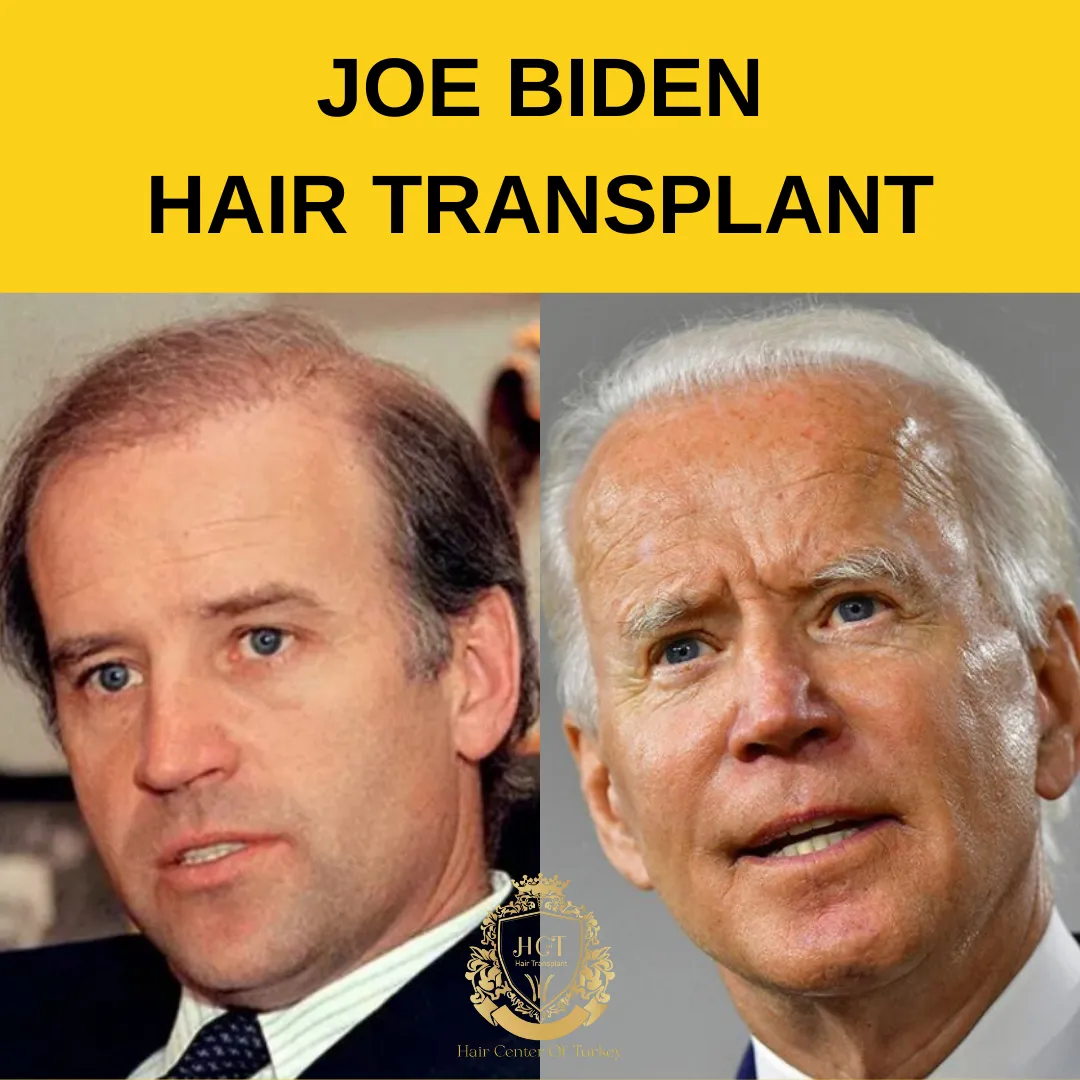
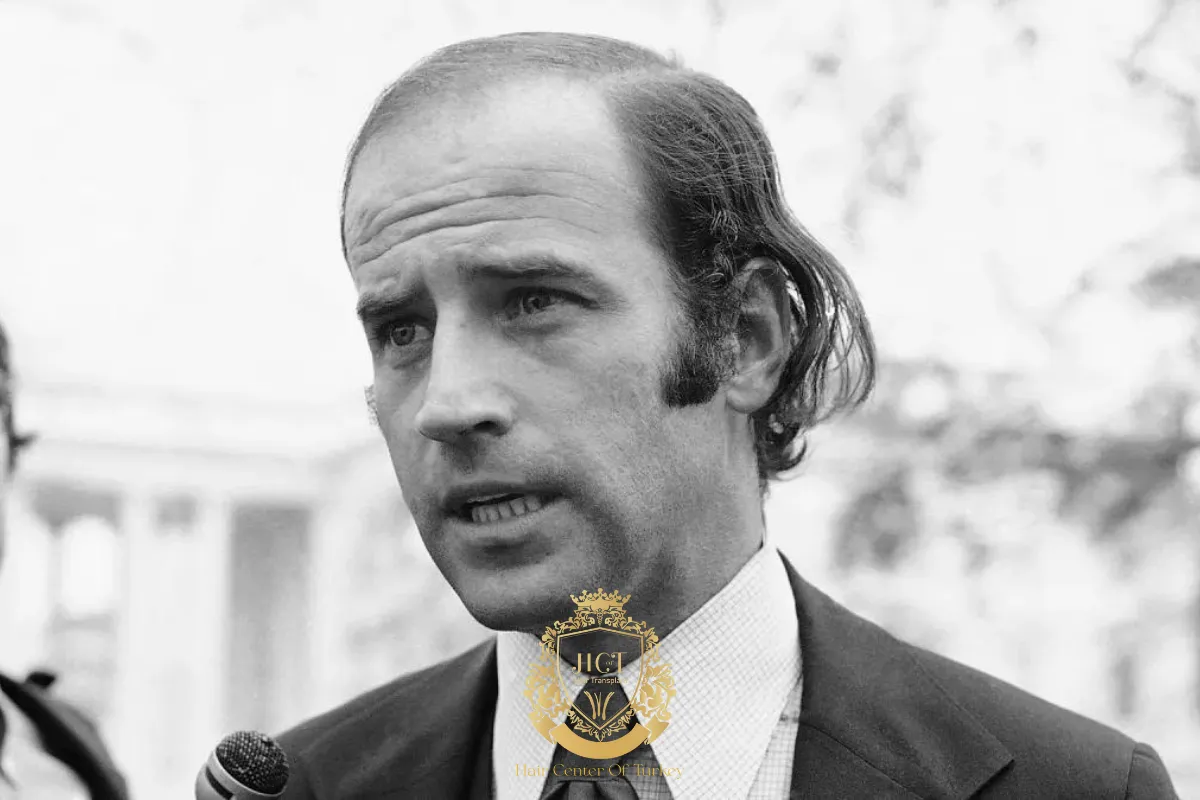
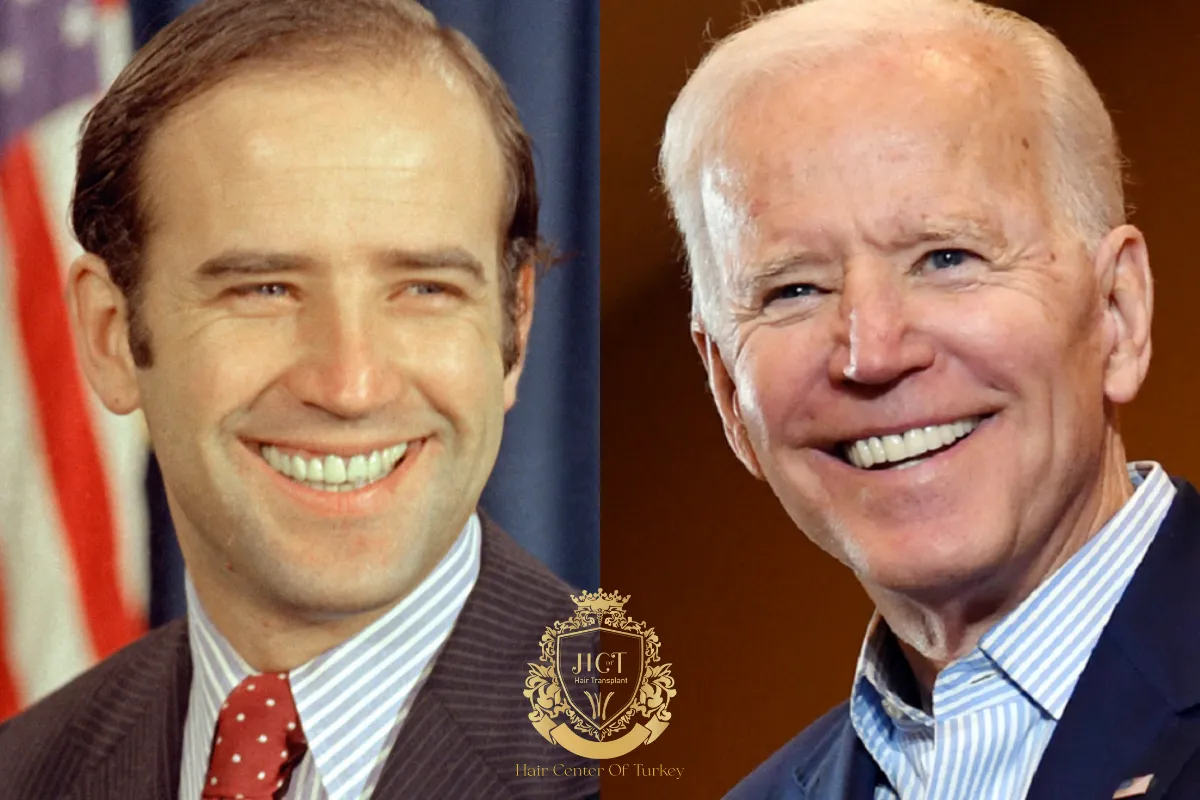
Photos from the 1970s and 1980s show periods of visible thinning and a receding hairline. In later decades, his hair often appears fuller and more evenly framed around the front. Those changes are the reason people bring up hair restoration in the first place.
Keep in mind that hair can look dramatically different depending on lighting, camera angle, hair color, styling, and the way it’s cut. A fuller look in one decade doesn’t automatically prove surgery in another.
Hair Transplant Options Explained
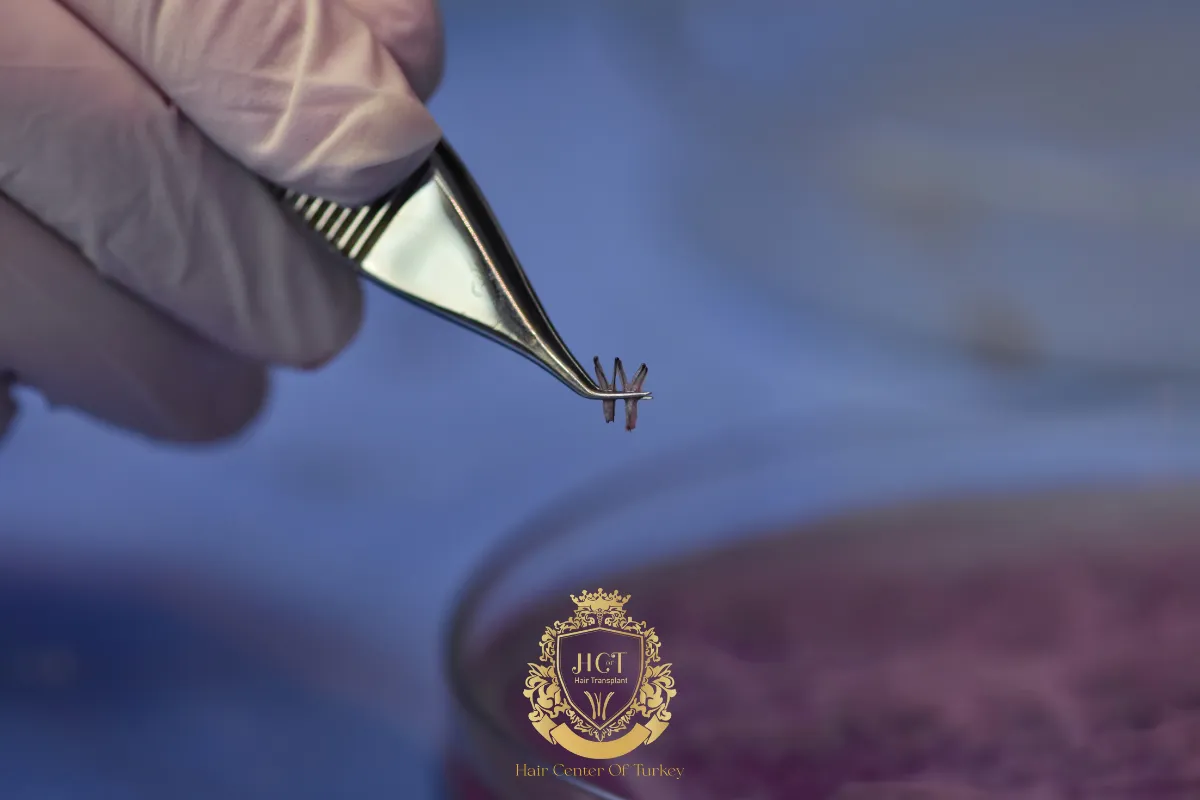
Hair transplants move hair follicles from a donor area—usually the back or sides of the scalp—to areas with thinning. The goal is not just density, but a natural hairline that fits the person’s age and facial structure.
FUT: Strip Surgery
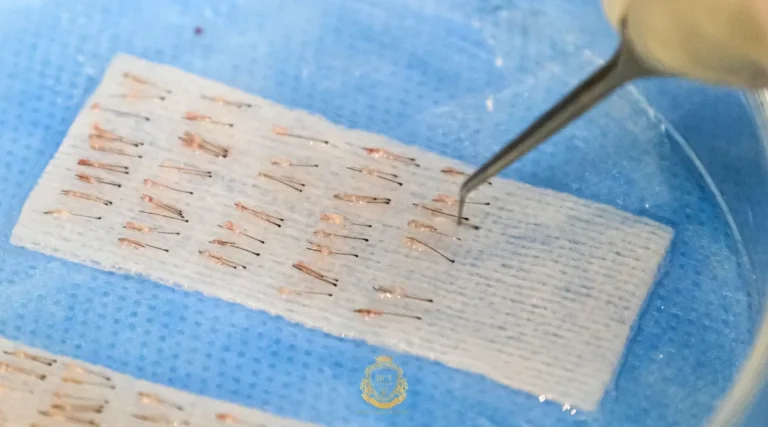
FUT (follicular unit transplantation) removes a thin strip of scalp from the donor area. The follicles are then separated under magnification and implanted into the recipient area. FUT can be efficient for larger sessions, but it typically leaves a linear scar.
FUE: Individual Extraction
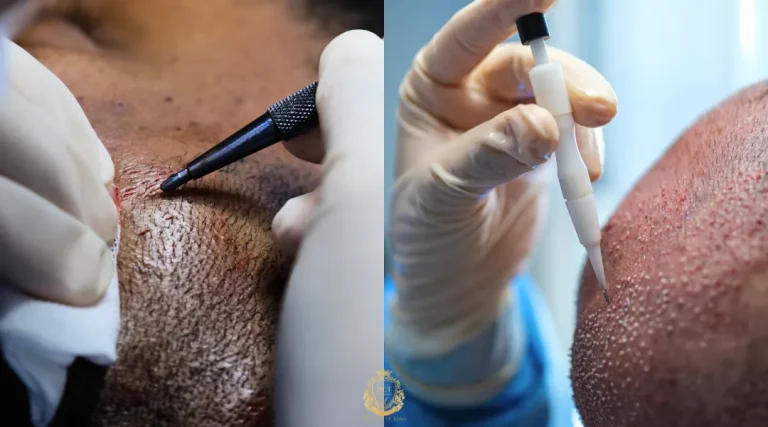
FUE (follicular unit extraction) harvests follicles one by one, leaving tiny dot scars that are usually hard to notice once healed. FUE is often chosen for shorter hairstyles or for people who prefer to avoid a linear scar. The trade-off is that large sessions can take longer.
Why Hairline Design Matters
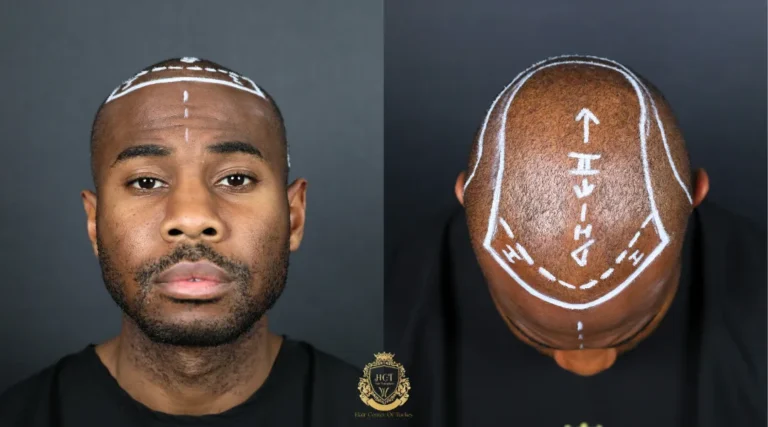
A convincing transplant depends on hairline shape, direction, and spacing—not just the number of grafts. Good work tends to look “age-appropriate,” meaning the hairline isn’t set unrealistically low and the density transitions naturally from front to crown.
Can You Tell If Someone Had A Transplant?
Sometimes you can spot signs in older procedures, especially the early “plug” era, where large grafts could create a clustered look. Modern transplants use smaller follicular units and are much harder to detect, especially when done conservatively.
Scarring can offer clues, but it’s not definitive from photos alone. FUT can leave a line at the back of the scalp, while FUE can leave a pattern of small dots. Hairstyles, hair length, and image quality can hide both.
 Why Did Joe Biden
Why Public Figures Consider Hair Restoration
Politicians and other public figures spend years under harsh lighting, high-resolution cameras, and constant commentary. Some choose hair restoration for personal confidence, others ignore it completely. Either way, it’s a private health decision, not a measure of credibility or leadership.
Recovery And Aftercare Basics
Most people return to normal routines within days, but visible “final results” take time. The first week is usually about protecting grafts and managing mild swelling or redness. Shedding of transplanted hairs is common in the first month, followed by new growth that often becomes noticeable from months three to six.
Full maturation can take up to 12 months, sometimes longer for the crown. Risks can include infection, shock loss, uneven growth, and scarring. A reputable clinic will explain these clearly and give a realistic plan for what can and can’t be achieved.
Cost And Clinic Choice Checklist
Pricing varies widely by country, surgeon experience, technique, and graft count, so there’s no single number that fits everyone. The safer approach is to compare clinics on medical standards, not just package deals.
When choosing a provider, ask who performs each step of the procedure, what donor management strategy they use, and what aftercare looks like. Before-and-after galleries should include consistent angles and timelines, not just best-case photos.
F.A.Q.
How much did Joe Biden’s hair transplant cost?
It has not been made public; the cost of Biden’s hair transplant is unknown.
What happened to Joe Biden’s hair?
Androgenic alopecia; it was reported that he had a transplant, but he never confirmed it.
How many times did Joe Biden get hair transplants?
Unconfirmed; one transplant was reported, but it is unknown how many times.
Who are the most famous celebrities who have had hair transplants?
Wayne Rooney, John Cena, Joel McHale, James Nesbitt, Joe Swash, Elton John.
How many grafts did Joe Biden receive?
Unknown; the confirmed number of grafts for Joe Biden has not been published.
Explore the complete guide: Celebrity Hair Transplants – Public Figures and Other