

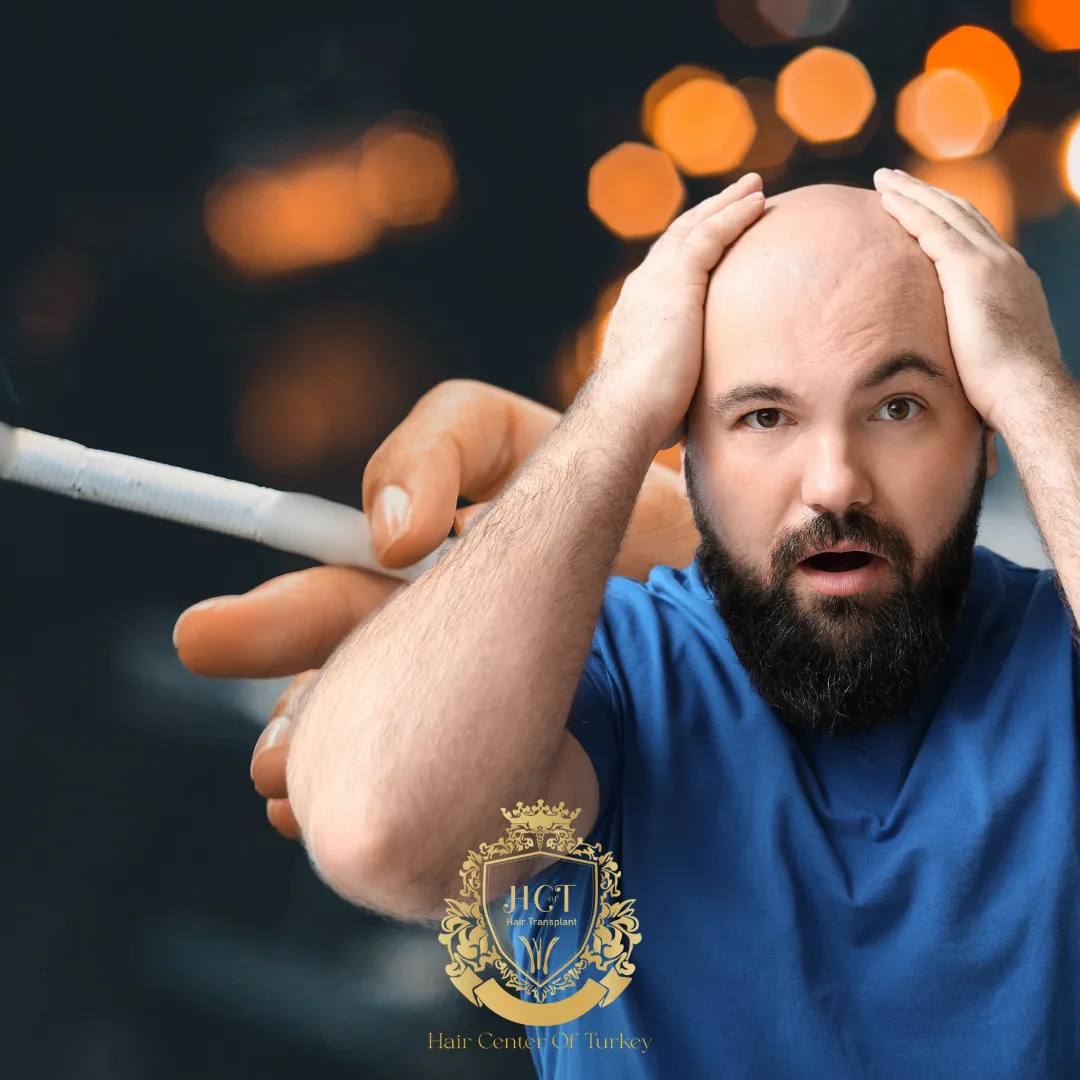
Does Smoking Affect Hair Loss?
Smoking doesn’t cause hair loss in everyone, but research suggests it can increase the risk of thinning—especially pattern hair loss—by restricting blood flow to the scalp and driving inflammation and oxidative stress. Quitting supports healthier circulation and healing, which may slow shedding. Regrowth depends on the type of hair loss and how long it has been present.
Table of Contents
The Short Answer
Yes—smoking can contribute to hair loss and poorer hair quality in some people. The strongest evidence points to an association with androgenetic alopecia (pattern hair loss). Smoking can also worsen scalp health, making shedding or breakage more noticeable. That said, genetics, hormones, stress, nutrition, illness, and medications often play a bigger role than smoking alone.
How Smoking Can Affect Hair And Scalp
Reduced Blood Flow To The Scalp
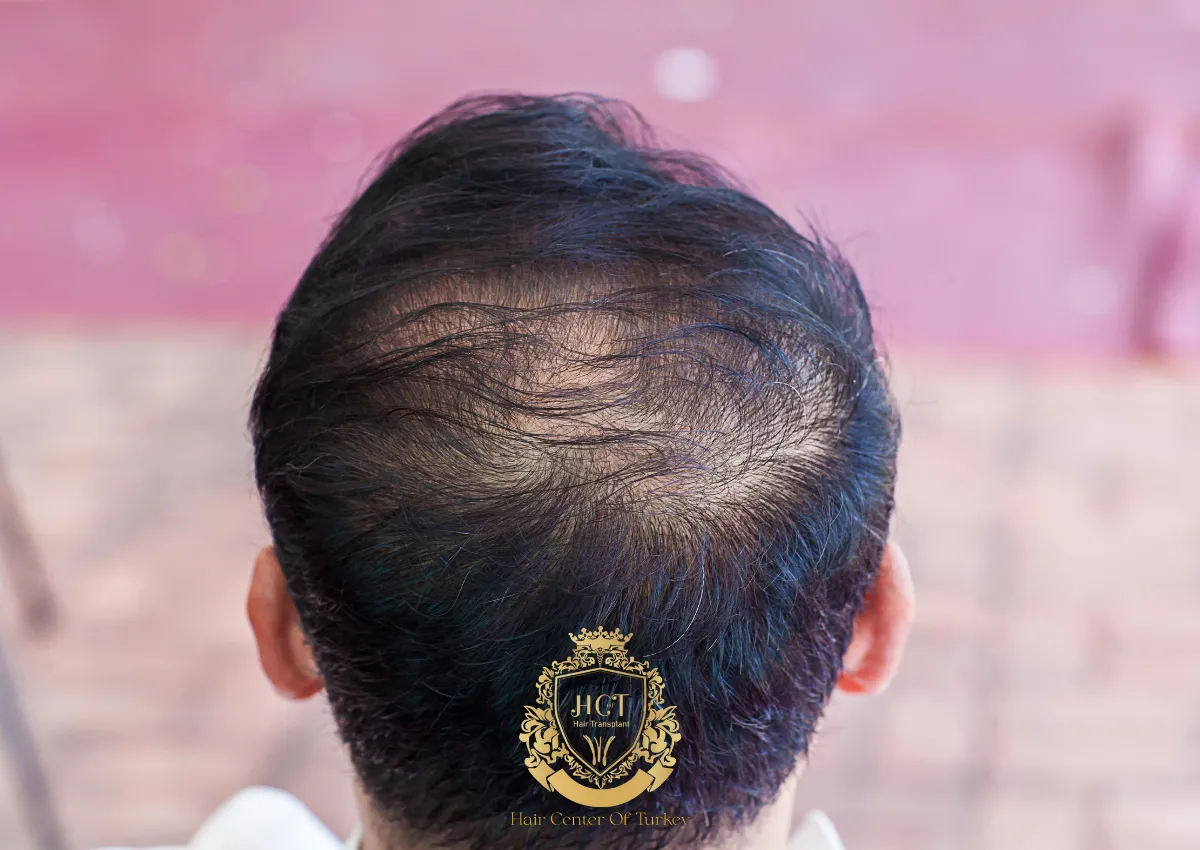
Nicotine and other compounds in tobacco smoke can narrow blood vessels. When circulation is reduced, hair follicles may receive less oxygen and fewer nutrients. Over time, this can leave follicles less resilient, especially in areas already prone to miniaturization in pattern hair loss.
Oxidative Stress And Inflammation
Cigarette smoke contains thousands of chemicals that can increase oxidative stress in the body. Oxidative stress and chronic inflammation may disrupt the hair growth cycle and weaken the follicle environment. Many dermatology sources also note that smoking can worsen inflammation, which may aggravate existing hair and scalp conditions.
Follicle Aging And Hormonal Effects
Researchers have proposed several additional pathways, including damage to follicle DNA, faster cellular “aging” in the follicle, and interactions with hormones involved in pattern hair loss. These mechanisms are still being studied, but they help explain why smoking may speed up thinning in susceptible individuals.
When Smoking Might Not Be The Main Cause
Sudden, heavy shedding is often caused by triggers such as major stress, high fever, surgery, rapid weight loss, postpartum changes, thyroid issues, or low iron. In those cases, smoking may be a contributing stressor, but it is rarely the only factor. If shedding starts quickly or comes with scalp pain, redness, or scaling, it’s worth getting a clinical evaluation.
What The Research Says
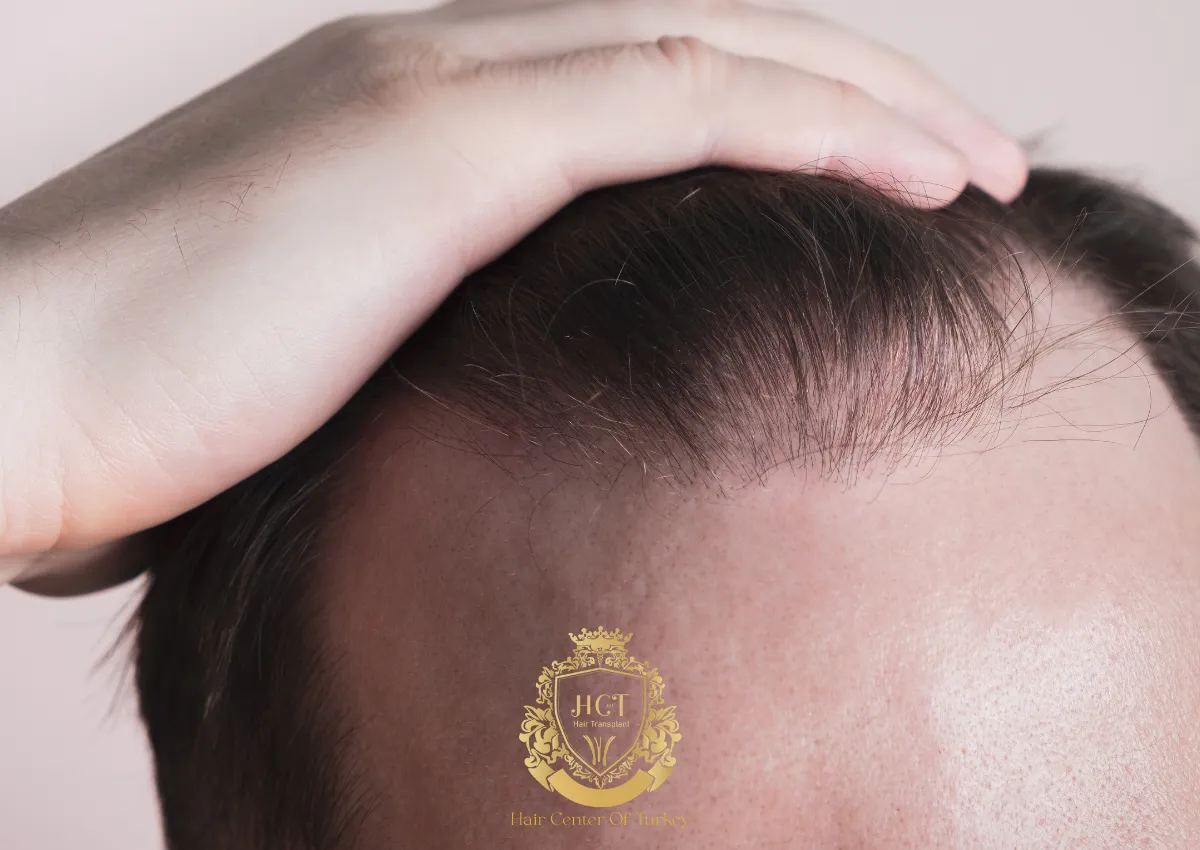
Recent reviews and meta-analyses have found that men who smoke are more likely to have androgenetic alopecia than never-smokers, with some data suggesting higher odds with heavier smoking. Not every study shows the same strength of association, and association is not the same as proof of causation. Still, the overall direction of evidence supports smoking as a modifiable risk factor—particularly for people already genetically prone to pattern hair loss.
If You Quit Smoking, Will Your Hair Grow Back?
Quitting smoking helps your body repair blood vessels and reduce inflammation. That can improve scalp conditions and support healthier hair growth over time, but it does not guarantee regrowth of hair that has been permanently miniaturized in androgenetic alopecia. If your shedding is due to a temporary trigger (for example, telogen effluvium), hair often thickens again once the trigger is addressed—quitting smoking can support that recovery.
If you’re trying to improve density, pair lifestyle changes with evidence-based treatment when appropriate (for example, topical minoxidil, prescription options under medical supervision, and treating any underlying iron or thyroid issues).
Does Heavy Smoking Make Hair Loss Worse?
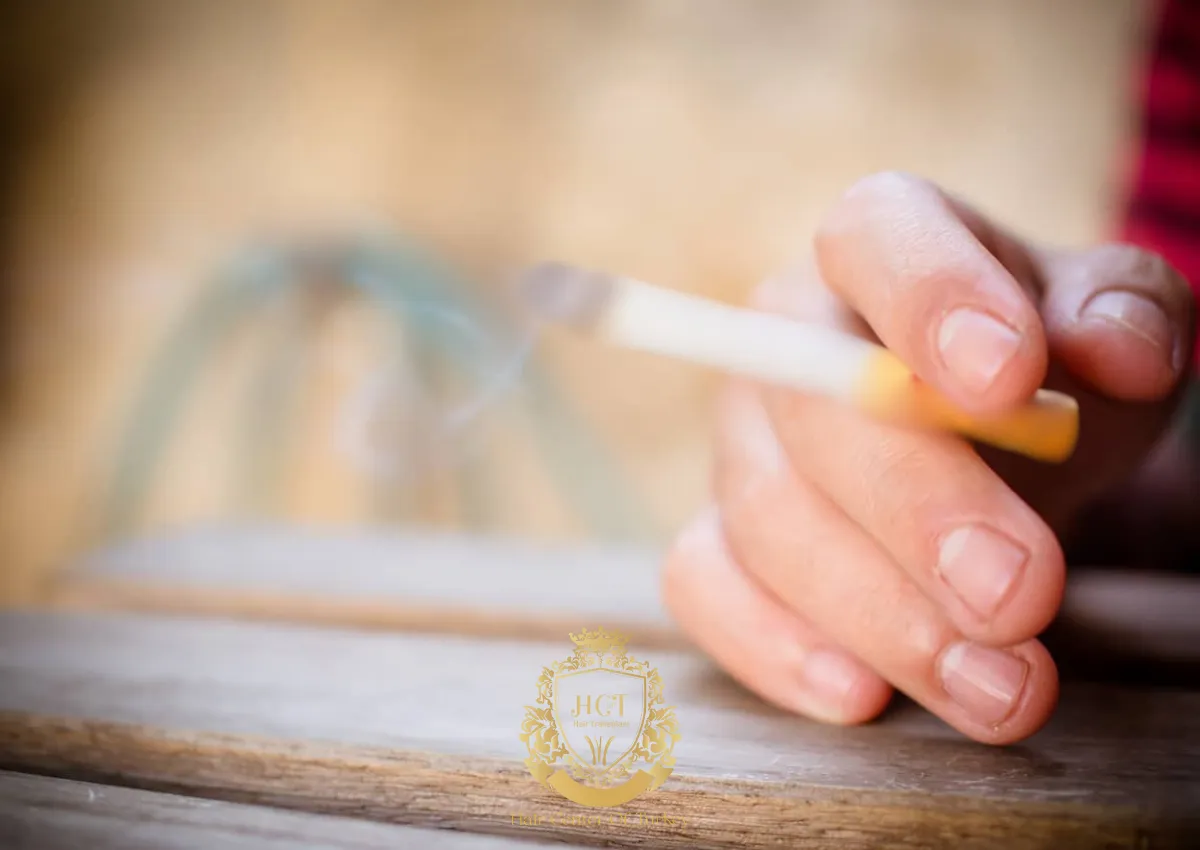
In many studies, heavier or longer-term smoking correlates with a higher likelihood of noticeable thinning. A simple way to think about it: more exposure usually means more oxidative stress and more strain on circulation and healing. If you already have early signs of pattern hair loss, cutting down or quitting is one of the few lifestyle changes that may help slow progression.
Smoking And Hair Transplants
Why Smoking Can Affect Graft Survival
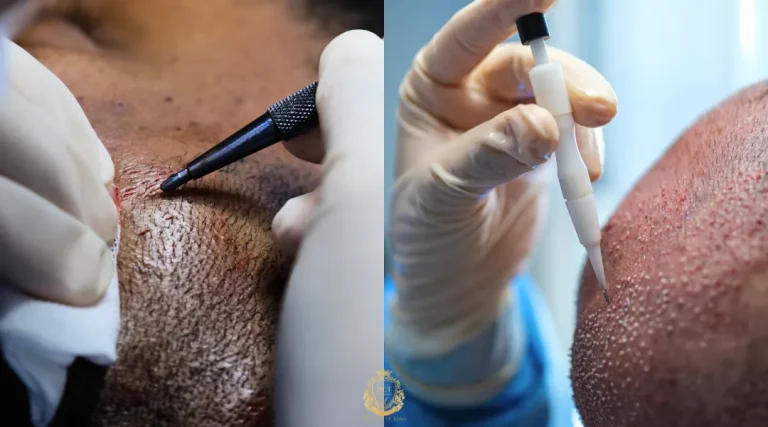
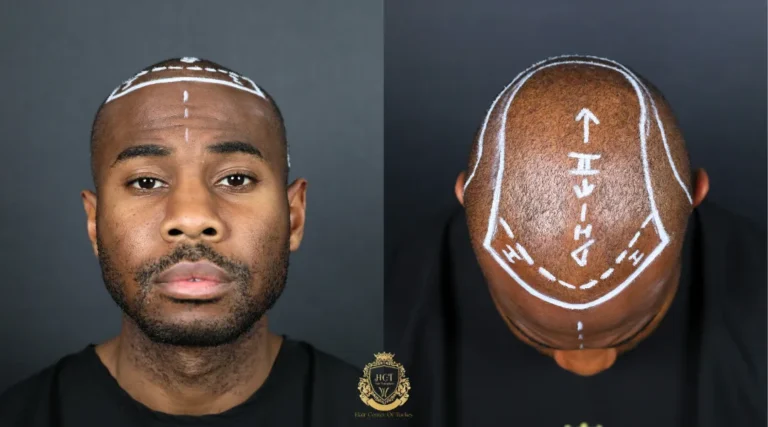
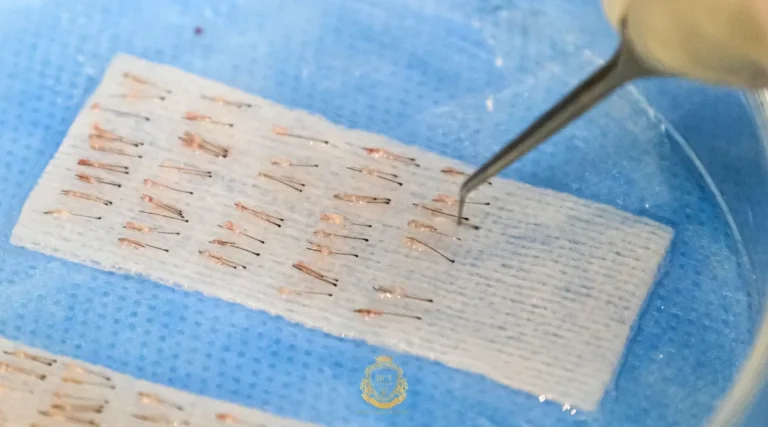
Hair transplantation depends on strong blood supply and good wound healing. Smoking can interfere with both. Reduced microcirculation and higher inflammation can increase the risk of slower healing, infection, and poorer graft take. Many surgeons treat smoking status as a meaningful risk factor for suboptimal results.
When To Stop Smoking
Exact instructions vary by clinic and individual health history, but many hair transplant surgeons advise stopping smoking for a period before and after the procedure to support blood flow and healing. If you are planning a transplant, follow your surgeon’s guidance closely and be honest about nicotine use, including vaping and nicotine replacement products.
Practical Steps To Protect Your Hair
- Quit smoking or reduce exposure as much as possible. Even small reductions can help overall vascular health.
- Treat dandruff, dermatitis, or scalp inflammation early—ongoing irritation can worsen shedding.
- Prioritize protein, iron-rich foods, vitamin D, zinc, and omega-3 sources. If you suspect a deficiency, ask for lab testing rather than guessing with supplements.
- Be gentle with styling. Tight hairstyles, harsh bleaching, and heat damage can mimic “hair loss” through breakage.
- See a dermatologist if you notice rapid shedding, patchy loss, scalp symptoms, or thinning that continues for more than 3 months.
FAQs
Will my hair grow back if I stop smoking?
Quitting smoking can help hair regrow if smoking contributed to the shedding.
How does smoking cause hairfall?
Smoking damages follicles via oxidative stress, inflammation, and reduced blood flow to scalp.
Does nicotine speed up hair loss?
Nicotine can worsen hair loss by constricting blood vessels and increasing oxidative stress.
How to naturally stop hair loss?
Address nutrition, sleep, stress, gentle hair care, and treat deficiencies with clinician guidance.
Will my hair look better if I quit smoking?
Quitting smoking can improve hair thickness, shine, and scalp health over time.
Explore the complete guide: Hair Loss Types and Causes