

5 Best Vitamins for Hair Growth that Actually Work
Most “hair vitamins” only make a noticeable difference when you’re low in a specific nutrient. If shedding, thinning, or breakage has increased, focus first on diet, sleep, and stress, then confirm deficiencies with blood tests. The vitamins below support follicles, collagen, and scalp health—yet high doses can also backfire, so use supplements with medical guidance.
Hair strength and density are shaped by genetics, hormones, nutrition, and daily habits. Long work hours, irregular meals, dehydration, smoking, heavy heat styling, and ongoing stress can all push hair into a shedding phase.
If you’re noticing more hair in the brush, a widening part, or slow regrowth, start by ruling out common triggers such as iron deficiency, thyroid problems, recent illness, postpartum changes, or new medications. Vitamins can help, but they are not a shortcut—and taking the wrong supplement (or too much) can worsen shedding.
Table of Contents
Which vitamin deficiency causes hair loss?
Several nutrient gaps are linked with increased shedding or weaker strands. The most relevant ones vary by person and by the type of hair loss.
A clinician can confirm deficiencies with blood work and review your symptoms, diet, and medical history. This step matters because some vitamins—especially vitamin A and vitamin E—can contribute to hair loss when taken in excess.
When to consider supplements
Supplements are most useful when you have a proven deficiency, absorption issues, a restrictive diet, or higher needs (for example, pregnancy). If you choose a supplement, pick a reputable brand and avoid stacking multiple products that contain the same vitamins.
If hair loss is sudden, patchy, or paired with scalp pain, scaling, or itching, it’s worth seeing a dermatologist promptly. Those signs can point to inflammatory or autoimmune scalp conditions that vitamins won’t fix on their own.
The 5 best vitamins for hair growth
These vitamins support hair growth pathways such as follicle cycling, collagen formation, and scalp circulation. Food-first is ideal; supplements are best treated as targeted support.
1) Vitamin D
Vitamin D plays a role in hair follicle cycling and immune regulation in the skin. Low vitamin D levels are commonly reported in people with certain hair loss conditions, including alopecia areata.
Food sources include fatty fish (salmon, sardines), egg yolk, and fortified dairy or plant milks. Sun exposure can help, but safe limits vary by skin type and season.
If you suspect deficiency, ask for a 25(OH)D blood test before supplementing, since long-term high doses can be harmful.
2) Biotin (Vitamin B7)
Biotin deficiency can cause hair thinning, but true deficiency is uncommon in people eating a varied diet. That’s why biotin supplements are most likely to help when there’s a documented deficiency or a clear risk factor.
Biotin is found in eggs (cooked), nuts, seeds, legumes, and salmon. If you take biotin, tell your healthcare provider: high-dose biotin can interfere with certain lab tests, including some thyroid and cardiac tests.
3) Vitamin B12
Vitamin B12 supports red blood cell production and cell division—both important for rapidly growing tissues like hair follicles. Low B12 is more common in vegans, older adults, and people with stomach or intestinal absorption problems.
Good sources include fish, meat, eggs, and dairy. If you follow a plant-based diet, fortified foods or a B12 supplement may be necessary long term.
4) Vitamin C
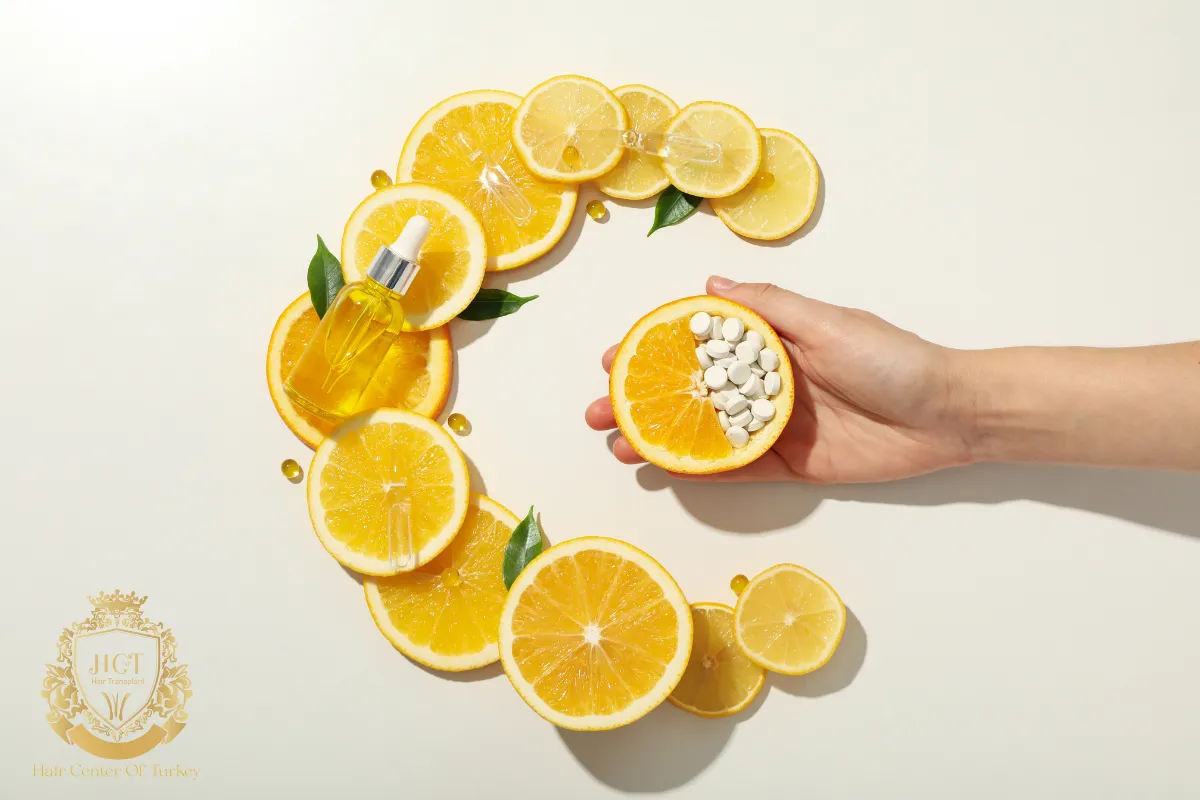
Vitamin C is needed for collagen production and helps the body absorb iron from plant foods. Both collagen support and adequate iron status matter for strong, resilient hair.
Citrus fruits, kiwi, strawberries, bell peppers, and broccoli are rich sources. If you’re taking iron, pairing it with vitamin C can improve absorption.
5) Vitamin A (With a safety note)
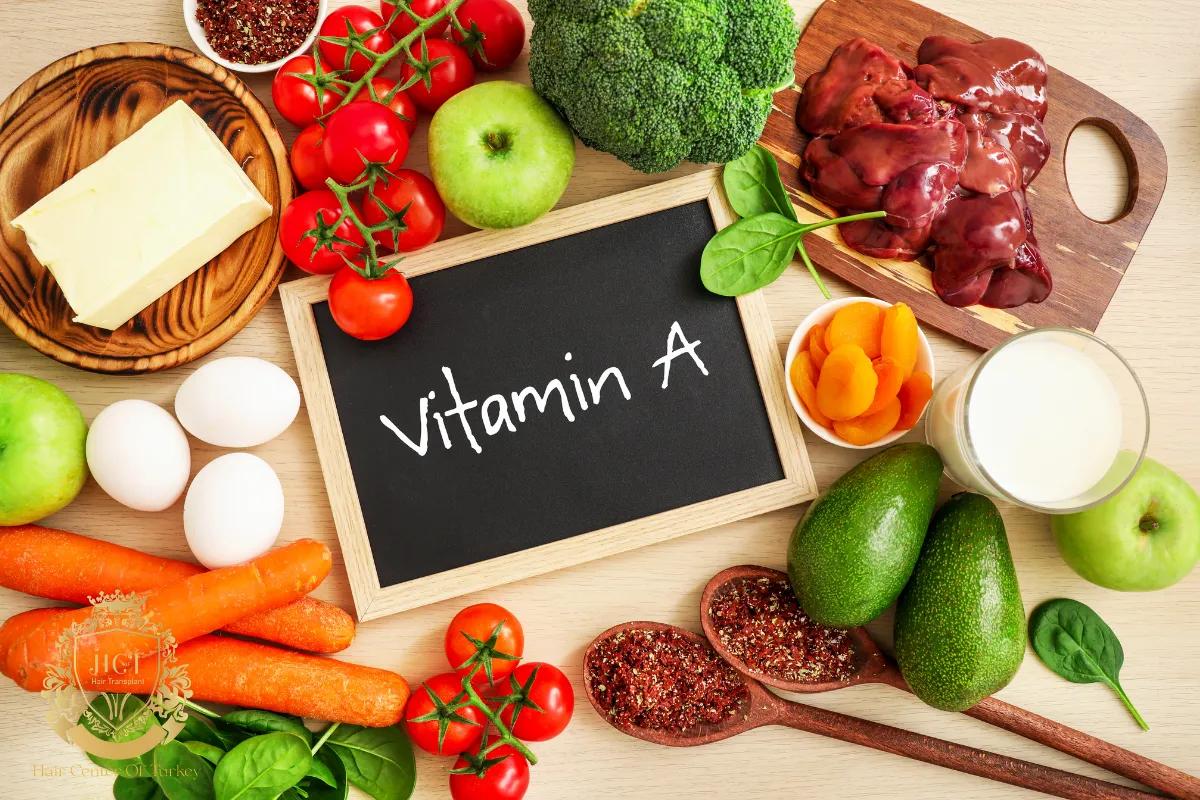
Vitamin A supports scalp skin health and sebum (natural oil) production, which can protect hair from dryness and breakage. You can get it from sweet potatoes, carrots, spinach, and other colorful produce.
More is not better: high vitamin A intake—especially from supplements—has been linked with hair loss. Aim to meet needs through food unless your clinician recommends otherwise.
Other nutrients that often matter
Hair growth also depends on enough protein, iron, zinc, and essential fatty acids. Iron and zinc are minerals rather than vitamins, but deficiencies can contribute to shedding.
A balanced plate (protein + vegetables + whole grains + healthy fats) is usually more effective than a single “hair supplement.” If lab results show low ferritin (iron stores) or zinc, your clinician can advise the right dose and duration.
F.A.Q. (Frequently Asked Questions)
Which vitamin is most useful for hair growth?
Biotin is most useful for hair growth only when you’re biotin-deficient.
What supplements are good for menopausal hair loss?
Iron and vitamin D help menopausal hair loss only if blood tests show deficiency.
What vitamin thickens your hair?
No vitamin reliably thickens hair; biotin helps mainly in true deficiency.
What vitamin does your hair need the most?
No single vitamin; hair needs adequate vitamin D and B vitamins when deficient.
What vitamin am I lacking if my hair is thinning?
Vitamin D, B12, or folate deficiency can contribute to thinning hair.
What vitamin adds volume to hair?
No vitamin adds volume; correcting deficiencies like vitamin D or biotin may help.
Explore the complete guide: Hair Care and Products