

Vinegar for Hair: The Short Answer
At Hair Center of Turkey, three specialist doctors have performed around 3,000 hair transplant procedures a year since 2014. Below, our team explains exactly how to use vinegar on your hair safely — and when to skip it.
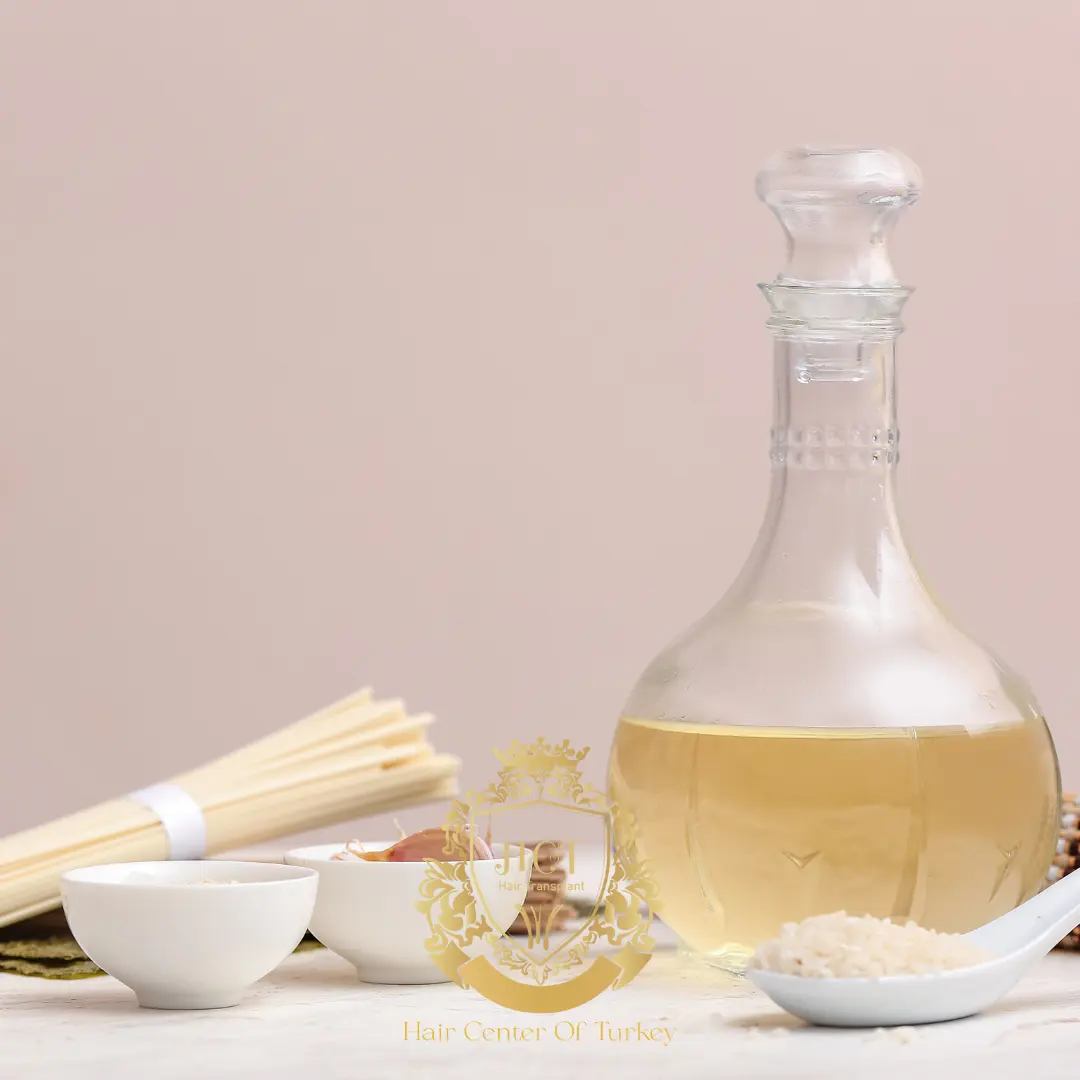
Used correctly and well diluted, vinegar — most often apple cider vinegar — can reduce product buildup, add shine, and help balance your scalp’s pH.
The risk is real, though: on dry, color-treated, or chemically processed hair, vinegar that’s too strong or used too often can cause dryness, scalp irritation, and faded color.
Is Vinegar Good for Your Hair?
- A diluted apple cider vinegar rinse can boost shine, remove product buildup and support a balanced scalp pH.
- Overuse or using it undiluted may cause dryness, irritation and color fading, especially on bleached or color-treated hair.
- Most people should limit vinegar rinses to 1 time per week and always rinse thoroughly with water.
- People with very sensitive scalp, eczema or recent hair transplant should ask their doctor before using vinegar rinses.
- Hair Center of Turkey experts recommend vinegar as an occasional supportive care step, not a replacement for medical treatment.
Benefits Of Vinegar For Hair
A diluted vinegar rinse—most often apple cider vinegar—can help remove product buildup, smooth the hair cuticle for extra shine, and support a cleaner-feeling scalp. The key is safety: always dilute, keep it out of the eyes, and don’t overuse it, especially if your hair is dry, bleached, or color-treated.
Why Vinegar Can Improve Hair’s Look And Feel
Hair can start to look dull when oils, styling residue, and minerals from hard water build up on the strands. Vinegar is naturally acidic, which is why it’s often used as a clarifying rinse. When used in the right dilution, it can help hair feel lighter, look shinier, and sit smoother after washing.
Key Benefits Of Vinegar For Hair
1) Shine And Smoother Texture
Many people notice more shine after a vinegar rinse because the surface of the hair looks less rough. Smoother strands can also mean less frizz and easier styling. Results vary by hair type, and you’ll get the best outcome when you dilute vinegar correctly.
2) Helps Lift Product Buildup
Dry shampoo, oils, silicones, and heavy conditioners can cling to the scalp and lengths over time. A gentle vinegar rinse can help loosen that film, which may make hair feel cleaner between wash days. If you use a lot of styling products, this is usually where vinegar feels most noticeable.
3) Scalp-Refreshing Effect
Vinegar has properties that can make the scalp feel fresher, especially when there’s mild itchiness or flaking. That doesn’t mean it treats every scalp condition, and it’s not a substitute for medicated shampoos when needed. If you have persistent dandruff, redness, or sores, it’s safer to check with a dermatologist.
4) Easier Detangling
When buildup is reduced and the hair feels smoother, combing can become easier. This can be helpful for long hair that tangles easily or hair that feels “grippy” after shampooing. Use a wide-tooth comb and avoid aggressive brushing while wet to prevent breakage.
Which Vinegar Is Best For Hair?
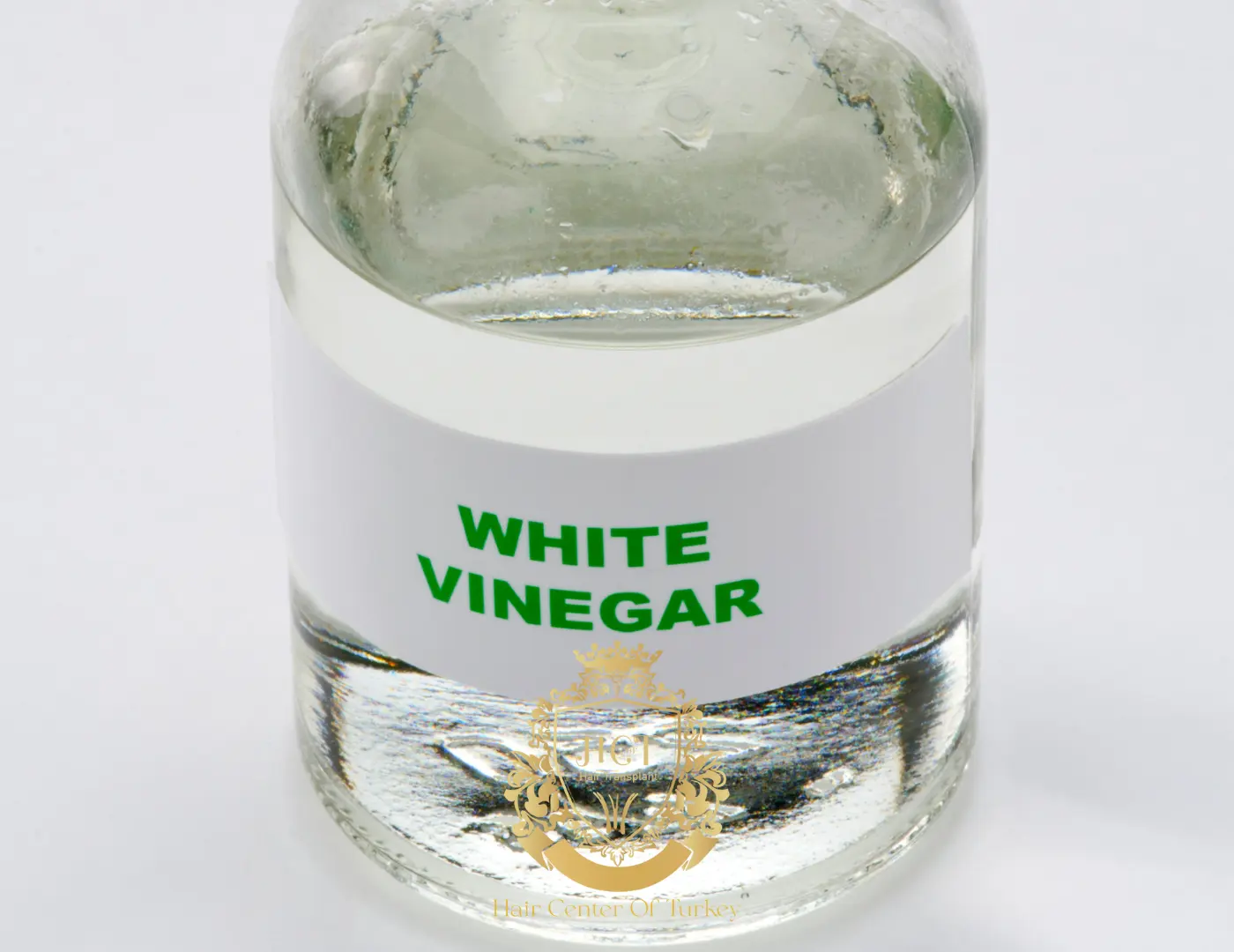
Apple cider vinegar is the most common choice because many people find it gentler and easier to tolerate. White vinegar can also work for clarifying, but it may feel stronger and can be more irritating for sensitive scalps. If the smell bothers you or you want a more consistent formula, ready-made hair vinegar products are a practical option.
Is Vinegar Harmful To Hair?
Vinegar can irritate the scalp or dry out hair when it’s used too strong, too often, or left on too long. Undiluted vinegar can sting, cause redness, and contribute to breakage—especially on bleached, highlighted, or very dry hair. If you have eczema, psoriasis, open scratches, or a freshly treated scalp, skip vinegar and choose a gentler approach.
How To Use Vinegar For Your Hair Safely
Dilution Ratio
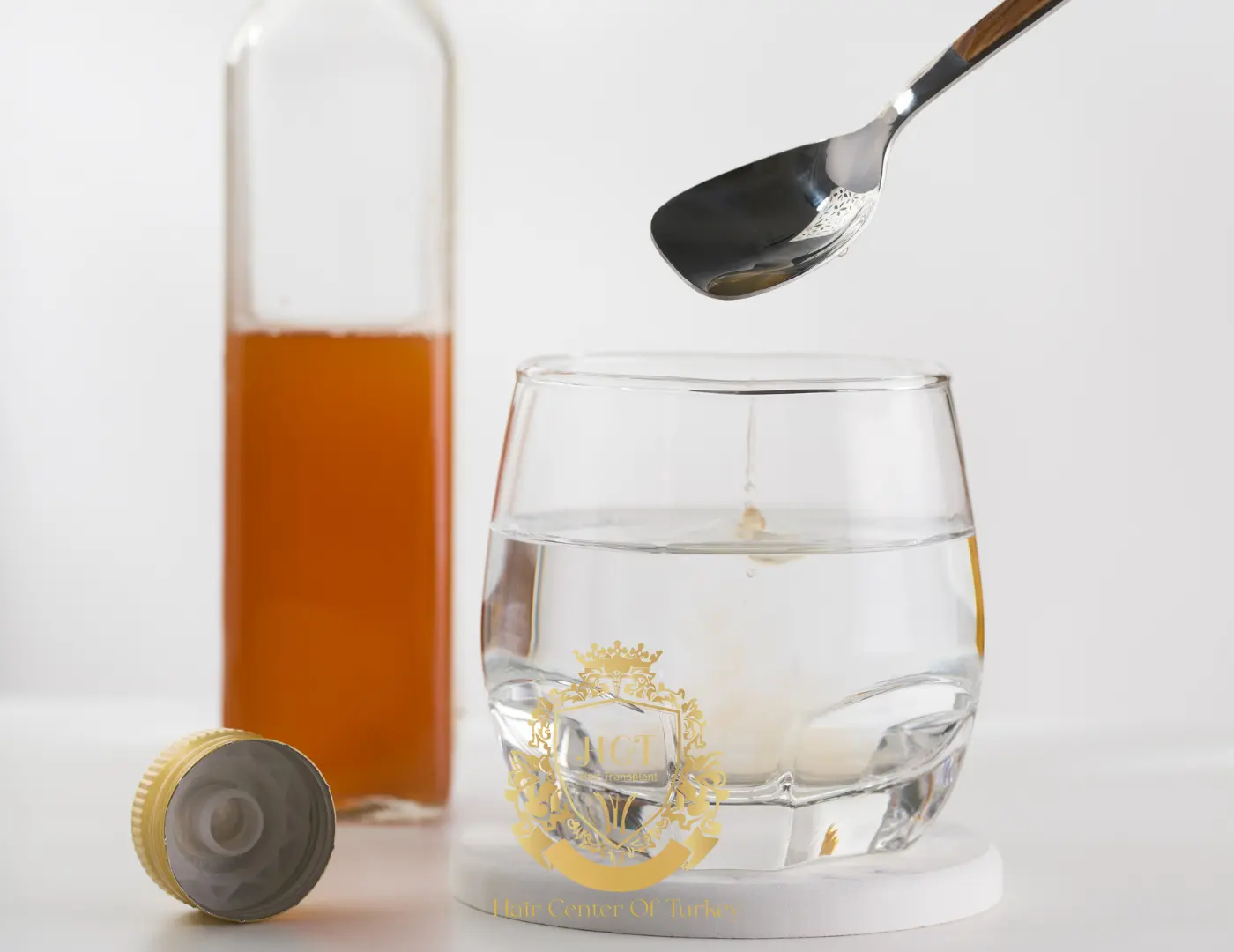
Start with 1 tablespoon (15 mL) of vinegar in 1 cup (240 mL) of water. If your scalp is sensitive, begin with 1 teaspoon in 1 cup of water and increase only if it feels comfortable. Never apply vinegar straight from the bottle.
Step-By-Step Use
Shampoo as usual, then squeeze excess water from your hair. Apply the diluted vinegar mainly to the scalp and through the lengths, avoiding the eyes. Leave it on for about 1–3 minutes, then rinse thoroughly. If your hair needs it, follow with conditioner on the mid-lengths and ends.
How Often To Use It
For most people, 1–2 times a week is plenty. Oily scalps may tolerate it slightly more often, while dry or curly hair usually does better with less frequent use. If you notice dryness, roughness, or irritation, reduce the frequency or stop.
DIY Rinse Vs Ready-Made Hair Vinegar Products
DIY mixes are budget-friendly, but the acidity can be inconsistent if you eyeball measurements. Hair vinegar products are designed for easier application and a more predictable strength, and many include fragrance to soften the scent. If you’ve had irritation from DIY vinegar, a formulated product is often the safer route.
FAQ
Does vinegar help hair growth?
Vinegar doesn’t directly stimulate hair growth, but a cleaner, calmer scalp can support healthy hair care habits. If you’re dealing with shedding or sudden thinning, look for the root cause rather than relying on rinses.
Can vinegar strip hair color?
It can fade color in some cases, especially if used often or at higher concentrations. If you color your hair, keep the dilution mild and use it less frequently—or choose a product made for color-treated hair.
Can you leave vinegar in your hair?
It’s better to rinse it out. Leaving it in increases the chance of dryness and irritation, especially on the scalp.
Explore the complete guide: Hair Care and Products