

Hair Serum: What It Is, What It Does, And How To Use It
Hair serum is a lightweight, leave-in product that coats the hair surface to smooth frizz, add shine, reduce tangles, and help protect against humidity and heat. It won’t permanently “fix” split ends, but the right formula can make hair look healthier and feel softer while reducing breakage over time.
What Is Hair Serum?
Hair serum is a leave-in haircare product designed to smooth the outer layer of the hair (the cuticle). Most serums use a blend of conditioning agents—often lightweight silicones, oils, or both—to improve slip and shine without the feel of a heavy mask. You’ll see formulas made for lengths and ends, and separate “scalp serums” made to be applied at the roots.
Hair Serum Vs. Hair Oil
Hair oils are usually richer and more nourishing, while serums are typically made to glide over the hair and reduce friction. A serum is often better for frizz control and a glossy finish. Oils can be great for very dry hair, but they can weigh down fine hair faster.
What Does Hair Serum Do?
A good hair serum doesn’t change your hair structure, but it can make a noticeable difference in how your hair looks and behaves day to day. Think of it as a “top coat” for smoother styling and easier detangling. Benefits vary by formula, but the most common ones are below.
- Smooths frizz and flyaways, especially in humidity
- Adds shine and improves softness
- Helps detangle and reduces breakage from brushing
- Improves manageability for curly, wavy, and chemically treated hair
- Can provide some heat and environmental protection (when the label says so)
How To Use Hair Serum
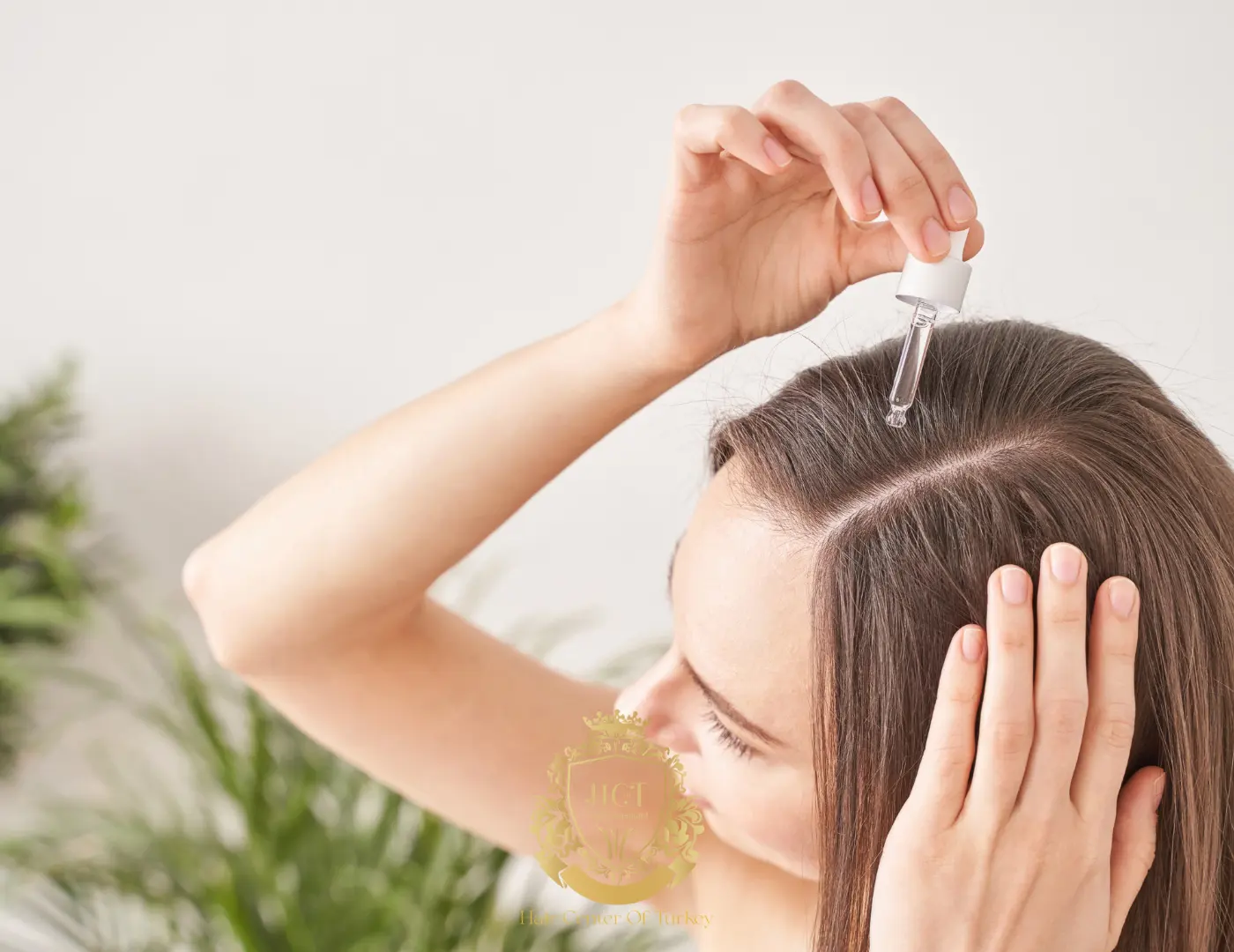
Hair serum works best when you use a small amount and focus on the mid-lengths and ends. If you apply it too close to the roots, hair can look flat or greasy. Start light—you can always add a tiny bit more.
On Damp Hair
After washing, gently squeeze out excess water and towel-dry until hair is damp, not dripping. Rub 1–2 pumps (or a pea-sized amount) between your palms and distribute through mid-lengths and ends. Comb through with your fingers or a wide-tooth comb, then air-dry or style as usual.
On Dry Hair
Use a half-pump to one pump to tame frizz, add shine, or smooth ends after styling. Warm it between your hands first, then lightly skim over the surface of the hair. Keep it away from the scalp unless the product is specifically made for scalp use.
If You Heat Style
Only rely on a serum for heat protection if the packaging clearly states it offers heat protection. Apply it on damp hair before blow-drying, or use the recommended method on the label. If you use a separate heat protectant, apply that first, then finish with serum for shine.
How To Choose The Right Hair Serum
Choose a serum based on your hair type and your main concern—frizz, dryness, damage, or shine. The same bottle won’t suit everyone, and using the wrong texture is the fastest way to end up with greasy hair. These quick guidelines help narrow it down.
Fine Or Oily Hair
Look for lightweight, smoothing serums and use very small amounts. Avoid heavy oils and thick butters high on the ingredient list. If your hair gets oily quickly, apply only to the last third of your hair.
Thick, Coarse, Or Curly Hair
Richer serums with oils (like argan, jojoba, or marula) can help with softness and definition. Curly hair often benefits from serums that improve slip, since curls can snag easily. Use it on damp hair to lock in a smoother finish.
Color-Treated Or Bleached Hair
Prioritize formulas that reduce friction and improve shine, since damaged hair is more prone to tangling and dullness. If you use heat tools, choose a serum that doubles as a heat protectant or pair it with one. Strong fragrance can irritate sensitive scalps, so go fragrance-light if needed.
Common Mistakes To Avoid
- Using too much product—more serum usually means more grease, not more shine
- Applying to the scalp when the product is meant for lengths and ends
- Layering multiple heavy leave-ins together (serum + oil + cream), which can cause buildup
- Skipping washes for too long—buildup can make hair look dull and feel itchy
FAQ
Does hair serum help with frizz?
Yes. Most serums smooth the hair surface, which reduces frizz and flyaways, especially in humid weather. Apply a small amount to damp hair, then use a tiny touch-up on dry hair if needed.
Is hair serum safe to use every day?
For most people, yes—when you use a small amount and wash regularly to prevent buildup. If your scalp is sensitive, avoid applying serum at the roots unless it’s a scalp-specific product.
Can hair serum make hair grow faster?
Most cosmetic hair serums are made for shine, smoothing, and breakage reduction—not true hair regrowth. Some scalp serums are marketed for hair thinning, but results depend on the ingredients and the cause of hair loss. For persistent shedding or thinning, a dermatologist is the best next step.
How long does it take to see results?
Smoothing and shine are usually immediate. Improvements in manageability and breakage can take a few weeks of consistent use, especially if you’re also reducing heat and friction in your routine.
Explore the complete guide: Hair Care and Products