

Table of Contents
What Causes Gray Hair
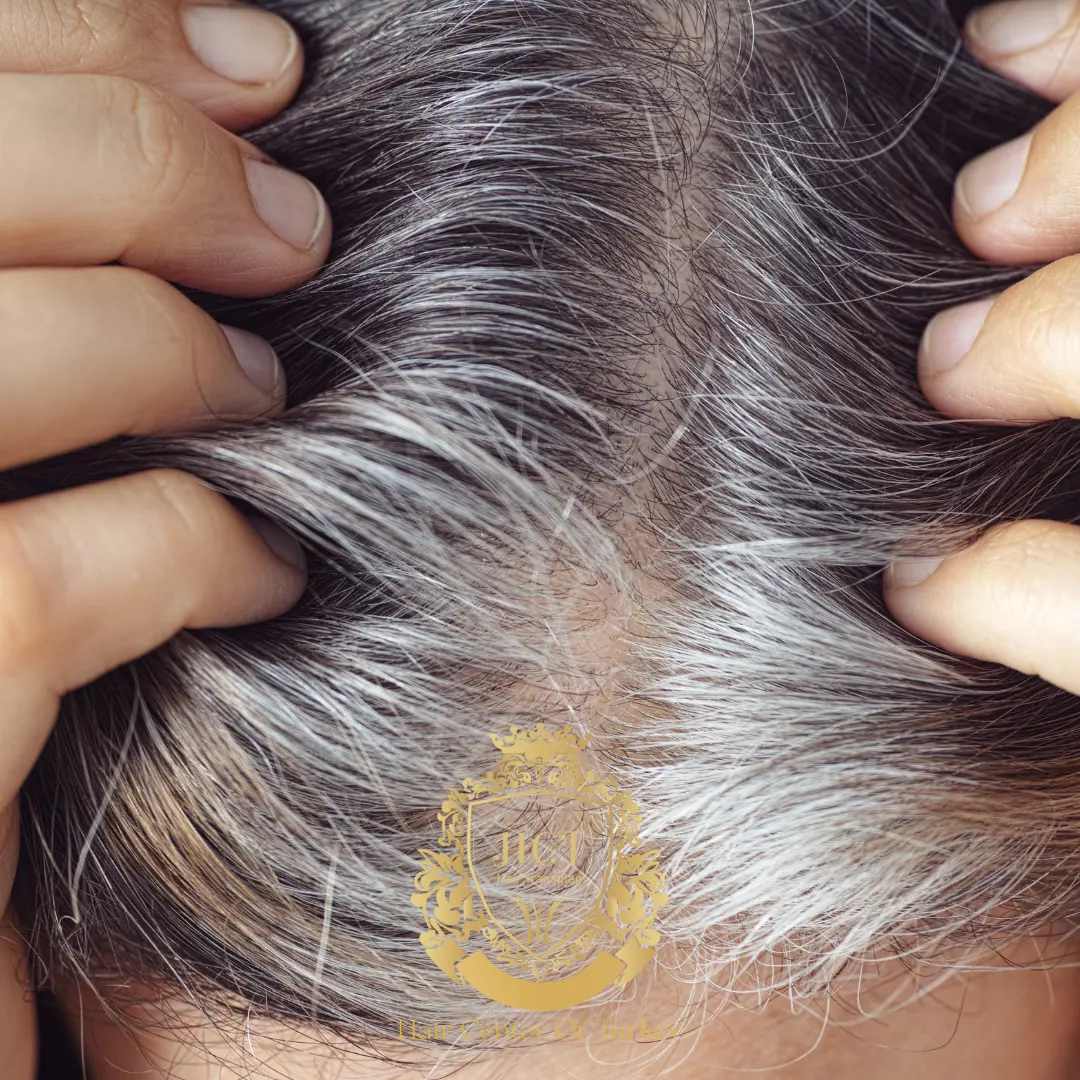
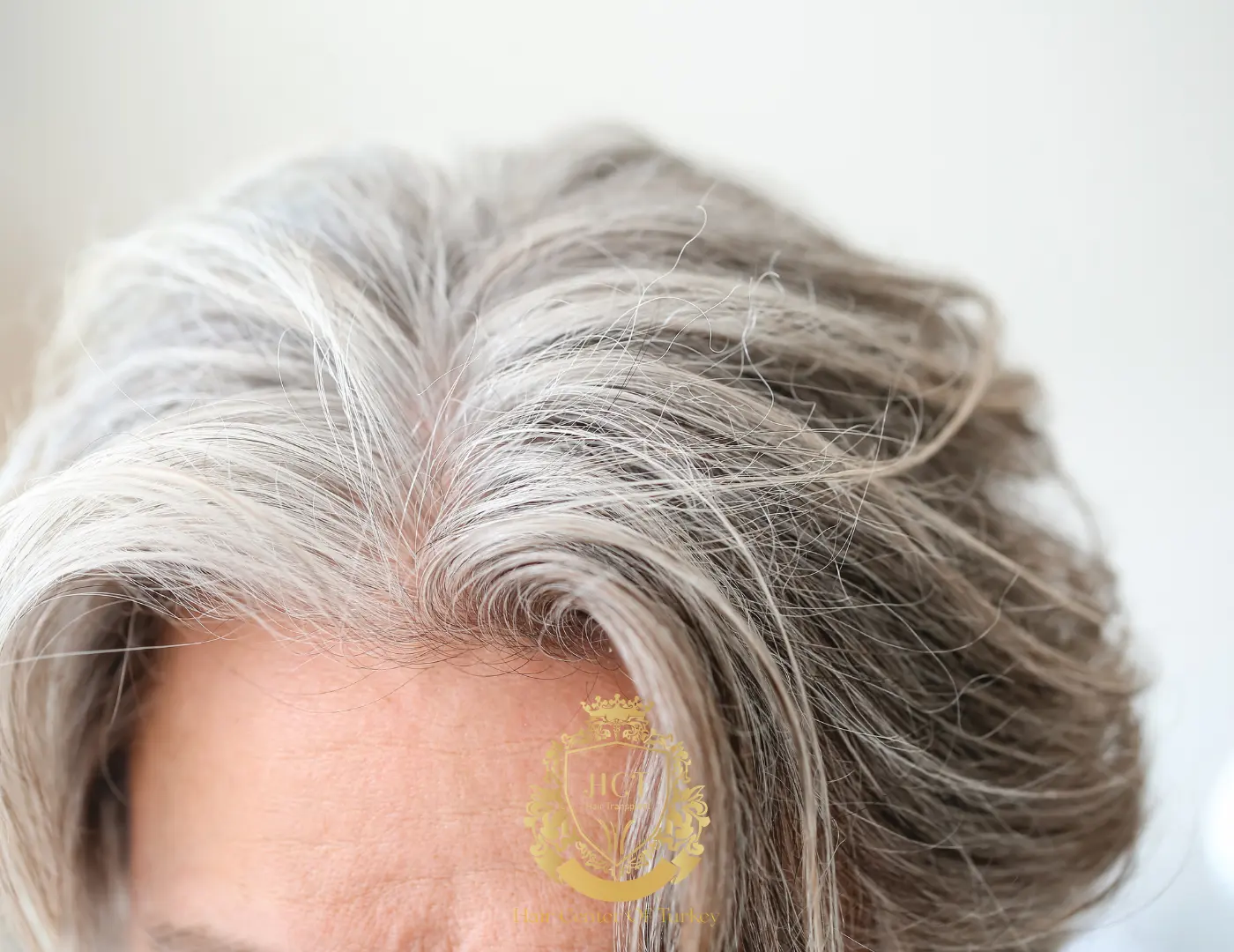
Most people go gray for straightforward reasons like genetics and natural aging. When graying starts very early or seems sudden, it’s worth looking at lifestyle factors and, occasionally, medical causes.
Genetics
If one or both of your parents grayed early, you’re more likely to do the same. Genes influence how long melanocytes remain active and how quickly pigment cells are depleted over time.
Aging
With age, melanocytes become fewer and less effective, so follicles deposit less melanin into new hair. This is why graying usually progresses gradually over years.
Nutrient Deficiencies And Diet Quality
Poor overall nutrition can contribute to oxidative stress and may be linked with early graying in some people. In clinical practice, low vitamin B12 is one of the more notable deficiencies associated with premature graying, and correcting a true deficiency is important for overall health.
Stress And Sudden Physical Strain
Stress doesn’t instantly turn hair gray overnight, but long‑term stress may affect hair cycles and the biology of pigment cells. Some people notice more gray after periods of major strain, sleep loss, or illness, although the timing is often influenced by genetics.
Thyroid And Other Hormonal Conditions
Thyroid dysfunction can affect many body systems, including hair growth and pigmentation. If gray hair appears unusually early—especially with symptoms like fatigue, weight changes, or hair thinning—talk to a clinician about thyroid testing.
Pernicious Anemia And Vitamin B12 Malabsorption
Pernicious anemia can cause vitamin B12 deficiency because the body can’t absorb B12 properly. In rare cases, treating a B12 deficiency has been associated with partial repigmentation, but this isn’t typical and depends on the underlying cause.
Autoimmune And Pigment Disorders
Conditions such as vitiligo and alopecia areata can affect pigmentation and may cause patches of white hair. A localized white streak (polyosis) can be inherited or associated with certain medical conditions.
Smoking, Pollution, And Oxidative Stress
Cigarette smoke increases oxidative stress and is linked in studies with a higher risk of premature graying. UV exposure and environmental pollution can also contribute to follicle stress over time.
Hair Chemicals And Heat Damage
Bleach, harsh dyes, frequent high‑heat styling, and aggressive straightening can weaken the hair shaft and irritate the scalp. They won’t “create” gray hair on their own, but they can make hair look dull, dry, and more visibly ashy once graying has started.
When Is Gray Hair Considered Premature?
Most dermatology references describe premature graying as gray hair appearing before age 20 in White populations, before 25 in many Asian populations, and before 30 in many Black populations. These are general cutoffs—your family history still matters most for individual timing.
What Helps With Gray Hair?
There’s no proven way to stop graying permanently once follicles stop producing pigment. That said, a few habits can support scalp and follicle health and may slow the pace of visible graying.
Eat A Balanced, Protein-Rich Diet
Hair is made mostly of protein, and follicles rely on steady nutrition to grow strong strands. Aim for a varied diet with protein, iron, zinc, copper, and B‑vitamins from whole foods.
Check And Correct Real Deficiencies
If you have early or fast graying, it’s reasonable to discuss bloodwork with a clinician, especially for vitamin B12, iron status, and thyroid function. Supplements can help when a deficiency exists, but taking high doses “just in case” rarely changes hair color.
Quit Smoking
Quitting is one of the most practical steps you can take for hair and skin aging. Even if it doesn’t reverse gray hair, it supports blood flow and reduces oxidative stress on follicles.
Reduce Ongoing Stress Where You Can
You don’t need perfect calm for healthy hair, but chronic stress can affect sleep, inflammation, and hair shedding. Simple routines—regular movement, consistent sleep, and realistic workload boundaries—often make a difference.
Use Gentle Hair Care For Gray Strands
Gray hair can feel drier or coarser, so moisturizing shampoos, conditioner, and occasional masks can help. If your hair looks yellow or brassy, a purple-toning shampoo once or twice a week can improve the appearance without changing pigment.
FAQ
What is the best thing to do for grey hair?
Embrace it and use moisturizing, UV-protective products; minimize heat and harsh chemicals.
How to make grey hair shiny silver?
Use a purple shampoo weekly, deep-condition, and consider a silver toner or gloss.
What vitamin am I lacking if I’m getting grey hair?
Vitamin B12 deficiency can cause premature greying; confirm with labs and clinician.
Which hair color is best and long lasting for grey hair?
Permanent dye with high-coverage formulas, or professional demi-permanent plus root touch-ups, lasts longest.
What type of shampoo is best for grey hair?
Sulfate-free moisturizing shampoo with purple pigments and antioxidants helps prevent yellowing and dryness.
Explore the complete guide: Hair Styling and Color