

Jojoba Oil
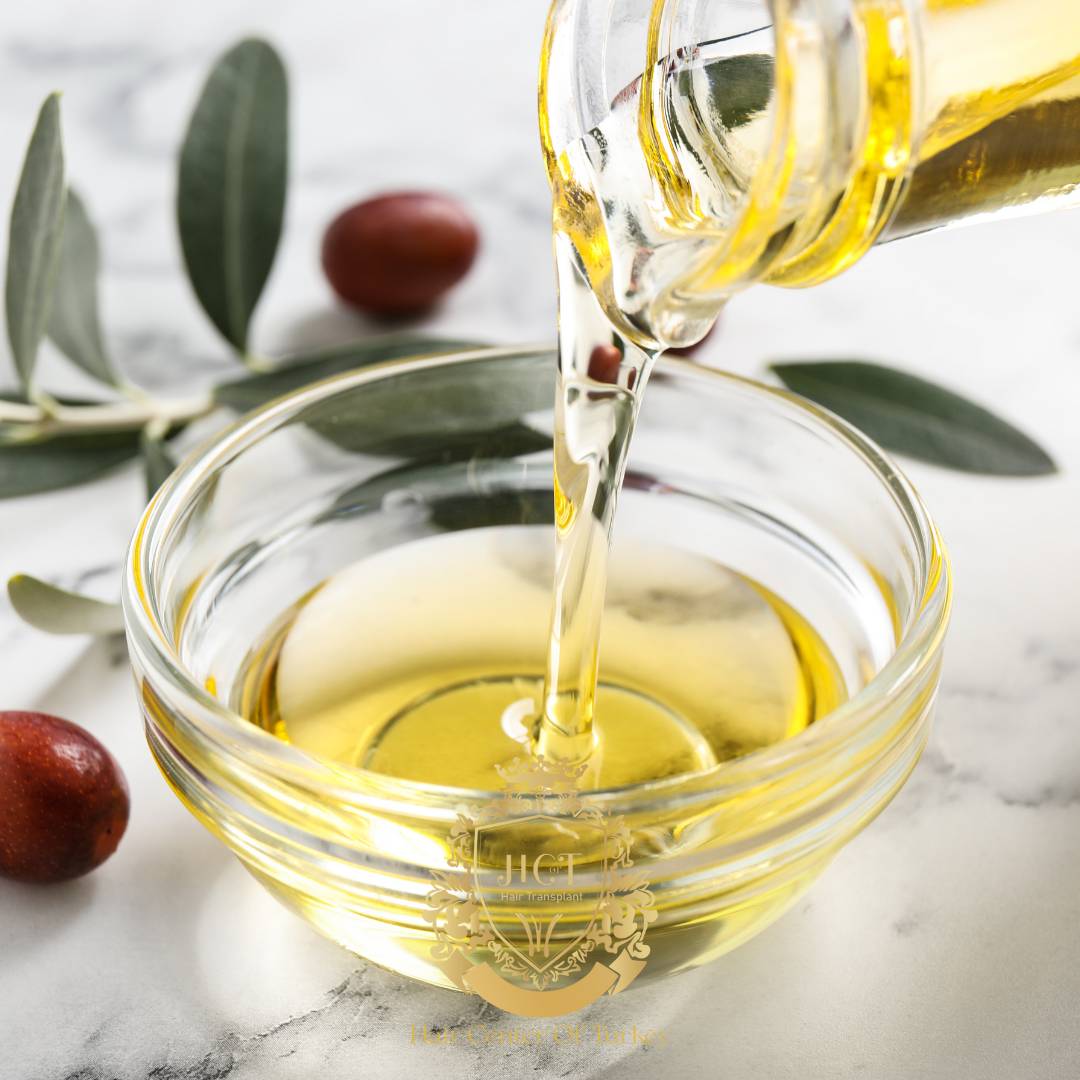
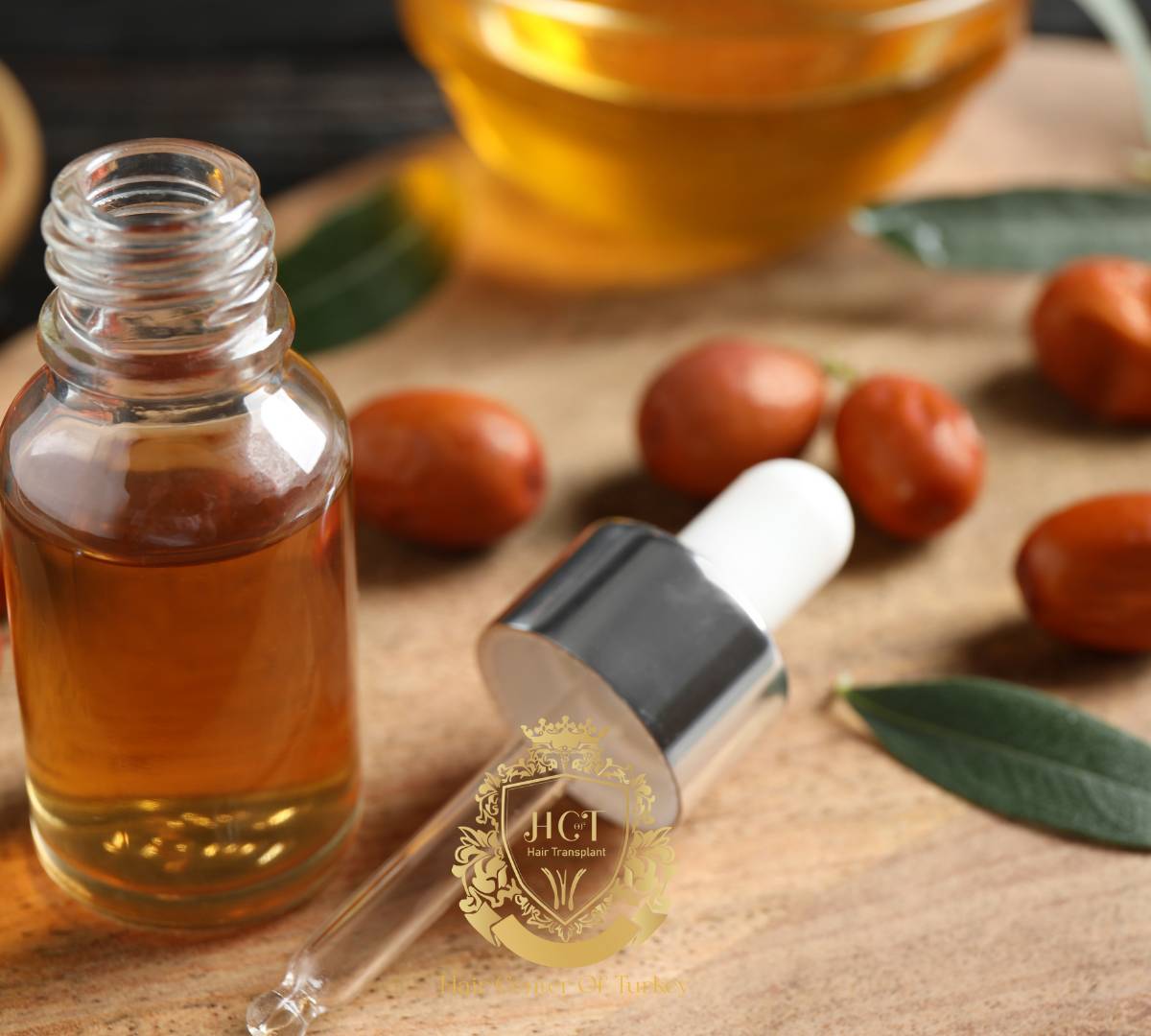
Jojoba oil is a lightweight liquid wax from the seeds of the jojoba plant. Because its wax esters are similar to natural skin oils, it’s widely used to soften dry skin, support a healthy scalp, and add shine to hair without feeling greasy. Use a few drops on damp skin or as a pre-shampoo treatment.
Jojoba oil is a staple ingredient in skincare and haircare because it’s stable, long-lasting, and comfortable to wear on the skin. It works well on its own and also blends easily into creams, lotions, serums, and scalp treatments. Beyond cosmetics, its waxy structure makes it useful in industrial applications such as lubrication and specialty manufacturing.
What Is Jojoba Oil?
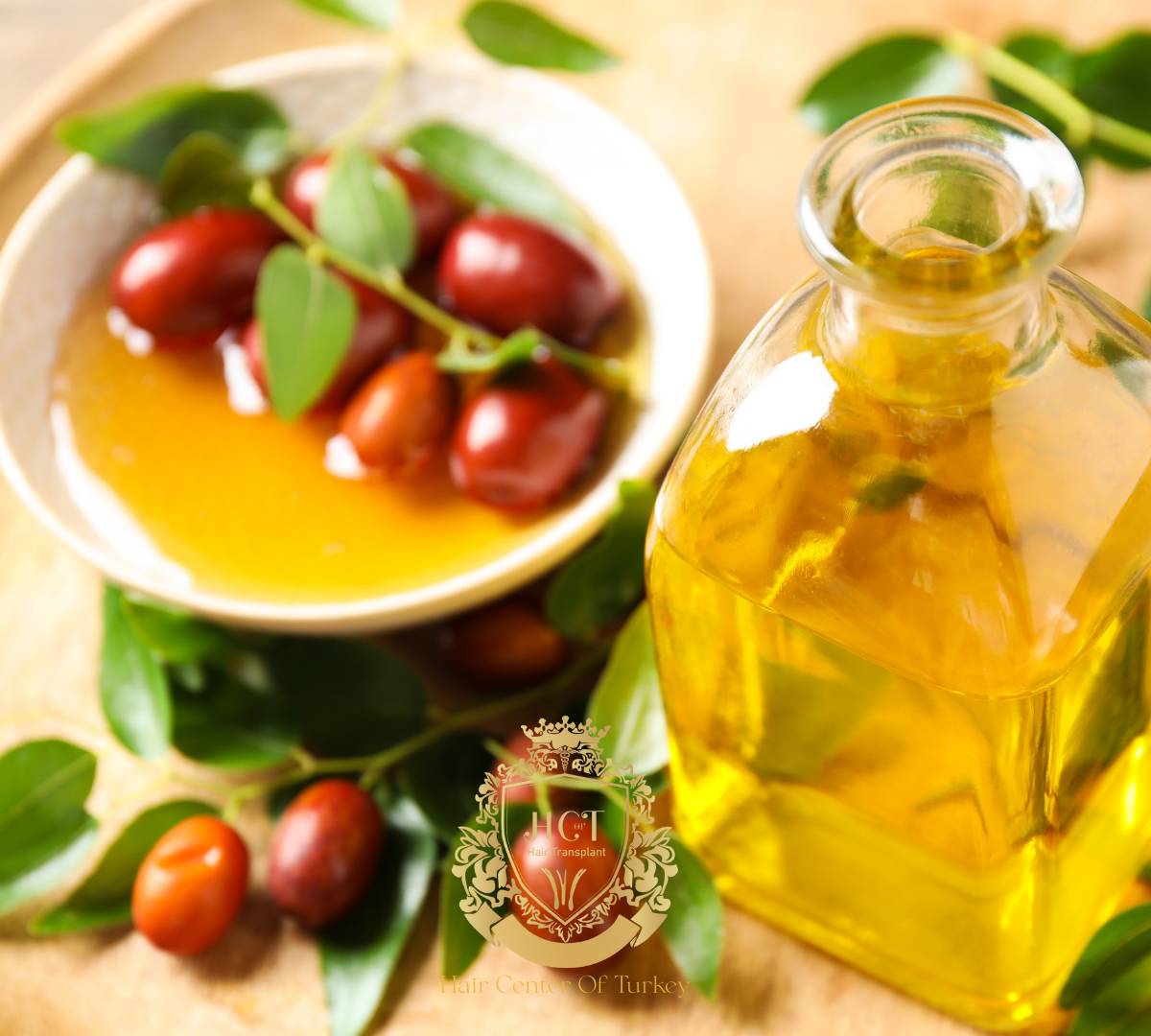
Jojoba (Simmondsia chinensis) is an evergreen shrub native to arid regions of the southwestern United States and northwestern Mexico. The oil is pressed from the plant’s small, dark seeds. Technically, jojoba “oil” is a liquid wax ester, which is why it stays stable and resists going rancid longer than many plant oils.
Historically, jojoba was used by Indigenous communities for skin and hair care. Modern cosmetic formulas value it for its silky slip, compatibility with many ingredients, and ability to help reduce water loss from the skin’s surface. It’s also common in balms and salves because it supports a smooth, protective finish without heavy residue.
What Are The Benefits Of Jojoba Oil?
For Skin
Jojoba oil helps soften and condition dry or rough skin by reinforcing the skin’s moisture barrier. Many people find it comfortable even on combination skin because it absorbs quickly and feels light. It also contains natural antioxidants, such as tocopherols (vitamin E compounds), which help protect the oil from oxidation in skincare formulas.
Some users apply jojoba oil to support the look of smoother skin, especially when dryness makes fine lines more noticeable. If you’re prone to irritation, start with a small amount and avoid applying to broken skin until it has healed.
For Acne-Prone Or Oily Skin
Jojoba oil is generally considered non-comedogenic for many people, and its wax esters can feel similar to sebum. That said, acne triggers vary from person to person. If you’re acne-prone, patch test first and introduce it slowly, or use it mixed into a moisturizer rather than layering it heavily.
For Hair And Scalp
In haircare, jojoba oil is used to add shine, reduce the look of frizz, and soften dry ends. On the scalp, it can help loosen flaky buildup when used as a gentle pre-wash treatment. If your scalp is sensitive, keep it on for a short time and shampoo thoroughly.
For Nails And Cuticles
A drop or two rubbed into cuticles can help reduce dryness and improve the look of brittle nails. It’s an easy option for daily maintenance because it absorbs without leaving a sticky film.
In Products And Industry
Jojoba oil is widely used in creams, lip products, sunscreens, shaving products, and fragrances because it improves spreadability and helps formulas feel smoother. Outside cosmetics, it has been used in specialized manufacturing, including lubrication, leather finishing, and certain textile processes, thanks to its stable, wax-like profile.
How To Use Jojoba Oil
For face or body, warm 2–4 drops between your palms and press it onto slightly damp skin, then follow with sunscreen in the morning. For hair ends, use 1–3 drops on dry or towel-dried hair, focusing on mid-lengths to ends. For scalp care, massage a small amount into the scalp, leave it for 15–30 minutes, then shampoo well.
You can also boost a moisturizer or conditioner by mixing a few drops into the product in your hand right before applying. Avoid adding oil directly into a jar, since it can affect preservation over time.
Patch Testing And Safety Notes
Even gentle oils can cause irritation for some skin types. Patch test on the inner arm for 24 hours before regular use, and stop if you notice itching, redness, or bumps. If you have eczema, psoriasis, or a persistent scalp condition, check with a dermatologist before relying on any oil as a main treatment.
FAQ (Frequently Asked Questions)
Is jojoba oil really an oil?
Not exactly. Jojoba “oil” is mostly liquid wax esters, which is why it’s unusually stable and feels lightweight on the skin.
Can I use jojoba oil on my face every day?
Many people can. Start with a few drops on damp skin and adjust based on how your skin responds. If you’re acne-prone or sensitive, patch test first.
Is jojoba oil good for dandruff?
It may help loosen dry flakes and reduce scalp dryness when used as a pre-wash treatment. If flaking is severe or persistent, it can be caused by dermatitis or psoriasis and may need targeted treatment.
How do I use jojoba oil in hair care?
Apply 1–3 drops to the ends for shine, or massage a small amount into the scalp for 15–30 minutes before shampooing. You can also mix a few drops into your conditioner right before use.
Can jojoba oil help with acne?
Some people tolerate it well, but results vary. Use a small amount, avoid heavy layering, and stop if breakouts worsen.