

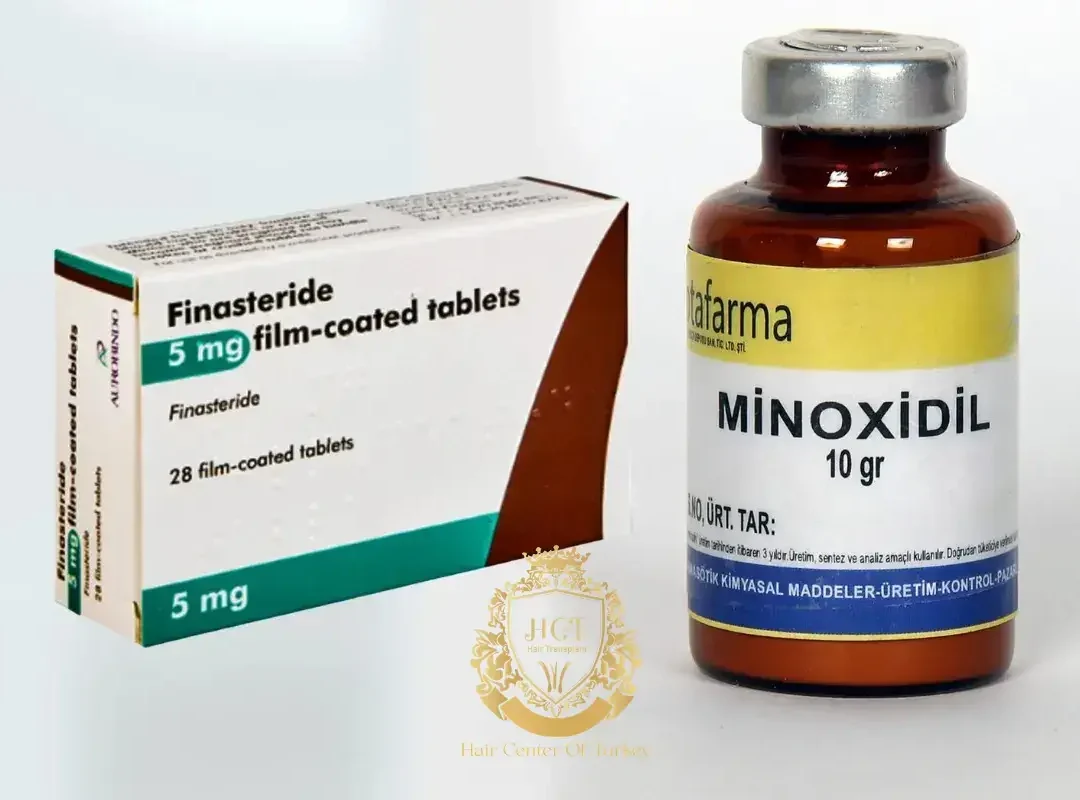
Side Effects Of Finasteride And Minoxidil
Finasteride and minoxidil can cause side effects, but most people only see mild issues like scalp irritation (minoxidil) or temporary sexual side effects (finasteride). The key is knowing the red flags—facial/lip swelling, chest pain, severe mood changes, or breast lumps—and stopping the medication while you speak with a clinician.
Table of Contents
Do Finasteride And Minoxidil Have Side Effects?
Yes. Both medicines are widely used for male pattern hair loss, and most side effects are manageable when you catch them early.
Finasteride works by lowering DHT, a hormone linked to follicle shrinkage. Minoxidil is typically applied to the scalp and can irritate the skin, especially if your scalp is already sensitive.
Most people who stop because of side effects do so in the first few weeks. If you’re going to react, it usually shows up early.
What Are The Worst Side Effects Of Finasteride?
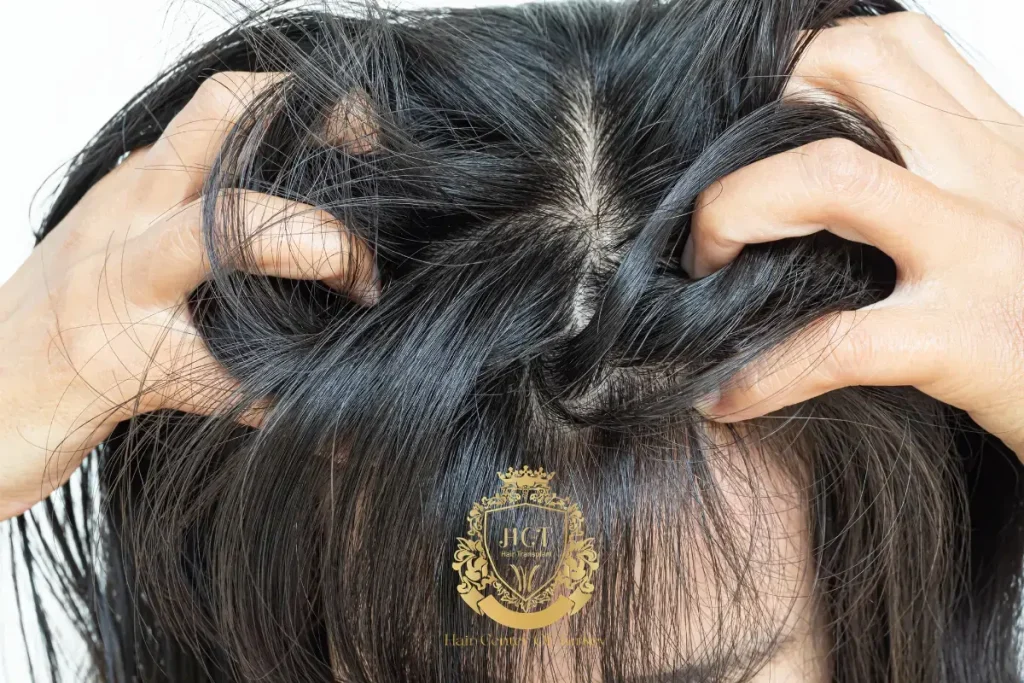
The side effects that worry patients most are sexual and mood-related. The most serious concerns to watch for include:
- Persistent sexual side effects: reduced libido, erectile difficulties, or reduced semen volume that don’t quickly improve after stopping.
- Mood changes: low mood, anxiety, or depressive symptoms.
- Breast changes: tenderness, enlargement, or a new lump.
- Allergic reactions: rash, swelling, or trouble breathing (rare).
Here’s the practical way to think about it: mild, temporary changes are one thing; new depression, breast lumps, or symptoms that feel “out of character” are a reason to pause and get medical advice.
Can Minoxidil Cause Lip Swelling?
It can, and you should treat it as urgent.
Lip swelling can signal angioedema, an allergic-type reaction. Some people react to minoxidil itself, while others react to ingredients in certain solutions (like propylene glycol). If you notice swelling of the lips, face, tongue, or throat—or you develop hives or trouble breathing—stop the product and seek urgent medical care.
Minoxidil can also cause less dramatic swelling (like facial puffiness) or fluid retention in rare cases, especially if too much is used or it drips onto the face.
Is It Worth Taking Finasteride And Minoxidil Together?
For many people, yes—because they work in different ways.
Finasteride mainly slows or stops further miniaturization. Minoxidil tends to support regrowth and thickening. Research comparing combination therapy with either drug alone generally finds better hair outcomes with a similar overall safety profile, as long as you use standard doses and you’re monitored.
That said, “worth it” depends on your risk tolerance. If you’ve had side effects before, it can make sense to introduce one medication first, wait a few weeks, then add the second so you know what’s causing what.
Does Finasteride Mess With Sleep?
Some patients report insomnia or disrupted sleep while taking finasteride, though it’s not one of the most common side effects listed in older product labels.
In real life, sleep changes can be direct (a personal sensitivity) or indirect (stress about side effects, anxiety, or a dip in mood). If your sleep clearly worsens after starting, don’t ignore it—especially if it comes with anxiety or low mood.
Ways To Lower The Chance Of Side Effects
A few habits make a big difference:
- Start one medication at a time. It makes side effects easier to identify.
- Use minoxidil carefully. Apply only to the scalp, let it dry, and wash hands after.
- Don’t “double dose” to catch up. Overuse increases irritation and can raise the chance of systemic symptoms.
- Track changes for the first 8–12 weeks. Note mood, libido, sleep, and any skin reactions.
If you’re exploring a hair transplant or planning one soon, a clinician can also tailor timing around shedding phases and recovery.
When To Stop And Get Medical Help
Stop the medication and get prompt medical advice if you notice:
- Lip/face/tongue swelling, hives, or breathing trouble
- Chest pain, faintness, rapid heartbeat, or sudden swelling of hands/feet
- New depression, panic symptoms, or suicidal thoughts
- Breast lumps, nipple discharge, or significant breast pain
For non-urgent issues like mild scalp itching or dryness, you can often adjust the minoxidil formula (foam vs solution) or your application technique.
Frequently Asked Questions
Does minoxidil cause shedding at the start?
Sometimes. A brief shed in the first 2–8 weeks can happen as hairs shift growth phases, then things usually settle.
How long does it take to see results?
Minoxidil often shows change around 3–6 months. Finasteride usually needs 6–12 months for a fair read—photos help.
What happens if I stop finasteride or minoxidil?
Any benefit usually fades after stopping, and hair can drift back toward its previous pattern over the following months.
Can I use finasteride or minoxidil after a hair transplant?
Many clinics use them to support native hair, but restart timing varies. Follow your surgeon’s aftercare plan.
Is minoxidil foam better than solution for sensitive scalps?
Foam is often gentler and may reduce itching or redness. If irritation persists, pause and ask about alternatives.
Explore the complete guide: Hair Loss Treatments