

Pine Turpentine Oil
Pine turpentine oil is an essential oil distilled from pine resin, valued for its fresh, resinous aroma and its traditional use in aromatherapy, massage blends, and natural cleaning. It can irritate skin and is harmful if swallowed, so it should always be diluted, kept away from children, and used only with proper ventilation.
Pine turpentine oil (often called turpentine essential oil or gum turpentine) is produced from the resin of pine trees. It’s known for a sharp, clean scent and is widely used in home care, perfumery, and wellness routines where essential oils are used responsibly.
Table of Contents
What Is Pine Turpentine Oil?
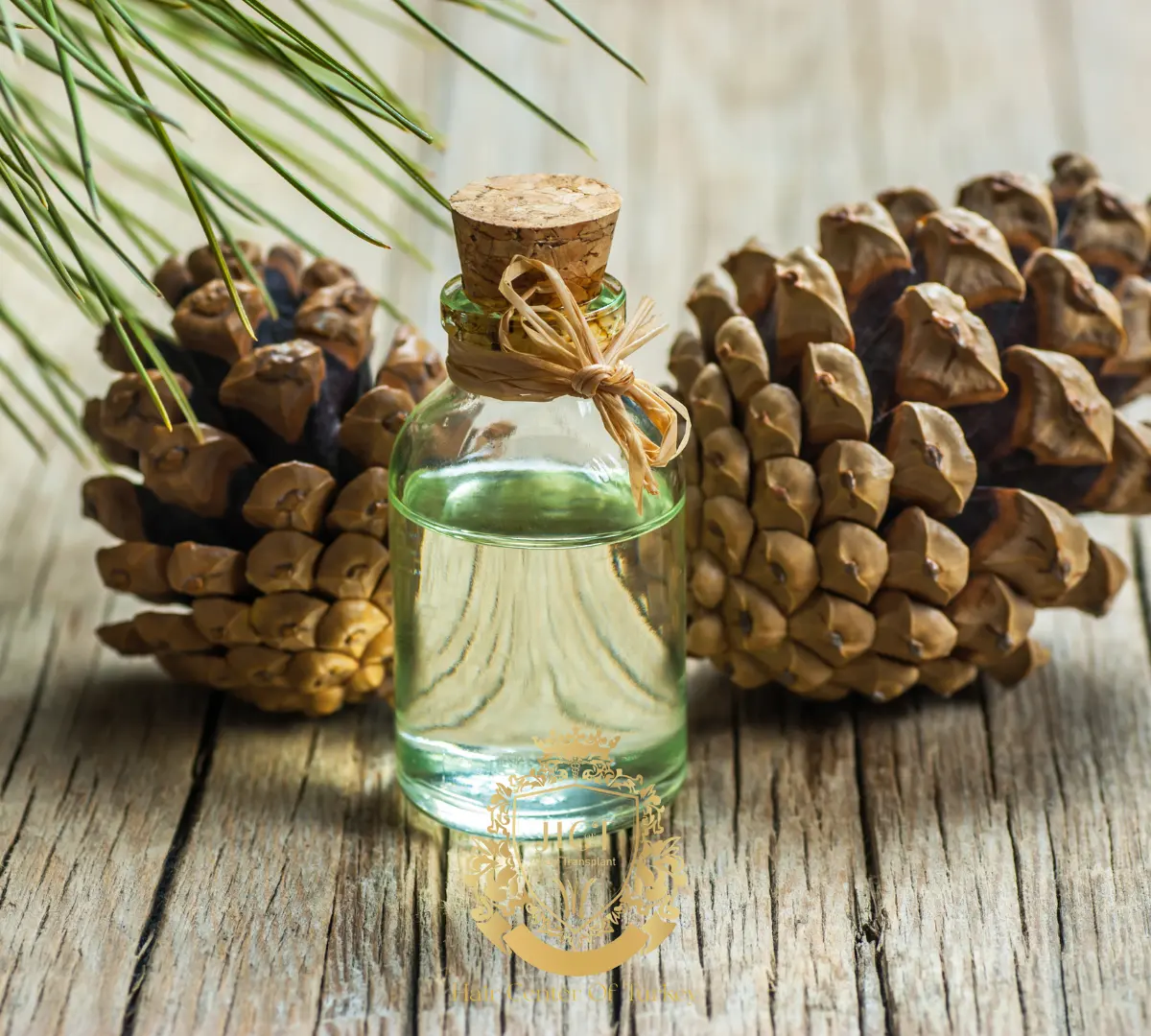
Pine turpentine oil is a volatile oil obtained by distilling resin collected from living pine trees. Maritime pine (Pinus pinaster) is one common source, though other Pinus species are also used depending on the region and local forestry practices.
The resin is typically gathered by tapping the tree and then steam-distilled to separate the aromatic oil from heavier resin components. Because the process depends on resin flow, harvesting and distillation are often seasonal, and the aroma can vary slightly from batch to batch.
Aroma And Main Components
The scent is crisp, piney, and resinous. Chemically, it’s usually rich in monoterpenes such as alpha-pinene and beta-pinene, which contribute to its characteristic fragrance and strong, solvent-like volatility.
Common Uses And Potential Benefits
Pine turpentine oil has a long history in traditional practice and modern household use. Most benefits people talk about relate to its aroma, its ability to cut through odors, and its role as an ingredient in topical blends.
Aromatherapy And Air Freshening
In a diffuser, its fresh scent can help neutralize stale odors and create a “forest air” atmosphere. If you’re sensitive to strong essential oils, start with a small number of drops, use good ventilation, and stop if you notice throat or eye irritation.
Massage Blends For Sore Areas
When properly diluted in a carrier oil, pine turpentine oil is sometimes used in massage blends for tired muscles. It should never be applied neat (undiluted), and it’s best to avoid using it on broken or freshly shaved skin.
Traditional Respiratory Comfort
Some people use a diluted chest rub or a brief aromatic steam-inhalation routine for a feeling of easier breathing. This does not treat infections or replace medical care, and it can aggravate asthma or other airway conditions in sensitive individuals.
Natural Cleaning And Deodorizing
Because of its strong scent and solvent properties, pine turpentine oil is used in certain DIY cleaning blends to deodorize and lift greasy residues. For household cleaning, use very small amounts, avoid mixing with harsh chemicals, and keep it away from open flames because it’s flammable.
Hair And Scalp Use
In some traditions, pine turpentine oil is added in tiny amounts to shampoo or hair oils. If you try this, keep concentrations low, avoid the eye area, and discontinue if you notice itching, redness, or increased shedding.
How To Use Pine Turpentine Oil Safely
Essential oils are concentrated materials. Safety comes down to choosing the right product, diluting it properly, and using it in a well-ventilated space.
- Choose essential-oil grade products from reputable suppliers. Do not use hardware-store turpentine, paint thinner, or industrial solvents on skin.
- Dilute for skin use. A cautious starting point is 1% dilution (about 1 drop per 5 mL / 1 teaspoon of carrier oil).
- Patch test first: apply a small diluted amount to the inner forearm and monitor for 24 hours.
- Avoid eyes, mucous membranes, and broken skin. Wash hands after use.
- Never swallow pine turpentine oil. Ingestion can be harmful.
- Keep away from flames and heat sources. Store tightly closed, out of reach of children and pets.
- If pregnant, breastfeeding, managing a chronic condition, or using it for children, consult a qualified clinician first.
FAQ
How to use pine turpentine oil for hair?
Don’t use pine turpentine oil on hair; it can irritate and poison.
Is turpentine oil good for hair?
No, turpentine oil is unsafe; it irritates skin and can be toxic.
Which oil is most powerful for hair growth?
No oil is most powerful; minoxidil has best evidence for regrowth.
What does pine oil do for hair?
Pine oil mainly adds fragrance; it may irritate scalp and isn’t proven.
What is the most powerful remedy for hair growth?
Topical minoxidil is most proven; finasteride is strongest for male-pattern loss.
Explore the complete guide: Hair Care and Products