

What Is Good For Oily Hair After A Hair Transplant?
Oily hair happens when the scalp produces more sebum than your hair can absorb. After a hair transplant, you still need oil control, but the scalp is also healing. Use the surgeon-approved shampoo, wash on the schedule you were given, avoid heavy products on the roots, and contact your clinic if you notice increasing redness, pain, or unusual shedding.
Table of Contents
Why Oily Hair Happens
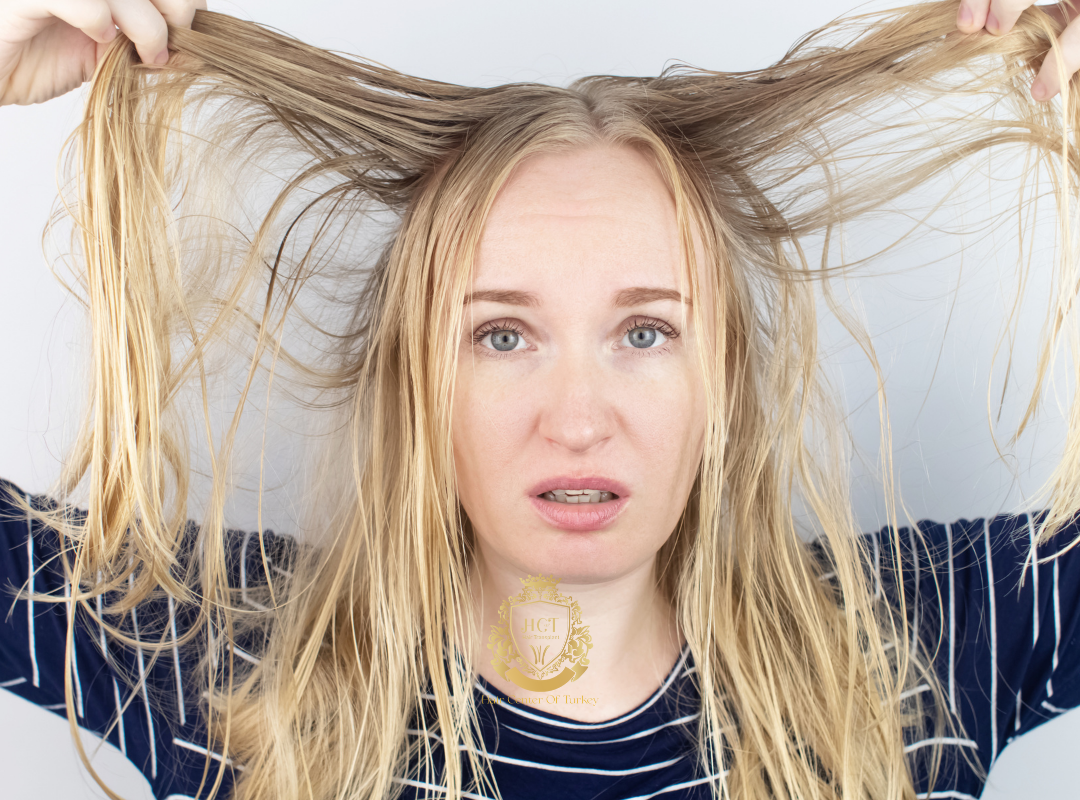
Your scalp has sebaceous glands that make sebum, a natural oil that protects the skin and keeps hair flexible. When production is high—or when oil spreads quickly along fine or straight hair—your hair can look greasy soon after washing. Hormones, genetics, stress, climate, and product buildup all play a role. If oiliness is paired with itch, flakes, or irritation, the cause may be more than simple excess sebum.
Oily Scalp Care After A Hair Transplant
Right after a transplant, the priority is graft survival and calm healing. Oil control is still possible, yet anything harsh, abrasive, or too frequent can irritate the scalp. Follow your post-op instructions first, especially for the first couple of weeks. Use the tips below as a guide and tailor them with your doctor’s advice.
1) Use The Shampoo Your Doctor Recommends
Choose a mild, transplant-approved shampoo that cleans without stripping the scalp. A formula made for sensitive skin helps reduce irritation while the grafts settle. If your surgeon has given a specific product or schedule, stick to it. Avoid strong anti-dandruff or clarifying shampoos unless your doctor says they are safe for your stage of healing.
2) Wash On A Balanced Schedule
Washing too often can dry and irritate the scalp, which may trigger rebound oiliness in some people. Washing too rarely can leave oil, sweat, and residue sitting on a healing scalp. Aim for the frequency your clinic recommends and adjust gradually once you are fully healed. If your hair gets oily fast, focus on gentle cleansing rather than aggressive scrubbing.
3) Keep Application Gentle
In early recovery, use light pressure and let the foam do the work. If you were told to pat or pour shampoo rather than rub, follow that instruction exactly. Once you are cleared for normal washing, gentle fingertip massage can help lift oil and product buildup. Skip fingernails and avoid anything that pulls on scabs or crusts.
4) Condition The Length, Not The Roots
Conditioner can make oily hair look flatter when it touches the scalp. Apply it from mid-length to ends, then rinse well. If you need extra softness, a lightweight conditioner or leave-in used only on the ends is usually enough. Heavy oils and butter-based products often worsen greasiness on the roots.
5) Use Masks And Extra Products Carefully
Hair masks can help dryness and frizz, but they should be chosen with the healing scalp in mind. Pick simple formulas and avoid strong fragrances or acids until your doctor says your skin barrier is stable. Apply masks to the hair lengths rather than the recipient area, unless your clinician has recommended a scalp-safe product. When in doubt, keep your routine minimal for a few weeks.
6) Support Oil Balance With Nutrition And Hydration
Hair follicles rely on steady nutrition, especially while the scalp is recovering. Prioritise protein, iron, zinc, and omega-3 fats, plus vitamins A, C, and E and biotin from food where possible. Drink enough water to support skin hydration and overall recovery. Very high-sugar, highly processed diets can worsen inflammation in some people, so keep meals balanced.
7) Manage Stress And Sleep
Stress can influence hormones and sebum output, and it can also slow recovery when sleep suffers. Gentle routines like walking, breathing exercises, or light stretching can help you stay steady during the healing phase. Try to keep a consistent sleep schedule and avoid overtraining if you have been advised to limit intense exercise. If anxiety is high after surgery, tell your care team so they can guide you.
8) Stay In Touch With Your Doctor
If oiliness comes with increasing redness, pain, pus, or a bad smell, contact your clinic promptly. Persistent itch and flaking may point to dandruff, seborrheic dermatitis, or product irritation, which may need targeted treatment. Regular follow-ups help your doctor assess healing, graft growth, and any scalp issues early. When you are unsure about a product, send a photo or ask before applying it.
FAQ
What causes oily hair?
Oily hair is usually caused by overactive sebaceous glands producing excess sebum. Sebum is normal and protective, yet too much can make hair look greasy, weigh it down, and contribute to itch or flakes. Genetics and hormones are common drivers, and stress and product buildup can make it worse. If symptoms are sudden or severe, a dermatologist can help rule out medical causes.
Can oily hair lead to dandruff or hair loss?
Excess oil can trap dead skin and create an environment where dandruff may flare. Scratching an itchy scalp can also break hairs and irritate follicles. Oiliness alone does not automatically cause hair loss, but underlying conditions—like seborrheic dermatitis—can contribute to shedding. After a transplant, ask your doctor if you notice new, persistent inflammation.
How can I control oily hair day to day?
These habits help most people manage oil without over-drying the scalp:
- Use a shampoo made for oily or sensitive scalps, and follow the post-transplant schedule you were given.
- Rinse thoroughly; leftover product can make hair look greasy quickly.
- Apply conditioner only to mid-lengths and ends.
- Limit heat styling and heavy root products that add residue.
- Keep pillowcases, hats, and brushes clean to reduce oil transfer.
- Choose balanced meals and stay hydrated.
- Manage stress with simple, sustainable routines.
Do home remedies like apple cider vinegar or lemon help?
Acidic rinses can reduce residue for some people, but they can sting and irritate a healing scalp. After a hair transplant, avoid DIY acids (apple cider vinegar, lemon) until your doctor confirms your scalp has fully recovered. If you are cleared to try them later, dilute heavily and stop if you feel burning or see redness. Aloe vera gel may feel soothing for some, yet it can still irritate sensitive skin, so patch-test first.
When should I see a dermatologist?
Seek medical advice if oiliness is paired with persistent itch, heavy flaking, scalp pain, or sores. Also get checked if you suspect a hormonal issue, thyroid problem, or polycystic ovary syndrome. After a transplant, contact your clinic immediately if symptoms worsen quickly or you are worried about infection. Early treatment protects both scalp comfort and long-term hair growth.
FAQ
How do I stop my hair from getting so oily?
Wash with gentle shampoo as needed, avoid heavy products, condition ends only, don’t touch.
What is the main cause of oily hair?
Overactive scalp sebaceous glands producing excess sebum, often driven by genetics and hormones.
What gets rid of greasy hair fast?
Use dry shampoo, blot roots, or wash with clarifying shampoo for rapid degreasing.
How do I deal with my oily hair?
Shampoo scalp regularly, clarify weekly, use lightweight conditioner on ends, and avoid oil-based styling.
What vitamin deficiency causes oily hair?
No specific vitamin deficiency causes oily hair; hormones, genetics, and overwashing are common.
Why is my hair greasy after 1 day?
High sebum production, fine hair, product buildup, and frequent touching can grease hair quickly.
What naturally removes oil from hair?
Cornstarch or arrowroot powder absorbs oil; a diluted apple-cider-vinegar rinse reduces buildup.
What shampoos are best for oily scalps?
Shampoos with salicylic acid, zinc pyrithione, selenium sulfide, or ketoconazole work best.
Explore the complete guide: Hair Care and Products