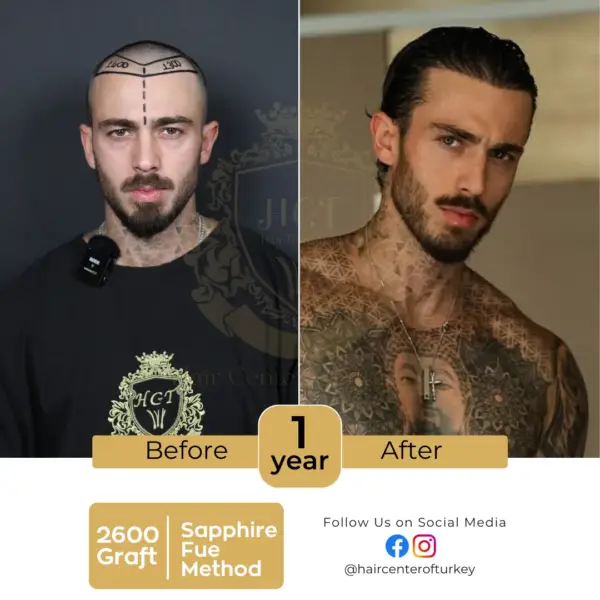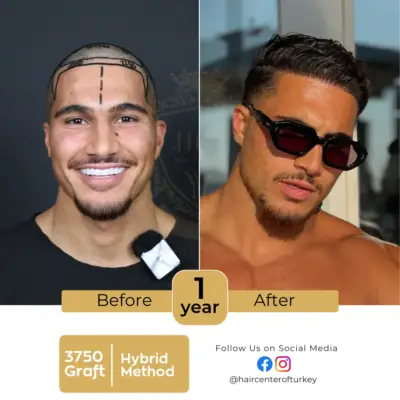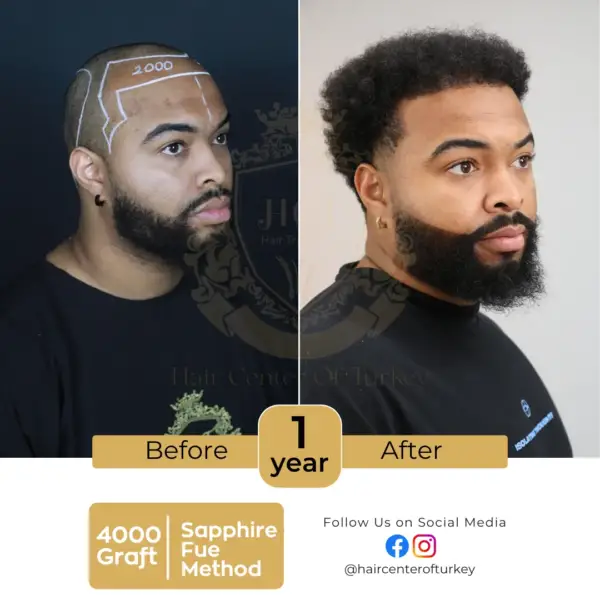


At Hair Center of Turkey, an Istanbul hair transplant clinic established in 2014, our team of three experienced doctors performs more than 3,000 hair transplant procedures each year and regularly advises patients on hair care products and scalp health. One of the questions we hear most often is: “What is hair mousse, and does it cause hair loss?”
The short answer is that hair mousse does not usually cause permanent hair loss when used correctly. Hair mousse is a lightweight styling product designed to add volume, texture, and flexible hold without making the hair feel heavy. According to Dr. Rasime Erkan and the Hair Center of Turkey medical team, most hair-related problems associated with styling products are linked to product buildup, scalp irritation, improper cleansing, or excessive styling rather than the mousse itself. In this guide, our specialists explain what hair mousse is, whether it contributes to hair loss, how to use it safely, and which styling habits help maintain a healthy scalp and stronger hair.
Table of Contents
What Hair Mousse Does (And Doesn’t Do)
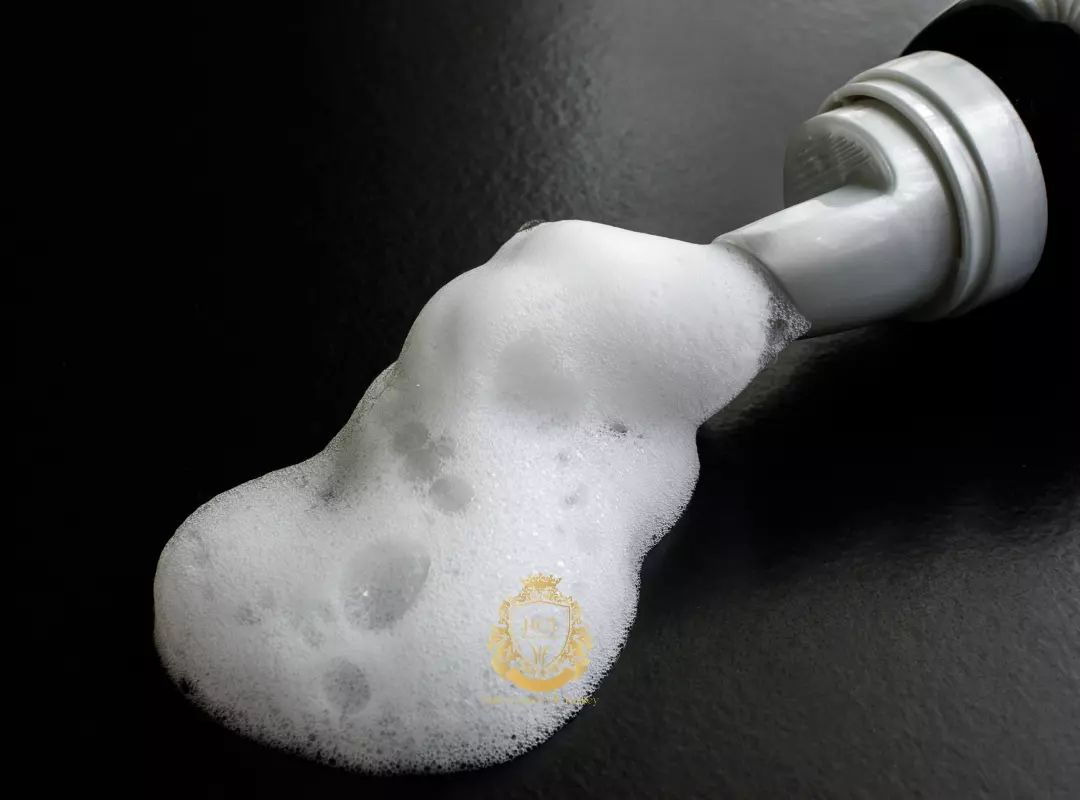
Hair mousse is a styling product, not a hair-growth treatment. It’s designed to add body, lift at the roots, and flexible hold, and it can help curls look more defined. Most formulas also reduce frizz by coating the hair shaft with lightweight film-formers.
Mousse won’t change how fast your hair grows or prevent genetic hair loss. If a product claims it “stops hair loss,” treat that as marketing unless it contains a proven medical active and you’ve discussed it with a clinician.
Common Ingredients In Hair Mousse
Film-formers And Polymers
These ingredients create the “hold” by forming a thin layer around each strand. You’ll often see terms like PVP, VP/VA copolymer, acrylates copolymers, or polyquaterniums on the label. They can make hair look fuller because strands separate and stay lifted.
Conditioning And Moisture Helpers
Many mousses include conditioning agents such as panthenol (pro‑vitamin B5), glycerin, silicones, or lightweight oils. These can improve slip and shine, which helps limit snagging and breakage during styling. If your hair is dry or color-treated, this part of the formula matters.
Alcohols, Fragrance, And Preservatives
Some mousses rely on drying alcohols to evaporate quickly and help set the style. On resilient hair, that’s often fine, but on already-dry or curly hair it can leave strands brittle over time. Fragrance and certain preservatives can also trigger irritation in sensitive scalps.
Can Hair Mousse Cause Hair Loss?
On its own, mousse is unlikely to cause permanent hair loss from the follicle. What people usually notice is breakage (shorter pieces snapping off) or increased shedding because the scalp becomes irritated. Both can make hair look thinner, even though the follicles are still capable of growing hair.
Hair loss has many causes, including genetics, hormones, stress, illness, and some medications. If shedding is sudden, patchy, painful, or lasts longer than a few months, it’s worth getting checked so you’re not blaming the wrong thing.
When Mousse Can Make Hair Look Thinner
Over-drying formulas can lead to brittle ends that snap when you brush, towel-dry, or heat-style. Product buildup can also make hair feel heavy and limp, which reduces volume and can exaggerate the look of thinning.
If mousse triggers itching, redness, flaking, or burning, you might be dealing with irritant or allergic contact dermatitis. In that situation, scratching and inflammation can increase shedding, so stopping the product (and treating the scalp) is the priority.
How To Use Hair Mousse Without Damaging Hair

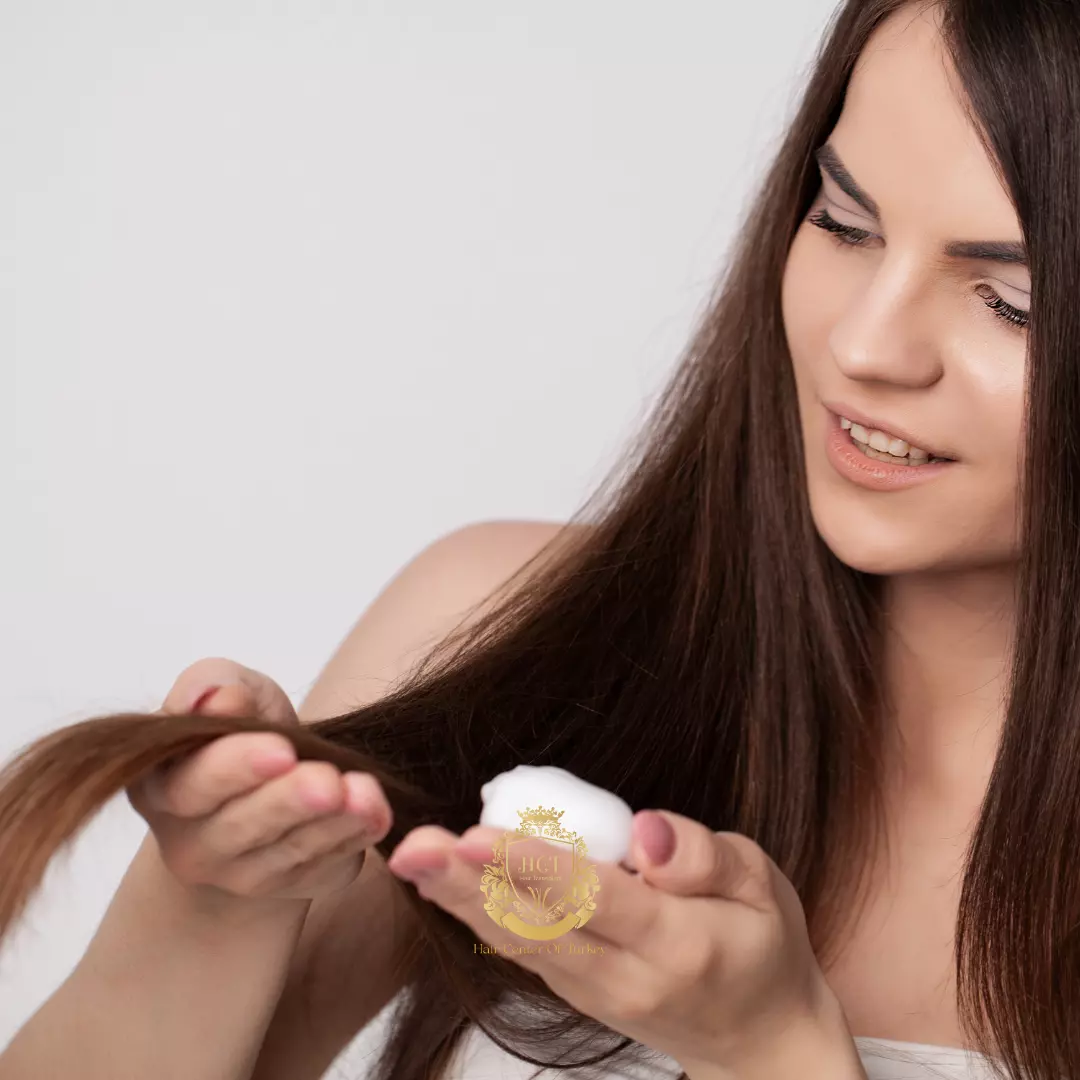
Start with a small amount—about a golf-ball size for shoulder-length hair—and add more only if you need it. Emulsify it between your palms, then apply mainly to the mid-lengths and ends; if you want root lift, tap a little at the roots rather than saturating the scalp.
Distribute evenly with your fingers or a wide-tooth comb, then style as usual. If you blow-dry or use hot tools, keep heat moderate and avoid repeated passes on the same section. Wash regularly so product doesn’t accumulate, especially if you style daily.
How To Choose The Right Mousse For Your Hair Type
Fine Or Easily Weighed-Down Hair
Look for “volumizing” or “lightweight hold” and avoid heavy oils or waxy ingredients high on the list. A strong-hold mousse can work, but use less and focus it near the roots for lift. If hair looks dull quickly, you may need more frequent cleansing.
Curly, Coily, Or Frizz-Prone Hair
Choose curl-defining mousses with conditioning agents (like panthenol or glycerin) and minimal drying alcohol. Apply on very damp hair and scrunch to encourage curl clumps. If you notice crunchy ends, reduce the amount or layer a leave-in conditioner underneath.
Dry, Bleached, Or Color-Treated Hair
Prioritize formulas marketed as “moisturizing” or “alcohol-free,” and avoid anything that leaves hair squeaky or rough. Pair mousse with a gentle shampoo and a conditioner that restores slip. If breakage is the main concern, focus on reducing heat and friction, not just switching styling products.
Sensitive Or Itchy Scalp
Go fragrance-free when possible and avoid applying mousse directly onto the scalp. Patch-test new products on a small area for a few days, then scale up. If irritation keeps returning, a dermatologist can help identify triggers and recommend safer alternatives.
When To See A Dermatologist
Seek professional advice if you notice patchy bald spots, scalp pain, pus-filled bumps, or thick scaling. Also book a visit if shedding is sudden, severe, or doesn’t settle after you stop a suspected product and simplify your routine. A clinician can tell the difference between breakage, inflammation, and true hair loss conditions and suggest targeted treatment.
FAQs
Is hair mousse bad for your hair?
No; proper use is safe, but buildup or alcohol can dry hair.
What is the #1 cause of hair loss?
Androgenetic alopecia—genetics and hormones—is the most common cause of hair loss.
How often does mousse cause hair loss?
Rarely; mousse usually doesn’t cause true hair loss, except with scalp irritation or breakage.
Is it okay to use hair mousse every day?
Yes; daily use is fine if you wash regularly and avoid scalp irritation.
What vitamin is lacking if your hair is falling out?
Vitamin D deficiency is commonly linked, but iron and zinc deficits also matter.
Which is better for your hair gel or mousse?
Mousse is usually gentler and lighter than gel, which can be more drying.
Explore the complete guide: Hair Styling and Color