

What Is The Purpose Of Hair Conditioner, And Does It Cause Hair Loss?
Hair conditioner smooths and protects the hair shaft, making hair softer, easier to detangle, and less prone to breakage. Used correctly, it does not cause true hair loss because it doesn’t affect the follicles. Most “hair loss” noticed after conditioning is normal shedding or breakage, not permanent loss.
Conditioner is one of the simplest ways to improve how your hair looks and feels after washing. It reduces roughness, helps strands slide past each other, and can make styling noticeably easier.
Because conditioner is applied when hair is wet—and shedding hair often releases during washing—it’s common to blame the product when you see strands in the drain. In most cases, the conditioner isn’t the cause. The key is understanding what conditioner can and can’t do, and using a formula that matches your hair and scalp.
Table of Contents
What Is Hair Conditioner, And What Does It Do?
Hair conditioner is typically used to prevent hair loss or enhance hair health. Special formulations in its content may aim to nourish hair roots, strengthen hair strands, and reduce hair loss. The use of a conditioner can help make hair easier to comb, providing a softer and shinier appearance. However, since everyone’s hair structure differs, choosing a conditioner suitable for your hair type is crucial.
Does Hair Conditioner Cause Hair Loss?
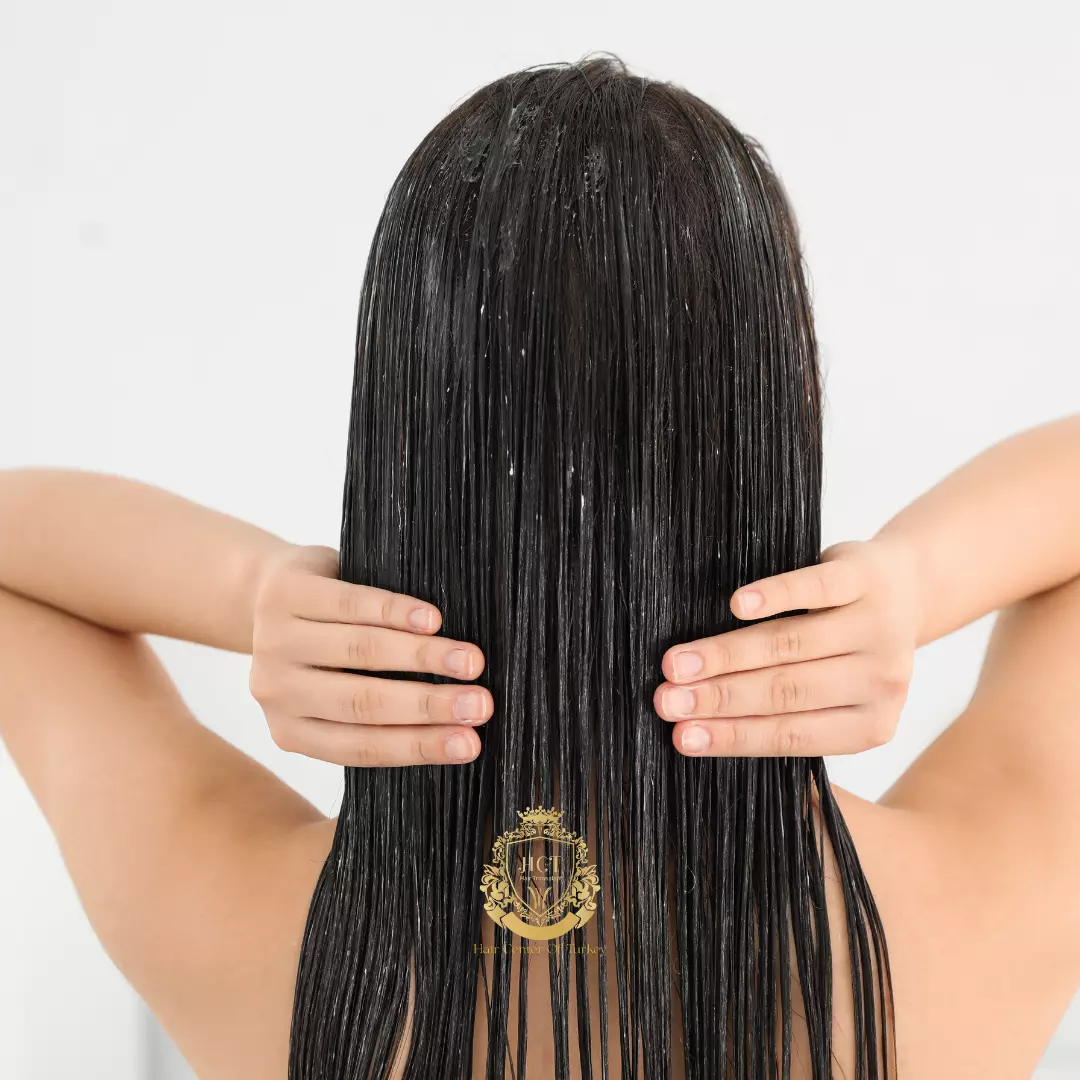
Hair conditioner is a treatment applied after shampooing (or between washes, in the case of leave-in products). Its main job is to coat and soften the hair fiber, especially the cuticle—the outer layer that can become rough from heat, coloring, friction, and weather.
Most conditioners use positively charged conditioning agents that bind to the negatively charged areas of damaged hair. This creates “slip,” so hair detangles with less tugging and less breakage. Many formulas also include humectants and emollients to help hair feel smoother and more hydrated.
Key Benefits Of Hair Conditioner
- Improves softness and shine by smoothing the cuticle.
- Reduces tangles, making combing and styling easier.
- Helps limit breakage caused by brushing and friction.
- Tames frizz by reducing static and rough texture.
- Supports chemically treated hair by improving manageability.
Does Hair Conditioner Cause Hair Loss?
In general, no. Conditioner works on the hair shaft—not the follicle, which is where true hair loss begins. When people notice more hair in the shower after conditioning, it’s usually because wet hair sheds more visibly and conditioner helps loosen hairs that were already ready to fall.
When Conditioner Can Seem Linked To Shedding
- Normal shedding becomes more noticeable: Many people shed 50–100 hairs a day, and a good wash can release several days’ worth at once.
- Breakage looks like hair loss: A heavy or mismatched conditioner can leave hair limp and easier to overstretch, especially if you detangle aggressively.
- Scalp irritation: Fragrance, preservatives, or botanical extracts can trigger irritation or allergic contact dermatitis in sensitive people, which may worsen shedding.
- Product buildup and residue: Not rinsing well (or layering multiple leave-ins) can cause itching or follicle irritation, making the scalp feel unhealthy.
If you develop burning, itching, flaking, tenderness, or a rash—especially around the hairline, ears, or neck—stop the product and switch to a gentle, fragrance-free option. See a dermatologist if symptoms persist, if shedding is sudden or patchy, or if you notice thinning that continues for more than a few weeks.
What Ingredients Should A Hair Conditioner Contain?
The best conditioner depends on your hair’s texture, damage level, and how often you heat-style or color it. Look for a balance of smoothing agents (for slip) and lightweight moisturizers (for softness) so hair feels conditioned without feeling coated.
Ingredients That Support Healthy Hair
- Fatty alcohols (such as cetyl or stearyl alcohol) to soften without dryness.
- Conditioning agents (such as behentrimonium chloride) for detangling and slip.
- Humectants (glycerin, panthenol) to help hair feel hydrated.
- Proteins (hydrolyzed keratin, silk protein) for damaged hair that needs reinforcement.
- Plant oils and butters (argan oil, jojoba, shea) for extra nourishment—best for dry or coarse hair.
Ingredients To Be Cautious With If You Have A Sensitive Scalp
- Fragrance (including essential oils) if you’re prone to irritation or allergies.
- Strong preservatives you’ve reacted to before—patch testing can help identify triggers.
- Very heavy silicones if your hair gets weighed down easily (you may prefer a lightweight or clarifying routine).
No single ingredient list is “good” or “bad” for everyone. If you’re unsure, start with a simpler formula and introduce richer products gradually so you can tell what your hair and scalp tolerate well.
Tips For Using Hair Conditioner
1. Choose a conditioner that matches your hair type (fine, curly, color-treated, damaged, or oily at the roots).
2. After shampooing, squeeze excess water from your hair so the conditioner can coat evenly.
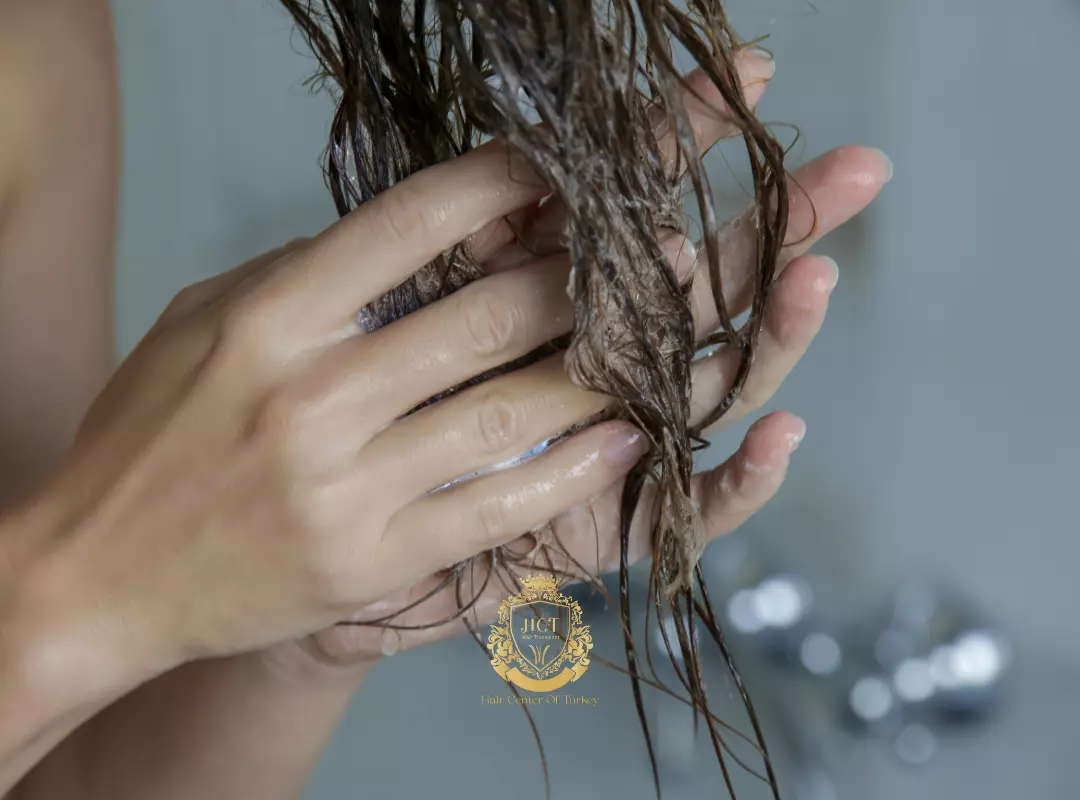
3. Apply primarily from mid-lengths to ends. If you have fine or straight hair, keep it off the scalp; if your hair is very dry or curly, you can use more through the lengths.
4. Detangle gently with fingers or a wide-tooth comb while the conditioner is in—never yank through knots.
5. Rinse thoroughly unless it’s a leave-in formula. Residue can leave hair dull and can irritate some scalps.
6. Use a deep conditioner or mask once a week if your hair is bleached, heat-styled often, or feels rough.
With the right formula and technique, conditioner is one of the easiest ways to keep hair looking healthy and reduce breakage over time. If shedding is your main concern, focus on gentle handling in the shower and address scalp irritation early—those two steps make the biggest difference.
Frequently Asked Questions
Is my conditioner causing hair loss?
Unlikely; conditioner rarely causes true hair loss, unless scalp allergy or breakage.
Does using hair conditioner cause hair fall?
No; conditioner use doesn’t cause hair fall, unless it irritates your scalp.
What is the Big 3 for hair loss?
Finasteride, minoxidil, and ketoconazole shampoo are the common “Big 3” for hair loss.
Should I stop using conditioner if my hair is thinning?
No; stop only if itching, rash, allergy, or heavy buildup worsens shedding.
What vitamin is lacking if my hair is falling out?
Vitamin D deficiency is common; iron deficiency is also a frequent contributor.
Explore the complete guide: Hair Care and Products