

Sapphire FUE Vs DHI Hair Transplant
Sapphire FUE and DHI are two modern hair transplant techniques that mainly differ in how grafts are placed. Sapphire FUE uses sapphire blades to create recipient channels before implantation, while DHI places grafts directly using a Choi implanter pen. The right choice depends on your hair loss pattern, graft count, and desired density.
Table of Contents
Hair Transplant Techniques At A Glance
Hair transplantation is a surgical procedure designed to restore hair in areas affected by thinning or baldness. Today, clinics can also use similar approaches for eyebrows, beard, and moustache transplantation when appropriate.
Results, recovery, and the planning process depend on the technique, the number of grafts, donor capacity, and scalp characteristics. A hair transplant specialist typically determines the most suitable method after a consultation, scalp analysis, and medical assessment.
If you want more background before choosing a method, it helps to review common causes of hair loss and how they affect treatment planning.
What Is Sapphire FUE And How Does It Work?
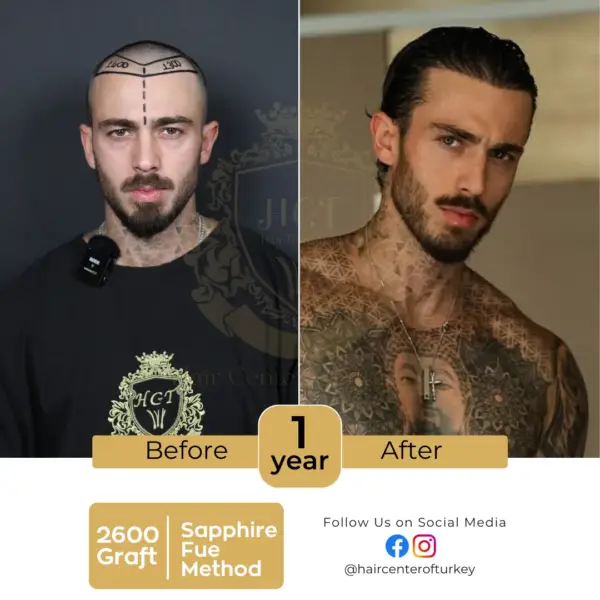
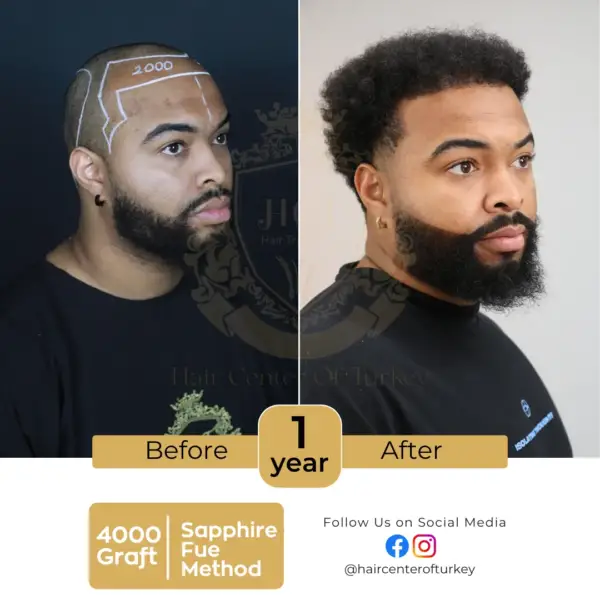
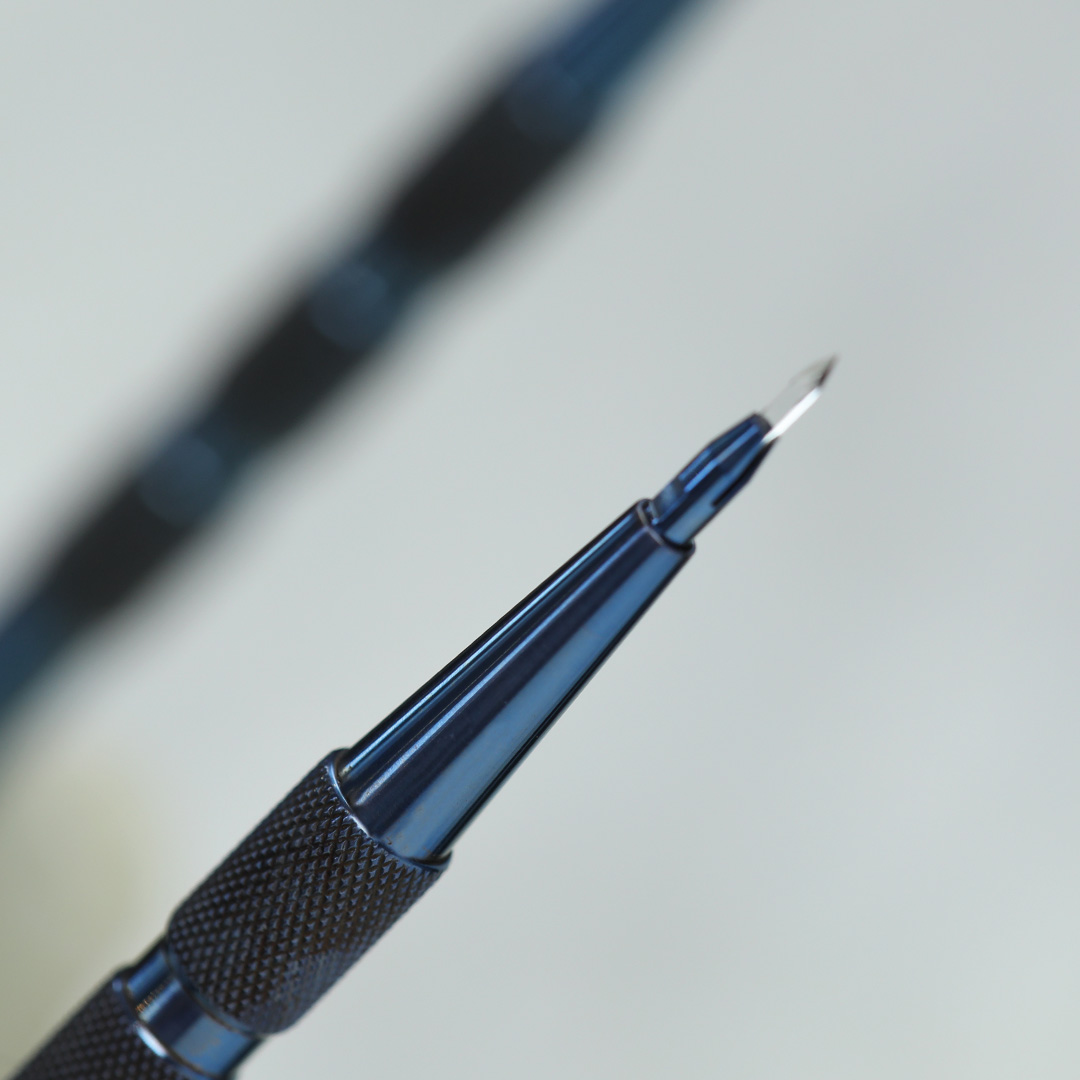
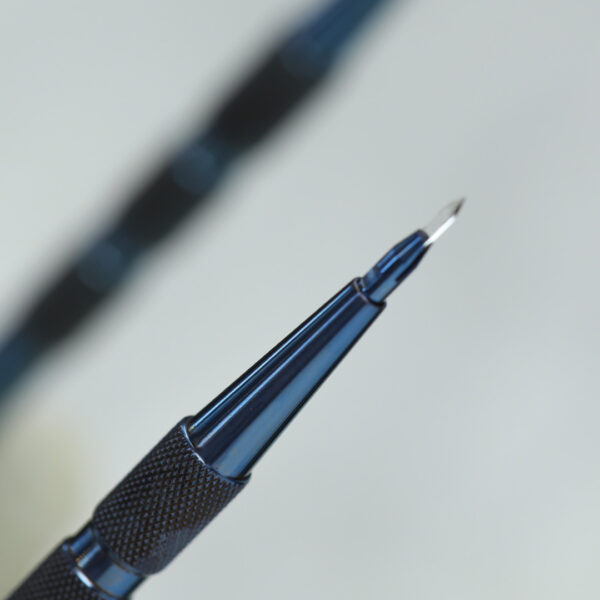
Sapphire FUE is a variation of the FUE technique that uses sapphire-coated blades when creating the recipient channels. The goal is to support precise channel creation, which influences the angle, direction, and distribution of transplanted hair.
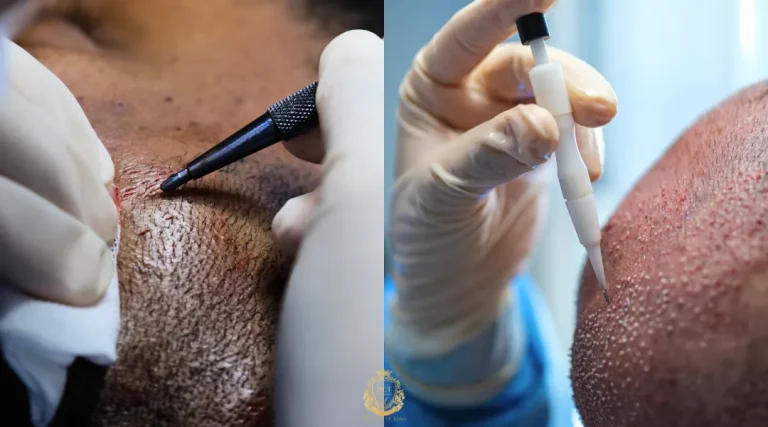
In a typical Sapphire FUE procedure, grafts are extracted from the donor area using micro punches. The recipient channels are then created using sapphire blades, and grafts are implanted into those channels.
Potential Benefits Of Sapphire FUE
Sapphire blades are often associated with clean, precise incisions, which may help reduce tissue trauma in the recipient area. Many clinics also value the material’s smooth surface and ease of handling during channel creation.
Other commonly cited benefits include:
- Smaller channel sizes, which may support a smoother healing process
- Channel control that helps plan direction and distribution
- Efficient graft placement for larger coverage areas in one session (when clinically appropriate)
What Is DHI And How Is It Performed?
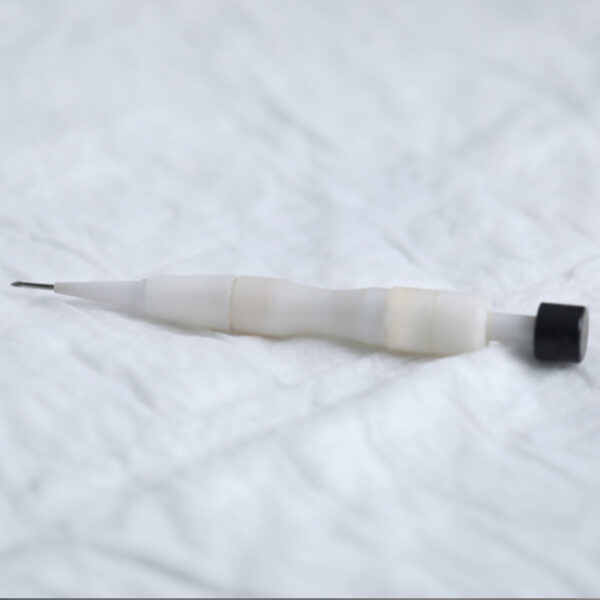
DHI (Direct Hair Implantation) uses a Choi implanter pen to place grafts directly into the recipient area. Instead of opening channels first, the pen allows the team to implant grafts in a controlled manner during placement.
After local anaesthesia, grafts are extracted from the donor area. The team then loads grafts into the implanter pen and places them into the recipient area. Procedure length varies based on graft number, team experience, and case complexity.
Potential Benefits Of DHI
DHI is often chosen when a patient’s plan prioritizes dense placement in smaller areas, such as the hairline or crown touch-ups. It may also be preferred by some patients who want an option that can be performed without shaving in suitable cases.
Commonly discussed advantages include:
- Direct implantation that can support controlled angle and depth
- Shorter time grafts stay outside the body during placement in many workflows
- Dense placement in smaller or targeted areas
- Unshaven options may be possible depending on hair type and case plan
Keep in mind that costs can be higher for DHI, and outcomes rely heavily on the skill of the medical team and graft handling quality.
Sapphire FUE Vs DHI: The Main Differences
1) Channel Opening Vs Direct Implantation
- Sapphire FUE: Channels are created first, then grafts are placed.
- DHI: Grafts are placed directly with a Choi pen, without pre-opening channels in the same way.
2) Density And Coverage Approach
- DHI is often used for denser work in smaller zones.
- Sapphire FUE can be advantageous when planning higher graft numbers across broader areas in a single session.
3) Graft Handling Time
In many DHI workflows, grafts may spend less time waiting in solution before implantation compared with traditional approaches. This is one reason clinics may recommend DHI for certain cases.
4) Shaving Options
Unshaven transplantation can be possible with DHI in suitable patients. It is not exclusive to DHI, though, and shaving decisions depend on the plan, donor area, and graft count.
Which One Should You Choose?
There is no single “best” method for everyone. The right technique depends on your hair loss pattern, scalp condition, donor quality, hair characteristics, and the number of grafts needed.
Many clinics tend to consider:
- Sapphire FUE when broader coverage and higher graft numbers are planned in one session
- DHI when focused density is needed in smaller zones or when unshaven planning is a priority (if suitable)
A consultation with a qualified hair transplant specialist is the most reliable way to confirm the safest and most suitable approach for your case.
FAQ.
Why is DHI more expensive than FUE?
DHI costs more because implanter-pen consumables and staffing increase procedure time and cost.
Which is better, DHI or Sapphire?
Neither is inherently better; outcomes depend mainly on surgeon skill, planning, and graft handling.
What is the difference between sapphire fue and DHI?
Sapphire FUE uses sapphire blades to create recipient sites; DHI uses an implanter pen.
Does Sapphire FUE heal faster?
Healing is similar; sapphire incisions may reduce tissue trauma but don’t guarantee faster recovery.
What is the success rate of Sapphire hair transplantation?
Experienced clinics often achieve about 90–95% graft survival, but results vary by patient.
Explore the complete guide: Hair Transplant Techniques