

Shock Loss After Hair Transplant
- Kuruluş: 2014
- Doktor Kadrosu: 3 Doktor
- Yıllık Operasyon: 3.000+
Hair Center of Turkey, 2014 yılında kurulan ve yılda 3.000’in üzerinde saç ekimi operasyonu gerçekleştiren 3 kişilik bir doktor kadrosuna sahip bir kliniktir. Bu deneyimle, shock loss genellikle geçici bir aşamadır ve iyileşme sürecinin normal bir parçasıdır.
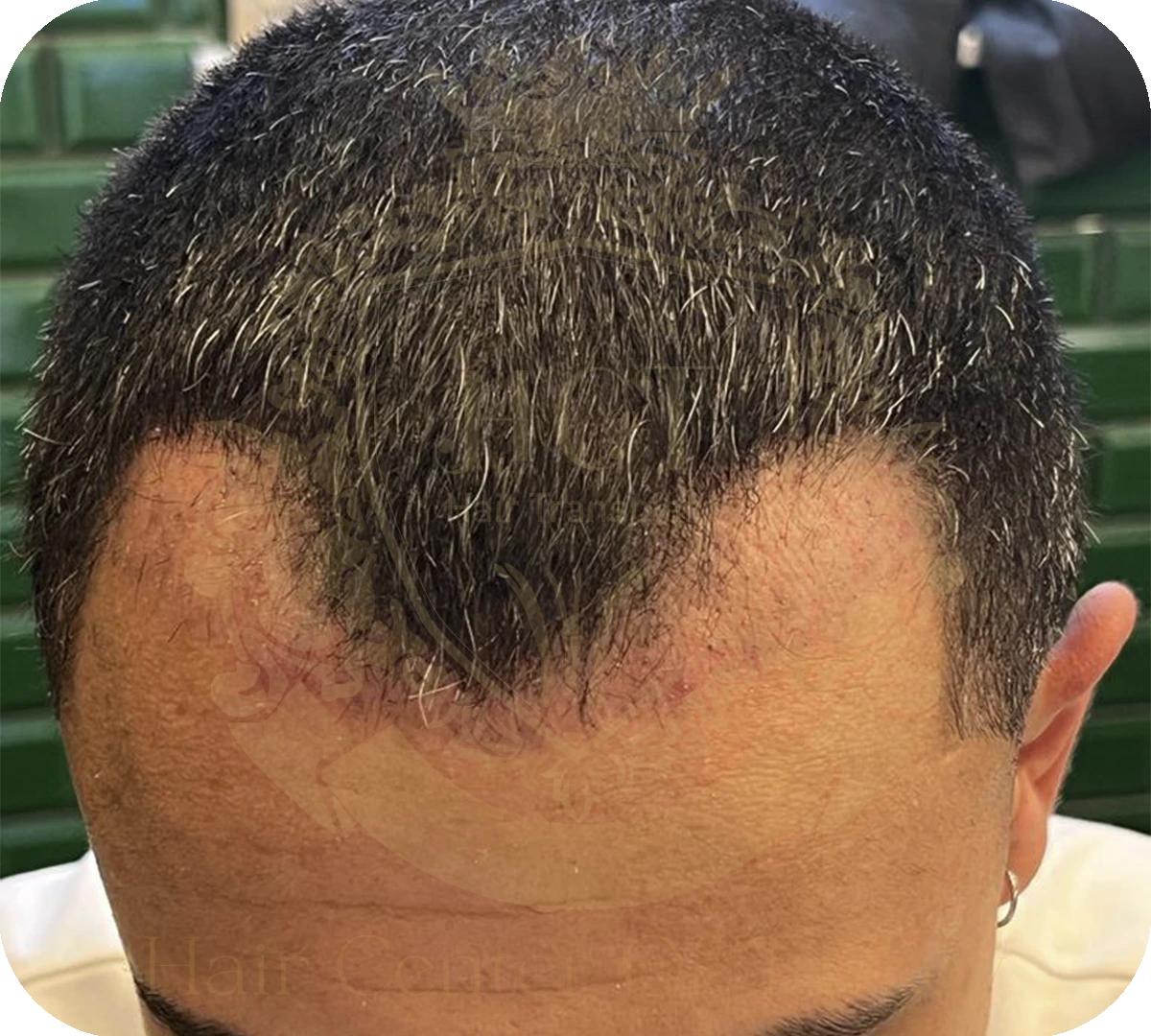
Shock loss (shock shedding) is temporary hair shedding that can happen after a hair transplant, usually starting within the first few weeks. The hairs you see falling out are typically the shafts, while the follicles stay under the skin and restart growth later. New growth often becomes noticeable around months 3–4, then steadily improves over the following months.
Table of Contents
What Is Shock Loss After A Hair Transplant?
Shock loss is a temporary shedding phase that can affect transplanted hairs and sometimes nearby native hairs. It happens because the scalp has been through a procedure, and some follicles briefly shift into a resting phase before returning to growth. In medical terms, this is often described as a form of telogen effluvium triggered by surgical stress.
The key point: shedding looks dramatic, but it usually doesn’t mean the transplant has failed.
Why Does Shock Loss Happen?
Shock Loss vs. Normal Shedding
Shock loss and normal (everyday) shedding can look similar, but the pattern is different. Everyday shedding is gradual — you lose a small number of hairs per day as part of the natural growth cycle. Shock loss, on the other hand, is a short, concentrated wave of shedding tied directly to the trauma of the procedure. It shows up faster, feels more noticeable, and settles down once the follicles move past the resting phase. If shedding keeps increasing well past the first couple of months instead of leveling off, that’s a signal to check in with your clinic rather than assume it’s still shock loss.
Native Hair Shock Loss Risk
Shock loss doesn’t only affect the transplanted grafts — hairs already growing in and around the recipient area (your native hair) can shed too. This usually happens when the surgical trauma or swelling temporarily disturbs nearby follicles, even ones that weren’t touched directly. The risk is generally higher in patients who already had thinning native hair before surgery, since those follicles are more sensitive to stress. The good news is that native shock loss follows the same recovery pattern: the hair typically regrows once the follicle cycles back into an active growth phase.
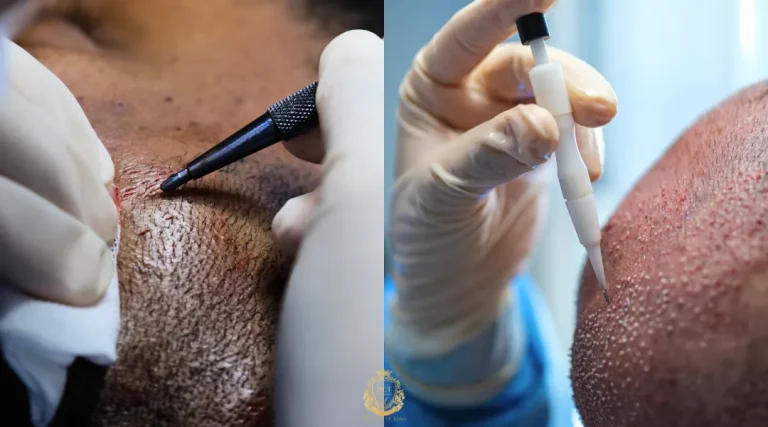
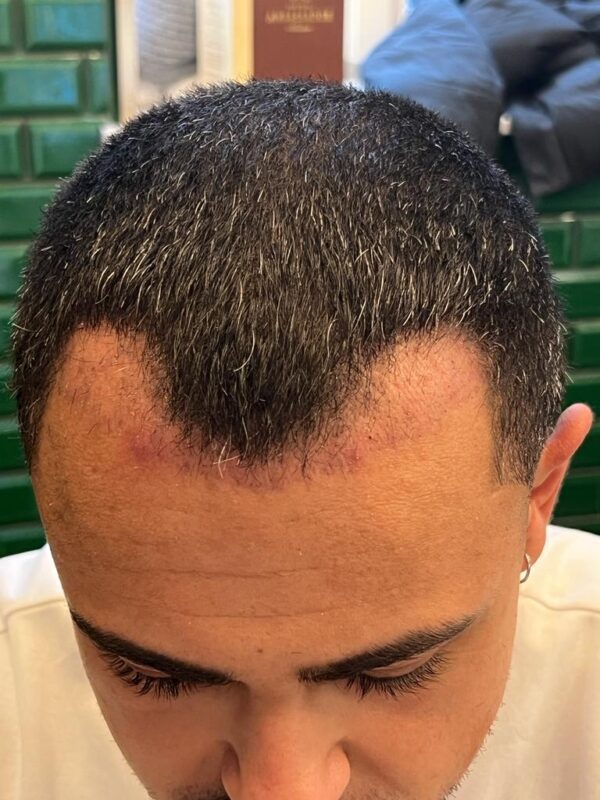
A hair transplant involves extracting grafts and creating recipient sites, which can cause short-term inflammation and changes in local blood flow. That stress can push some follicles into a resting (telogen) phase, leading to shedding of the visible hair. After the scalp settles, follicles cycle back and begin producing new hair again.
Shock loss can vary from person to person. Some people notice mild shedding, while others experience a more noticeable “thin” phase.
When Does Shock Shedding Start?
Most people who experience shock loss notice it around 2–6 weeks after the procedure, though timing can vary. Some clinics describe a broader window that can extend closer to 8 weeks, depending on healing and individual hair-cycle differences.
How Long Does Shock Loss Last?
The shedding itself often lasts a few weeks, but the “waiting period” afterward can feel longer because follicles may remain quiet before restarting. Many patients begin to see new growth around months 3–4, with more visible improvement in the months that follow.
Hair transplant results build gradually. For many people, density and texture continue to improve well beyond the early regrowth stage.
Does Shock Loss Mean The Grafts Failed?
The First 30 Days: What to Expect
Recovery timelines vary by patient, but most people follow a similar pattern in the first month. Here’s a general guide — your clinic’s specific instructions always take priority.
- Days 1–3: Mild swelling and redness in the recipient area; tiny scabs start to form around each graft.
- Days 4–7: Scabs continue to form and harden; the scalp is still sensitive, washing should stay gentle.
- Days 7–14: Most scabs shed naturally; the transplanted hairs underneath are still secure in the follicle.
- Weeks 2–4: This is the typical window for shock loss to begin — shedding of the hair shaft, not the follicle.
- Around week 4: Redness and visible signs of the procedure usually fade; the scalp looks close to normal, even though new growth hasn’t started yet.
What Not to Do During Recovery
A few common mistakes can slow healing or increase irritation during the shock loss phase.
- Don’t pick at scabs or scratch the recipient area, even if it itches.
- Don’t expose the scalp to direct sun without a hat once your clinic allows head covering.
- Don’t resume heavy exercise, swimming, or sauna use before your surgeon clears you.
- Don’t judge results too early — density at week 4 or 5 says little about the final outcome.
- Don’t start new hair products or medications without checking with your clinic first.
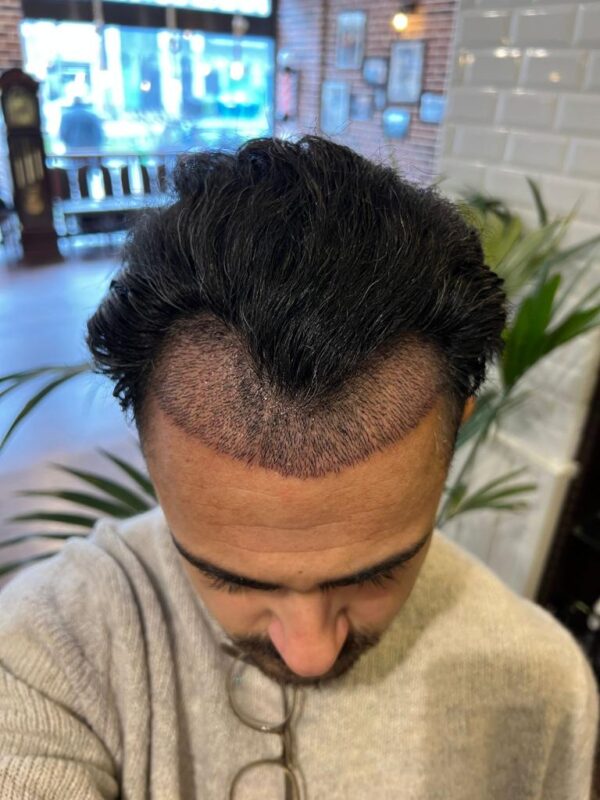
In most cases, no.
What usually falls out is the hair shaft, while the follicle (root) remains under the skin and later produces a new hair. This is why shock loss is often described as a normal part of the post-op timeline rather than a sign of poor graft survival.
What You Can Do To Support Recovery
Follow your clinic’s aftercare plan closely, especially during the first few weeks.
- Be gentle with washing and avoid aggressive rubbing or scratching.
- Avoid tight hats or anything that puts friction on the recipient area early on.
- Pause intense exercise until your surgeon clears you, since sweat and friction can irritate healing skin.
- Ask before using products like minoxidil or prescription treatments, since timing depends on your medical profile and clinic protocol.
If you’re unsure whether what you’re seeing is normal, a quick check-in (photos + a brief update) often saves a lot of stress.
When To Contact Your Clinic
Reach out promptly if you notice:
- Increasing redness, warmth, swelling, or worsening pain
- Pus-like discharge, spreading crusting, or a bad smell
- Fever or feeling unwell
- Sudden, patchy loss with significant scalp tenderness
These signs don’t automatically mean something serious, but they do deserve professional review.
FAQ
How to stop shock hair loss after transplant?
You can’t fully stop it; follow aftercare and consult minoxidil/finasteride if appropriate.
How to reduce shock loss?
Reduce it by gentle care, avoiding trauma, controlling inflammation, and treating underlying thinning.
What is native hair shock loss after hair transplant?
Native shock loss is temporary shedding of your existing hairs near the transplanted area.
Does shock loss after hair transplant occur only once?
Usually it’s a single temporary episode, but ongoing shedding can reflect progressive hair loss.
When does shock loss after hair transplant occur?
It most often occurs 2–8 weeks after surgery, sometimes up to 3 months.
Explore the complete guide: Recovery Process After Hair Transplant