

There’s a specific frustration that comes with oily hair. You wash in the morning, and by late afternoon your roots already look damp. Maybe you’ve tried clarifying shampoos. Maybe you’ve cut back to every other day. Nothing sticks. The scalp does what it wants — and most generic advice treats the symptom, not the source. So here’s a more honest look at what actually helps, and where most people spend money chasing the wrong fix.
What’s really going on at the scalp
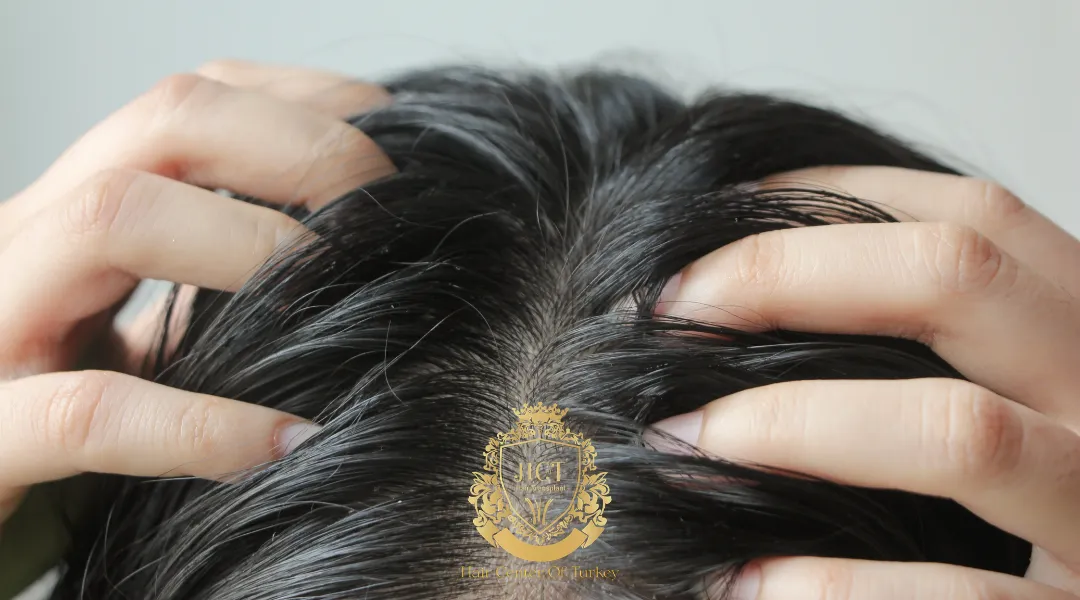
Sebum isn’t the enemy. It’s a protective oil your scalp produces to keep strands hydrated and your skin barrier calm. The problem starts when production runs hot. Genetics, hormones, harsh products, an overstimulated scalp — any of these can push the sebaceous glands into overdrive. Before changing your entire routine, it helps to understand what your scalp is actually reacting to. A heavy scalp in your twenties and a heavy scalp after forty usually have very different drivers, even if the surface symptom looks identical.
Table of Contents
Why washing more often usually backfires
This might be the single most common mistake. People assume more shampoo equals less oil. In practice, aggressive daily washing strips the scalp’s natural barrier, and the glands respond by producing even more sebum to compensate. It’s a loop. And it tends to get worse before it gets better if you don’t step out of it carefully. So no — washing twice a day isn’t the answer. It’s usually part of the problem.
Building an oily hair care routine that works
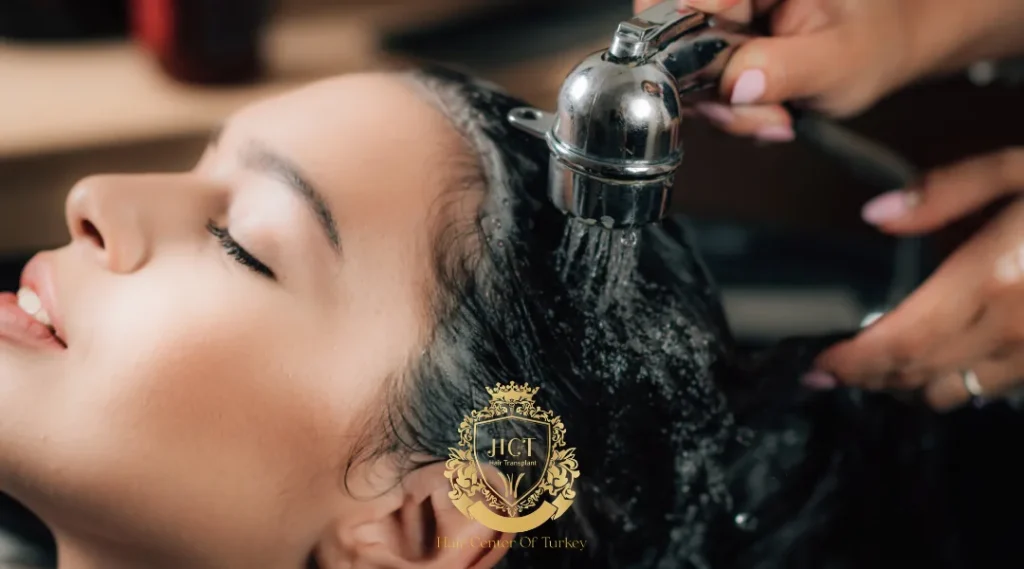
A good oily hair care routine isn’t about stripping. It’s about balancing. Most scalps respond well to something like:
- A gentle, sulfate-light shampoo 3 to 4 times a week
- A clarifying wash once every 10 to 14 days, not more
- Conditioner only from mid-lengths to ends, never on the roots
- A cool final rinse to calm scalp stimulation
The pattern matters more than the products themselves. Consistency beats intensity. You’re not trying to shock your scalp into behaving — you’re slowly asking it to recalibrate.
Ingredients worth paying attention to
Not every “oil control” label does what it claims. Some ingredients genuinely help regulate sebum and support a calmer scalp. Others just mask the problem for a few hours before your hair looks greasy again.
Worth looking for:
- Salicylic acid for gentle exfoliation
- Niacinamide for scalp balance
- Zinc PCA
- Rosemary extract
- Tea tree in low concentrations
Worth skipping: heavy silicones on the roots, overly fragranced formulas, and anything that leaves a slick coating after rinsing. If your hair feels weighed down while clean, the product is doing too much.
Heat, styling, and everyday habits
Touching your hair during the day transfers oil from your hands straight onto the strands. Tight hats trap heat and stimulate the glands. Daily high-heat styling irritates the scalp and pushes it further out of balance. None of these ruin your hair on their own. But stacked together, they make oily hair far harder to manage than it needs to be. Small habits matter more than most people give them credit for.
The invisible triggers — stress, diet, hormones
A lot of scalp oiliness isn’t really a hair problem. It’s a body problem showing up through the hair. Cortisol spikes during stressful months. Insulin swings from sugar-heavy weeks. Androgen shifts during puberty, pregnancy, or postpartum. All of these change sebum output in ways no shampoo can override. If your scalp suddenly feels heavier than it used to, sometimes the answer isn’t in a new product. It’s in the last few months of your life — sleep, meals, quiet tension, whatever else has shifted without you noticing.
When oily scalp overlaps with hair loss concerns
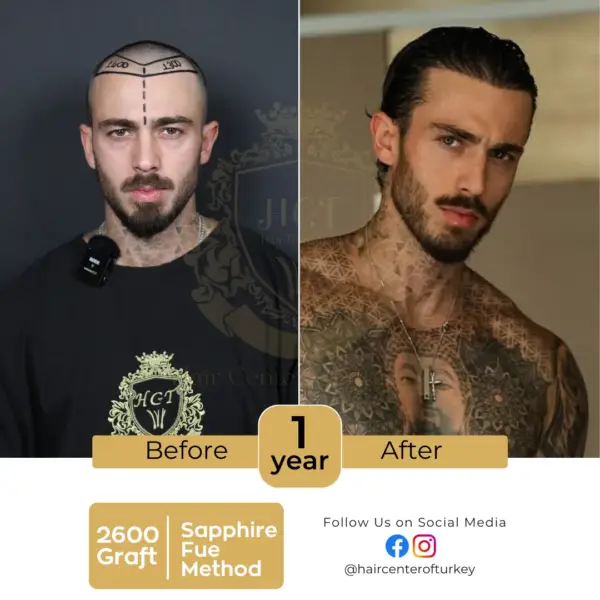
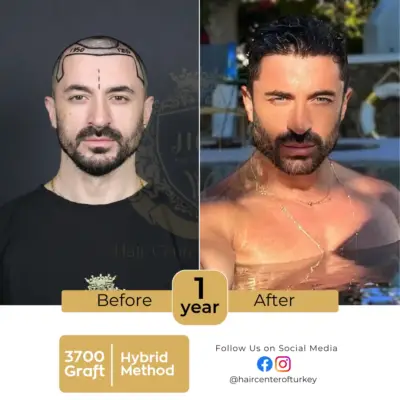
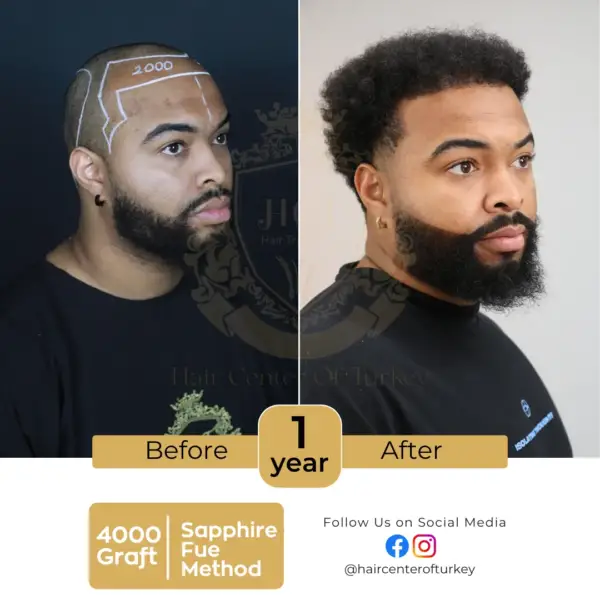
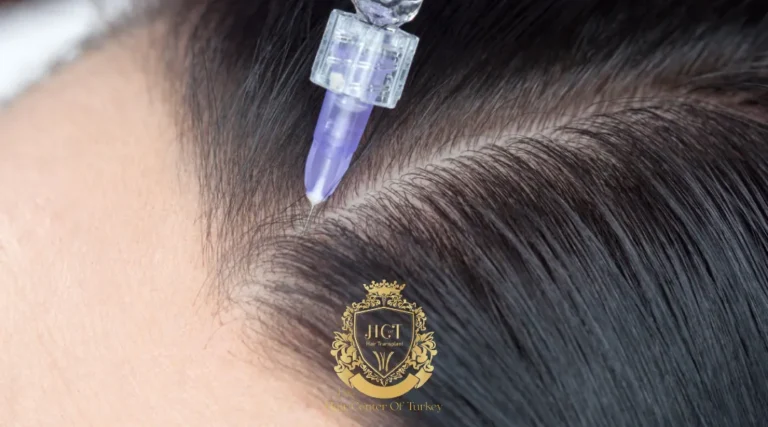
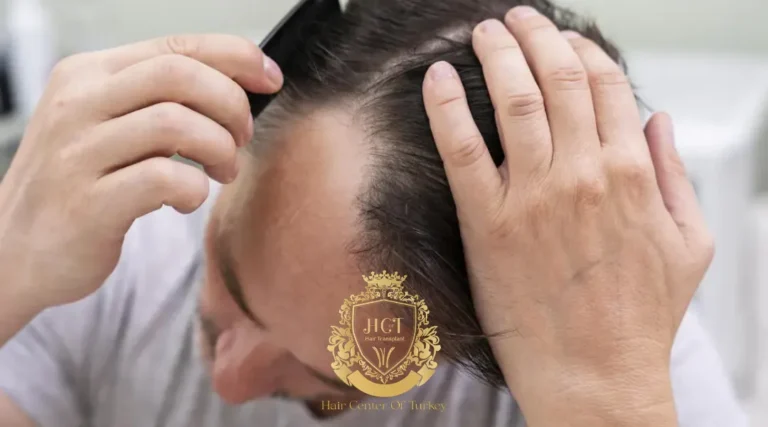
Persistent oiliness together with thinning, shedding, or a receding front deserves closer attention. Excess sebum on its own doesn’t cause hair loss, but it often appears alongside androgenetic patterns, scalp inflammation, or early follicle miniaturization. In structured clinics such as Hair Center of Turkey, the process tends to begin with a detailed scalp and donor area analysis rather than a rushed recommendation — precisely because oily scalps and thinning patterns can be entangled in ways a shampoo alone won’t untangle. For patients traveling from abroad, this usually starts with an online consultation and a clear plan before the flight to Istanbul is even booked.
Simple habits that support oily hair care long-term
Quiet habits make a bigger difference than dramatic product changes:
- Switch pillowcases every 2 to 3 days
- Rinse thoroughly — leftover residue often gets misread as oil
- Brush with a clean, dry tool before showering to move natural oils down the shaft
- Let your hair air-dry when possible
- Keep leave-ins off the scalp itself
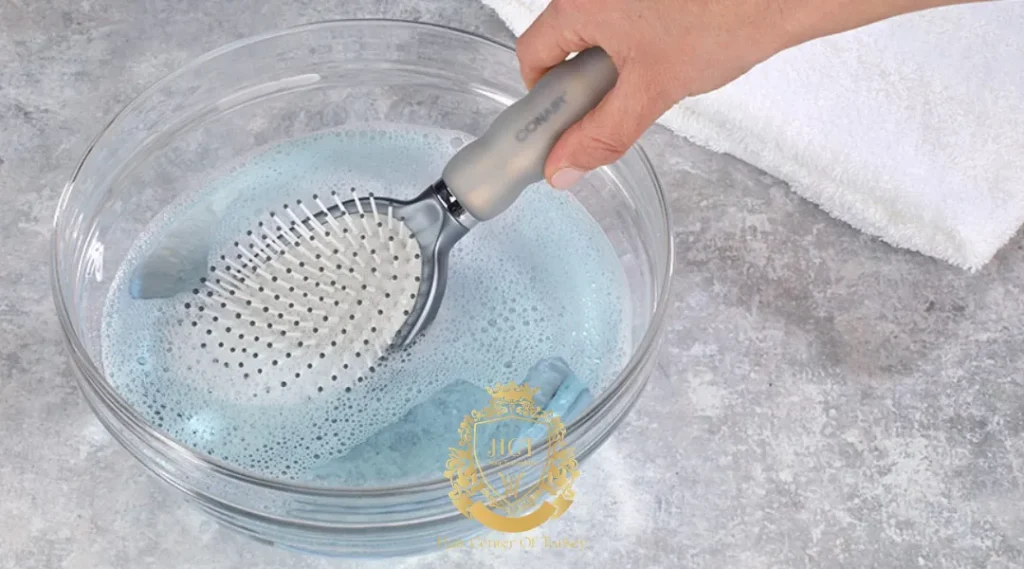
- Clean your hairbrush weekly
Small, boring, repeatable. That’s how a calmer scalp actually gets built. Not in a week. Usually over two or three months of quietly doing the less exciting thing.
Final Thoughts
Oily hair responds slowly. You won’t see a dramatic shift in three days, and that’s normal. What you’re doing is teaching the scalp to produce less, and that takes weeks — sometimes months — of steady care. For anyone whose oiliness feels tied to hair density, shedding patterns, or a changing hairline, a proper consultation is worth far more than another clarifying shampoo on the shelf. A clinic like Hair Center of Turkey approaches these cases with structured planning, careful donor analysis, and realistic communication rather than blanket advice — which is often exactly what a tired, overworked scalp needs before anything else.
FAQ
How often should I wash oily hair?
Most scalps respond best to 3 to 4 washes a week with a gentle, sulfate-light shampoo, plus a clarifying wash roughly every 10 to 14 days. Aggressive daily washing tends to make oiliness worse, not better, because it pushes the glands to overcompensate.
Can I train my scalp to produce less oil by washing less often?
To some extent, yes. Gradually spacing out washes — not cutting back suddenly — allows sebum production to settle. The transition usually takes 4 to 8 weeks, and it only works if the rest of the routine is gentle enough to support it.
Does an oily scalp cause hair loss?
Excess sebum on its own doesn’t cause hair loss. But persistent oiliness often shows up alongside inflammation, dandruff, or androgenetic thinning, and those do affect the follicle. If shedding is increasing, it’s worth having a specialist review both issues together.
Is dry shampoo safe for oily hair?
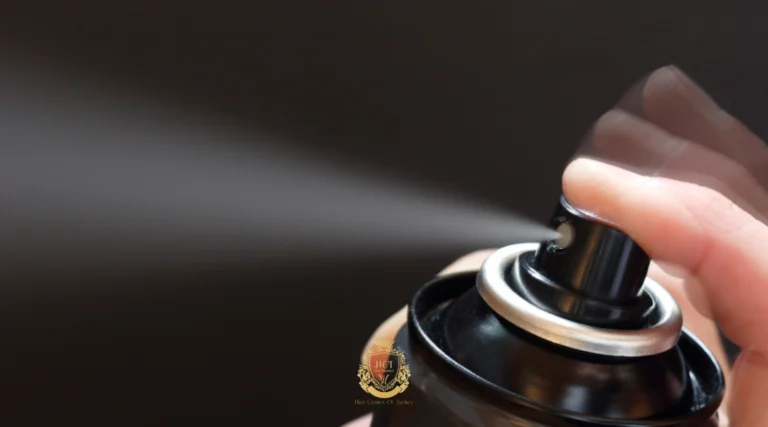
Occasional use is fine. Daily use is a problem. Dry shampoo absorbs surface oil but doesn’t actually remove anything — residue builds up on the scalp and can worsen irritation over time. Treat it as a backup tool, not a routine.
When should I consult a clinic about my oily scalp?
If oiliness comes with visible thinning, a shifting hairline, persistent scalp irritation, or unusual shedding, a proper evaluation is worth it. Clinics such as Hair Center of Turkey begin with a scalp and donor area analysis to understand whether oil control alone is the right focus, or whether something deeper is driving the change.
Explore the complete guide: Hair Care and Products