

Exosome therapy keeps showing up in hair clinic brochures, social posts, and patient consultations. Some people swear by it. Others walk away unsure whether they paid for science or for hype. Either way, one question quietly follows the trend everywhere: is this actually safe?
That’s a fair thing to ask. Anything injected into the scalp deserves a careful look, not a marketing slide.
What Exosome Therapy Actually Is
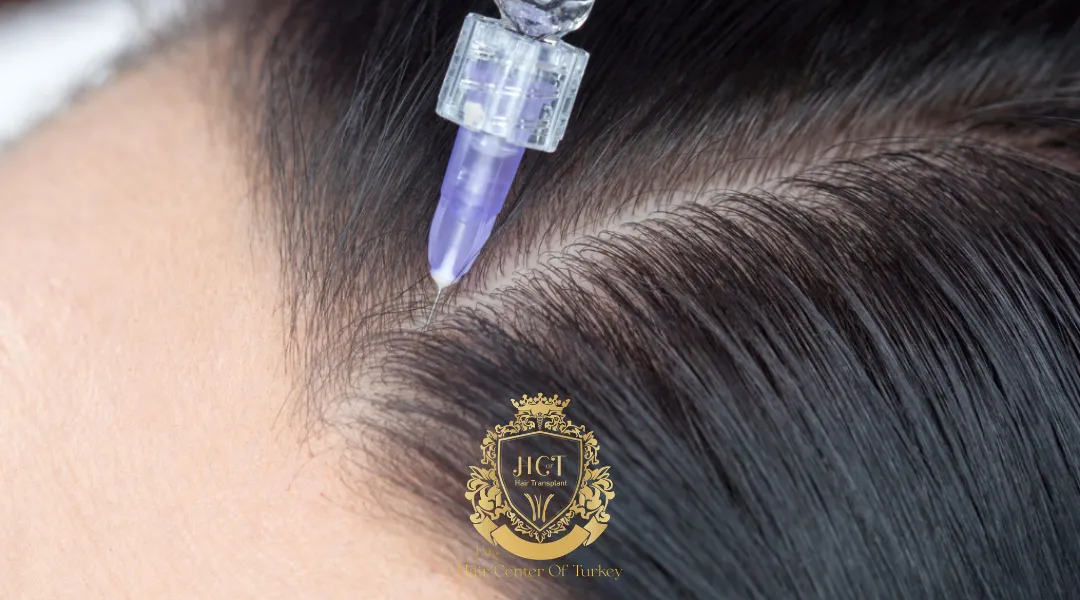
Exosomes are tiny vesicles released by cells. Think of them as messengers. They carry proteins, lipids, and genetic signals between cells, and in hair clinics they’re usually derived from stem cells (often of human or plant origin) and injected into the scalp to support the follicular environment.
Table of Contents
The pitch is straightforward. Better signaling around weakened follicles. Improved local conditions. A possible boost for thinning areas, especially when paired with other treatments. The reality is more nuanced, and that’s where the conversation about risk begins.
Why the Safety Question Keeps Coming Up
Exosome therapy sits in a strange regulatory zone. In many countries it’s offered as a clinical service, but it isn’t approved as a finished pharmaceutical product the way, say, finasteride is. The FDA has openly warned about unapproved exosome products being marketed for various conditions.
So the risk isn’t always the molecule itself. Often, it’s everything around it: source quality, storage, preparation, who’s injecting, and under what conditions. A reputable clinic treats those details seriously. A careless one treats them like an afterthought.
Common Side Effects Patients Report
Most reactions are mild and short-lived. Still, they’re worth knowing before your first session.
- Redness and tenderness at the injection sites for 24 to 48 hours
- Mild swelling, especially along the hairline
- Itching or a tight scalp feeling during the first day
- Small bruises in sensitive areas
- A short-term headache after the session
These usually fade quickly. They’re the kind of things you’d expect from any micro-injection procedure. Not pleasant, but not alarming either.
The Less Talked-About Risks
The bigger concerns aren’t the bruises. They’re the ones nobody puts on the brochure.
Infection is rare but possible whenever a needle meets the scalp. Allergic reactions to carrier solutions can occur, particularly if the patient has a history of sensitivities. There’s also the issue of unverified product origin — if a clinic can’t tell you exactly where the exosomes come from, how they were processed, and how they’re stored, that’s a red flag worth taking seriously.
And then there’s the harder question. Long-term data on exosome therapy in hair restoration is still limited. Most studies are small, short, or industry-funded. So while early signals look promising, anyone claiming guaranteed results is overselling.
Who Should Think Twice Before Booking
Not every scalp is a good candidate. A responsible consultation will rule certain people out, or at least pause before going ahead.
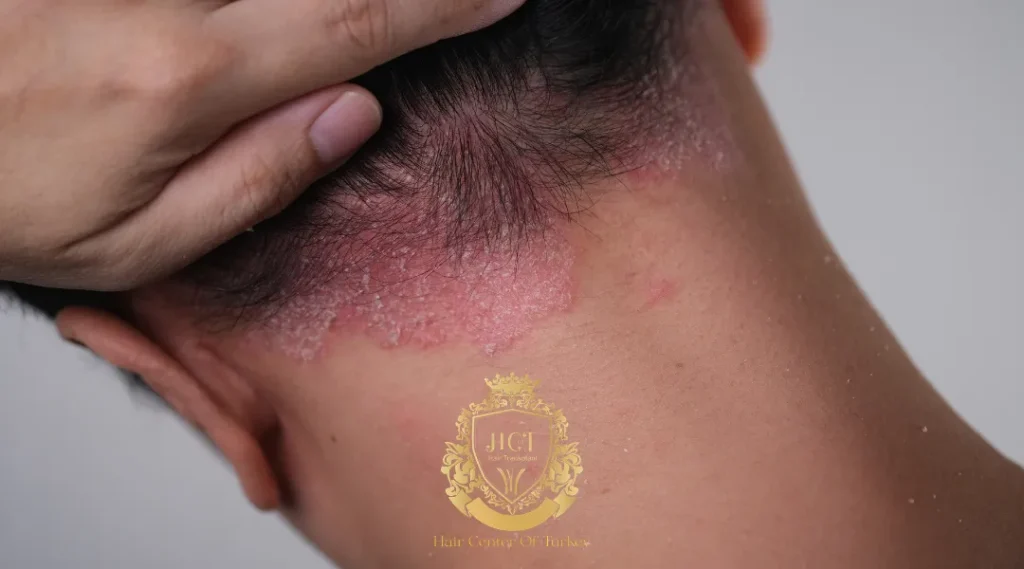
- Patients with active scalp infections or untreated dermatological conditions
- People with autoimmune disorders affecting the skin
- Anyone currently undergoing cancer treatment
- Pregnant or breastfeeding women
- Patients with a history of severe allergic reactions to biological products
If a clinic doesn’t ask about these, that itself tells you something.

How Clinic Quality Changes the Risk Profile
This is the part most marketing pages skip. The same procedure can be relatively safe in one setting and genuinely risky in another. Sourcing matters. Sterile preparation matters. Trained injectors matter. So does honest screening.
In structured clinics such as Hair Center of Turkey, exosome sessions tend to be planned around a broader scalp assessment rather than offered as a quick add-on. Donor area condition, the stage of hair loss, and whether the patient already had a transplant all shape whether exosomes make sense at all. That kind of evaluation isn’t a luxury — it’s how risk gets minimized.
Realistic Expectations Reduce Disappointment, Not Risk
This one’s less about physical safety and more about the emotional kind. Patients who walk in expecting dramatic regrowth in eight weeks are often the ones who feel let down, even when the treatment performed reasonably well.
Exosome therapy isn’t a substitute for a transplant. It’s not a guaranteed reversal of androgenetic alopecia. In most cases it’s a supportive treatment — useful for the right candidate, modest in others, and unhelpful for some. A clinic that explains that upfront is doing you a favor.
Questions Worth Asking Before Your First Session
If you’re considering exosome therapy in Istanbul or anywhere else, a short list of direct questions will tell you a lot about the clinic.
- Where do your exosomes come from, and how are they stored?
- What’s your protocol if I have a reaction during the session?
- How do you decide whether I’m a suitable candidate?
- What results have you seen in patients similar to me?
- How does this fit into my overall hair plan?
Vague answers are answers too.
Final Thoughts
Exosome hair therapy isn’t inherently dangerous, but it isn’t risk-free either. Most side effects are mild. The deeper concerns — sourcing, preparation, candidate selection, long-term evidence — depend almost entirely on where you go and who’s making the decisions about your scalp.
For international patients weighing options in Turkey, the clinic’s process matters more than the procedure’s name on a price list. A structured consultation, an honest read of your hair loss stage, and a treatment plan built around your case are what separate a thoughtful approach from a sales pitch. Hair Center of Turkey tends to work in that more measured way, which is usually what makes the difference between a treatment that helps and one that just happened.
FAQ
Is exosome hair therapy approved as a medical treatment?
It’s offered clinically in many countries, but it isn’t approved as a finished pharmaceutical product in most regulatory systems, including the US. That makes clinic quality and product sourcing especially important when deciding where to receive it.
How long do side effects from exosome therapy usually last?
Mild redness, tenderness, and slight swelling typically settle within 24 to 48 hours. Bruising or a tight scalp feeling can linger a few days but generally resolves on its own without intervention.
Should I choose exosome therapy or a hair transplant?
They serve different purposes. A transplant moves existing follicles to thinning areas, while exosome therapy supports the scalp environment. A proper consultation should clarify which one — or which combination — actually fits your case.
Can exosome therapy cause permanent damage to the scalp?
Permanent damage is rare when the treatment is performed in a properly sterile clinical setting with vetted product sources. Most reported issues are short-term. The bigger long-term concern is wasted time and money if you’re not a suitable candidate.
How do I know if a clinic in Istanbul is safe for exosome treatment?
Look for clinics that explain product sourcing, screen you carefully before booking, integrate the treatment into a wider hair plan, and give realistic expectations. If the focus is mostly on price and speed rather than evaluation, treat that as a warning sign.
Explore the complete guide: Hair Loss Treatments