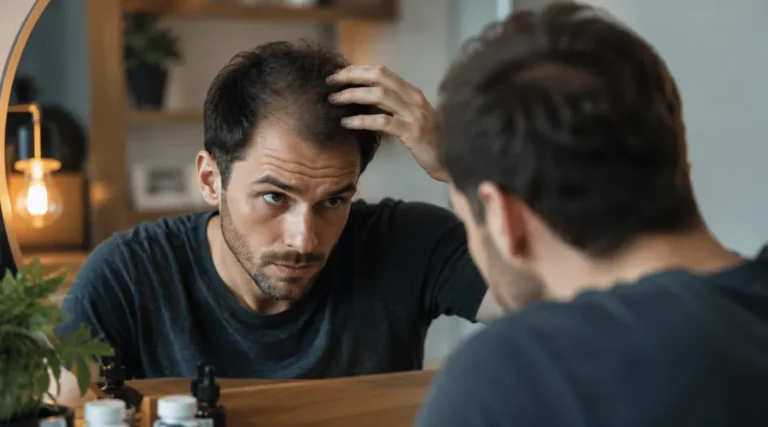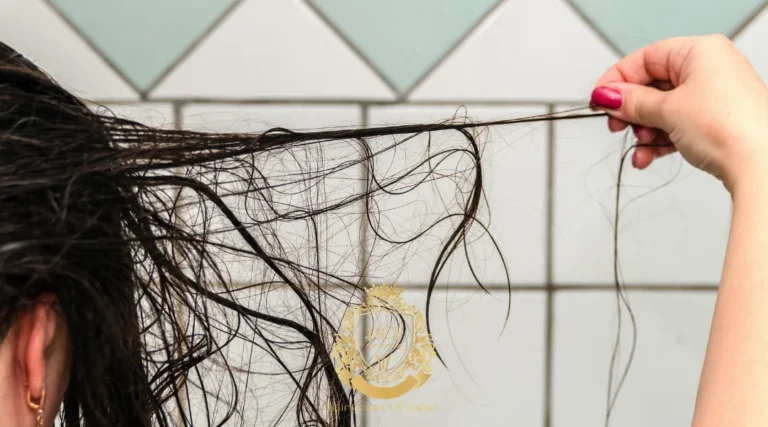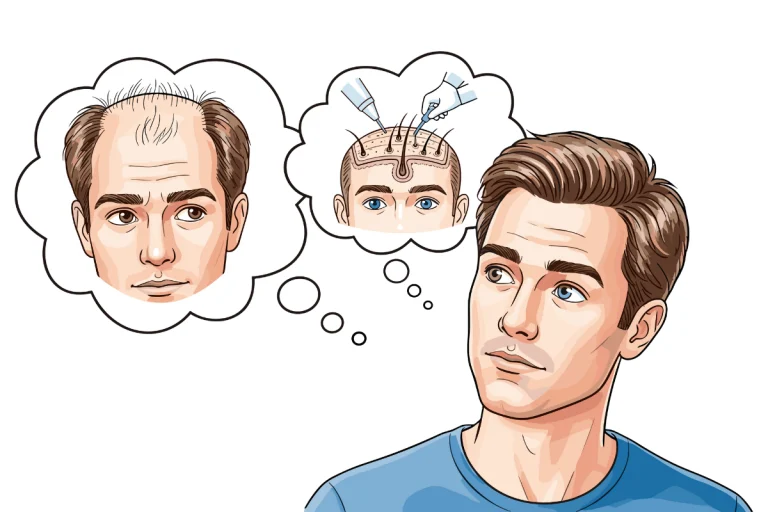


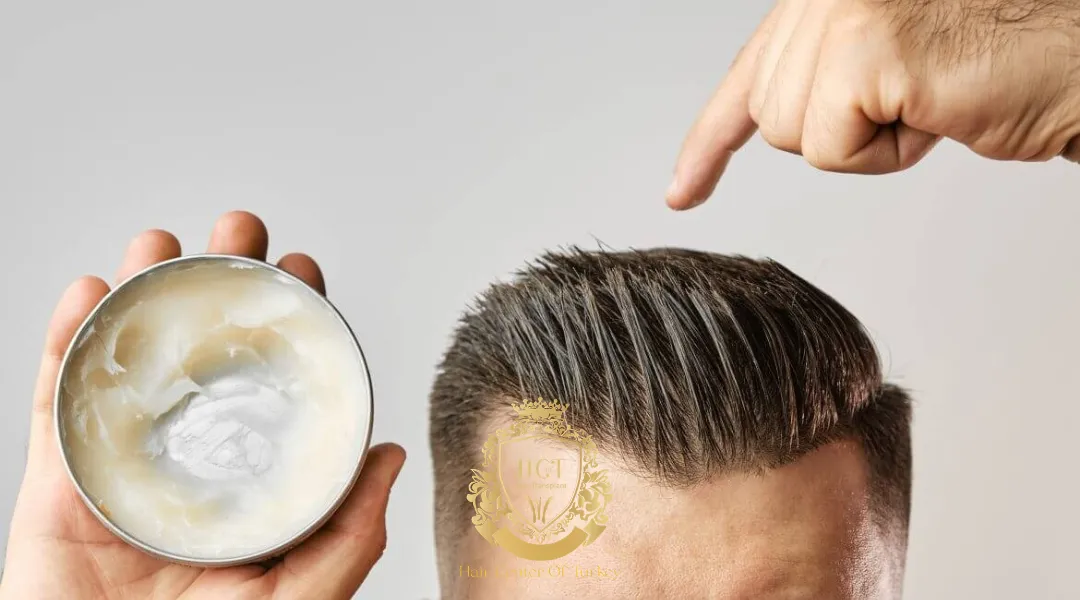
Most people first wonder about this after spotting a few more strands than usual in the shower. The wax jar on the bathroom shelf suddenly looks suspicious. It’s a fair question — daily styling products sit on the scalp for hours, and it’s natural to ask whether they’re doing something they shouldn’t. And honestly, the internet doesn’t help. Scroll long enough and you’ll find confident claims on both sides.
Here’s the nuanced answer, untangled from the noise.
The Short Answer You Probably Came For
Hair wax, on its own, doesn’t cause hair loss. Follicles are anchored deep in the skin, and a topical styling product doesn’t reach that layer. But there’s a catch. Certain habits tied to wax use — aggressive washing, pulling, sleeping with it on — can trigger breakage that looks identical to shedding. That’s where the confusion starts for most people who Google this question at 11 p.m.
Table of Contents
How Hair Wax Actually Interacts With the Scalp
A styling wax coats the hair shaft. It gives hold, shine, or texture depending on its base. Most formulas sit on the outer hair and the upper scalp surface. So the follicle itself, where growth happens, is mostly undisturbed.
Problems show up when residue builds up. Pores around each follicle can clog. Scalp feels heavy. Itchiness creeps in. None of that permanently kills a follicle, but it can create an environment where hair looks thinner and more fragile than it really is.
When Wax Does Contribute to Shedding
Even if wax isn’t the root cause, it can be part of the chain. Consider these patterns:
- Sleeping with product in your hair, night after night
- Skipping a proper wash and just rinsing lightly
- Scrubbing too hard to remove stubborn residue
- Using very high-hold wax on already fine, fragile hair
- Pulling strands into tight shapes before they’ve fully dried
Any one of these can push mechanical stress onto the hair shaft. Break enough strands consistently, and it starts to look like loss.
Ingredients Worth Paying Attention To
Not all waxes are built the same. Cheaper formulas tend to rely on heavy petroleum bases, harsh solvents, or alcohol-heavy finishes that dry out the scalp. Over months, that kind of exposure isn’t kind to the hair. Natural beeswax or plant-based formulas tend to wash out more cleanly and sit lighter. Labels won’t always tell you the full story, but a quick scan for words like mineral oil, paraffinum liquidum, or dense synthetic polymers is usually enough to steer you toward or away from a jar.
If your scalp feels tight, flaky, or irritated a few hours after styling, that’s feedback worth listening to. Your hair often tells you what it needs before anything else does.
Habits That Quietly Damage Hair
Sometimes the wax gets blamed when the real issue is everything around it. Frequent re-styling throughout the day. Combing wax through already-dry hair. Using metal-toothed combs on waxed sections. Rinsing without shampoo after a long day. Using hot tools over a waxed base, which practically fries the coating into the shaft.
Small habits. Multiplied across a year. They add up, quietly, in ways most of us don’t notice until the mirror starts showing it.
Shedding vs. Breakage — They Look the Same, But They Aren’t
Shedding means the hair has reached the end of its growth cycle and falls from the root. You’ll see a little white bulb at the bottom of the strand. Breakage, on the other hand, happens mid-shaft. The strand snaps. No bulb, often uneven lengths.
Wax-related hair fall is almost always breakage. Telogen effluvium, hormonal shifts, nutritional gaps, and genetic patterns — that’s the shedding side. Understanding the difference changes how you respond.
Using Hair Wax Without Stressing Your Hair
There’s a sensible middle ground between never touching the stuff and using half a tub every morning. A few habits that help:
- Apply to slightly damp or dry hair, not soaking wet strands
- Start with a pea-sized amount — more really isn’t better
- Warm it in your palms before touching your hair
- Wash thoroughly the same day, ideally with a mild clarifying shampoo once a week
- Give your scalp wax-free days when you can
That routine alone resolves most of the symptoms people blame on wax.

When the Problem Is Bigger Than a Styling Product
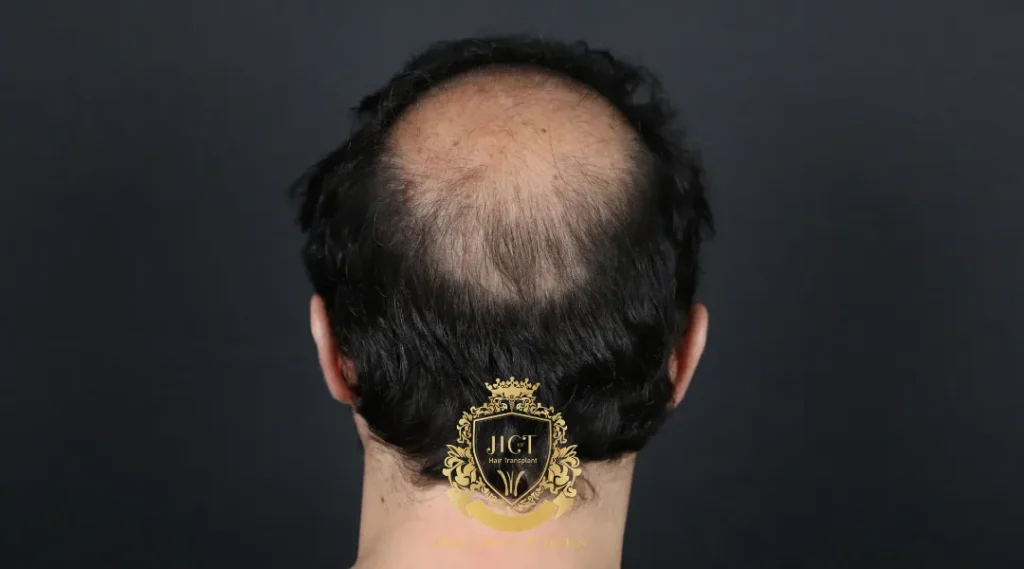
If you’re noticing thinner edges, a receding hairline, or a visibly sparse crown, wax is almost certainly not the culprit. Genetic hair loss progresses quietly for years before becoming obvious. Lifestyle shifts, stress, nutritional gaps, and medical factors all feed into it.
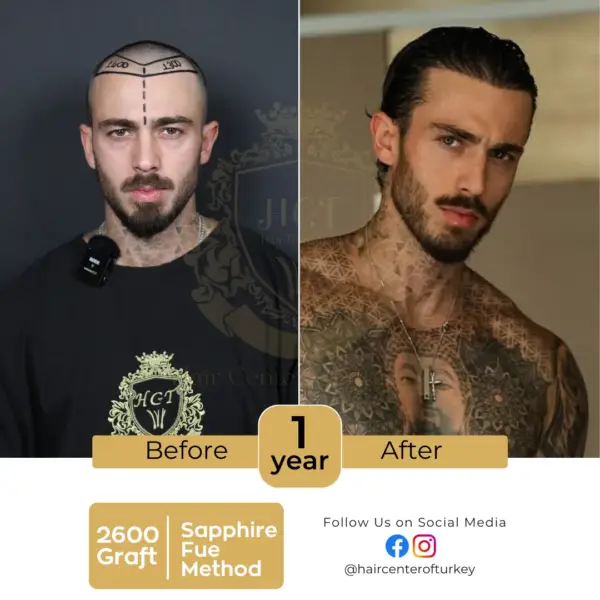
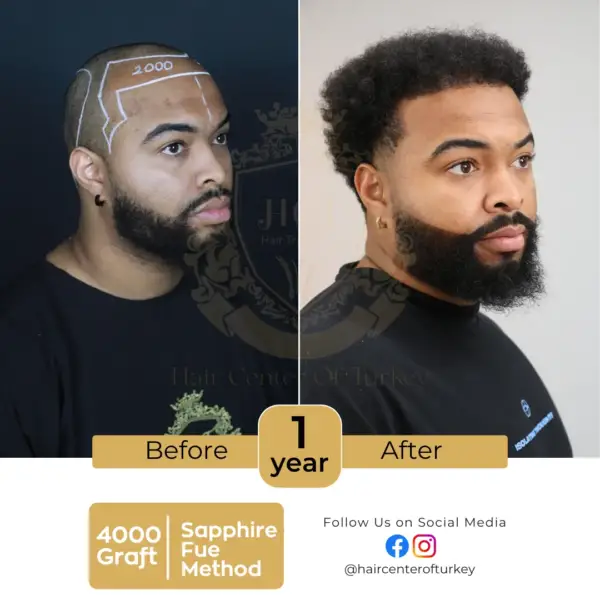
This is where proper evaluation matters. In structured clinics such as Hair Center of Turkey, the first step is usually a detailed donor area analysis and a review of the pattern of hair loss, rather than jumping straight into treatment decisions. That’s the kind of clarity that tells you whether you’re dealing with breakage, temporary shedding, or something that actually needs a real plan and a properly mapped treatment path.
Final Thoughts
Wax isn’t the villain the internet sometimes makes it out to be. Used with a bit of care, it’s a perfectly fine part of a styling routine. The trouble starts with the habits built around it — and with mistaking styling-related breakage for actual hair loss.
If you’re genuinely unsure what’s happening on your scalp, don’t guess. A proper consultation, ideally with a team experienced in planning treatments for international patients like the one at Hair Center of Turkey, gives you the kind of honest read that no styling product change can replace.
Frequently Asked Questions
Can I use hair wax every day without damaging my hair?
Daily use is generally fine if you wash thoroughly the same day and avoid sleeping with product in. The damage rarely comes from wax itself — it comes from residue build-up and rough removal habits. Give your scalp a wax-free day now and then to keep things balanced.
Does sleeping with hair wax on cause baldness?
Sleeping with wax won't cause baldness directly, but it can irritate the scalp, clog follicle openings, and stress the hair shaft against your pillow for hours. Over time, that can lead to breakage and scalp issues. Washing it out before bed is the simple fix.
What’s the difference between hair breakage and hair loss from styling products?
Breakage happens mid-shaft and leaves strands of uneven length with no white root bulb. True hair loss involves the full strand falling from the follicle, usually with a small bulb attached. Styling-related issues almost always fall into the breakage category, not real loss.
Should I stop using wax if my hair is thinning?
Not necessarily. If the thinning is genetic or hormonal, stopping wax won't change the pattern. What matters more is identifying the cause. A proper scalp evaluation can tell you whether to adjust styling habits, change products, or pursue a longer-term treatment plan.
How can I tell if my hair loss needs professional evaluation?
If you're seeing a receding hairline, a sparse crown, widening parting, or sudden heavy shedding that lasts more than a few weeks, it's worth getting checked. A specialist consultation at a clinic like Hair Center of Turkey can clarify what's driving the change and what, if anything, to do about it.
Explore the complete guide: Hair Care and Products