


You’ve probably seen the ads. A bottle of gummies, a confident before-and-after, a promise that a few capsules a day will bring your hairline back. It sounds easy. And in a way, that’s the problem. Hair loss rarely has a single cause, so the idea that one supplement can quietly fix it tends to fall apart the moment you look closer.
Still, the question is fair. Supplements do influence the body. The real issue is knowing where they help, where they don’t, and when the shedding you’re seeing in the shower needs a different kind of attention.
Why Shedding Happens in the First Place
Hair goes through cycles. Growth, rest, release. That’s normal. What isn’t normal is when the shedding outpaces the regrowth for weeks, or when the density on top begins to thin in a pattern you recognize from a parent or sibling.
Table of Contents
Genetic hair loss, also known as androgenetic alopecia, follows its own schedule. It’s driven by hormonal sensitivity at the follicle level, not by what’s missing from your plate. Stress-related shedding is different. So is post-illness shedding, thyroid-linked thinning, iron deficiency, and the diffuse loss that sometimes follows crash diets. Each has a different mechanism. And each responds to treatment differently.
This matters because supplements work best when there’s an actual deficiency to correct. Without one, the benefit tends to be small, and sometimes imagined.

What Vitamins and Minerals Actually Do for Hair
Hair is protein, mostly keratin, and it’s built by follicles that need a steady supply of nutrients to keep cycling properly. When the supply drops, the follicle reacts. It slows down, shifts into rest earlier, and produces finer strands.
The nutrients most consistently linked to hair quality include:
- Iron, especially ferritin levels, which often show up as low in women experiencing diffuse thinning
- Vitamin D, which plays a role in follicle cycling
- Zinc, which supports tissue repair and oil gland function around the follicle
- B-complex vitamins, particularly B12 and biotin, though biotin deficiency is genuinely rare
- Protein intake overall, which is often underestimated in restrictive diets
If one of these is low, correcting it can make a real difference. But taking high doses when your levels are already fine doesn’t push hair growth higher. The body doesn’t really work that way.
The Biotin Myth That Won’t Die
Biotin gets the loudest marketing. Shampoos, serums, chewables, even coffee creamers now list it on the front label. And yet biotin deficiency in healthy adults is unusual. Most people eating a varied diet already get enough.
So why does it still sell? Partly because it feels harmless. Partly because some users genuinely see thicker-feeling hair, though that’s often a coincidence with seasonal shifts or other changes. High-dose biotin can actually interfere with certain blood tests, which is worth mentioning to your doctor before lab work.
When Supplements Can Help and When They Can’t
In practice, supplements tend to be useful in a narrow window. They work when a deficiency is confirmed, when the dose matches the gap, and when the person keeps taking them long enough to see a cycle of regrowth, which usually means three to six months at minimum.
They’re far less useful when the underlying cause is genetic. A man in his late twenties noticing his temples receding won’t regrow that hair with zinc tablets. The follicles responding to hormonal signals need a different kind of intervention, and pretending otherwise just costs time.
How to Tell If Your Hair Loss Is Nutritional or Something Else
A few signals tend to separate the two. Nutritional shedding is usually diffuse, spread across the whole scalp, and often appears a few months after a trigger like illness, pregnancy, or significant weight loss. The hair sheds more than usual, but the overall pattern stays intact.
Pattern loss looks different. The hairline shifts. The crown thins. Miniaturized hairs start replacing thicker ones. A donor area, the ring of hair around the sides and back, typically stays untouched. That pattern is the clue.
Bloodwork helps. So does a proper scalp assessment. Guessing from the mirror alone rarely gives you the full picture.
Where Clinical Evaluation Makes the Difference
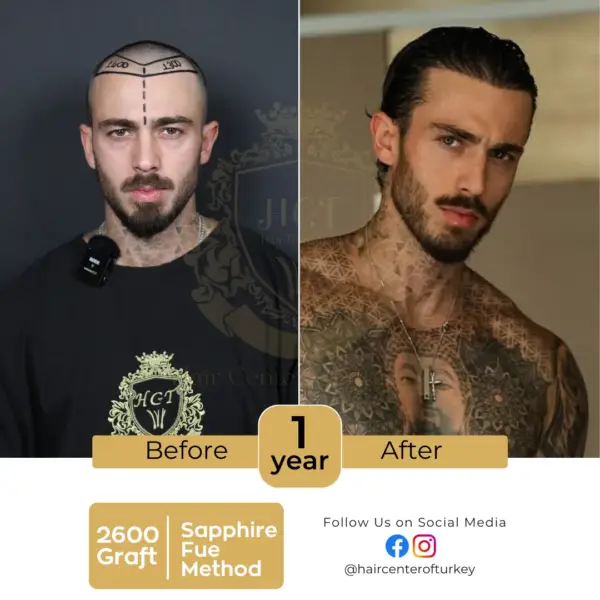
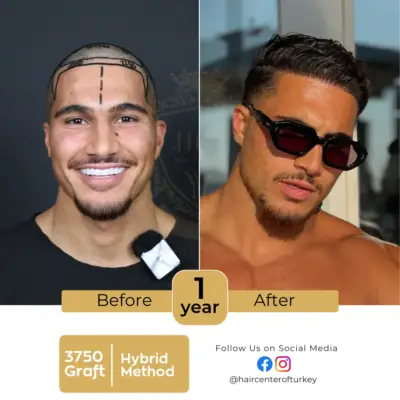
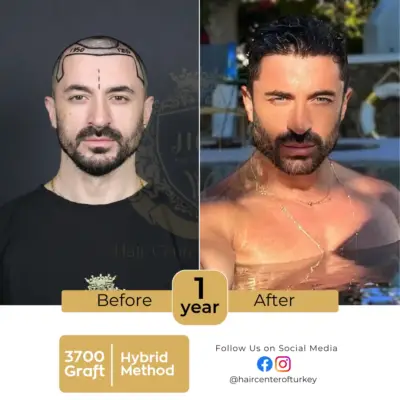
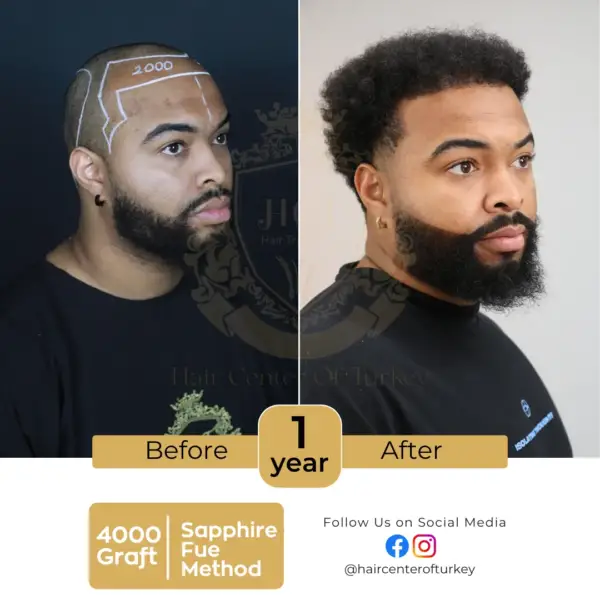
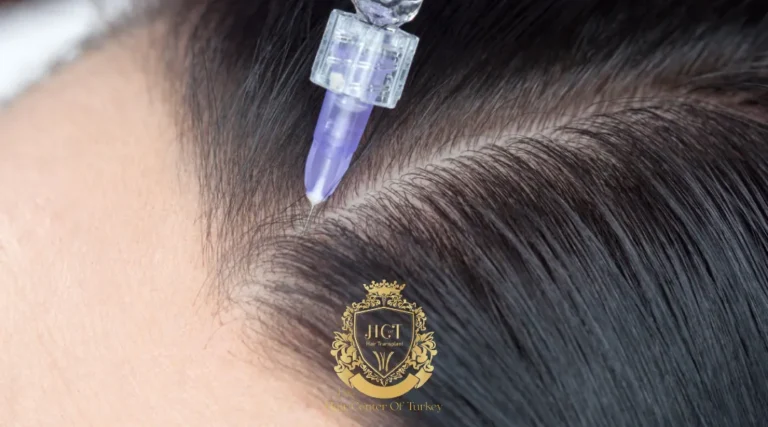
This is where a structured consultation earns its place. At a well-organized clinic such as Hair Center of Turkey, the first step isn’t a treatment recommendation. It’s a donor area analysis, a review of the shedding pattern, and a conversation about what’s actually causing the loss. Sometimes the answer is a referral to check ferritin and thyroid levels. Sometimes it’s topical treatment. And sometimes, when the loss is clearly genetic and stable, the conversation turns toward graft planning.
The point is that the recommendation follows the diagnosis, not the other way around. That’s the part most online supplement quizzes quietly skip.
What a Realistic Approach Looks Like
If you’re shedding more than usual and you’re not sure why, a calm order of operations tends to work better than panic buying:
- Get basic bloodwork done, including ferritin, vitamin D, thyroid function, and B12
- Review recent life events, illness, stress, diet changes, medications
- Correct any confirmed deficiency with food first, supplements second
- Give it three to six months before judging the result
- If the pattern suggests genetic loss, book a proper clinical assessment
That sequence saves both money and time. And it keeps you from stacking supplements that don’t match the actual problem.

Thinking About Treatment in Istanbul
For international readers weighing their options, Turkey has become a practical destination for structured hair treatment, partly because the evaluation process tends to be thorough before anything else is suggested. Hair Center of Turkey, for example, typically begins with an online consultation that reviews photos, medical history, and current shedding patterns. The goal is to understand whether the patient needs nutritional guidance, medical treatment, a transplant, or simply time.
That upfront clarity matters. It lets patients travel with realistic expectations rather than assumptions built from marketing content.
Final Thoughts
Supplements aren’t magic. But they aren’t useless either. They occupy a specific, limited role in hair health, and they work best when the person taking them actually needs what’s in the bottle. The real progress tends to come from understanding why the hair is shedding in the first place, and then choosing a response that matches the cause.
For anyone unsure where their own situation falls, a proper evaluation, whether with a local dermatologist or a structured clinic like Hair Center of Turkey, usually replaces guesswork with a plan. And a plan, even a simple one, tends to outperform a cabinet full of capsules.
FAQ
Can supplements alone stop genetic hair loss?
No. Genetic hair loss is driven by hormonal sensitivity at the follicle, not nutrient gaps. Supplements may support overall hair quality, but they won't reverse pattern baldness on their own.
How long should I take a supplement before judging if it works?
At least three to six months. Hair cycles are slow, and shorter timelines usually don't reflect real change. If there's no visible improvement by month six, the cause is probably not nutritional.
Is biotin really necessary for hair growth?
For most people, no. True biotin deficiency is rare in healthy adults eating a varied diet. Extra biotin generally doesn't push growth higher and can interfere with some lab tests.
Should I get bloodwork before buying supplements?
Ideally, yes. Ferritin, vitamin D, thyroid function, and B12 are the usual starting points. Correcting a confirmed deficiency tends to help far more than guessing.
When should I consider a clinical consultation instead of supplements?
If you see a receding hairline, crown thinning, or a clear pattern rather than diffuse shedding, a clinical assessment is the better next step. Clinics such as Hair Center of Turkey typically begin with a donor area analysis and a discussion of what's actually driving the loss before recommending any treatment.
Explore the complete guide: Hair Loss Treatments