

Do Air-Based Hair Stylers Damage Hair?
Used properly, air-based hair stylers are typically gentler than flat irons because they shape hair with controlled airflow and lower direct-heat contact. Hair can still dry out or break if you use maximum heat for long periods, style soaking-wet hair, or skip heat protection. Pick the lowest effective setting and keep the tool moving.
Air-based hair stylers have become a go-to option for people who want a smooth blowout, waves, or curls without the extreme heat of a flat iron. They dry and style at the same time, which can mean less overall exposure to high temperatures.
They’re not completely “damage-proof,” though. Results depend on heat level, how long you hold the tool in one spot, and whether your hair is already dry, bleached, or fragile.
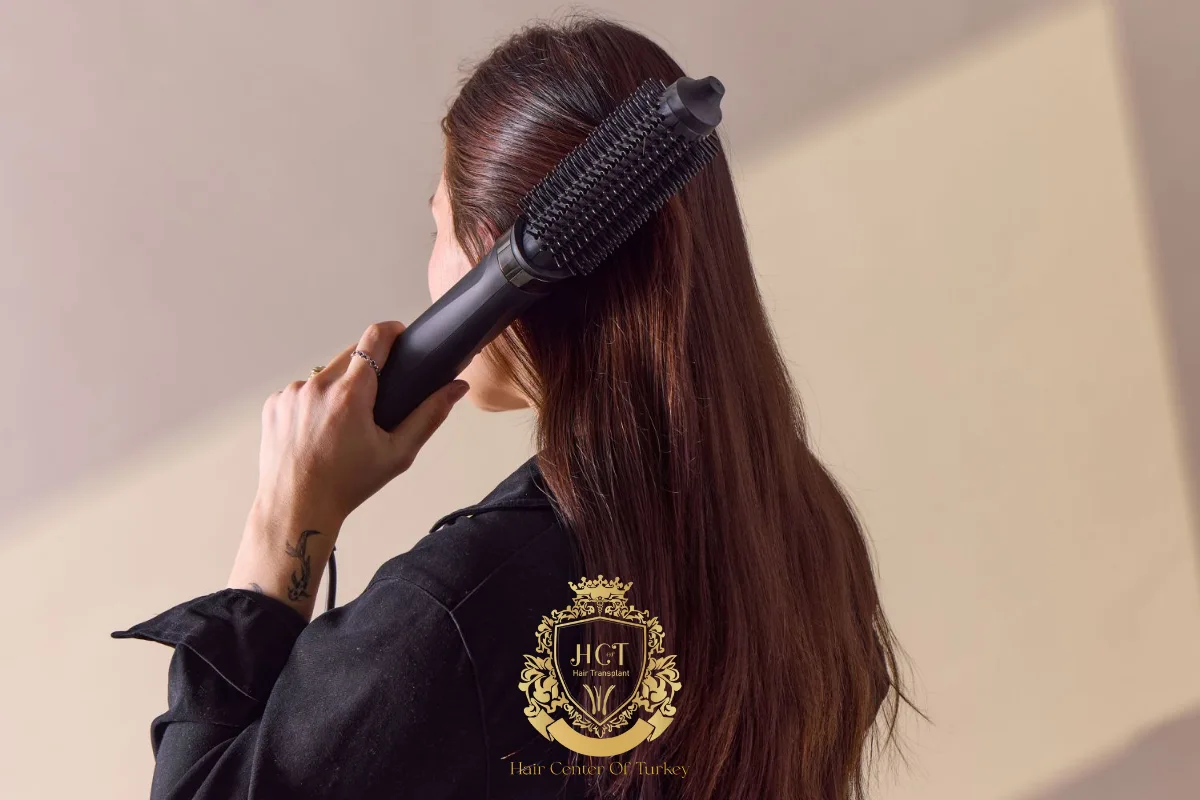
Table of Contents
What Is An Air-Based Hair Styler, And How Does It Work?
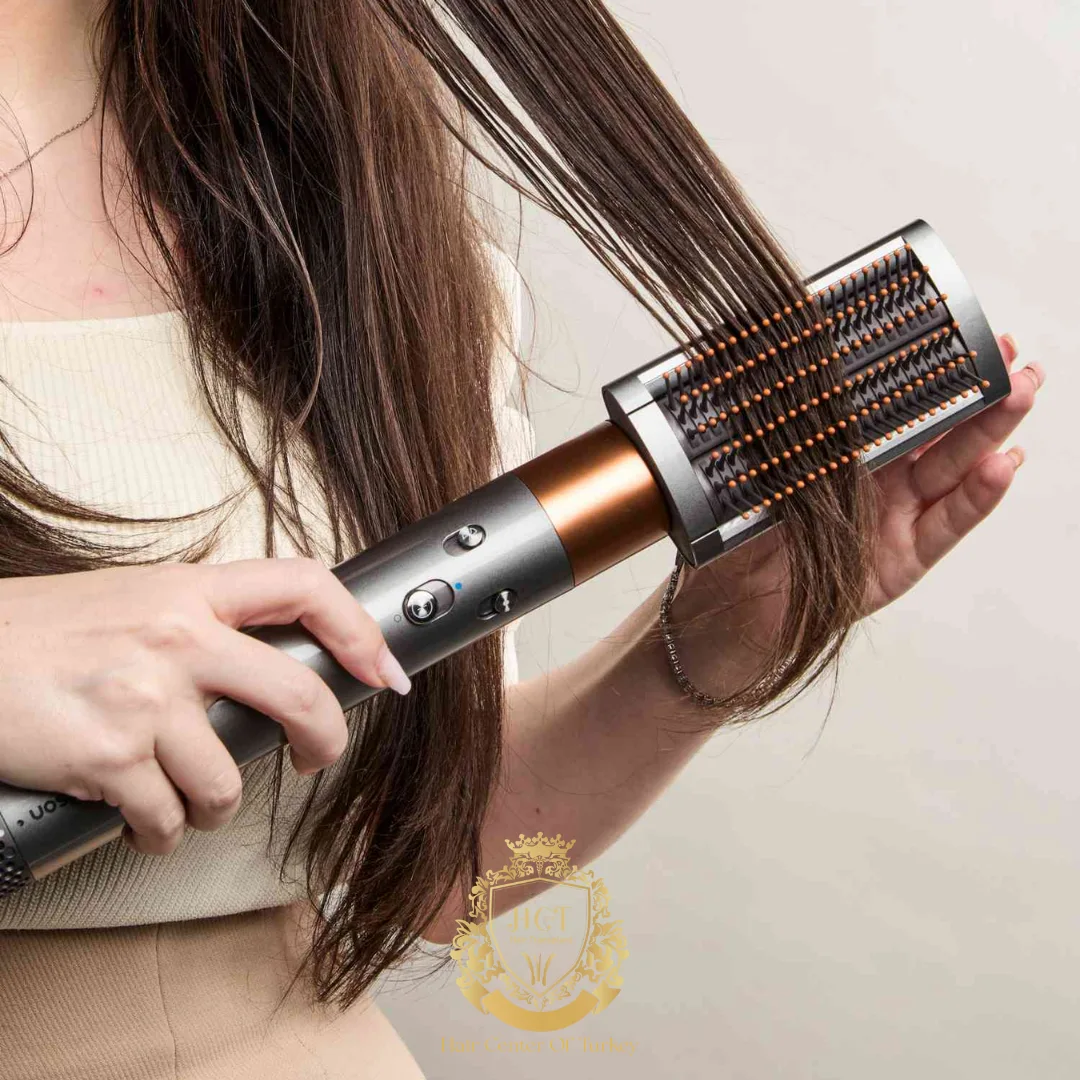
An air-based hair styler uses heated airflow—often paired with smoothing or curling attachments—to shape hair as it dries. Instead of pressing hair between two hot plates, it relies on air pressure, tension, and controlled heat to create the style.
Most models offer multiple heat and airflow settings, plus add-ons such as a curling barrel, smoothing brush, round brush, or diffuser. Some also include ionic technology to reduce static and help hair look shinier.
Do Air-Based Hair Stylers Really Damage Hair?
Used correctly, they’re generally less damaging than high-heat tools like flat irons or traditional curling wands. That’s because they usually work at lower temperatures and distribute heat more evenly across the section of hair you’re styling.
Damage can still happen if you crank the heat, repeatedly style the same area, or use the tool daily without proper conditioning. If your hair is color-treated, very fine, or already breaking, treat any heat tool as a stressor—not a “safe” shortcut.
Benefits When Used Well
- Lower direct-heat contact than flat irons, which helps reduce scorching and roughness.
- More moisture retention than many high-heat methods, so hair often feels softer after styling.
- Smoother finish with less frizz when you use appropriate attachments and airflow settings.
- More natural-looking volume and movement, especially for blowouts and loose waves.
Common Mistakes That Cause Damage
- Using the highest heat setting for long sessions, which can dry out the cuticle over time.
- Styling on soaking-wet hair. Hair is more elastic and vulnerable when saturated, and repeated pulling can lead to breakage.
- Holding the tool in one place or re-styling the same section again and again.
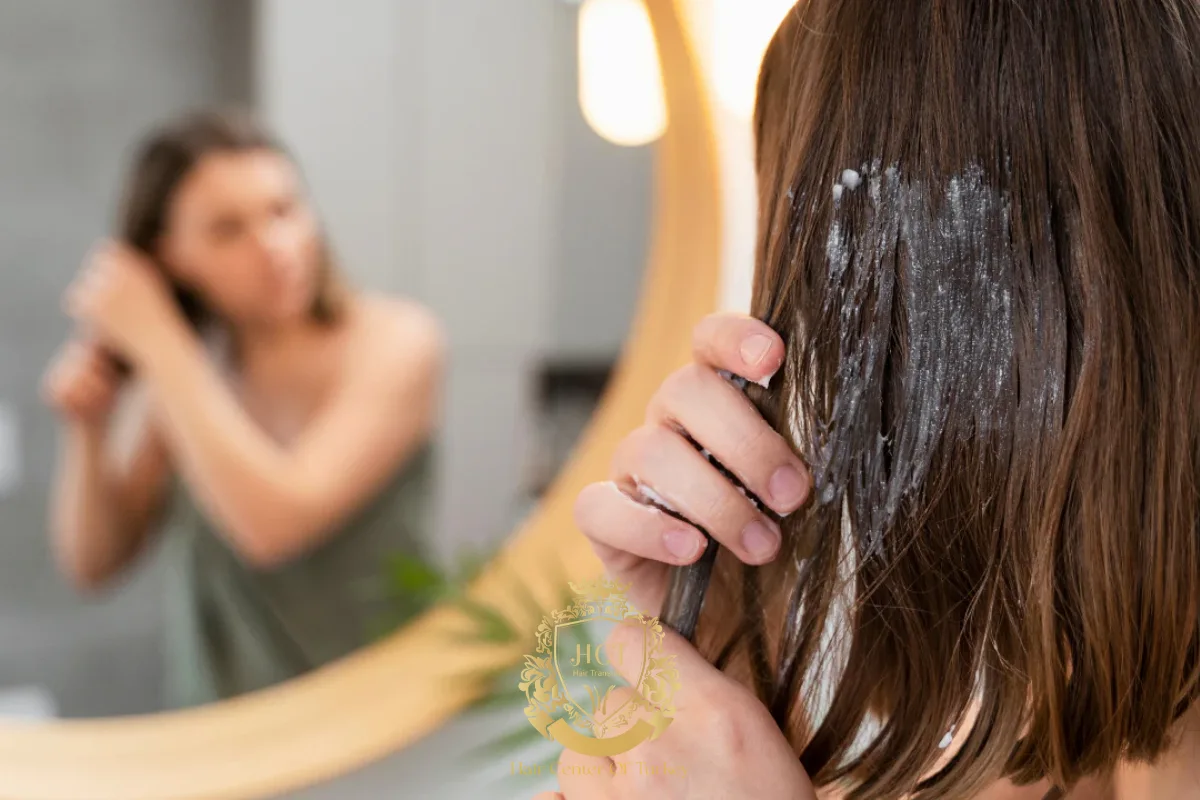
- Skipping heat protectant, especially on fine, bleached, or color-treated hair.
- Neglecting maintenance (dirty filters can reduce airflow and make you compensate with more heat).
Why Heat Styling Changes Hair Texture
Hair shape is held together by bonds that shift when hair is wet and warm. Styling tools use heat to temporarily rearrange those bonds so hair sits straighter, curlier, or smoother.
When temperatures are too high or exposure is too frequent, the cuticle can lift and the hair shaft can lose strength. That’s when you start seeing dryness, frizz, split ends, and snap-off.
Air-based Styler vs Hair Dryer: What’s the Difference?
A hair dryer is designed primarily to remove water from hair. An air-based styler is designed to dry and shape hair in one step, often with attachments that add tension or create curls.
| Feature | Air-based hair styler | Hair dryer |
| Heat profile | Typically lower, more controlled settings | Often higher heat focused on drying speed |
| Styling ability | Styles while drying using attachments | Usually needs a brush/tool for shaping |
| Time & steps | One-tool routine for many styles | Often a two-step routine (dry, then style) |
| Ease of use | Designed for one-hand styling | Often requires coordination with a brush |
| Finish | Natural movement and volume | Depends heavily on brush technique |
If you’re comparing the two, the biggest advantage of an air-based styler is control: airflow and attachments do more of the work, so you often need less extreme heat to get a polished look.
How to Use an Air-based Hair Styler With Less Damage
To achieve the best results while protecting hair:
- Do Not Use on Completely Wet Hair
Styling soaking hair can weaken strands. Hair should be about 70% dry before using the styler. - Choose the Appropriate Heat Setting
Low heat for fine hair, medium heat for thick or curly hair. Start at low and increase gradually. - Use Heat Protectant Products
Sprays or serums applied before styling protect the hair surface from heat damage. - Divide Hair into Sections
Working in small sections ensures even styling and a professional look. - Maintain Your Device
Clean the air filter regularly. A blocked filter reduces airflow and device performance.
Choosing the Right Air-Based Styler for Your Hair Type
- Pre-dry first: start styling when hair is towel-dried and roughly 70–80% dry.
- Use heat protectant from roots to ends, then comb through for even coverage.
- Work in small sections so you don’t have to “redo” the same strand multiple times.
- Use the lowest effective heat setting and increase only if your hair isn’t setting.
- Keep the tool moving, and finish with a cool shot if your device has one.
- Clean filters and attachments regularly so airflow stays strong and consistent.
- Balance heat styling with hydration: conditioner every wash and a weekly mask if you style often.
Choosing the Right Air-based Styler for Your Hair Type
The best device is the one that matches your hair’s density, texture, and condition. Focus on adjustable heat, strong airflow, and attachments you’ll actually use.
Fine or fragile hair
Look for lower heat settings, lighter attachments, and a gentle airflow option. A smoothing brush can give polish without needing maximum heat.
Thick, coarse, or very long hair
Prioritize strong airflow, a higher heat option, and wider brushes for faster drying. A round brush attachment can help create tension for a smoother blowout.
Curly or coily hair
A diffuser attachment is key for preserving curl pattern while reducing frizz. Choose a model with multiple airflow levels so you can dry without blasting the curls apart.
Color-treated or previously damaged hair
Temperature control matters most here. Use the lowest heat that gives results, rely on a heat protectant, and consider a device with a cool shot to set the style without extra heat.
Frequently Asked Questions
Do air stylers damage hair?
Yes, heat and tension can damage hair, though usually less than flat irons.
Is Dyson Airwrap harmful for hair?
No, it uses lower controlled heat, but overuse can still cause damage.
Does an airbrush damage hair?
Yes, hot airflow plus brushing can cause breakage and frizz without protection.
What hair dryer is least damaging to hair?
A dryer with adjustable low heat, cool shot, and ionic/ceramic technology is gentlest.
Is heat styling always bad for hair?
No, moderate temperatures, heat protectant, and limited frequency reduce damage significantly.
Explore the complete guide: Hair Styling and Color