

Differences Between Ombre, Balayage, And Sombré
Ombre fades from darker roots to lighter ends with a noticeable gradient. Balayage uses hand-painted highlights for a sun-kissed, dimensional finish. Sombré (“soft ombre”) sits between the two, keeping the blend subtle and natural. Choose based on how bold you want the contrast and how often you want touch-ups.
Hair color is an easy way to refresh your look without a full makeover. Ombre, balayage, and sombré all create blended dimension, but they’re applied differently and wear out differently.
If you’re deciding between them, focus on three things: the style of the transition, how strong you want the contrast to look, and how much upkeep fits your routine.
What Is Ombre?
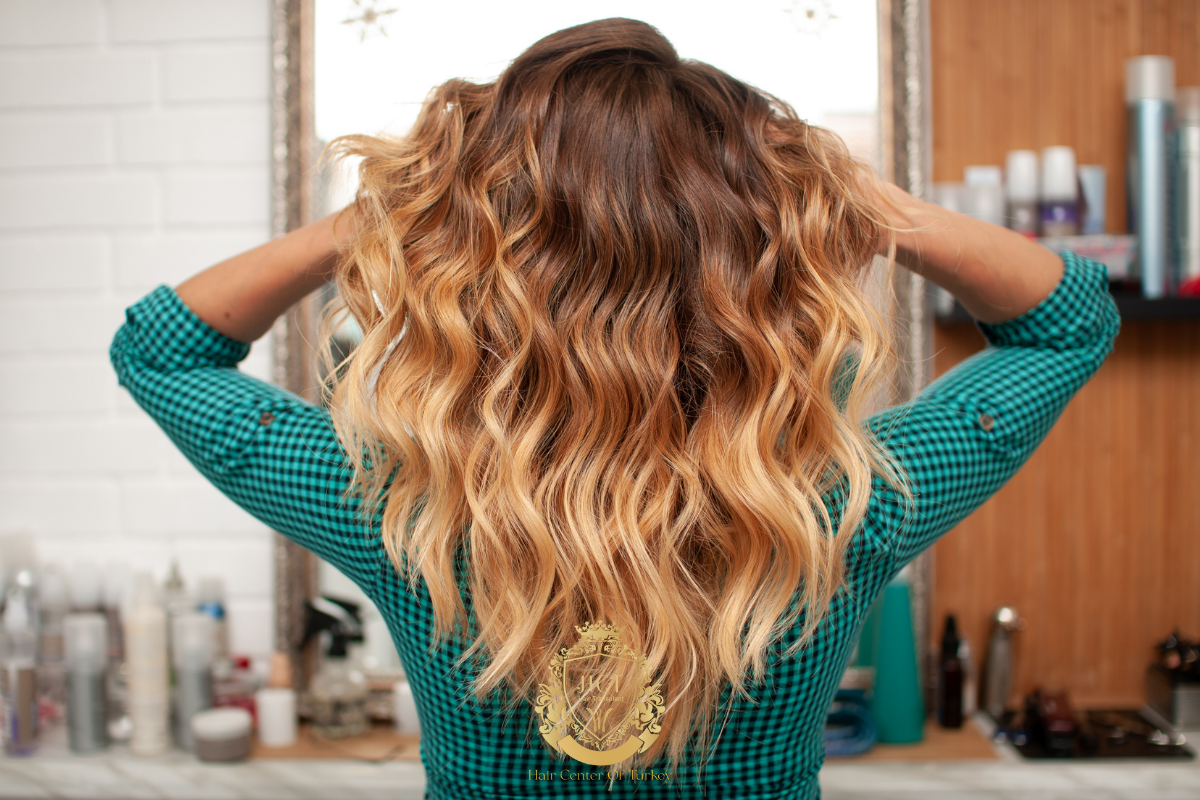
Ombre (from the French word for “shadow”) is a gradual shift from darker roots to lighter ends. The lightest color is concentrated toward the mid-lengths and tips, creating a clear two-tone effect.
How Ombre Looks
Classic ombre keeps the root area close to your natural shade, then brightens noticeably as it moves down the hair. Because the contrast is more defined, it reads as a statement look—especially on longer lengths.
Who Ombre Suits
Ombre works well if you want a dramatic change without committing to frequent root coloring. It tends to look most impactful on medium to long hair, where there’s enough length to show the full gradient.
Maintenance Level
Touch-ups are usually spaced out because the roots stay darker. The ends can feel drier after lightening, so moisture and heat protection matter more than frequent salon visits.
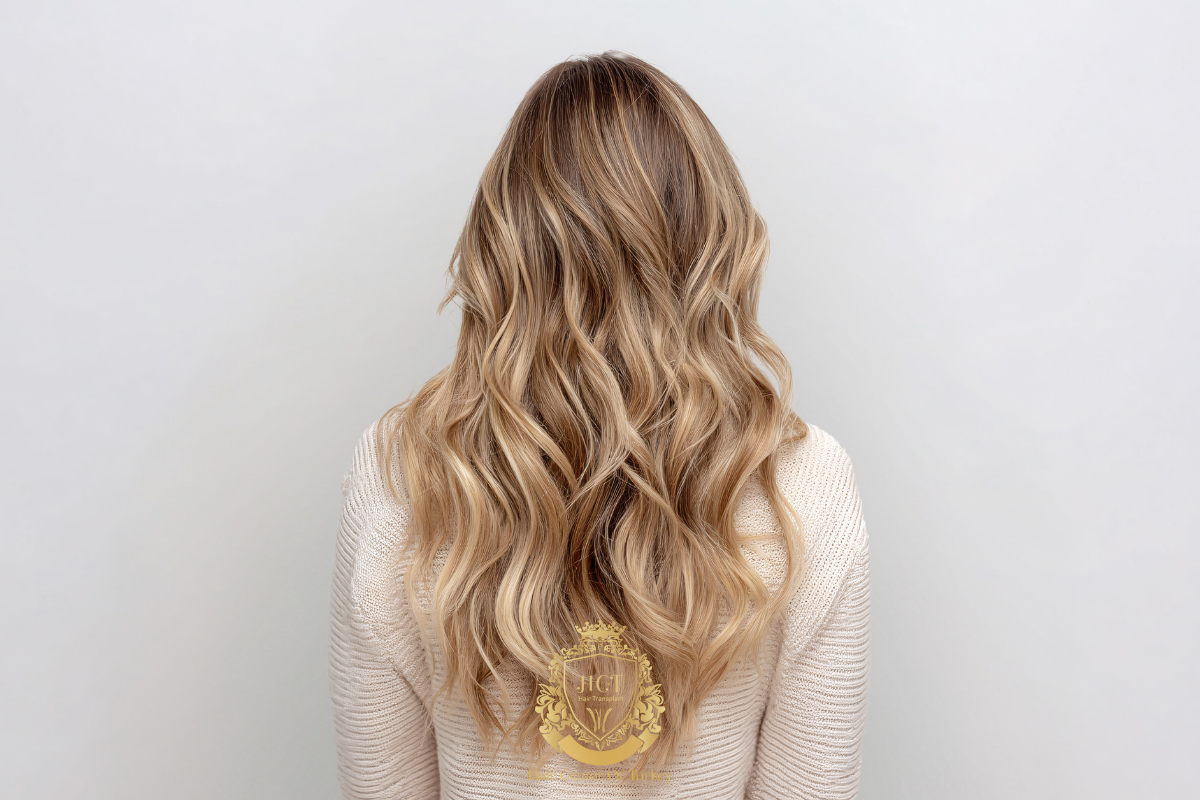
Table of Contents
What Is Balayage?
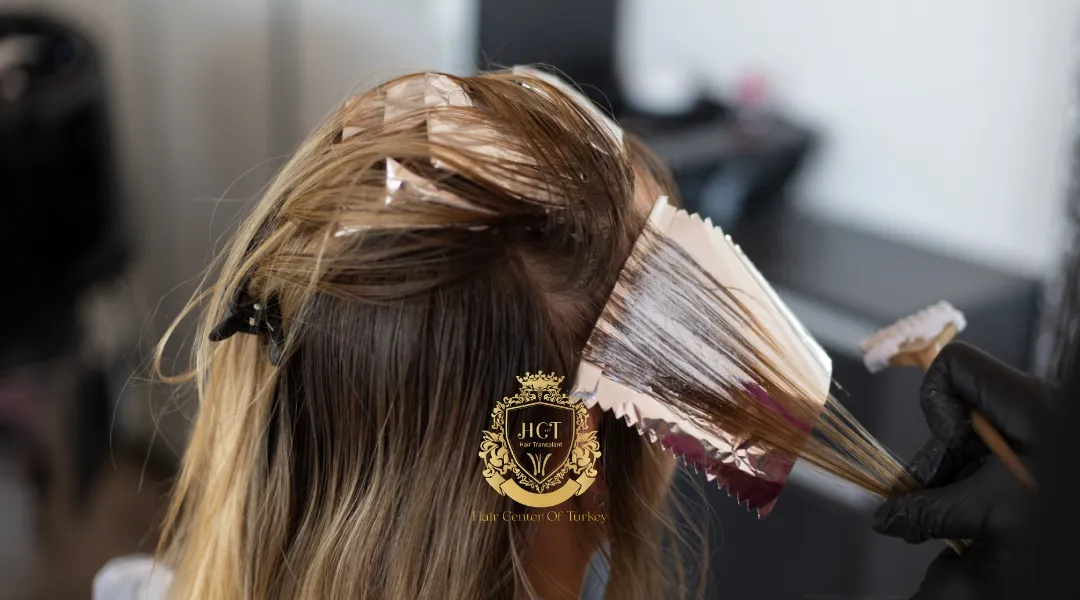
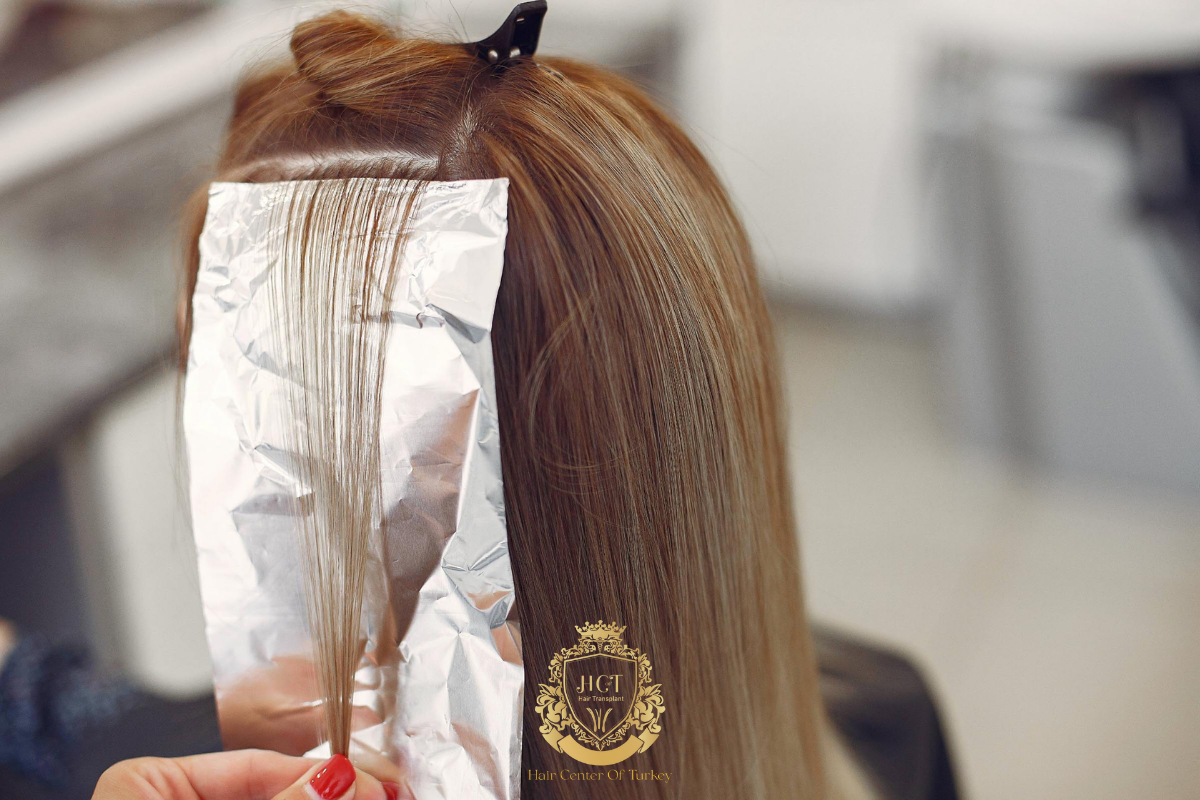
Balayage (French for “to sweep”) is a highlighting technique where color is painted onto the surface of the hair by hand. The result mimics natural sunlight, with brighter pieces placed where hair would naturally catch the light.
How Balayage Looks
Balayage is softer than ombre because the highlights blend into the base color with less obvious lines. The placement creates movement and depth, so hair can look fuller—especially when it’s fine.
Who Balayage Suits
Balayage is a flexible choice for most lengths and textures, including shorter cuts. It’s ideal if you want dimension and brightness while keeping the overall finish natural.
Maintenance Level
Because the highlights are blended and not rooted in a strict pattern, balayage grows out softly. Many people book refresh appointments only when they want more brightness or a toner update.
What Is Sombré?
Sombré is short for “soft ombre.” It keeps the same idea of darker roots and lighter ends, but the transition is gentler and the contrast is lower.
How Sombré Looks
Sombré blends the mid-lengths more seamlessly than a traditional ombre, so the shift looks subtle and polished. It’s a good middle ground when you like the ombre concept but want a quieter finish.
Who Sombré Suits
Sombré suits anyone who wants a low-commitment refresh, including first-timers. It works especially well if you want to stay close to your natural shade and avoid a high-contrast change.
Maintenance Level
Sombré is typically the easiest to maintain because the blend is already soft. When it grows out, it looks intentional, so you can stretch the time between salon visits.
Key Differences Between Ombre, Balayage, And Sombré
Here’s the simplest way to compare them:
- Transition: Ombre has the most noticeable fade; balayage blends highlights throughout; sombré is a softer, subtler fade.
- Contrast: Ombre is bold; balayage is moderate and dimensional; sombré is the most natural-looking.
- Application: Ombre focuses on lightening mid-lengths and ends; balayage is hand-painted placement; sombré uses a gentle, blended ombre approach.
- Upkeep: Sombré is typically lowest maintenance; balayage is moderate; ombre often needs end care (hydration/toning) even if roots are left alone.
Your stylist can adjust any of these techniques to suit your hair’s condition, starting color, and how light you want to go.
Who Each Technique Is Suitable For
A quick guide based on the look you want and your hair length:
Ombre: If you want a bold, two-tone effect and have enough length to show a full gradient.
Balayage: If you want natural brightness, face-framing dimension, and flexible placement that grows out softly.
Sombré: If you want a subtle change, minimal contrast, and the easiest grow-out.
Hair Care Tips After Coloring
No matter which technique you choose, color-treated hair stays healthier with gentle cleansing and consistent moisture. Aim for color-safe shampoo and conditioner, limit high heat, and use UV protection when you’re in strong sun.
Technique-specific tips:
- Ombre: Focus on the ends. Use a deep-conditioning mask once or twice a week and add a leave-in conditioner before styling.
- Balayage: Keep highlights glossy with a lightweight serum or oil, and consider a toner refresh when brassiness shows up.
- Sombré: Stick to hydration and heat protection. Because the contrast is soft, regular upkeep at home usually goes a long way.
If your hair feels dry or brittle after lightening, scale back heat styling and ask your stylist about a bond-repair treatment.
FAQs
Is ombre hair high maintenance?
No; ombré is usually low maintenance because regrowth blends softly.
Does balayage or ombré last longer?
Balayage usually lasts longer because it grows out more naturally.
Which is less maintenance, highlights or balayage?
Balayage is typically less maintenance than traditional highlights.
Which is better, ombré or balayage?
Balayage suits natural, sun-kissed looks; ombré suits stronger, two-tone contrast.
What is the most high maintenance hair color?
Platinum blonde is among the highest-maintenance colors, requiring frequent toning and root touch-ups.
How many years do ombre brows last?
Ombre brows typically last 1–3 years before fading and needing a refresh.
Explore the complete guide: Hair Styling and Color