






Is Hair Dyeing Safe During Pregnancy?
Most experts consider hair dye low-risk during pregnancy because only a small amount is absorbed through healthy skin. If you want to be extra cautious, wait until after week 12, choose gentler formulas, and use highlights or balayage to avoid scalp contact. Patch test, ventilate the room, and check with your clinician if you have allergies or concerns.
Hair changes are common in pregnancy. Hormones can make hair feel thicker, oilier, drier, or more unpredictable than usual, so it’s natural to question whether salon treatments are still a good idea.
Hair dye is one of the most searched topics for expectant parents. The short version is reassuring for most people, but timing and technique matter—especially if you have a sensitive scalp or a history of reactions.

Table of Contents
Is Hair Dye Safe During Pregnancy?
Major medical organizations generally consider hair coloring to be low risk in pregnancy. Research suggests that the amount of dye ingredients absorbed through the scalp is very small when products are used as directed.
Because first-trimester development is so rapid, many clinicians recommend waiting until the second trimester if you can. That advice is mostly about being cautious, not because hair dye is proven to be harmful.
Hair Dye Ingredients And Potential Concerns
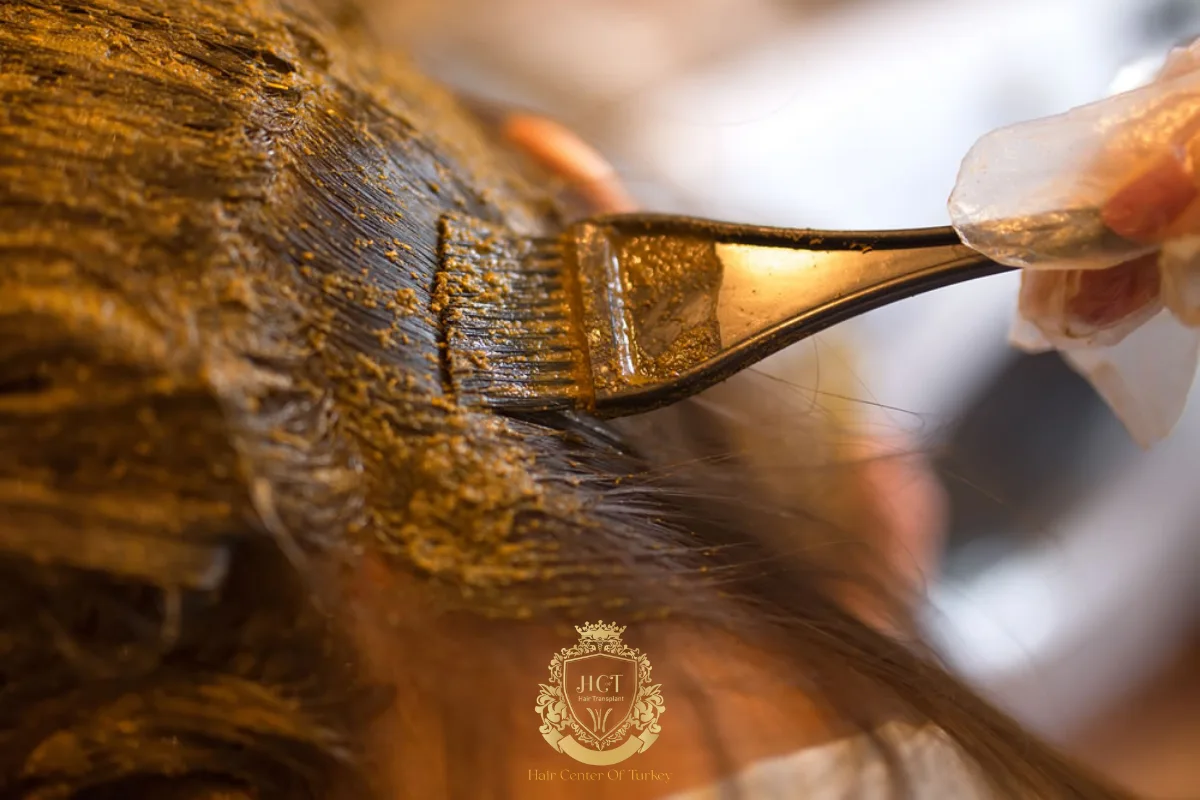
Permanent and semi-permanent dyes use a mix of chemicals to open the cuticle, deposit pigment, and help the color last. For most people, the bigger concern is skin irritation or an allergic reaction rather than pregnancy-specific toxicity.
Common Ingredients You’ll See On Labels
- Ammonia: helps open the hair cuticle; the odor can be unpleasant and may trigger nausea.
- Hydrogen peroxide: used to lift or lighten color; can irritate sensitive skin.
- p-Phenylenediamine (PPD): a frequent cause of allergic reactions, especially in darker shades.
If you’ve ever had itching, swelling, or a rash from hair color, treat that as a red flag. Pregnancy can make skin more reactive, so a product that once felt fine may suddenly irritate.
First Trimester Considerations
Weeks 1–12 are when the baby’s major organs are forming. If coloring your hair is optional, many clinicians suggest postponing full-color applications until after this window.
If you feel you need to color your hair early in pregnancy, consider techniques that minimize scalp contact and time in the chair. A quick root touch-up done carefully is typically a lower-exposure choice than repeated all-over applications.
How To Reduce Exposure If You Color Your Hair
Simple precautions can lower both chemical exposure and discomfort from strong odors.
- Choose highlights, balayage, or foils so dye sits on the hair, not directly on the scalp.
- Color in a well-ventilated area and avoid lingering around fumes.
- Wear gloves and follow the timing on the package—longer isn’t better.
- Do a patch test 48 hours before use, even if you’ve used the product before.
- Rinse thoroughly and avoid dyeing over broken, irritated, or inflamed skin.
Are Ammonia-Free, Organic, And Herbal Dyes Safer?
Ammonia-free products can be easier on the nose and may feel less harsh, but they aren’t automatically chemical-free. They often replace ammonia with other alkalizing agents that can still irritate sensitive skin.
Herbal dyes can be a good option, but labels matter. Choose reputable brands, avoid products with undisclosed additives, and be cautious with so-called “black henna,” which may contain high levels of PPD.

Natural Ways To Refresh Color
If you want to avoid conventional dyes for a few months, these options can subtly shift tone. They won’t match the staying power of permanent dye, but they can help with shine and warmth.
- Coffee or black tea rinses: can deepen darker tones with repeated use.
- Chamomile tea: may brighten blondes over time.
- Walnut hull rinses: can add a deeper brown cast (use carefully—can stain).
- Color-depositing conditioners: add temporary tint with less processing than permanent dye.
Tips For Maintaining Hair Health During Pregnancy
Pregnancy can change the growth cycle of your hair. Some people see less shedding, while others notice dryness or breakage.
- Prioritize a balanced diet with enough protein, iron, zinc, and B vitamins.
- Use gentle, fragrance-light products if smells trigger nausea.
- Limit heat styling and harsh chemical treatments if hair feels fragile.
- Consider a simple trim and protective styles to reduce breakage.
If you’re dealing with intense itchiness, a spreading rash, or swelling after using any hair product, stop immediately and seek medical advice.
FAQs About Hair Dyeing During Pregnancy
Which trimester is safest for hair dye?
Second trimester is considered safest; avoid first trimester if possible.
Can I box dye my hair at 7 weeks pregnant?
Prefer waiting until 13+ weeks; if necessary, use gentle dye and ventilation.
Can you color your hair in the 2nd trimester?
Yes, most experts say coloring hair in the second trimester is acceptable.
How can I minimize risks when dyeing hair pregnant?
Use gloves, ventilate well, avoid scalp contact, limit time, rinse thoroughly.
What alternatives to hair dye are safe in pregnancy?
Choose highlights, balayage, pure henna, vegetable dyes, or temporary color sprays.
Is hair dye fumes bad for pregnancy?
Low exposure with good ventilation is unlikely harmful; avoid strong fumes and headaches.