

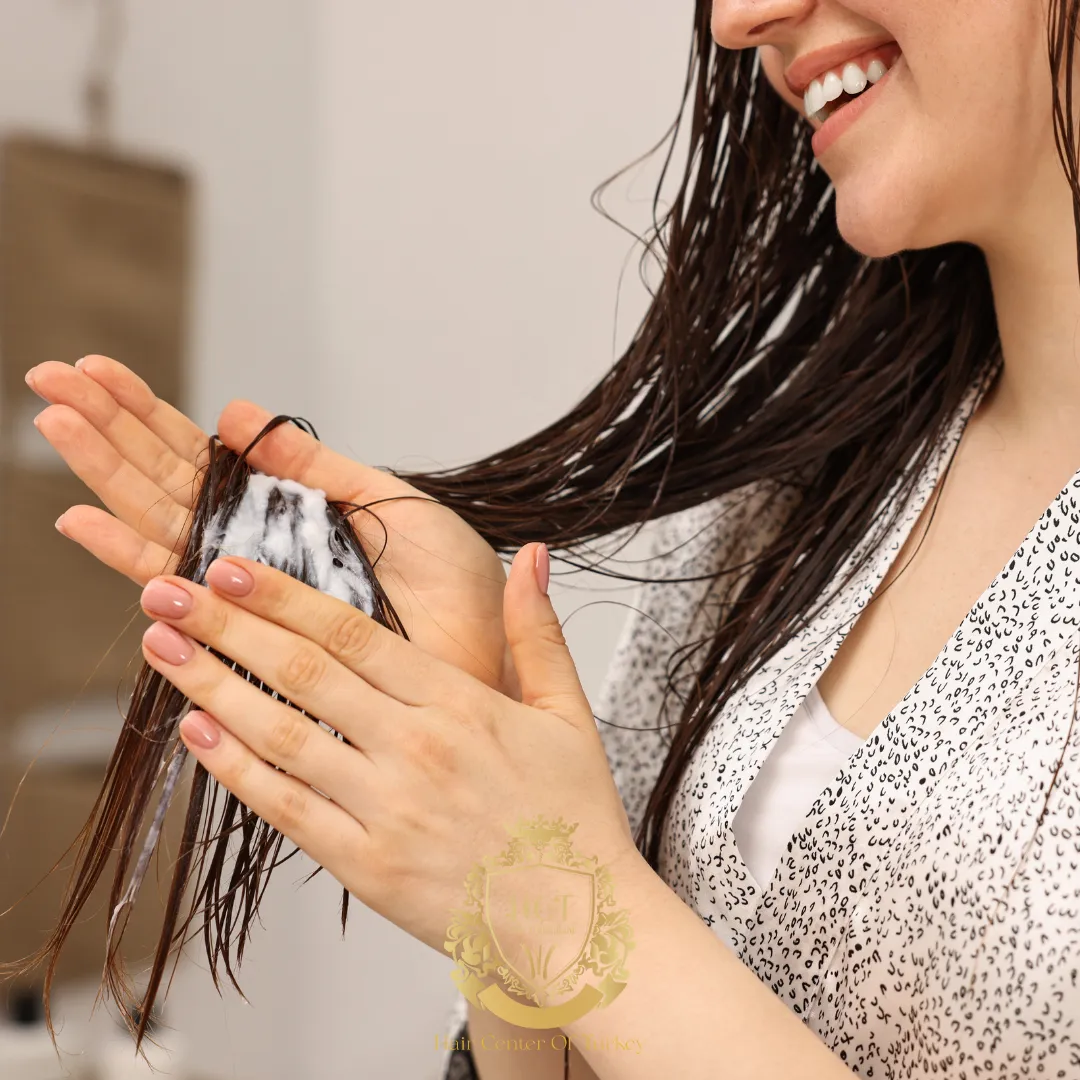
Easy Hair Masks You Can Make At Home
Homemade hair masks use simple kitchen ingredients to hydrate dry strands, smooth frizz, and improve shine. Mix one of the quick recipes below, apply it to damp hair, leave it on for 20–30 minutes, then rinse well. Use a mask once or twice a week, based on your hair type.
Table of Contents
Why Use Homemade Hair Masks?
DIY hair masks give you control over what touches your scalp and lengths. They can be a practical option when your hair feels dry, rough, or lackluster, especially after heat styling, coloring, or seasonal weather changes.
Because the ingredients are fresh and straightforward, it’s easier to avoid heavy fragrances and unnecessary additives. The key is choosing a recipe that matches your hair’s needs and rinses out cleanly.
Ingredients That Work Well In Hair Masks
These ingredients are commonly used because they support softness, slip, and shine when applied correctly. If you have allergies or a sensitive scalp, patch-test first and skip anything that irritates you.
- Coconut oil: helps reduce dryness and improve the feel of brittle lengths.
- Olive oil: adds slip and helps hair look smoother.
- Honey: draws in moisture and can boost shine.
- Avocado: rich in fatty acids that help dry hair feel softer.
- Yogurt: can help smooth the cuticle and reduce frizz.
- Egg: adds a temporary strengthening feel for weak, over-processed hair.
Easy Homemade Hair Mask Recipes
Start with small amounts. You can always mix more, but too much product can be harder to rinse out—especially on fine hair or oily roots.
1) Coconut Oil And Honey Moisture Mask
Best for: dry lengths, frizz, and dullness.
Ingredients:
- 2 tablespoons coconut oil
- 1 tablespoon honey
How to use:
- Warm the coconut oil slightly until it’s liquid, then stir in the honey.
- Apply to mid-lengths and ends on damp hair. Avoid the scalp if you get oily easily.
- Leave on for 20 minutes, then shampoo thoroughly and rinse well.
2) Avocado And Olive Oil Repair Mask
Best for: rough texture, dry ends, and hair that feels stiff after coloring.
Ingredients:
- ½ ripe avocado (mashed smooth)
- 1 tablespoon olive oil
How to use:
- Mash the avocado until it’s lump-free, then mix in the olive oil.
- Apply to dry or damp hair, focusing on the most damaged areas.
- Leave on for 30 minutes, then rinse and shampoo until the water runs clear.
3) Yogurt And Egg Strengthening Mask
Best for: weak, over-styled hair that needs more softness and body.
Ingredients:
- ½ cup plain yogurt
- 1 egg
How to use:
- Whisk the egg into the yogurt until smooth.
- Apply evenly through hair. Keep it away from very hot water to prevent the egg from cooking.
- Leave on for 20 minutes, then rinse with cool-to-lukewarm water and shampoo.
How Often Should You Use A Hair Mask?
Most people do well with a mask once a week. If your hair is very dry or heat-damaged, twice weekly can help for a few weeks, then scale back once your hair feels softer.
If your scalp gets oily quickly, focus masks on mid-lengths and ends and keep the rinse-out thorough. For fine hair, lighter recipes and shorter leave-on times usually work best.
Tips For Better Results
- Apply on damp hair for easier spread and better rinse-out.
- Detangle gently before applying so the mask coats evenly.
- Cover with a shower cap to keep the mask from drying out.
- Rinse patiently—leftover oils can weigh hair down.
- Use a regular conditioner afterward if your hair needs extra slip.
FAQs About Homemade Hair Masks
How do you make homemade hair mask for shine and softness?
Mash avocado, mix honey and olive oil, apply 20 minutes, rinse thoroughly.
How to get shiny hair naturally at home mask?
Use yogurt and honey mask for 15 minutes, then rinse with cool water.
How to make your hair soft and shiny naturally?
Condition with coconut oil pre-wash weekly and finish with diluted apple-cider-vinegar rinse.
Which hair mask makes hair soft and silky?
A banana, honey, and argan-oil mask leaves hair soft and silky.
How to get shiny hair homemade?
Apply aloe vera gel for 10 minutes, rinse, and avoid hot-water washing.
Explore the complete guide: Hair Care and Products