

What Are The Correct Blow-Drying Techniques?
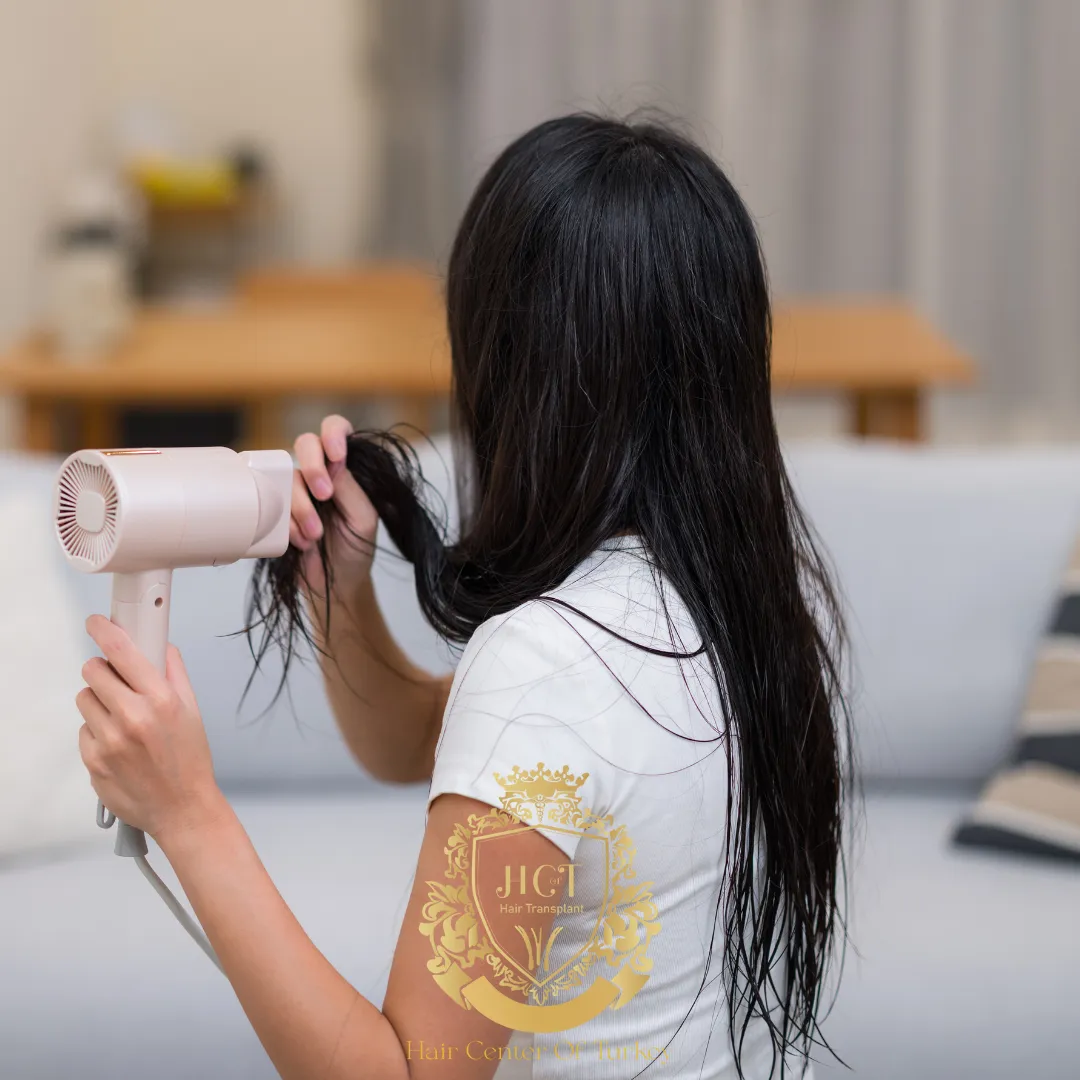
Correct blow-drying starts with towel-drying gently, applying heat protectant, and working in sections. Keep the nozzle pointed downward and hold the dryer 15–20 cm (6–8 in) from your hair. Use the lowest effective heat and finish with cool air to smooth the cuticle, reduce frizz, and add shine.
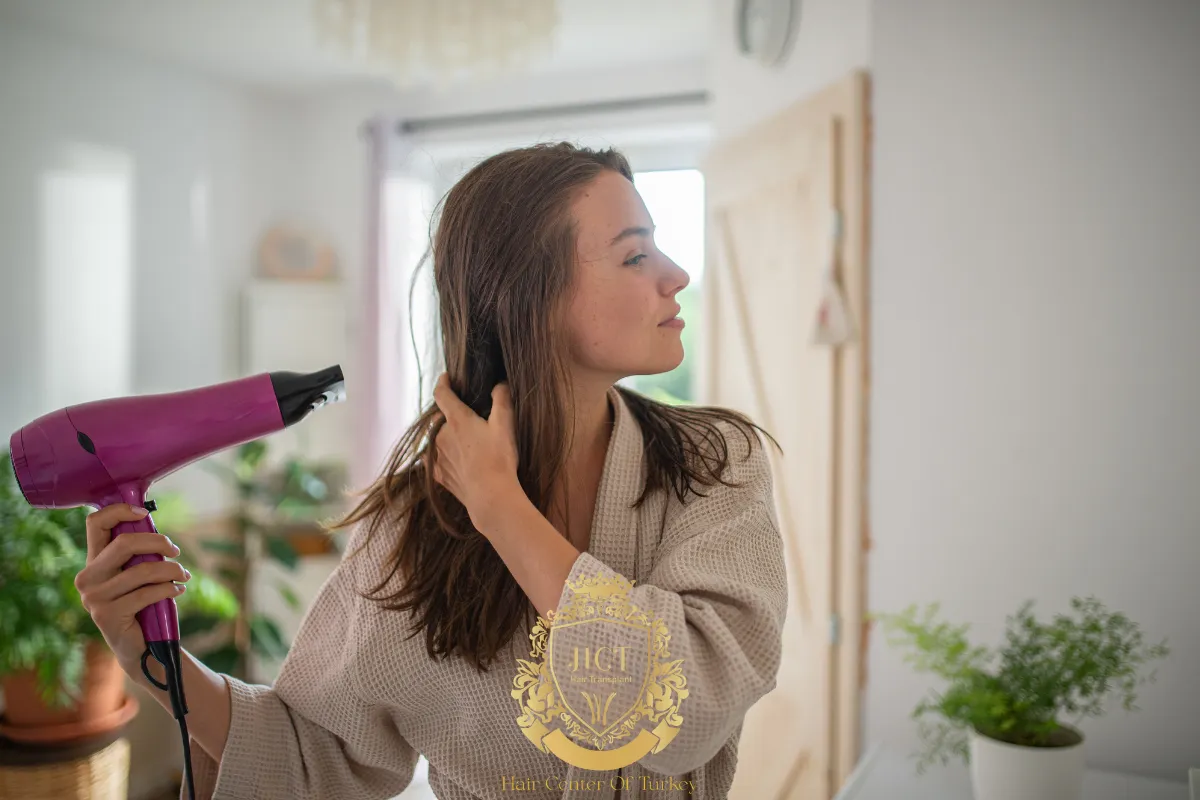
Table of Contents
Why Proper Blow-Drying Matters
Blow-drying can shape your style, add volume, and create a smoother finish, but technique matters as much as heat. When hair is blasted in random directions or dried too aggressively, the cuticle lifts, which can lead to frizz and dullness. A controlled, section-by-section approach helps you get a polished result while being kinder to your hair.
How To Prep Hair Before Blow-Drying
Start with clean, conditioned hair and gently squeeze out excess water with a microfiber towel or soft T-shirt. Avoid rough rubbing, which can tangle and weaken wet strands. Apply a heat protectant evenly through mid-lengths and ends, then detangle with a wide-tooth comb.
If you use styling products, keep them lightweight and suited to your goal:
- For smoothness: a small amount of anti-frizz cream or leave-in conditioner.
- For volume: a mousse or root-lift spray at the roots.
- For curl definition: a curl cream or gel, then diffuse instead of brushing straight.
Step-By-Step Blow-Drying Technique
The easiest way to improve your blow-dry is to control airflow, tension, and timing. Let hair air-dry until it’s around 60–70% dry, then follow these steps:
- Section your hair into 4–6 parts using clips.
- Set the dryer to medium heat and medium speed to start (fine or damaged hair may need lower heat).
- Attach a concentrator nozzle for a sleeker finish and aim airflow downward from roots to ends.
- Work one section at a time. Use a brush to create gentle tension, then follow the brush with the dryer.
- Keep the dryer 15–20 cm (6–8 in) away and keep it moving to avoid hot spots.
- Dry the roots first for lift, then focus on mid-lengths and ends.
- Finish with cool air to set the style and add shine.
Tools That Make Blow-Drying Easier
Good tools won’t fix poor technique, but they make results faster and more consistent. Choose tools based on your hair type and the finish you want.
- Hair dryer with adjustable heat and speed settings.
- Concentrator nozzle for smooth, straight styles.
- Diffuser for curls and waves.
- Round brush for volume and bend; paddle brush for sleek, straight results.
- Sectioning clips for control and even drying.
- Microfiber towel or T-shirt to reduce frizz before you start.
How To Prevent Heat Damage While Blow-Drying
Heat damage usually comes from a combination of high temperature, repeated passes, and over-drying. Use the lowest effective heat, especially on fine, colored, or already-dry hair. Stop once hair is dry and smooth—continuing to “perfect” the ends is where damage often builds up.
After styling, a lightweight serum or oil on the ends can improve softness and reduce flyaways. If your hair feels rough or brittle, cut back on blow-drying frequency and add a weekly hydrating mask.
Blow-Drying Tips By Hair Type
Fine Hair
Use lower heat and a smaller amount of product to avoid weighing hair down. Lift at the roots with a round brush or by drying hair in the opposite direction, then smooth the top layer. A cool shot at the end helps hold volume.
Thick Or Coarse Hair
Work in smaller sections and increase airflow rather than heat when possible. A concentrator nozzle and a sturdy brush help you create tension for a smoother finish. Finish each section fully before moving on so you don’t need to reheat the same strands repeatedly.
Curly Or Wavy Hair
For defined curls, skip brushing once you apply your curl product. Use a diffuser and dry on low to medium heat, cupping curls upward to reduce frizz. If you prefer a stretched look, use a concentrator nozzle and a brush, but keep the nozzle angled downward.
Common Blow-Drying Mistakes To Avoid
- Starting on soaking-wet hair, which increases drying time and heat exposure.
- Skipping heat protectant or applying it only to the top layer.
- Pointing airflow upward, which can lift the cuticle and create frizz.
- Using the highest heat setting by default instead of adjusting to your hair’s needs.
- Holding the dryer too close or staying in one spot for too long.
- Over-drying the ends when the rest of the hair is already dry.
FAQs About Blow-Drying Techniques
What is the healthiest way to dry your hair?
Blot with a microfiber towel, apply heat protectant, then dry on low heat.
Is it better to blowdry your hair with hot or cold air?
Warm or medium air is safer than hot; finish with cool air to set.
What is the correct way to use a hair dryer?
Use heat protectant, keep 15–20 cm away, keep moving, and use a concentrator nozzle.
Is it better to blowdry hair wet or damp?
Dry hair when it’s damp, not dripping wet, to reduce heat damage.
Should I blowdry my hair up or down?
Dry downwards from roots to ends to smooth cuticles and reduce frizz.
Should I dry my hair with a towel or let it air dry?
Gently blot with a microfiber towel, then air-dry to damp; avoid vigorous rubbing.
Explore the complete guide: Hair Styling and Color