

What Is the Right Hair Care Routine for Curly Hair?
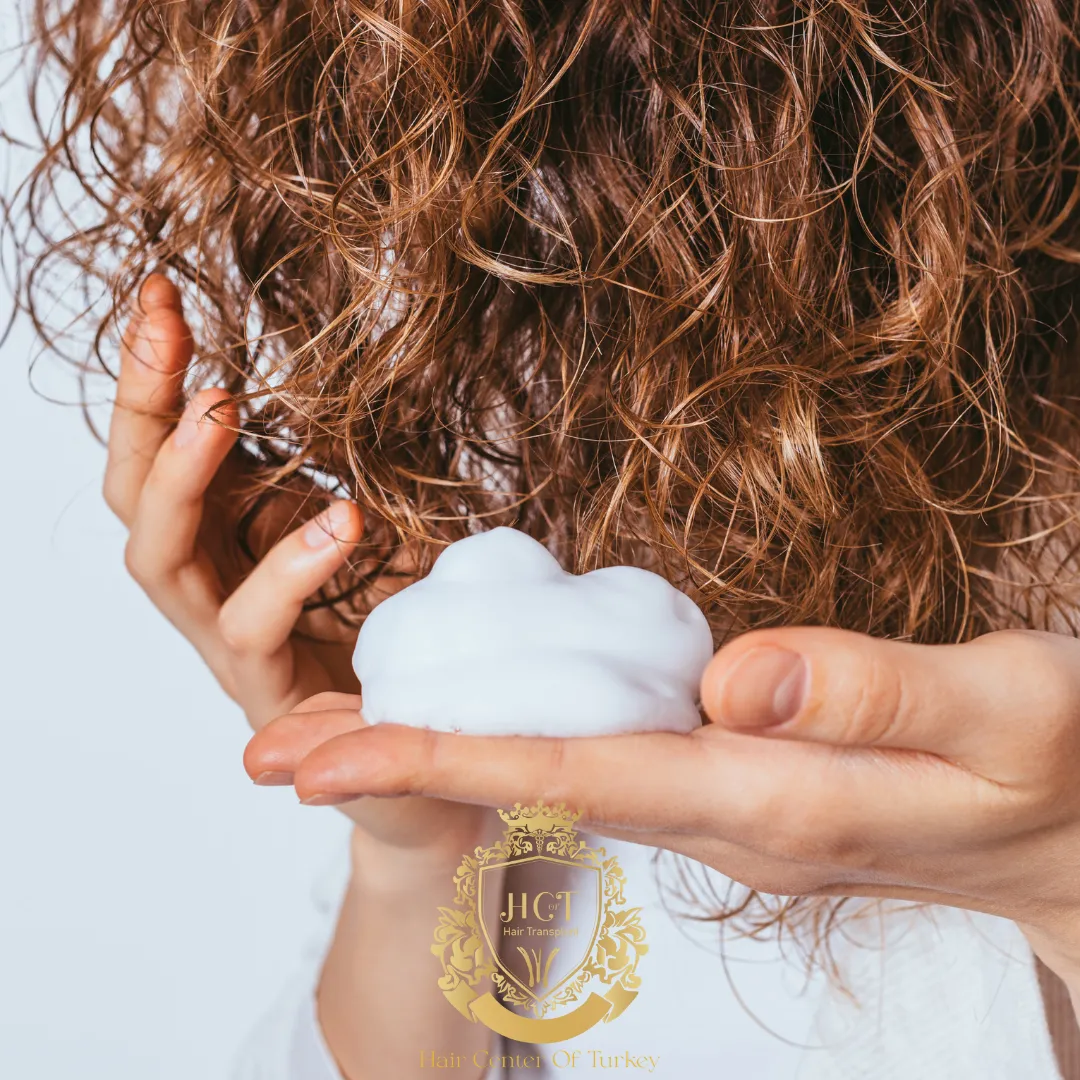
A good curly-hair routine focuses on moisture, gentle cleansing, and low-friction styling. Wash 1–3 times a week with a mild, sulfate-free cleanser (or co-wash), condition every wash day, and apply leave-in plus a curl styler on damp hair. Dry with minimal touching, then protect curls overnight with satin or silk to keep definition and reduce frizz.
Curly hair can look effortless on a good day, but it often needs a plan to stay hydrated and defined. Because curls bend and twist, they lose moisture faster and tangle more easily than straighter hair types. The routine below is built to support curl pattern, shine, and scalp comfort without overloading the hair with product.
Why Curly Hair Needs a Different Routine
Scalp oils have a harder time traveling down a curved strand, so curls tend to feel dry at the ends while the scalp can still get oily. When hair lacks moisture, it swells and roughens, which shows up as frizz and breakage. That’s why curly hair usually responds best to gentle cleansing, consistent conditioning, and styling methods that reduce friction.

Table of Contents
Wash Day: How to Cleanse Curly Hair Properly
Most people with curls do well washing 1–3 times per week. If your hair is fine or your scalp gets oily quickly, you may lean toward the higher end; if your curls are coarse or very dry, fewer washes may feel better.
- Use a sulfate-free shampoo or a mild cleanser and focus on the scalp, not the ends.
- On days you want extra softness, try co-washing (cleansing with conditioner) and rinse thoroughly.
- Detangle only when the hair is wet and slippery with conditioner, using fingers or a wide-tooth comb.
- Finish with a cool or lukewarm rinse if your hair frizzes easily.
Conditioning: The Step That Makes or Breaks Curls
Condition after every cleanse to restore slip, softness, and definition. For curls that feel dry or rough, add a weekly deep-conditioning mask to improve moisture and manageability.
How to condition for better definition
- Apply conditioner from mid-lengths to ends first, then lightly to the roots if needed.
- Use the “squish to condish” technique (gently squeezing conditioner into wet hair) to encourage clumps.
- Rinse partially or fully depending on your hair: less rinsing often helps very dry curls, while fine curls may need a cleaner rinse.
Leave-in and sealing
A leave-in conditioner keeps moisture in the hair between washes and helps with detangling. If your ends dry out quickly, seal with a small amount of lightweight oil (such as argan or jojoba) or a butter-based cream—just enough to coat, not saturate.
Reduce Frizz Without Flattening Your Curls
Frizz is usually a mix of dryness, friction, and humidity. The goal is to lock in water on wash day and avoid rough handling as the hair dries.
- Skip rough towel drying; use a microfiber towel or a cotton T-shirt and gently squeeze out water.
- Apply curl cream and/or gel on damp hair so the product forms a light cast as it dries.
- Limit touching while drying; break the cast at the end with a few drops of oil if you like a softer finish.
- Choose humidity-resistant stylers if your curls puff up easily outdoors.
Styling Tips That Protect Curl Pattern
Drying methods
- Air-dry for the least disturbance, or diffuse on low heat and low airflow to reduce frizz.
- Try plopping (wrapping hair in a T-shirt for 10–20 minutes) to help curls set with more lift.
- Avoid brushing dry curls; refresh with water or a curl mist first, then detangle gently if needed.
Refresh days between washes
To revive curls, mist with water, smooth in a small amount of leave-in, and scrunch. If you use gel, reactivating it with water is often enough. Keep refresh products light to prevent buildup and limp curls.
Night Routine: Protect Curls While You Sleep
Nighttime friction is a common reason curls lose definition. A few simple changes can preserve shape and reduce morning tangles.
- Sleep on a satin or silk pillowcase, or wear a satin bonnet.
- Try a loose “pineapple” (high ponytail) to keep curls from getting crushed.
- If your hair is prone to dryness, apply a tiny amount of leave-in to the ends before bed.
Weekly and Monthly Maintenance
- Deep condition once a week if your hair feels dry, rough, or overly frizzy.
- Clarify every 3–6 weeks if you notice heavy buildup, limp curls, or product that won’t rinse cleanly (follow with a rich conditioner).
- Trim split ends as needed; damaged ends tangle easily and make curls look less defined.
When Shedding or Breakage Needs Attention
Some shedding is normal, especially on wash day, but persistent thinning, patchy loss, or scalp irritation should be checked by a professional. If you’re concerned about ongoing hair loss, a clinical assessment can help identify whether the cause is breakage, scalp inflammation, or a medical pattern of hair loss.
Faqs About Curly Hair Care
What is the correct order for a curly hair routine?
Cleanse, condition, detangle, apply leave-in, style (cream/gel), dry, then refresh as needed.
What is a good wash routine for curly hair?
Wash 1–3× weekly: shampoo scalp, condition lengths, detangle, rinse, leave-in, style, diffuse/air-dry.
What is a curly hair routine?
A sequence of cleansing, conditioning, styling, drying, and refreshing steps tailored to curls.
What is a good daily routine for curly hair?
Protect overnight, refresh with water/leave-in, scrunch, manage frizz, avoid over-brushing, protect ends.
Do and don’ts of curly hair?
Do moisturize, detangle gently, use satin, diffuse low heat; don’t dry-brush, over-wash, touch.
What is type 1, 2, 3, 4 curly hair?
Type 1 straight, Type 2 wavy, Type 3 curly, Type 4 coily; A–C tighter.
Explore the complete guide: Hair Styling and Color