

TL;DR: Aspirin is not a proven treatment for hair loss or regrowth. Its anti-inflammatory effect may calm certain scalp conditions, but no clinical evidence supports it as a standalone regrowth solution. Oral aspirin also carries bleeding and stomach-irritation risks, so it should not be used for hair purposes without medical advice.
Can Aspirin Help With Hair Loss And Regrowth?
Aspirin is not a proven hair loss treatment, but its anti-inflammatory properties may indirectly support scalp health in certain cases.
While some theories link aspirin to reduced hair shedding, current evidence does not support its use as a reliable or standalone solution for hair regrowth.
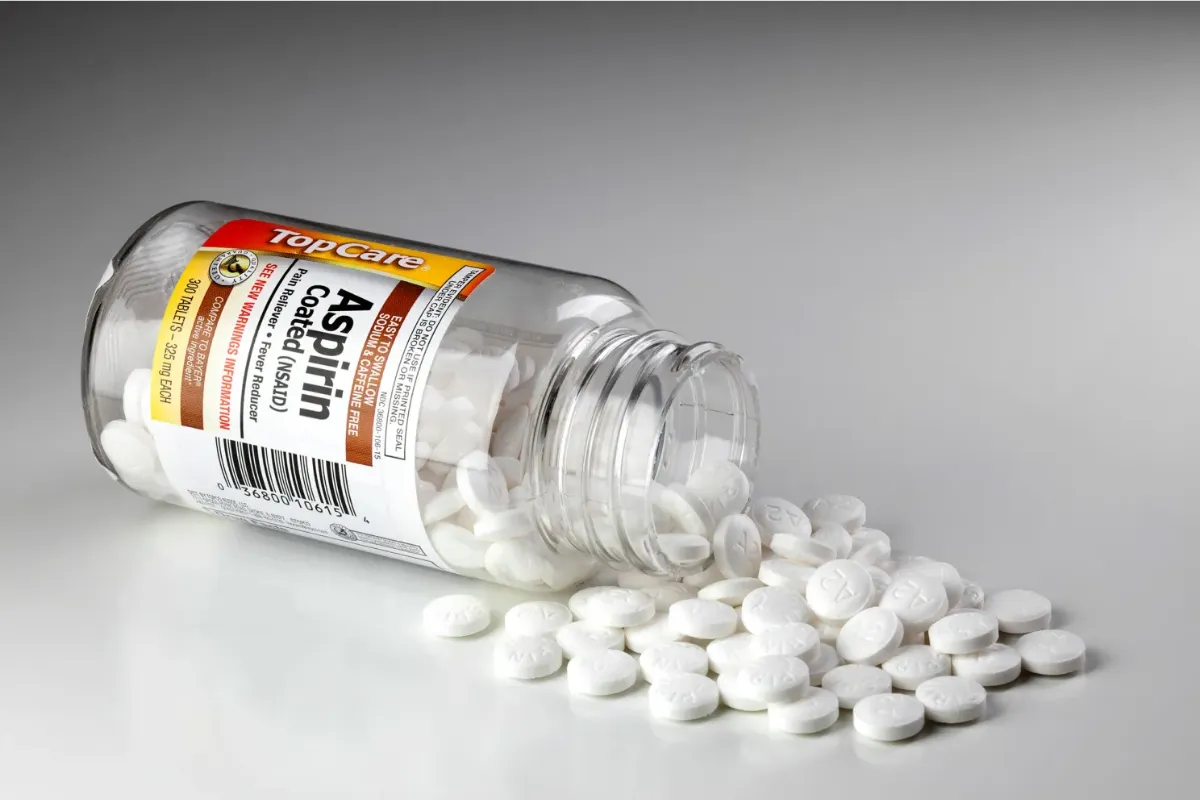
Table of Contents
How Aspirin May Influence Hair Health
Aspirin contains acetylsalicylic acid, a compound known for reducing inflammation. Scalp inflammation is associated with several hair loss conditions, including telogen effluvium and inflammatory scalp disorders.
By lowering inflammatory responses, aspirin may help create a more balanced scalp environment. This effect is indirect and does not actively stimulate new hair growth.
The Role Of Blood Flow And Scalp Conditions
Some suggest aspirin may improve blood circulation due to its effect on platelet activity. Improved circulation can support follicle function by enhancing oxygen and nutrient delivery.
However, there is limited evidence showing that aspirin meaningfully increases scalp blood flow in a way that impacts hair growth.
Topical Aspirin Use Versus Oral Intake
Oral aspirin works systemically, affecting inflammation throughout the body. This approach carries well-known risks, especially with long-term or unnecessary use.
Topical aspirin mixtures are sometimes used in homemade scalp treatments. These methods are not well studied and may cause irritation, dryness, or allergic reactions if improperly prepared or overused.
Aspirin And Prostaglandins
Prostaglandins are signaling molecules involved in the hair growth cycle. Elevated levels of prostaglandin D2 (PGD2) have been associated with hair loss.
Aspirin inhibits prostaglandin production, which has led to interest in its theoretical role in reducing hair shedding. At present, this mechanism remains speculative and unproven in clinical hair loss treatment.
Is Aspirin An Effective Hair Loss Treatment?
Aspirin is not recognized as a medically approved or evidence-based treatment for hair loss. It does not address hormonal, genetic, or autoimmune causes directly.
Any perceived improvement is usually linked to reduced irritation or inflammation rather than true follicle regeneration. Established treatments remain the standard of care.
Safety Considerations And Risks
Topical aspirin can irritate sensitive scalps, especially when used without proper dilution. Oral aspirin may increase the risk of gastrointestinal issues or bleeding when used unnecessarily.
Aspirin should never be used long-term for hair-related purposes without medical guidance.
Frequently Asked Questions
Does aspirin help with hair growth?
No; aspirin isn’t proven to regrow hair and can increase bleeding risk.
What is the best thing to regrow thinning hair?
Topical minoxidil and finasteride for men have strongest evidence for regrowth.
What is the old medicine that grows new hair?
Minoxidil, originally a blood-pressure drug, is the classic old medicine for regrowth.
What medicine helps to regrow hair?
Minoxidil regrows hair; finasteride/dutasteride help pattern loss; steroids help alopecia areata.
What are the big 3 for thinning hair?
Minoxidil, finasteride, and ketoconazole shampoo are commonly called the “big 3”.
What The Evidence Actually Shows
No clinical trial has tested aspirin as a hair regrowth treatment on its own. The theory rests on aspirin’s effect on prostaglandin D2 and inflammation, both linked to hair loss in lab studies, but that’s a mechanistic hypothesis, not a tested outcome. Nobody has run the trial that would confirm whether taking aspirin actually regrows hair in humans.
Compare that to minoxidil and finasteride, which have decades of randomized trials behind them. Aspirin sits in a different category entirely: plausible biology, zero regrowth data.
Who Might Consider Aspirin For Scalp Care
If a doctor has you on aspirin for cardiovascular reasons and you also happen to have mild scalp inflammation, that’s an incidental overlap, not a reason to start aspirin for your hair. Dermatologists don’t prescribe aspirin as a hair loss treatment, and self-starting it for that purpose isn’t something we’d recommend.
The only scenario where aspirin belongs in a hair-related conversation is when a physician is already managing another condition and scalp inflammation comes up as a side note.
Risks And Side Effects To Know About
- Oral aspirin: increased bleeding risk, especially before or after hair transplant surgery
- Oral aspirin: stomach irritation and, with regular use, ulcer risk
- Topical aspirin pastes: scalp irritation, dryness, and allergic reactions, particularly with DIY mixtures
- Drug interactions: aspirin can interact with blood thinners and other medications
- No dosing standard exists for ‘hair loss use’, which makes topical application inherently inconsistent
Treatments With Stronger Evidence Behind Them
- Minoxidil (topical): FDA-approved, decades of trial data for regrowth
- Finasteride (oral, for men): blocks DHT, well-documented for pattern hair loss
- PRP therapy: growth-factor injections with a growing evidence base
- Hair transplant surgery: permanent solution for established pattern loss
- A dermatology consult: identifies the actual cause before choosing a treatment
Explore the complete guide: Hair Loss Treatments